Dubai 2040: Inside the Blueprint of a Future-Ready City
Published :
Last Updated :
- Building the Urban Future: Why This Plan Is Important on a Local and Global Level?
- The Dubai 2040 Vision
- Core Objectives of the Dubai 2040 Urban Master Plan
- Challenges and Considerations regarding the Dubai 2040 Masterplan
- Conclusion: The Road to Urban Excellence
Five decades ago, Dubai used to be an obscure commercial port unheard of to many. But over the years it successfully unrolled into one of the most prominent global hubs for economic progress. That being said, the ambitious Dubai 2040 Urban Master Plan is already laying the groundwork for the city’s next major step forward.
The strategy, which was brought in to direct development over the following 20 years, focuses on intentional growth. Dubai, which is expected to have a population of close to 5.8 million by 2040, is putting sustainability, connectivity, and quality of life first in order to warrant that growth improves rather than overwhelms the city.
Building the Urban Future: Why This Plan Is Important on a Local and Global Level?
The global push for smart, sustainable cities is no longer a pipe dream. It is the spell out challenge of our day. Cities are mandated to renovate themselves or risk straggling behind as urban populations speed up and climatic challenges aggravate.
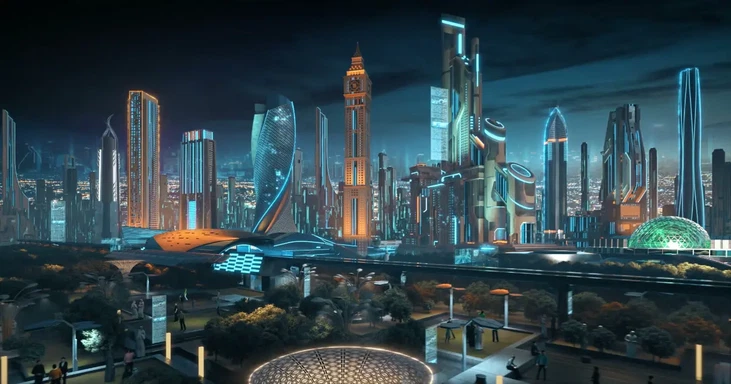
The Dubai 2040 Urban Master Plan stands out in this race as a visionary manifesto for the future and a growth roadmap. The plan aims to transmute Dubai into a city where sustainability and innovation exist side by side by prioritizing public transportation, creating lively, human-centered communities, and doubling the amount of green and leisure spaces.
At the local level, it supports a growing population while preserving cultural identity, improving quality of life, and expanding economic resiliency. It presents Dubai as a living laboratory for climate-conscious design, smart infrastructure, and balanced urban growth on a regional and worldwide scale, presenting a blueprint that other cities can use to pursue sustainable change.
By altering its streets and skyline for 2040, Dubai is not only moving forward but also pushing the worldwide dialogue about what cities of the future should look like.
The Dubai 2040 Vision
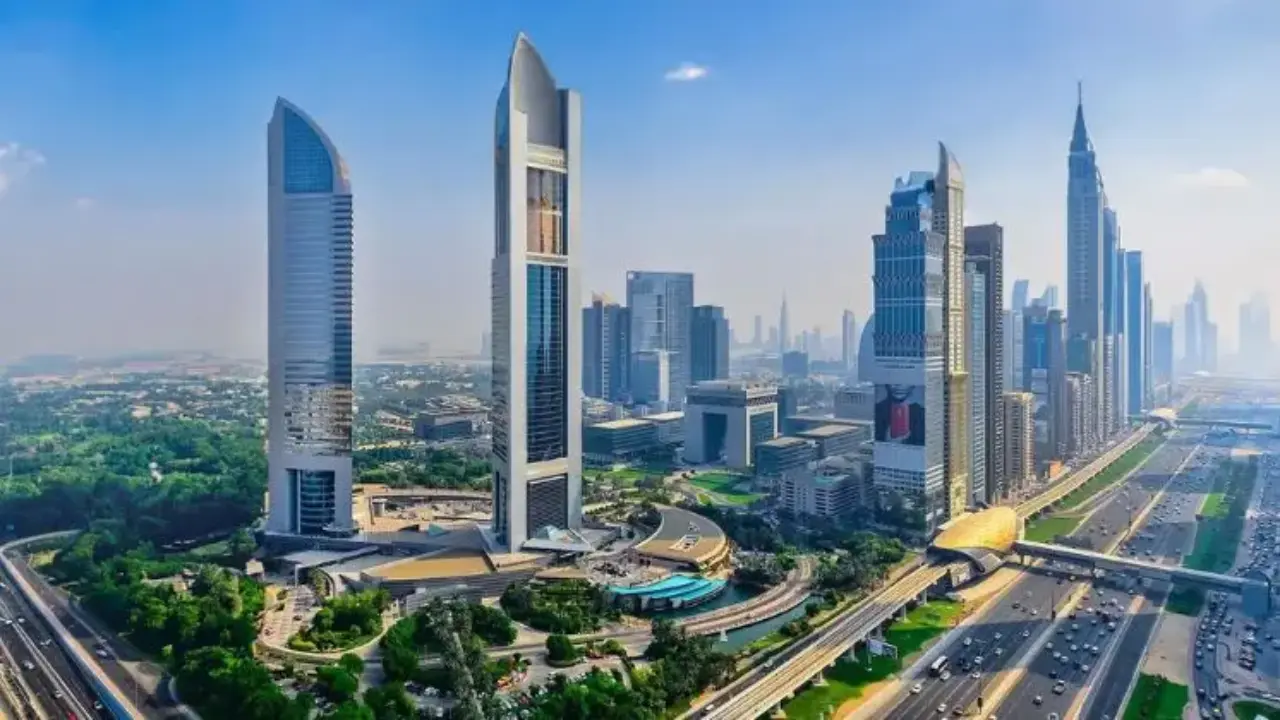
Sheikh Mohammed bin Rashid Al Maktoum’s announcement of the Dubai 2040 Urban Master Plan was a pledge to future generations rather than merely a statement of policy.
According to the Dubai 2040 Vision, a city where people can stroll around, green areas thrive, and communities feel linked rather than congested is one where quality of life is a fundamental right rather than a luxury. Sustainable development is at the core of it, making sure that progress doesn’t come at the price of nature.
Besides, by guiding Dubai away from traditional industries and toward innovation, technology, and knowledge-based sectors, the vision speeds up economic diversification.
Ambition is turned into organized action by the plan, which supports environmental leadership and closely relates to the UAE’s long-term national plans. By doing this, Dubai establishes itself as a robust, progressive city that is prepared to take on the struggles of the future, in parallel to being a global city of today.
Why 2040?
A long-term framework was necessary due to Dubai’s swift economic and population growth. Instead of responding to growth, the city decided to prepare for it. In line with national goals like the UAE Centennial 2071, the 2040 horizon promotes coordinated housing expansion, infrastructure development, and environmental conservation.
Core Objectives of the Dubai 2040 Urban Master Plan
1. Improving Quality of Life
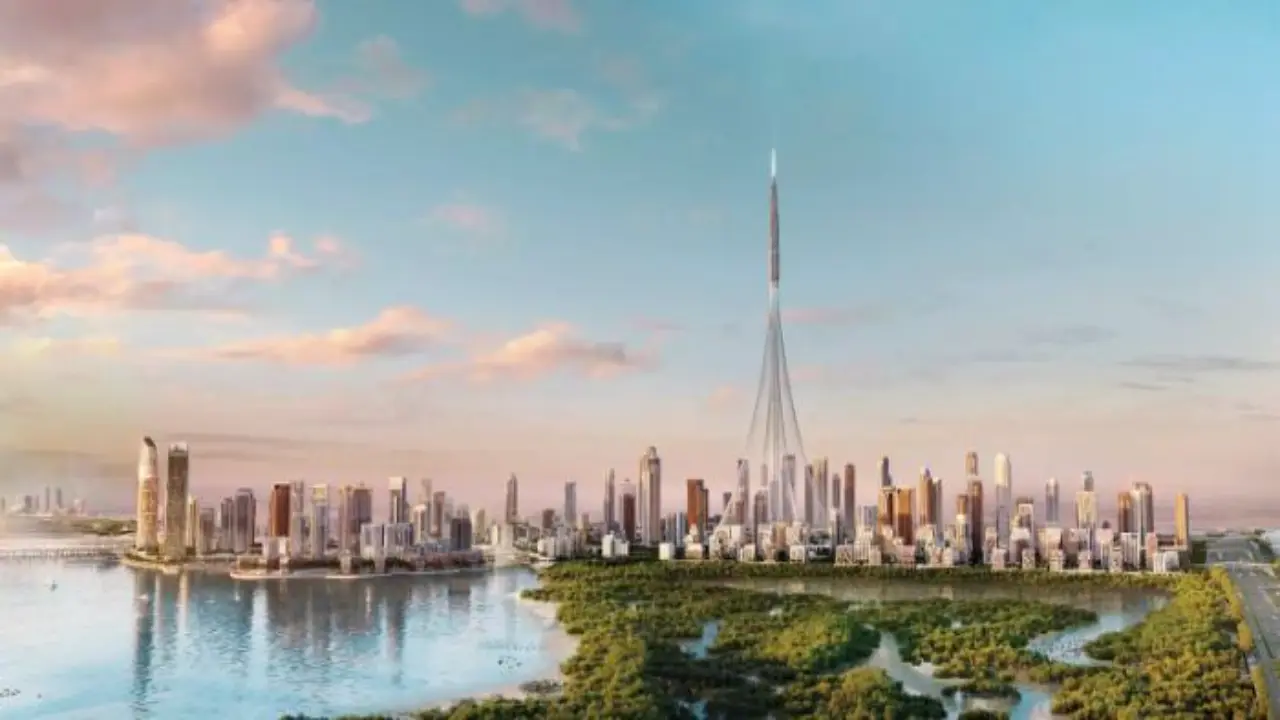
One of Dubai 2040’s main tenets is sustainable urban growth, which prioritizes environmental sustainability. The plan aims to promote energy-efficient structures, double green and recreational areas, and set aside 60% of Dubai’s total territory for nature reserves and rural ecosystems.
The approach seeks to strike a cautious balance between urban expansion and long-term environmental responsibility by protecting ecosystems while encouraging further growth.
2. Sustainable Urban Expansion
Increasing green and recreational areas by devoting 60% of the emirate’s total area to nature reserves and rural natural regions, and encouraging energy-efficient construction, the masterplan has put environmental sustainability at the center of its growth strategy.
By taking these steps, the strategy hopes to preserve ecosystems while promoting urban growth, guaranteeing that future growth strikes a balance between long-term environmental responsibility and financial progress.
3. Transit-Oriented Development
Cutting back on automobile use is crucial. The expansion of bus routes, metro lines, bike lanes, and pedestrian corridors will allow a more connected city. Communities that prioritize transportation will congregate around public transportation hubs.
4. Fostering Economic Hubs
The master plan supports Dubai’s goal of economic diversification by fortifying commercial districts and innovation zones to foster long-term growth. The city aspires to develop knowledge-based industries, attract talent from around the globe, and become a significant center for global commerce through these activities.
A Greener Dubai: Sustainability at the Core
A new vision, painted in shades of green, is subtly developing the horizon in a city that was previously only known for its sparkling towering structure. In order to make it simpler for people to breathe and get together, Dubai is constructing beautiful parks and leisure areas.
More public beaches will be built throughout the coast, allowing locals and tourists to re-establish a connection with the ocean while protecting its fragile ecosystems. As protectors of biodiversity, designated environmental protection zones make sure that marine habitats and desert landscapes live peacefully with development.
The emirate is reinventing what a contemporary metropolis can be with its audacious efforts to lower its carbon footprint, from energy-efficient building to sustainable energy transitions.
Reduced emissions and more comfortable travel are promised by smart mobility solutions and smooth public transportation integration, which connect areas using creativity rather than traffic. The biggest challenge and opportunity facing Dubai as its population grows is balancing rapid expansion with environmental preservation, demonstrating that sustainability and progress may live together.
Five Urban Centers: A Polycentric City Model
1. Expo 2020 District (now Expo City Dubai)
Reimagined as Expo City Dubai, this innovative region focuses on research, sustainability, and new ventures. Built with smart infrastructure and green architecture, it is a model for knowledge-based economic growth and low-carbon urban development.
2. Downtown and Business District
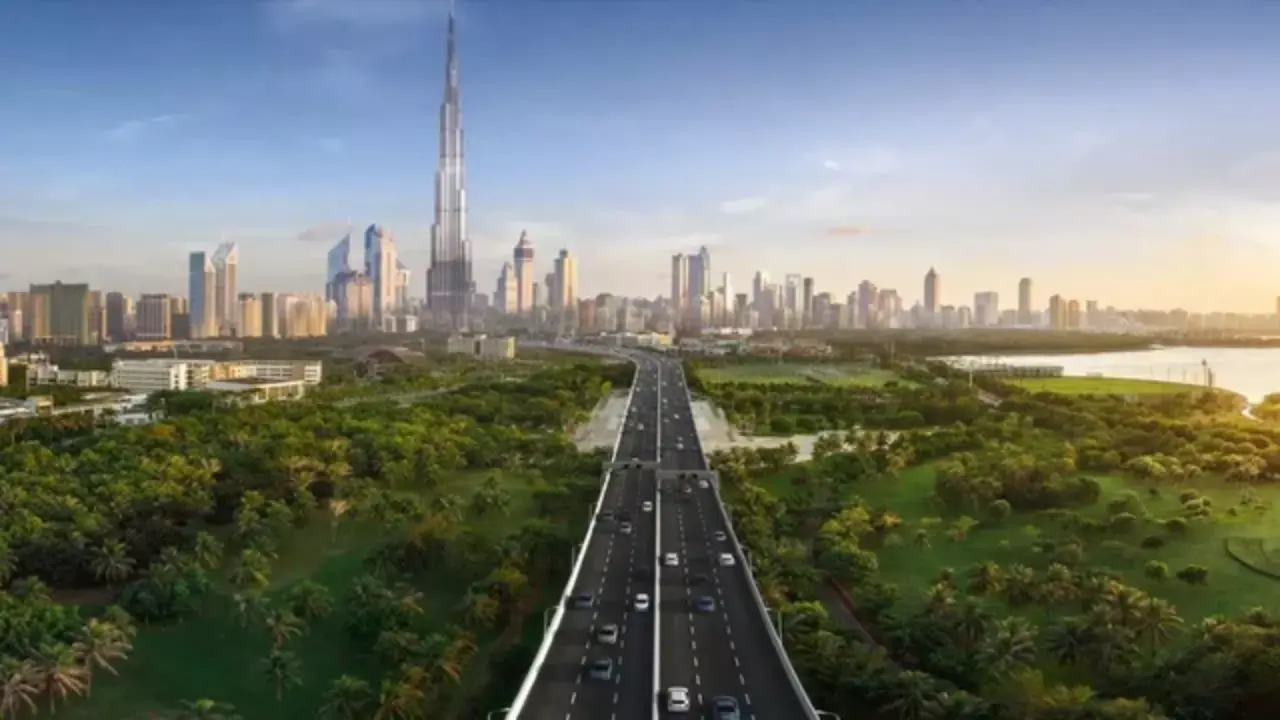
Home to global landmarks like Burj Khalifa and the corporate towers of Business Bay, this hub represents Dubai’s financial and tourism powerhouse. As the city evolves, the focus is shifting toward walkability, mixed-use developments, and integrated public transport to balance its high density with livability.
3. Historic Dubai (Deira and Bur Dubai)
This corridor maintains the city’s commerce heritage and is anchored by Deira and Bur Dubai. An economic and cultural hub is formed by the banks of Dubai Creek, traditional souks, and heritage areas. In order to keep the past alive in the present, revitalization efforts rely on historical tourism, pedestrian-friendly streets, and the growth of local businesses.
4. Dubai Marina and JBR coastal hub
The waterfront energy of Dubai Marina and Jumeirah Beach Residence creates a lifestyle-centered urban zone. Residential towers, retail promenades, and beach access blend leisure with living. Enhanced tram links and pedestrian routes make it a model for coastal urban integration.
5. Dubai Silicon Oasis corridor
Dubai Silicon Oasis anchors the technology and innovation corridor. Designed as an integrated community where people can live, work, and innovate, it supports startups, tech firms, and educational institutions within a self-contained ecosystem.
Why Decentralization Matters
A polycentric structure prevents overdependence on one central business district. By distributing jobs, housing, education, and entertainment across multiple hubs, Dubai reduces infrastructure strain and creates more resilient communities. Economic activity becomes diversified geographically, lowering congestion and supporting balanced growth.
The “20-Minute City” Concept
The goal is in line with the global “20-minute city” paradigm, where locals get to walk or bike 20 minutes to go to work, schools, healthcare, shopping, parks, and public transportation. Dubai intends to change from a car-dependent city to a network of interconnected, human-scale neighborhoods by incorporating smart transportation, metro expansions, bike routes, and pedestrian-friendly zoning.
Daily commute may also impact as distances shrink as a result of work hubs being located close to household regions. Obviously people would spend more time in the vicinity and less time traveling.
When taken as a whole, these five urban areas show how Dubai is planning for future population increase by continuously growing outside while constructing more intelligent, comprehensive communities inside.
Infrastructure and Mobility: Designing for 2040
In 2040, Dubai goes beyond roads and railroads. The vision predicts a dynamic, intelligently connected, and human-centered metropolis. The primary driver of this shift is the growth of public transportation, with bus, tram, and metro lines reaching further into growing regions.
Vibrant neighborhoods emerge around these transit hubs as a result of transit-oriented development, with residences, workplaces, shops, and parks gathered close to stations. Nowadays, streets aren’t just made for cars; shaded bike lanes and pedestrian walkways encourage people to move in a sustainable, comfortable, and safe manner.
Beneath the surface, AI-powered mobility management, data-driven planning, and real-time traffic systems all contribute to the smooth operation of smart city technology.
Simply put, digital infrastructure integration connects everything, from connected public services to autonomous transportation access, creating a city that foresees demands before they materialize. Dubai is developing for 2040 by creating an ecosystem where community, technology, and mobility all develop harmoniously, rather than merely constructing infrastructure.
Real Estate and Investment Opportunities
With 5.8 million people expected to live there by 2040, Dubai’s real estate market is changing into a blank canvas of strategic opportunity. Development patterns are shifting as a result of the growing demand for mixed-use communities, which combine residential, business, retail, and recreational areas into lively, self-sufficient neighborhoods where life flows naturally.
Green buildings, energy efficiency, and clever design are delivering long-term value, making sustainable initiatives the norm rather than the exception. Beyond established hotspots, new growth corridors are forming, creating new opportunities for infrastructure-backed investment and expansion.
Investors and developers see this development as more than just growth; it's a move toward resilient returns, community-centric design, and future-proof assets in a city that is coordinating its growth with sustainability and innovation.
Challenges and Considerations regarding the Dubai 2040 Masterplan
The ambition of the Dubai 2040 Urban Master Plan is undeniable. Yet, turning a visionary framework into lived reality requires navigating complex financial, environmental, and social challenges. As Dubai moves toward 2040, success will depend not only on bold design, but on disciplined execution.
1. Infrastructure funding: Financing the future
Financing Dubai’s 2040 transformation requires sustained, carefully managed investment over the next two decades to deliver expanded transport networks, green spaces, innovation hubs, and upgraded utilities.
While public-private partnerships will play a key role, success depends on long-term fiscal sustainability, diversified funding sources, strong investor confidence, and phased implementation to prevent overextension. Balancing infrastructure spending with economic cycles and global market fluctuations will be essential to maintain progress without creating financial strain or oversupply in sectors like real estate.
2. Managing rapid urban expansion responsibly
Making sure Dubai’s future growth is coordinated, inclusive, and sustainable requires responsible management of the city’s fast urban progression.
Transit-oriented development, which favors mixed-use communities around transportation hubs, lessens reliance on cars, and promotes integrated neighborhood planning to stop urban sprawl, is at the heart of the 2040 vision.
To preserve social stability and workforce accessibility, growing property values must be counterbalanced with reasonably priced housing alternatives.
3. Managing of water and energy resources
One of Dubai’s most important long-term issues is resource management since the city must survive in a desert climate.
Therefore this makes Dubai largely dependent on the energy-intensive process of desalination. The demand for water will boost dramatically when the population approaches 6 million.
Besides, the master plan aligns with broader UAE sustainable energy objectives, like increasing solar power. However, the demand from homes, businesses, and industries presents challenges.
4. Building in a warming world with climate resilience
Sandstorms, increasing sea levels, and intense heat are some of the climate stresses that Dubai has to cope with. The city needs to make sure its infrastructure is flexible and resilient in light of rising global temperatures.
This may be combated by way of designing walkable and shaded areas in public spaces along with introducing heat-resistant building materials. Another way of adapting to such a climate challenge would be to implement coastal protection while also amplifying projects on green infrastructure.
What Dubai 2040 Means for the World
This is the rise of a city determined to turn vision into velocity. Through the ambitious framework of the Dubai 2040 Urban Master Plan, Dubai positions itself as a global benchmark with sustainable ambition, human-centered design, and strategic growth. It signals that the cities of tomorrow must be greener, smarter, and more inclusive, where infrastructure anticipates need and public spaces nurture community.
For emerging megacities navigating growth, Dubai has a powerful lesson: plan boldly, integrate technology seamlessly, and anchor expansion in quality of life. Across the Middle East, its influence is reshaping urban conversations, inspiring a shift from car-dominated sprawl to transit-oriented districts, from isolated developments to connected ecosystems.
Conclusion: The Road to Urban Excellence
Dubai’s 2040 Urban Master Plan is a daring vision for a more intelligent, eco-friendly, and human-centered future. Dubai is establishing a global standard for urban innovation by emphasizing sustainable construction, growing green and recreational areas, improving public transportation, and building lively, walkable communities.
With this strategy you can expect a development that is well-balanced with cultural identity, environmental responsibility, and quality of life as the city makes room for future progression.



Your gateway to offline planning in the digital realm. Discover a world of real estate opportunities through our immersive offline property website experience
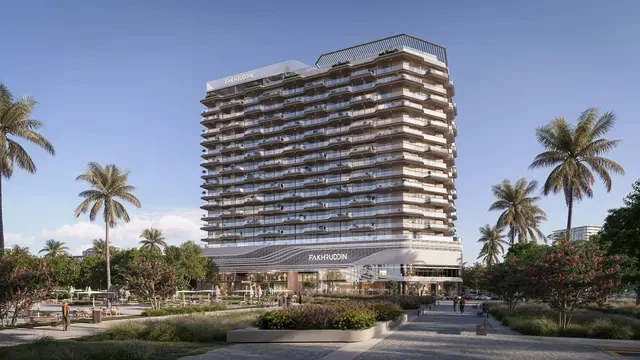
Apartments
Studios
Treppan Vision by Fakhruddin
AED Price on Request
Dubai Land Residence Complex
Studio, 1 & 2
453 - 7509 Sq Ft
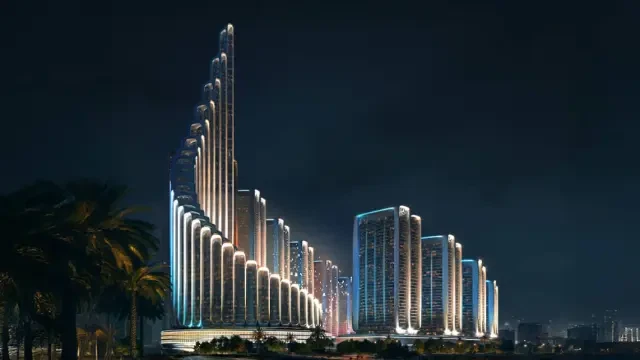
Apartments
Vision Iconic by Binghatti
AED Price on Request
Meydan
1, 2, 3, 4 & 5
Apartments
Shahrukhz Residences by Danube
AED Price on Request
Dubai Maritime City
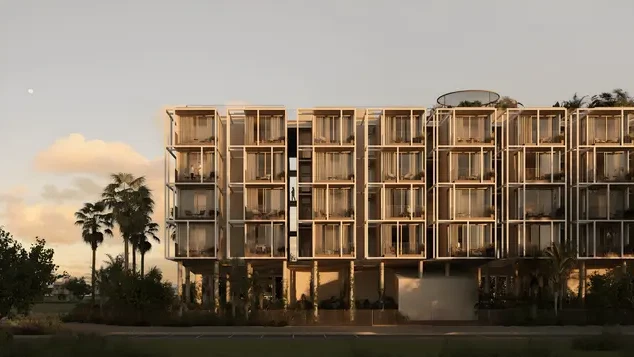
Apartments
Tessera by Al Ghurair Development
AED Price on Request
Dubai South
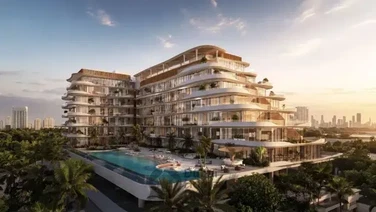
Apartments
Duplexes
Rabdan Avenue
AED 1,300,000
Meydan
1, 2 & 3
687 - 2937 Sq Ft
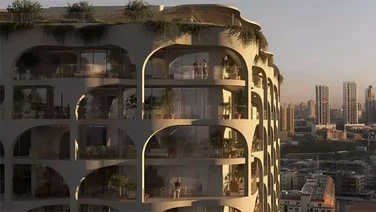
Apartments
The Weave by Al Ghurair Development
AED 1,200,000
Jumeirah Village Circle
1, 2 & 3
776 - 2221 Sq Ft
Apartments
Studios
Treppan Vision by Fakhruddin
AED Price on Request
Dubai Land Residence Complex
Studio, 1 & 2
453 - 7509 Sq Ft
Apartments
Vision Iconic by Binghatti
AED Price on Request
Meydan
1, 2, 3, 4 & 5
Apartments
Aris by Grid
AED Price on Request
Dubai South
Studio, 1 & 2
Apartments
Shahrukhz Residences by Danube
AED Price on Request
Dubai Maritime City
Apartments
Tessera by Al Ghurair Development
AED Price on Request
Dubai South
Apartments
SAMANA South Haven 2
AED Price on Request
Dubai Industrial City
Commercial
O1NE District Dawn by Avenew
AED Price on Request
Motor City
Commercial
Piazza Roma by DAMAC
AED Price on Request
Damac Lagoons
Commercial
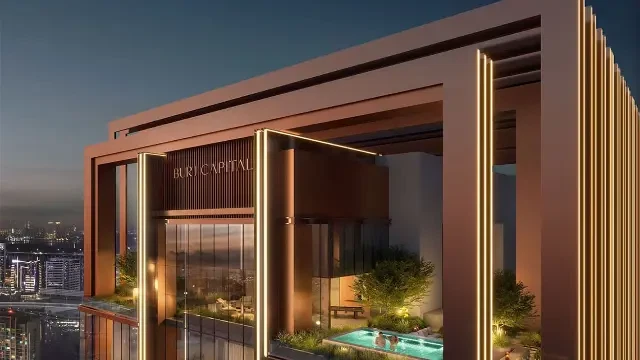
Burj Capital Phase 3 by Centurion Properties
AED Price on Request
Business Bay

Apartments
Commercial
Penthouses
The Symphony by Imtiaz
AED 2,000,000
Meydan
1, 2 & 3
640 - 4244
Apartments
Commercial
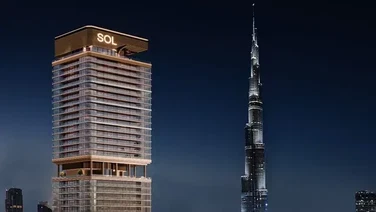
Sol Luxe Tower
AED 1,900,000
Sheikh Zayed Road
1, 2 & 3
Apartments
Commercial
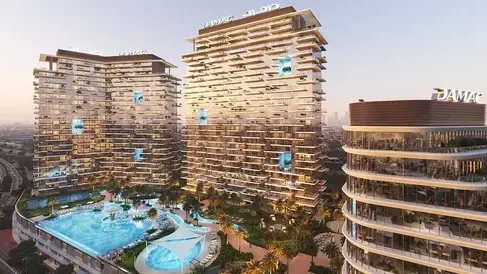
DAMAC District
AED 1,142,000
Damac hills
1 & 2
740 - 6588 Sq Ft
Apartments
Duplexes
Rabdan Avenue
AED 1,300,000
Meydan
1, 2 & 3
687 - 2937 Sq Ft
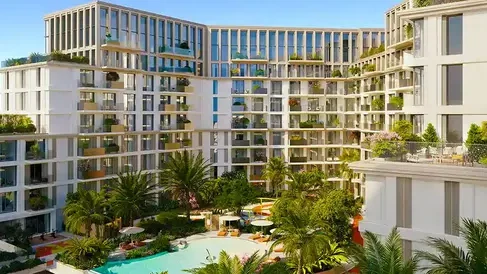
Apartments
Duplexes
Modo at Avenew 888
AED Price on Request
Dubai South
1, 2 & 3
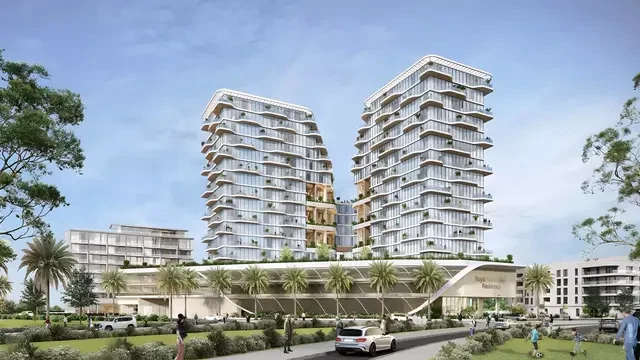
Apartments
Duplexes
Royal Yacht Club Residence by Azimuth Development
AED Price on Request
Dubai Islands
1, 2, 3 & 4
720 - 3909 Sq Ft
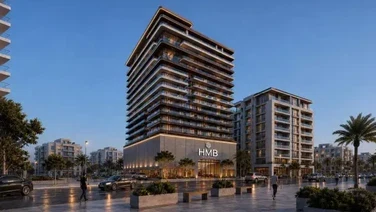
Apartments
Studios
Duplexes
Beverly Crown by HMB Homes
AED 680,000
Jumeirah Village Circle
Studio, 1 & 2
438 - 2321 Sq Ft
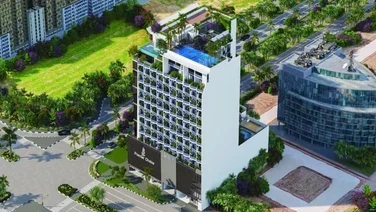
Apartments
Duplexes
Gateway Residences by Premier Choice
AED 1,164,000
Jumeirah Village Circle
1, 2 & 3
748 - 2352 Sq Ft
Apartments
Villas
Penthouses
Duplexes
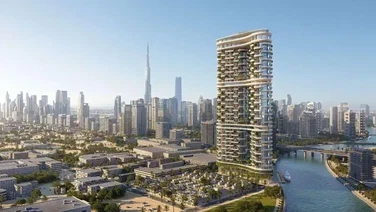
Amali Residences
AED 14,500,000
Dubai Water Canal
2, 3, 4, 5 & 6
2880 - 21000 Sq Ft
Apartments
Penthouses
Mansions
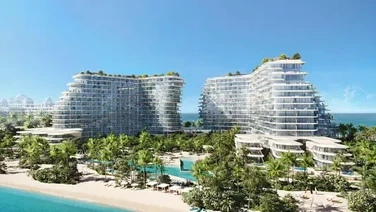
Bella by Passo
AED Price on Request
Palm Jumeirah
1, 2, 3, 4, 5 & 6
1541 - 12382 Sq Ft
Villas
Mansions
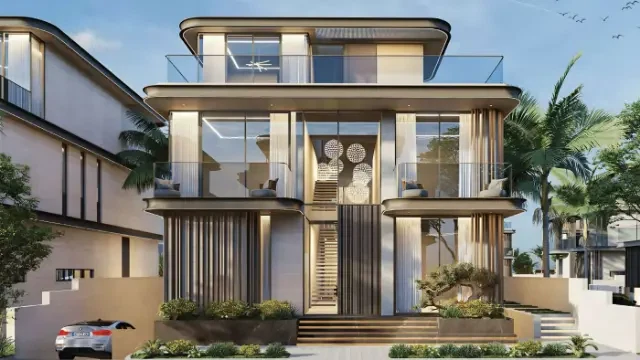
Wellington Grand Villas
AED 20,000,000
Mohammed bin Rashid City
5 & 6
13,007 - 13,568 Sq Ft
Apartments
Penthouses
Mansions
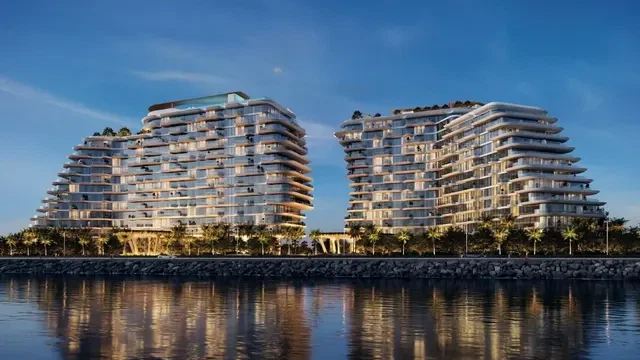
Passo by Beyond
AED 5,500,000
Palm Jumeirah
1, 2, 3, 4, 5 & 6
940 - 11830 Sq Ft
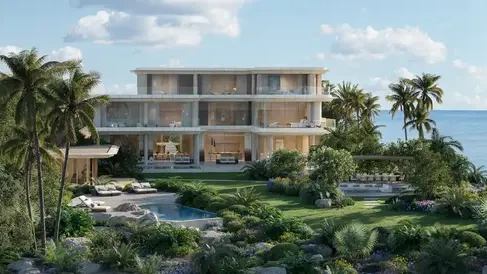
Mansions
Asora Bay Ocean Mansions by Meraas
AED 65,000,000
Jumeirah
7
41550 - 49062 Sq Ft
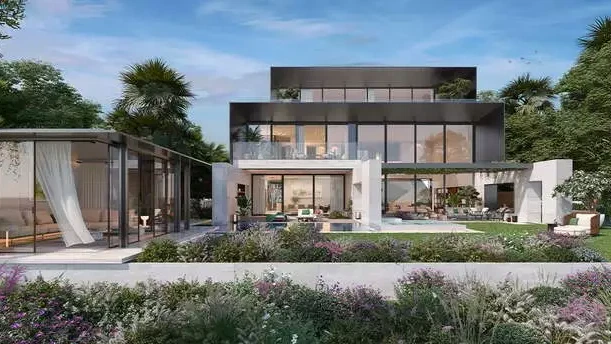
Mansions
Majid Al Futtaim Bo Monde
AED Price on Request
Tilal Al Ghaf
6 & 7
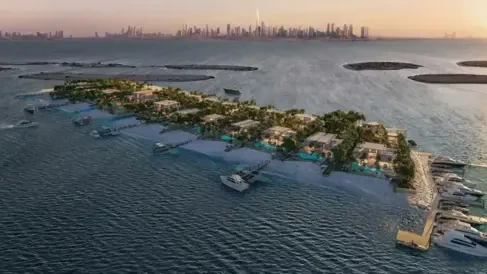
Mansions
Maldives at Damac Islands
AED Price on Request
Damac Islands
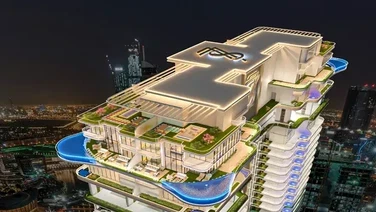
Apartments
Penthouses
77S Tower
AED Price on Request
Business Bay
1, 2, 3, 4 & 5
876 - 6500 Sq Ft
Apartments
Villas
Penthouses
Duplexes
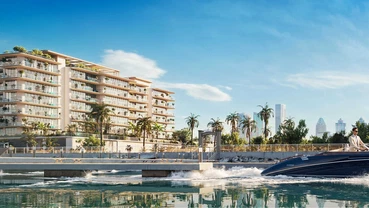
Amali Residences
AED 14,500,000
Dubai Water Canal
2, 3, 4, 5 & 6
2880 - 21000 Sq Ft
Apartments
Penthouses
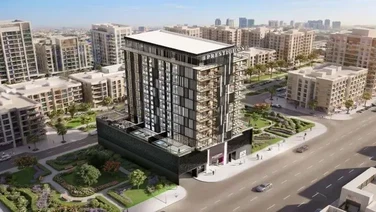
Le Chateau Pietrus by Mr. Eight
AED 3,900,000
Dubai Islands
2, 3 & 4
1017 - 7008 Sq Ft
Apartments
Penthouses
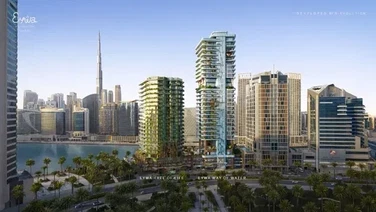
Fauchon Residences by Prestige One Developments
AED Price on Request
Jumeirah Garden City
Studio, 1 & 2
1026 - 2255 Sq Ft
Apartments
Penthouses
Duplexes
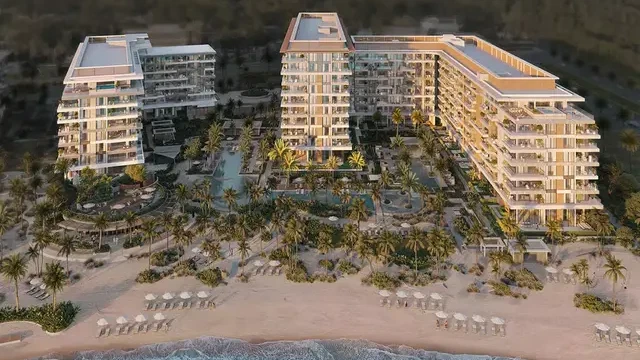
Eywa Way of Water by R.Evolution
AED 9,000,000
Business Bay
2, 3, 4 & 5
2154 - 22900 Sq Ft
Apartments
Penthouses
Duplexes
Ellington Sands 2
AED Price on Request
Dubai Islands
1, 2, 3 & 4
800 - 5964 Sq Ft
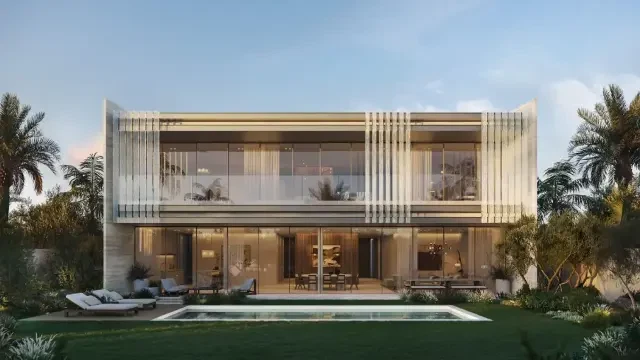
Apartments
Studios
Treppan Vision by Fakhruddin
AED Price on Request
Dubai Land Residence Complex
Studio, 1 & 2
453 - 7509 Sq Ft
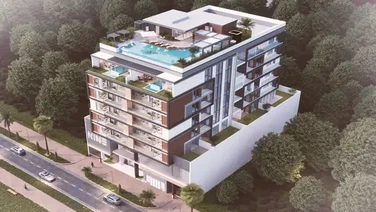
Apartments
Studios
One by Nine
AED Price on Request
Nad Al Sheba
Studio, 1 & 2
563 - 1069 Sq Ft
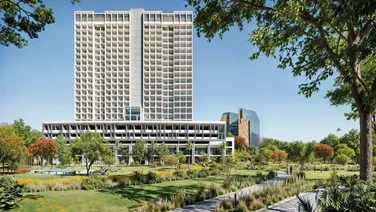
Apartments
Studios
11 Hills Park by TownX
AED 675,000
Dubai Science Park
Studio & 1
474 - 831 Sq Ft
Apartments
Studios
Kore by Imtiaz
AED Price on Request
Dubai Land Residence Complex
Studio, 1, 2 & 3
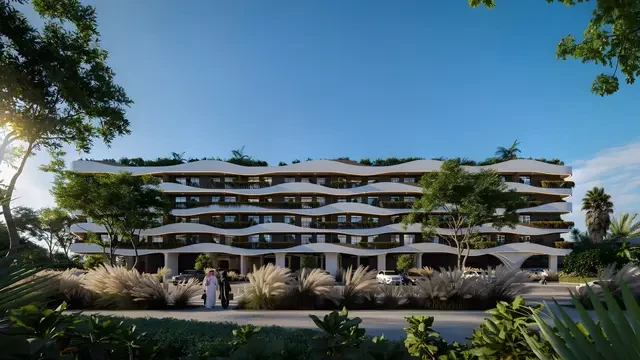
Apartments
Studios
Oasis Residences by Al Helal Al Zahaby
AED 590,000
Dubai South
Studio, 1, 2 & 3
427 - 1992 Sq Ft
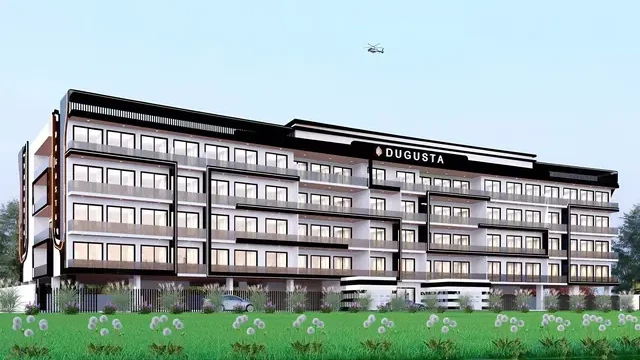
Apartments
Studios
Astra Residences by Dugasta Properties
AED Price on Request
Dubai South
Studio, 1 & 2
349 - 1792 Sq Ft
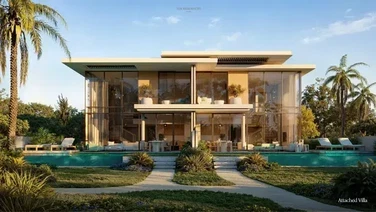
Villas
Townhouses
Bay Estate by Nakheel
AED 5,900,000
Dubai Islands
3 & 4
3054 - 11059 Sq Ft
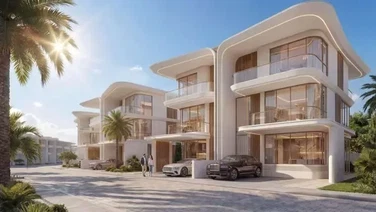
Villas
Townhouses
Greenz by Danube
AED 3,500,000
Academic City
3, 4 & 5
2400 - 3950 Sq Ft
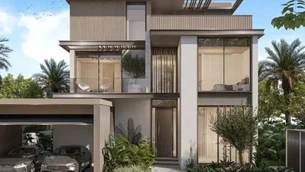
Villas
Townhouses
Meraas Nad Al Sheba Gardens 12
AED Price on Request
Nad Al Sheba
Apartments
Townhouses
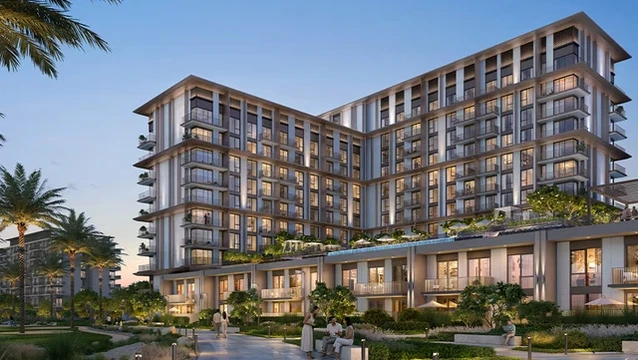
EMAAR Golf Trails
AED 1,250,000
Emaar South
1, 2 & 3
719 - 2603 Sq Ft
Townhouses
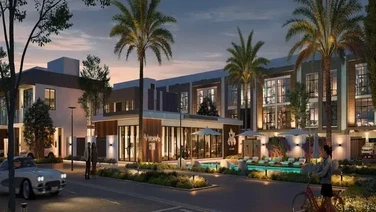
Verdana 9 Townhouses by Reportage
AED Price on Request
Dubai Investments Park
2, 3 & 4
Townhouses
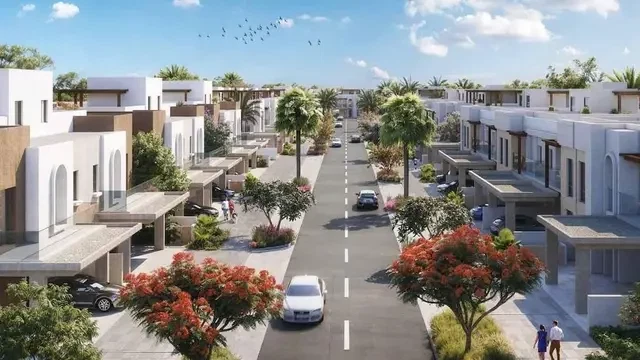
Hayat 1 by Dubai South Properties
AED Price on Request
Dubai South
Villas
Townhouses
Bay Estate by Nakheel
AED 5,900,000
Dubai Islands
3 & 4
3054 - 11059 Sq Ft
Villas
Townhouses
Greenz by Danube
AED 3,500,000
Academic City
3, 4 & 5
2400 - 3950 Sq Ft
Apartments
Villas
Penthouses
Duplexes
Amali Residences
AED 14,500,000
Dubai Water Canal
2, 3, 4, 5 & 6
2880 - 21000 Sq Ft
Villas
Townhouses
Meraas Nad Al Sheba Gardens 12
AED Price on Request
Nad Al Sheba
Apartments
Villas
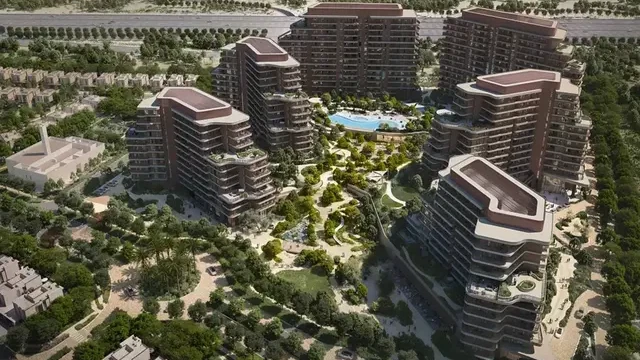
The Wilds 3 by Aldar
AED Price on Request
Dubailand
Villas
Lunaya by Zaya
AED 4,900,000
Jebel Ali
4 & 5
2966 - 8231 Sq Ft