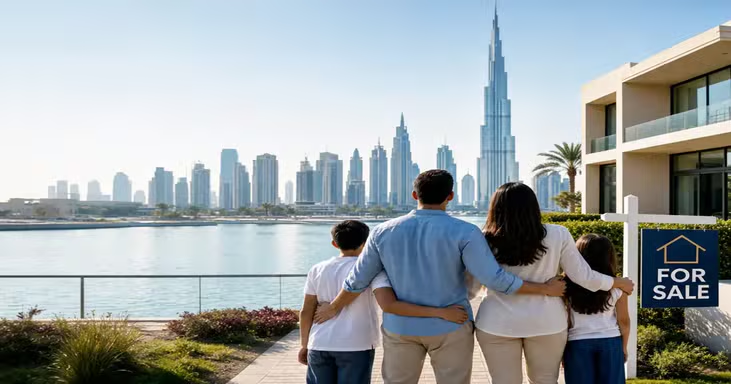
Selling Your Dubai Property: What Happens to Your Family Visa?
Published :
Last Updated :
- How Family Visas Are Linked to Your Property
- The Correct Order: Cancel Family Visas Before Your Own
- What Happens to the 2-Year Property Investor Visa When You Sell
- What Happens to the 10-Year Golden Visa When You Sell
- How to Keep Your Family's Visas Valid When Selling
- Closing In
A property-linked residence visa in Dubai does more than let you live here. It also establishes the legal status of your family in the country. If you are a resident as a property owner, all dependents who are sponsored under the visa are indirectly associated with the same title deed. There are consequences for your spouse, children, and any other relatives you sponsor for visas when you sell the property.
Owners often find out about this when they've already had a sale in motion, making it a hectic rush for new sponsorship. This guide explains the two most common types of property visas, the sequence in which visas are cancelled and what you need to do to secure your family's visa.
How Family Visas Are Linked to Your Property
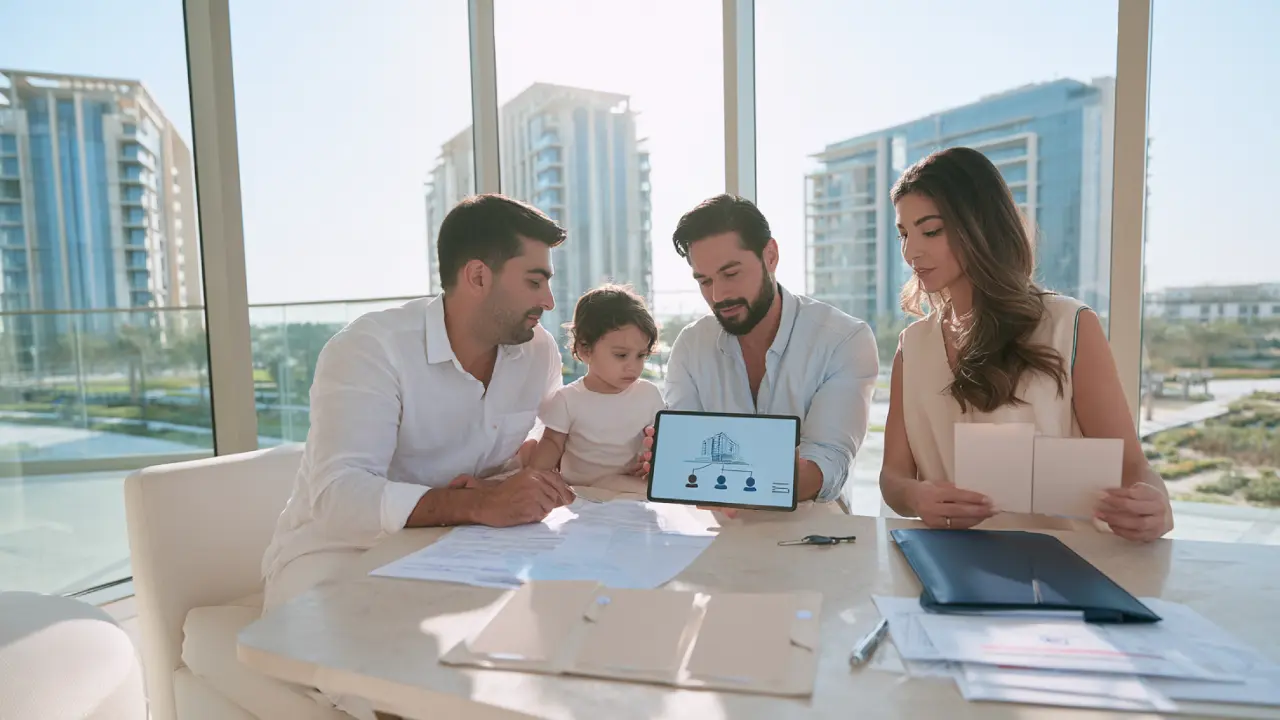
A family visa is sponsored by the main visa holder, not held independently. If the holder's residency is tied to owning property, the legal status of the family is derived from that as well. Dubai Land Department and immigration authorities have connected systems, so once a property is sold, it is quickly visible to both departments.
This means you typically cannot finalise a sale while your investor visa, and the family visas under it, remain active without a plan in place. When you understand this early on, before you actually have a deal in place, you'll have time to plan the transition accordingly.
Which Visa Do You Have? Investor Visa vs Golden Visa
The table below outlines the key differences between the two main property-linked visa types.
| Feature | 2-Year Property Investor Visa | 10-Year Golden Visa |
|---|---|---|
| Minimum property value | No minimum for sole owners (as of May 2026) | AED 2,000,000 |
| Effect of selling | Visa is cancelled on title transfer | Not automatically cancelled, but must be regularised |
| 180-day absence rule | Applies | Exempt |
| Family sponsorship | Allowed | Allowed |
The Correct Order: Cancel Family Visas Before Your Own
Dependents' visas must be cancelled, or placed on hold, before the sponsor's own residence is cancelled. This sequence is facilitated by a typing centre or government app (GDRFA) and will prevent the family from ending up in a situation where there is no valid status in the middle of the transaction.
The process is kept orderly by the family's visa approval first, even temporarily, and avoids the complications if the sponsor's visa is cancelled. One of the common reasons for a longer transition is skipping the order, or trying to cancel both orders at once.
What Happens to the 2-Year Property Investor Visa When You Sell
When a Dubai property investor sells the property and ownership is transferred to the new owner through the Dubai Land Department, the investor may no longer meet the property-ownership condition underlying the two-year property investor residence visa.
The visa's cancellation should be confirmed through GDRFA Dubai/AMER rather than assuming that it is automatically cancelled at the moment of title-deed transfer. If the residence is cancelled or expires, the current GDRFA Dubai guidance provides a 60-day grace period to remain in the UAE and regularise status. Dependent visas linked to the investor's sponsorship are also affected by cancellation of the sponsor's residence and should be dealt with accordingly.
What Happens to the 10-Year Golden Visa When You Sell

Selling a property that was used to obtain a Dubai real-estate Golden Visa can affect the holder’s continued eligibility because the Golden Residence is based on maintaining a qualifying real-estate investment. The Golden Visa will not be automatically revoked if a qualifying property is sold, but rather, the legal basis on which it is based will be eliminated. It's a problem that will come up the next time you deal with immigration officials, usually at renewal.
In general, the investor must reinvest in a qualifying property with an investment amount of AED 2,000,000 or higher within the period of time to maintain continuity. A mortgaged property can qualify for the real-estate Golden Visa route. Dubai Land Department requires a bank NOC showing the amount already paid and the outstanding balance, while GDRFA also expressly permits mortgaged property under this category. The qualifying property or properties must meet the applicable AED 2 million threshold.
Grace Periods: How Long Do You Have?
| Visa Type | Grace Period |
|---|---|
| 2-year property investor visa | 90 days |
| Golden Visa (property-based) | 180 days |
The grace periods granted upon residency cancellation vary distinctly by visa tier under current UAE regulations. Property investors with the standard 2-year property investor visa are legally granted a 90-day grace period to regularise their residency or leave the country.
Those who obtained the 10-year property Golden Visa are given a 180-day grace period. The windows officially start on the same day that the cancellation form is submitted to the immigration department, allowing investors to move over to new permits or invest in another project.
Overstay Fines If You Miss the Grace Period
Following the expiration of a grace period without a change of status or departure, the daily fines start to apply, both for the main benefit-holder and for each sponsored dependent. The rate is a flat AED 50 per day, and this type of fine can add up so fast for a family, so it is better to confirm early on.
How to Keep Your Family's Visas Valid When Selling
The best way to keep your family's visas safe when selling is to purchase and register a new property that meets the requirements before the current property transfers. Let's consider an investor who owns a Golden Visa property worth AED 2.2 million and wants to upgrade to a bigger one.
Instead of selling first, they look for and register a new property of AED 2.5 million, and purchase the new property while they retain ownership of the original one. Once they have received confirmation from DLD of the new title deed, they go ahead and sell the original property. This is a sequential approach which guarantees that the legal basis of the visa does not expire and the family's sponsored visas are not affected during the entire process.
If the investors do not have an acceptable replacement property in mind, they can instead invest the proceeds from the sale immediately into a new qualifying investment property or choose an alternative basis for the property (such as through work or an independent source) before the sale closes, and thus not leave the family dependent on a property-based visa.
Common Mistakes Property Owners Make
Several avoidable mistakes come up repeatedly among property owners selling a visa-linked asset.
- One of the most common is the sale without confirmation of the hold status for the dependent, leaving a family member in midpoint during the transaction.
- Assuming a spouse's separate property protects a family visa it does not actually sponsor is another frequent error, since sponsorship depends on whose name backs the visa, not who owns which asset.
- The 180 day absence rule expires at any point during a transition period, because the investor visa is still governed by that rule while the investor is in a transition period in which a sale and replacement purchase are taking place.
- Believing that an agreement between you and a developer or agent, whether oral or informal, is binding to immigration officials. Only the registered title deed and official DLD records are accepted.
- Waiting till the grace period has passed, almost to the end, in order to begin the process of getting a replacement visa.
Closing In
A property-based visa is a visa that covers the family members for the same duration as the property basis holds. The three steps preventing a transaction from becoming a visa problem are confirming your visa type, following the proper visa cancellation sequence, and sequencing your transaction around the replacement property.
Before you sell, it is best to confirm the grace period and fine directly with GDRFA or ICP, as this will eliminate most of the uncertainty and is a much quicker process than dealing with a family's status after the grace period has expired.
FAQs
Does selling my property cancel my family's visas immediately?
Not necessarily. Dependents' visas should be cancelled or placed on hold before the sponsor's own visa, following the correct sequence rather than an automatic simultaneous cancellation.
How long is the grace period after a Dubai investor visa is cancelled?
For the two-year property investor visa, sixty days is the official grace period. For Golden Visa holders, the window reaches 180 days.
Can I keep my Golden Visa if I sell my qualifying property?
Not all at once, but a sale for sure doesn't remove this immediately. To maintain continuity, it is usually necessary to invest in a qualifying property to renew.
What happens if my spouse owns the property but I sponsor the family?
The family's visa status depends on whose residency sponsors it, not on which spouse holds the title deed, so the sponsor's own visa basis is what matters.
Can I avoid cancellation by buying a new property first?
Yes, the legal basis for your visa will remain continuous if you register a new qualifying property before selling the original property.



Your gateway to offline planning in the digital realm. Discover a world of real estate opportunities through our immersive offline property website experience
Apartments
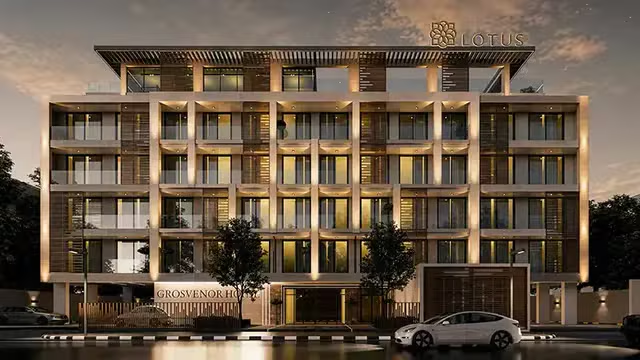
Grosvenor House by Lotus Living
AED Price on Request
Dubai South
1 & 2
627 - 1251 Sq Ft
Apartments
Studios
The WOW Tower by Mr. Eight
AED 700,000
Dubai Land Residence Complex
Studio, 1 & 2
377 - 1461 Sq Ft
Apartments
Sawa Residences by QUBE Development
AED 1,100,000
Mohammed bin Rashid City
1, 2 & 3
390 - 1254 Sq Ft
Apartments
Studios
Native Haus
AED 699,999
Jumeirah Village Triangle
Studio, 1 & 2
403 - 1035 Sq Ft
Apartments
Studios
Sorrento Lagoon Views by DAMAC
AED 689,000
Damac Lagoons
Studio & 1
Apartments
Studios
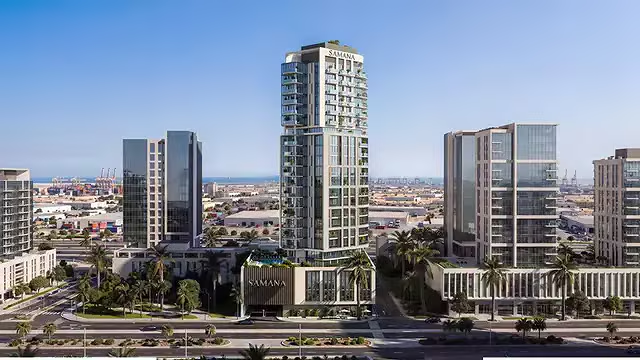
Samana Downtown One
AED 689,000
Jebel Ali
Studio, 1 & 2
Apartments
Grosvenor House by Lotus Living
AED Price on Request
Dubai South
1 & 2
627 - 1251 Sq Ft
Apartments
Studios
The WOW Tower by Mr. Eight
AED 700,000
Dubai Land Residence Complex
Studio, 1 & 2
377 - 1461 Sq Ft
Apartments
Sawa Residences by QUBE Development
AED 1,100,000
Mohammed bin Rashid City
1, 2 & 3
390 - 1254 Sq Ft
Apartments
Studios
Native Haus
AED 699,999
Jumeirah Village Triangle
Studio, 1 & 2
403 - 1035 Sq Ft
Apartments
Studios
Sorrento Lagoon Views by DAMAC
AED 689,000
Damac Lagoons
Studio & 1
Apartments
Object 1 Lum1nar Towers
AED Price on Request
Jumeirah Village Triangle
Studio, 1, 2 & 3
355 - 1983 Sq Ft
Commercial
O1NE District Dawn by Avenew
AED Price on Request
Motor City
Commercial
Piazza Roma by DAMAC
AED Price on Request
Damac Lagoons
Commercial
Burj Capital Phase 3 by Centurion Properties
AED Price on Request
Business Bay
Apartments
Commercial
Penthouses
The Symphony by Imtiaz
AED 2,000,000
Meydan
1, 2 & 3
640 - 4244
Apartments
Commercial
Sol Luxe Tower
AED 1,900,000
Sheikh Zayed Road
1, 2 & 3
Apartments
Commercial
DAMAC District
AED 1,142,000
Damac hills
1 & 2
740 - 6588 Sq Ft
Apartments
Duplexes
Rabdan Avenue
AED 1,300,000
Meydan
1, 2 & 3
687 - 2937 Sq Ft
Apartments
Duplexes
Modo at Avenew 888
AED Price on Request
Dubai South
1, 2 & 3
Apartments
Duplexes
Royal Yacht Club Residence by Azimuth Development
AED Price on Request
Dubai Islands
1, 2, 3 & 4
720 - 3909 Sq Ft
Apartments
Studios
Duplexes
Beverly Crown by HMB Homes
AED 680,000
Jumeirah Village Circle
Studio, 1 & 2
438 - 2321 Sq Ft
Apartments
Duplexes
Gateway Residences by Premier Choice
AED 1,164,000
Jumeirah Village Circle
1, 2 & 3
748 - 2352 Sq Ft
Apartments
Villas
Penthouses
Duplexes
Amali Residences
AED 14,500,000
Dubai Water Canal
2, 3, 4, 5 & 6
2880 - 21000 Sq Ft
Apartments
Penthouses
Mansions
Bella by Passo
AED Price on Request
Palm Jumeirah
1, 2, 3, 4, 5 & 6
1541 - 12382 Sq Ft
Villas
Mansions
Wellington Grand Villas
AED 20,000,000
Mohammed bin Rashid City
5 & 6
13,007 - 13,568 Sq Ft
Apartments
Penthouses
Mansions
Passo by Beyond
AED 5,500,000
Palm Jumeirah
1, 2, 3, 4, 5 & 6
940 - 11830 Sq Ft
Mansions
Asora Bay Ocean Mansions by Meraas
AED 65,000,000
Jumeirah
7
41550 - 49062 Sq Ft
Mansions
Majid Al Futtaim Bo Monde
AED Price on Request
Tilal Al Ghaf
6 & 7
Mansions
Maldives at Damac Islands
AED Price on Request
Damac Islands
Apartments
Penthouses
Solaya 5 and 7 by Meraas
AED Price on Request
Jumeirah
2, 3, 4 & 5
Apartments
Penthouses
The Bay Interiors by Missoni
AED 2,750,000
Dubai Islands
2, 3 & 4
1007 - 3542 Sq Ft
Apartments
Penthouses
77S Tower
AED Price on Request
Business Bay
1, 2, 3, 4 & 5
876 - 6500 Sq Ft
Apartments
Villas
Penthouses
Duplexes
Amali Residences
AED 14,500,000
Dubai Water Canal
2, 3, 4, 5 & 6
2880 - 21000 Sq Ft
Apartments
Penthouses
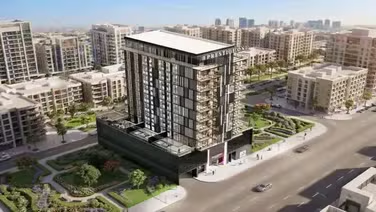
Le Chateau Pietrus by Mr. Eight
AED 3,900,000
Dubai Islands
2, 3 & 4
1017 - 7008 Sq Ft
Apartments
Penthouses
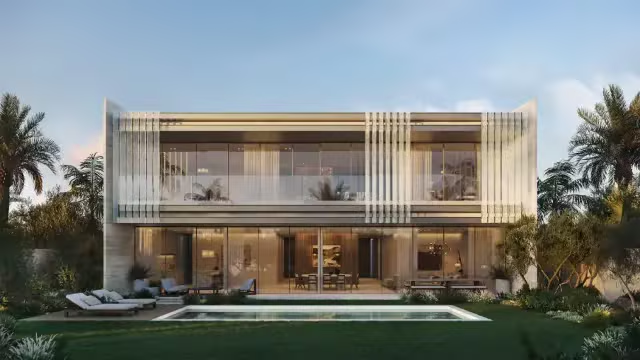
Fauchon Residences by Prestige One Developments
AED Price on Request
Jumeirah Garden City
Studio, 1 & 2
1026 - 2255 Sq Ft
Apartments
Studios
The WOW Tower by Mr. Eight
AED 700,000
Dubai Land Residence Complex
Studio, 1 & 2
377 - 1461 Sq Ft
Apartments
Studios
Native Haus
AED 699,999
Jumeirah Village Triangle
Studio, 1 & 2
403 - 1035 Sq Ft
Apartments
Studios
Sorrento Lagoon Views by DAMAC
AED 689,000
Damac Lagoons
Studio & 1
Apartments
Studios
Samana Downtown One
AED 689,000
Jebel Ali
Studio, 1 & 2
Apartments
Studios
Valore by SRG
AED 699,000
Jumeirah Village Circle
Studio, 1, 2 & 3
470 - 1805 Sq Ft
Apartments
Studios
Fala by Kasco
AED Price on Request
Al Jaddaf
Studio, 1, 2 & 3
Villas
Townhouses
Bay Estate by Nakheel
AED 5,900,000
Dubai Islands
3 & 4
3054 - 11059 Sq Ft
Villas
Townhouses
Greenz by Danube
AED 3,500,000
Academic City
3, 4 & 5
2400 - 3950 Sq Ft
Villas
Townhouses
Meraas Nad Al Sheba Gardens 12
AED Price on Request
Nad Al Sheba
Apartments
Townhouses
EMAAR Golf Trails
AED 1,250,000
Emaar South
1, 2 & 3
719 - 2603 Sq Ft
Townhouses
Verdana 9 Townhouses by Reportage
AED Price on Request
Dubai Investments Park
2, 3 & 4
Townhouses
Hayat 7 by Dubai South Properties
AED Price on Request
Dubai South
Villas
Townhouses
Bay Estate by Nakheel
AED 5,900,000
Dubai Islands
3 & 4
3054 - 11059 Sq Ft
Villas
Townhouses
Greenz by Danube
AED 3,500,000
Academic City
3, 4 & 5
2400 - 3950 Sq Ft
Apartments
Villas
Penthouses
Duplexes
Amali Residences
AED 14,500,000
Dubai Water Canal
2, 3, 4, 5 & 6
2880 - 21000 Sq Ft
Villas
Townhouses
Meraas Nad Al Sheba Gardens 12
AED Price on Request
Nad Al Sheba
Apartments
Villas
The Wilds 3 by Aldar
AED Price on Request
Dubailand
Villas
Fleur de Jardin Villas by AMIS
AED Price on Request
Mohammed bin Rashid City
5 & 6