
Property Inheritance in the UAE: Laws, Rules & Procedures Explained
Published :
Last Updated :
- UAE Property Inheritance at a Glance
- How Heirs Transfer a Property Through the DLD
- Closing In
Property inheritance in the UAE is dependent on religion, nationality and the validity of the will. If there is no plan in place in 2026, a Dubai property can be held in limbo during the approval process by the heirs. Often expats believe that the rules governing their home country are valid in Dubai without needing to change to the UAE.
However, it's up to UAE courts and the Dubai Land Department to determine who gets your local property. This guide will provide you with the UAE rules, your will options and the transfer process. It also includes a list of documents heirs must obtain and some of the tips that owners should adopt. It offers a general overview and should not be used in place of legal advice.
UAE Property Inheritance at a Glance

The table below outlines some of the more typical scenarios for property owners. Prior to action, always verify your own position with a licensed UAE lawyer.
| Situation | Default Rule | Action to Consider |
|---|---|---|
| Muslim owner | Sharia succession rules apply | Confirm family shares with a lawyer |
| Non-Muslim, no will | Court applies default rules | Register a will |
| Non-Muslim, valid will | Registered will guides distribution | Keep it current |
| Joint owners | Title deed records each share | Review ownership terms |
If you want to have the most control over who receives your property, you should make a registered will.
How Sharia Inheritance Rules Work for Muslim Owners
UAE inheritance law will apply the Sharia rules on inheritance and family shares for Muslim residents. Fixed percentages are provided for close relatives, including spouse, children or parents.
This is referred to as forced heirship and will have an impact on how your estate is distributed. It caps the amount of the estate that you can give away freely, which may mean that you are not able to give everything to one person.
A will still plays some part, but it's within this structure. Have an attorney confirm the percentage ownership held by your family. The first step in the process is for the courts to determine who is entitled to a share of the estate and to work out what they are entitled to receive.
What Happens to Non-Muslim Expat Owners?
Since 2022, the UAE's civil personal status law gives some flexibility to non-Muslim expats. Usually, you will have the option to make your estate go in accordance with your will, or as per your home country's law.
If a person dies without a will, the court determines the distribution of his/her property. This can be a long process and can cost your family stress, time and money.
There are additional steps for families with minor children, as a court may need to appoint a guardian. With the registered will, you can select that person, instead of it being left to chance. Early registration will allow you to fix any mistakes before they impact your loved ones.
Your nationality may also be relevant, as some countries may have succession laws that apply to assets held in other countries. A lawyer can clarify the interaction of those rules with a registered UAE will.
Wills in the UAE: Your Registration Options
A will is of no benefit unless it's registered by the appropriate officer. The UAE provides three routes to register for non-Muslims.
| Route | Who It Suits | Key Point |
|---|---|---|
| DIFC Wills Service Centre | Non-Muslims with UAE assets | Dedicated service for wills |
| Dubai Courts | Non-Muslim residents of Dubai | Civil wills registration |
| Abu Dhabi Civil Family Court | Abu Dhabi residents | Local civil family court |
Conditions and charges vary, so do not assume they will be the same as they are now. In either case, designate an executor and guardian for minor children. Include clearly stated details of your UAE properties in the will, including any off-plan properties that you currently own.
After marriage, divorce, birth of a child or when buying a property, review your will. Your UAE will should only reference your UAE assets, or make it very clear how it applies to other wills created. The wills sometimes have conflicts, leading to disagreements amongst the beneficiaries and delays to the process.
How Heirs Transfer a Property Through the DLD
Before the court and Dubai Land Department have completed their procedures, heirs are not allowed to sell or give it to someone else. The following steps are the most typical order, but may not apply to every situation.
- Step 1: Get the official death certificate and register the death.
- Step 2: Get the court order or will approval listing the heirs and their shares.
- Step 3:Submit ownership registration request to the Dubai Land Department.
- Step 4: Pay off or refinance any mortgage, if any.
- Step 5: Pay the required fees and get the new title deed.
Timelines will vary based on the court, number of heirs and paperwork. Families' most frequent delay is due to missing documents. Once registered, heirs may sell their shares. A buyer will expect to acquire a clear title and a settled mortgage.
Maintain copies of all documents that are submitted to each office. Often there are multiple offices involved, and the spares prevent the need to travel twice.
Documents Heirs Usually Need
To avoid any delays at the court and the Dubai Land Department, it is important to have all the following papers together and ready to go.
| Document | Why It Matters |
|---|---|
| Death certificate | Proves the owner has died |
| Passports and Emirates IDs | Confirms the identity of each heir |
| Title deed or Oqood details | Identifies the property |
| Will or court inheritance certificate | Names the heirs and their shares |
| Power of attorney | Lets a representative act for heirs |
| Mortgage statement | Shows the outstanding balance |
Foreign documents are frequently required to be attested and translated into Arabic for the authorities to accept. Do this early, as it can take extra time to get attestation. Heirs need to ensure that they have proof of marriage and birth certificates. These records are used by authorities to determine who is eligible as an heir according to the specified rules.
Off-Plan and Mortgaged Properties
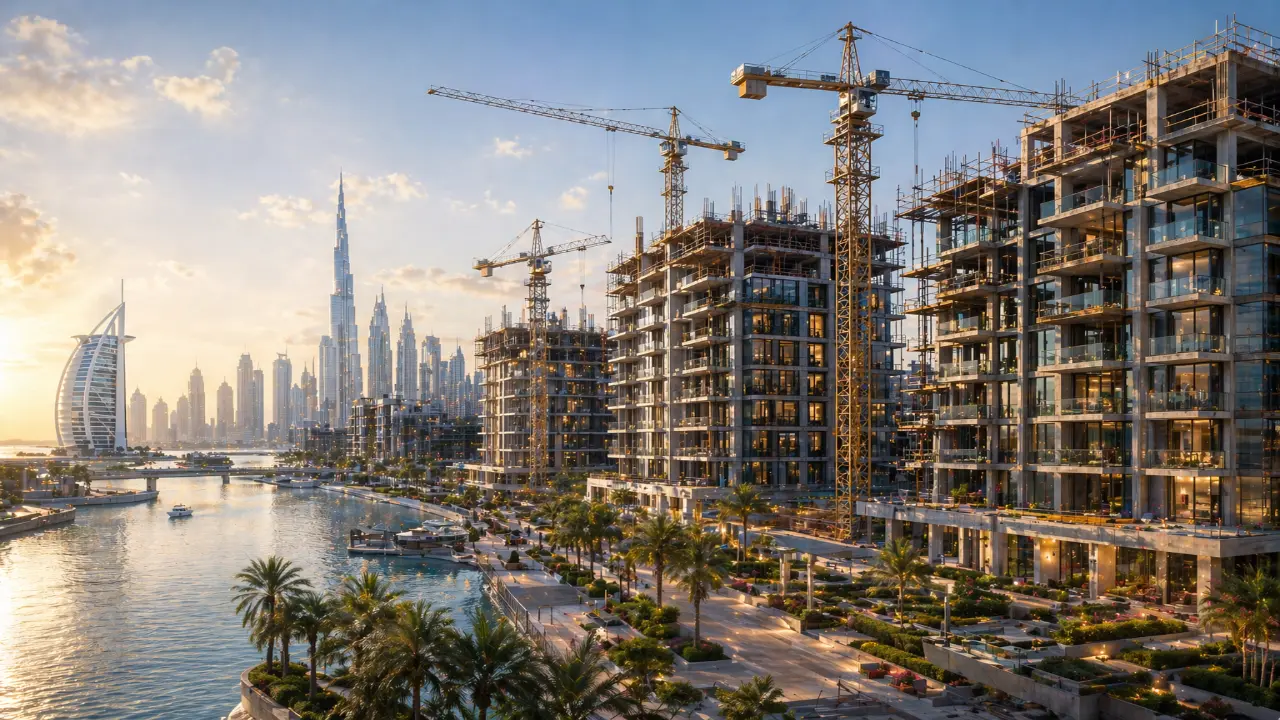
A sales contract may contain provisions regarding transfer to heirs, so off-plan purchasers should review their contract. Check with the developer in the early stages to ensure that all the necessary documents and processes are agreed upon.
When the owner of the mortgage dies, the mortgage doesn't go away, and the bank still expects payment. Generally, UAE mortgages will require life insurance, and the policy may pay off the mortgage.
It's also important that joint owners verify how each share is recorded on the title deed to the property, as it will impact the estate. The rental income produced by an inherited property should also be taken care of by the inheritors. Heirs need to verify who receives the rent and then update the tenancy contract and Ejari after the registration process.
Common Mistakes Property Owners Make
- Assuming that your will from your home country will be valid in the UAE.
- Never registering a will, which leaves the court to decide for you.
- Leaving guardianship in your will for your minor children.
- Not including shared or off-plan properties when listing your assets.
- Not updating your will after marriage, divorce or the purchase of a new home.
Practical Steps to Protect Your Family Today
- There are a few things you can do to minimise risk.
- First, create a list of all your assets in the UAE.
- Create a single comprehensive document for all UAE investments, bank accounts and properties.
- Make a will with the proper institution and keep a copy in a secure location.
- Inform your executor and family where the documents are kept.
- Check your home loan and insurance policy to keep your family's payments affordable.
These steps are quick, but can save your family months of uncertainty, stress and unnecessary legal expenses.
Closing In
The rights of inheritance to property in the UAE are dependent on your religion, nationality and will. Muslim owners adhere to Sharia shares, and non-Muslim expats can plan more freely with a registered will.
Your family is protected by a registered will, and it saves time in court and prevents property from languishing in limbo. Review it when there is some change in your family or property portfolio.
FAQs
Does Sharia law apply to expat property owners in the UAE?
If the owner is Muslim, the rules of Sharia apply, with fixed shares given to close family members. In most instances, non-Muslim expats are able to follow a registered will or their home country's will rules, as per the authority and the case.
Can a non-Muslim leave a Dubai property to anyone in a will?
Yes, in most cases, if the will is a valid one and registered with the appropriate authority. The limits need to be confirmed by a licensed UAE lawyer prior to finalisation.
How long does it take heirs to transfer an inherited property?
The duration of time will depend on the court, number of heirs, and availability of documents. A registered will and full documents typically can streamline the process.
What happens to a Dubai property if the owner dies without a will?
The approval of the court is required to determine the disposition of the estate according to the owner's religion and the associated law. This can restrict your family from being able to move in and receive the rental income from their home.
Can heirs sell an inherited property in Dubai?
Yes, once heirs register it and pay any outstanding mortgage on the unit. With a clear title deed, they can put the property on the market for sale.




Your gateway to offline planning in the digital realm. Discover a world of real estate opportunities through our immersive offline property website experience
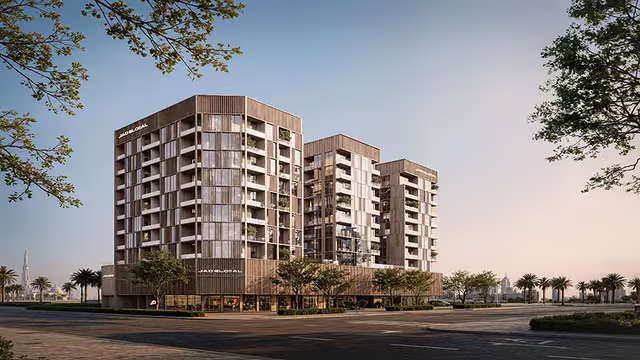
Apartments
Studios
JAD 288
AED 900,288
Jumeirah Garden City
Studio, 1 & 2
397 - 1159 Sq Ft
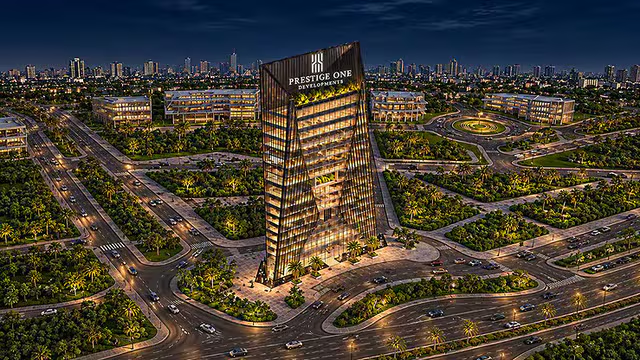
Commercial
Vista Hub by Prestige One
AED 2,500,000
Majan
794 - 2434 Sq Ft
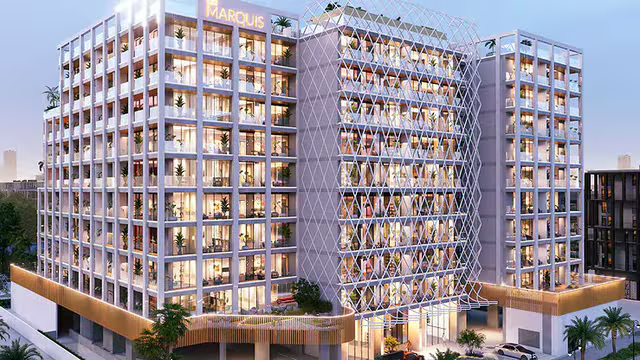
Apartments
Studios
Marquis Aura
AED 660,000
Dubai South
Studio, 1, 2 & 2
431 - 2500 Sq Ft
Villas
HAYAT 8 by Dubai South Properties
AED 6,500,000
Dubai South
4, 5 & 6
4842 - 6305 Sq Ft
Apartments
Duplexes
Shione by Beyond
AED 2,700,000
Dubai Islands
1, 2, 3 & 4

Commercial
The Vault by Imtiaz
AED 1,340,000
Majan
Apartments
Studios
JAD 288
AED 900,288
Jumeirah Garden City
Studio, 1 & 2
397 - 1159 Sq Ft
Apartments
Studios
Marquis Aura
AED 660,000
Dubai South
Studio, 1, 2 & 2
431 - 2500 Sq Ft
Apartments
Duplexes
Shione by Beyond
AED 2,700,000
Dubai Islands
1, 2, 3 & 4
Apartments
Lyra by Majid Al Futtaim
AED 1,190,000
Ghaf Woods
1 & 2
638 - 1325 Sq Ft
Apartments
Grosvenor House by Lotus Living
AED Price on Request
Dubai South
1 & 2
627 - 1251 Sq Ft
Apartments
Studios
The WOW Tower by Mr. Eight
AED 700,000
Dubai Land Residence Complex
Studio, 1 & 2
377 - 1461 Sq Ft
Commercial
Vista Hub by Prestige One
AED 2,500,000
Majan
794 - 2434 Sq Ft
Commercial
The Vault by Imtiaz
AED 1,340,000
Majan

Commercial
O1NE District Dawn by Avenew
AED Price on Request
Motor City
Commercial
Piazza Roma by DAMAC
AED Price on Request
Damac Lagoons

Commercial
Burj Capital Phase 3 by Centurion Properties
AED Price on Request
Business Bay
Apartments
Commercial
Penthouses
The Symphony by Imtiaz
AED 2,000,000
Meydan
1, 2 & 3
640 - 4244
Apartments
Duplexes
Shione by Beyond
AED 2,700,000
Dubai Islands
1, 2, 3 & 4
Apartments
Duplexes
Rabdan Avenue
AED 1,300,000
Meydan
1, 2 & 3
687 - 2937 Sq Ft
Apartments
Duplexes
Modo at Avenew 888
AED Price on Request
Dubai South
1, 2 & 3
Apartments
Duplexes
Royal Yacht Club Residence by Azimuth Development
AED Price on Request
Dubai Islands
1, 2, 3 & 4
720 - 3909 Sq Ft
Apartments
Studios
Duplexes
Beverly Crown by HMB Homes
AED 680,000
Jumeirah Village Circle
Studio, 1 & 2
438 - 2321 Sq Ft
Apartments
Duplexes
Gateway Residences by Premier Choice
AED 1,164,000
Jumeirah Village Circle
1, 2 & 3
748 - 2352 Sq Ft
Apartments
Penthouses
Mansions
Bella by Passo
AED Price on Request
Palm Jumeirah
1, 2, 3, 4, 5 & 6
1541 - 12382 Sq Ft
Villas
Mansions
Wellington Grand Villas
AED 20,000,000
Mohammed bin Rashid City
5 & 6
13,007 - 13,568 Sq Ft
Apartments
Penthouses
Mansions
Passo by Beyond
AED 5,500,000
Palm Jumeirah
1, 2, 3, 4, 5 & 6
940 - 11830 Sq Ft

Mansions
Asora Bay Ocean Mansions by Meraas
AED 65,000,000
Jumeirah
7
41550 - 49062 Sq Ft
Mansions
Majid Al Futtaim Bo Monde
AED Price on Request
Tilal Al Ghaf
6 & 7

Mansions
Maldives at Damac Islands
AED Price on Request
Damac Islands
Apartments
Penthouses
The Bay Interiors by Missoni
AED 2,750,000
Dubai Islands
2, 3 & 4
1007 - 3542 Sq Ft
Apartments
Penthouses
Solaya 5 and 7 by Meraas
AED Price on Request
Jumeirah
2, 3, 4 & 5
Apartments
Penthouses
77S Tower
AED Price on Request
Business Bay
1, 2, 3, 4 & 5
876 - 6500 Sq Ft
Apartments
Villas
Penthouses
Duplexes
Amali Residences
AED 14,500,000
Dubai Water Canal
2, 3, 4, 5 & 6
2880 - 21000 Sq Ft
Apartments
Penthouses
Le Chateau Pietrus by Mr. Eight
AED 3,900,000
Dubai Islands
2, 3 & 4
1017 - 7008 Sq Ft
Apartments
Penthouses
Fauchon Residences by Prestige One Developments
AED Price on Request
Jumeirah Garden City
Studio, 1 & 2
1026 - 2255 Sq Ft
Apartments
Studios
JAD 288
AED 900,288
Jumeirah Garden City
Studio, 1 & 2
397 - 1159 Sq Ft
Apartments
Studios
Marquis Aura
AED 660,000
Dubai South
Studio, 1, 2 & 2
431 - 2500 Sq Ft
Apartments
Studios
The WOW Tower by Mr. Eight
AED 700,000
Dubai Land Residence Complex
Studio, 1 & 2
377 - 1461 Sq Ft

Apartments
Studios
Native Haus
AED 699,999
Jumeirah Village Triangle
Studio, 1 & 2
403 - 1035 Sq Ft
Apartments
Studios
Sorrento Lagoon Views by DAMAC
AED 689,000
Damac Lagoons
Studio & 1
Apartments
Studios
Samana Downtown One
AED 689,000
Jebel Ali
Studio, 1 & 2

Villas
Townhouses
Bay Estate by Nakheel
AED 5,900,000
Dubai Islands
3 & 4
3054 - 11059 Sq Ft
Villas
Townhouses
Greenz by Danube
AED 4,000,000
Academic City
3, 4 & 5
2400 - 3950 Sq Ft
Villas
Townhouses
Meraas Nad Al Sheba Gardens 12
AED Price on Request
Nad Al Sheba
Apartments
Townhouses
EMAAR Golf Trails
AED 1,250,000
Emaar South
1, 2 & 3
719 - 2603 Sq Ft

Townhouses
Verdana 9 Townhouses by Reportage
AED Price on Request
Dubai Investments Park
2, 3 & 4
Townhouses
Hayat 7 by Dubai South Properties
AED Price on Request
Dubai South
Villas
HAYAT 8 by Dubai South Properties
AED 6,500,000
Dubai South
4, 5 & 6
4842 - 6305 Sq Ft
Villas
Townhouses
Bay Estate by Nakheel
AED 5,900,000
Dubai Islands
3 & 4
3054 - 11059 Sq Ft
Villas
Townhouses
Greenz by Danube
AED 4,000,000
Academic City
3, 4 & 5
2400 - 3950 Sq Ft
Apartments
Villas
Penthouses
Duplexes
Amali Residences
AED 14,500,000
Dubai Water Canal
2, 3, 4, 5 & 6
2880 - 21000 Sq Ft
Villas
Townhouses
Meraas Nad Al Sheba Gardens 12
AED Price on Request
Nad Al Sheba
Apartments
Villas
The Wilds 3 by Aldar
AED Price on Request
Dubailand