Mollak System Dubai: A Complete Guide for Property Owners & Buyers
Published :
Last Updated :
- What is the Mollak System?
- Registering as an Owner or a Management Company
- Service Charges Versus the Sinking Fund
- Paying, Arrears and Resolving Disputes
- Strengths and Limitations to Weigh Up
- What This Means for Buyers and Investors?
- Closing In!
Buying an apartment in Dubai means buying into a shared building, and shared buildings come with shared costs. Anyone weighing up a purchase needs to understand how those costs are governed, tracked and paid, because this directly shapes what a property actually costs to hold. That's where the Mollak system comes in. Introduced by Dubai's Real Estate Regulatory Agency, it governs how service charges are set, audited and collected across jointly owned developments. This guide walks through how it works, what it means for your budget, and what to check before you buy.
What is the Mollak System?

Mollak, which translates to "owners", is the digital platform developed by DLD, through RERA, to bring order to how jointly owned buildings are managed. Before it existed, service charge accounting could be inconsistent from one building to the next, and owners sometimes had little visibility into how their fees were actually spent. Mollak fixed that by putting owners, facility managers, auditors and the regulator on one connected system, with every budget and every charge tracked in the open.
How the System Actually Works?
The process follows a clear sequence each year:
- The property management company submits an annual budget.
- An independent audit firm reviews it for compliance.
- The Dubai Land Department gives final approval.
- Quarterly invoices go out to registered owners through the portal.
That structure means every fee an owner pays has already been reviewed twice before it reaches their account.
Registering as an Owner or a Management Company
Owners need to register on the platform to keep track of their charges and take part in community decisions, and forming an owners' committee costs nothing. Registration through the DLD website or the Dubai REST app requires:
- A personal photograph
- A signed compliance declaration
- A copy of your DEWA bill
- A trade licence, for commercial unit owners
- The Ejari contract and leasing company's licence, if the trade licence name doesn't match the title deed
Owners also need to be up to date on their service charges and hold a certificate of good conduct from Dubai Police before they're approved.
Management companies face their own checks:
- A valid regulatory licence
- Verified company credentials and manager photos
- Staff experience certificates
- A residency visa and clean police record for any expat employees
- No involvement in other licensed real estate activities on the side
That last rule keeps management staff focused solely on running the building properly.
Working Out Your Service Charges
Service charges cover the everyday running of a building, including:
- Cleaning
- Security
- Lift maintenance
- Landscaping
- Shared amenities and facilities
Since these come out of your pocket every year, they eat directly into your net rental yield, so it's worth getting the maths right before you buy.
The calculation itself is simple:
- Take the unit's registered area from the title deed, not the size quoted in a listing.
- Multiply it by the approved rate on the DLD Service Charge Index.
For example, an 800 square foot apartment at AED 15 per square foot comes to AED 12,000 a year, or AED 1,000 a month. Rates can be checked on the portal at any time, so there's no reason to guess.
Service Charges Versus the Sinking Fund
It's worth separating two things that often get lumped together:
- Service charges pay for day to day upkeep, like cleaning and security.
- The sinking fund (formally the cash reserve) is a separate pot set aside for big ticket repairs, such as replacing lifts or central cooling systems.
A well funded reserve keeps owners from being hit with a sudden bill when something major breaks. If the reserve runs short, the DLD can, with approval, ask owners to top it up, which makes checking a building's reserve health worth doing before you buy in.
One point landlords often miss: the owner is always on the hook for service charges, even if the tenancy agreement says the tenant pays. If the tenant doesn't pay, the bill still lands with the owner.
Paying, Arrears and Resolving Disputes
Owners can settle charges through several channels:
- The regulatory bank account tied to the property
- The Noqodi electronic wallet
- Credit card or net banking via Dubai REST
Falling behind carries real consequences. Unpaid charges give the management company a legal lien over the unit, which blocks any sale or transfer until the balance is cleared. That makes checking for arrears essential before buying a resale property.
For disputes:
- Owners can report service issues or unauthorised disconnections through the Real Estate Violation System.
- Tenants can go through the Rental Dispute Centre for faster resolution.
Strengths and Limitations to Weigh Up
- Transparency: Every budget and transaction is digitally audited, so owners can see exactly where their money goes.
- Asset protection: Licensed management keeps common areas, pools and security maintained to a set standard.
- Payment convenience: Integrated channels and the Dubai REST app let owners pay from anywhere.
- Dispute resolution: The Real Estate Violation System and Rental Dispute Centre give owners and tenants clear routes to a resolution.
- Disposal restrictions: Unpaid charges lead to a lien, which can hold up a sale until arrears are cleared.
- Rate changes: Approved rates can shift annually, which affects long-term yield projections.
What This Means for Buyers and Investors?
- First-time buyers: confirm the exact rate on the Service Charge Index using the registered area from the title deed, not a marketing brochure.
- Investors: deduct service, cooling and management fees from gross rent to get a realistic net yield.
- Ready-unit buyers: request a clearance certificate from the seller to prove there are no outstanding charges.
- Off-plan buyers: compare projected charges against completed projects of a similar standard nearby.
Closing In!
Getting familiar with how Mollak works isn't just a compliance exercise. It's what lets you price a purchase accurately, avoid inheriting someone else's unpaid arrears, and understand what you're really paying for when you own a share of a Dubai building. Check the Service Charge Index, ask for a clearance certificate before any resale purchase, and keep an eye on how healthy a building's reserve fund actually is.
FAQs
Is the Mollak system mandatory?
Yes, any management company running a jointly owned development must comply, and firms without regulatory approval can't collect service charges at all.
How do I check my property's service charges?
Search the DLD Service Charge Index using the project name, property type and budget year.
Are charges paid monthly or annually?
They're calculated annually but billed quarterly, so owners receive four invoices a year.
Can service charges go up?
Yes, rates are reviewed annually and can shift with operating costs, utility prices and reserve fund needs.
Does the tenant pay service charges?
No, legally the owner is always responsible, regardless of what the lease says.
How are disputes handled under Mollak system?
Owners use the Real Estate Violation System for maintenance complaints, and tenants go through the Rental Dispute Centre.



Your gateway to offline planning in the digital realm. Discover a world of real estate opportunities through our immersive offline property website experience
Apartments
Samana Portside
AED 1,099,000
Downtown Jebel Ali
1 & 2
Apartments
Shahrukhz Residences by Danube
AED 1,650,000
Dubai Maritime City
Studio, 1, 2 & 3
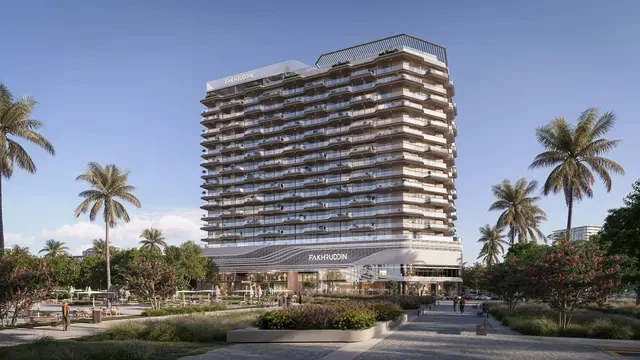
Apartments
Studios
Treppan Vision by Fakhruddin
AED Price on Request
Dubai Land Residence Complex
Studio, 1 & 2
453 - 7509 Sq Ft
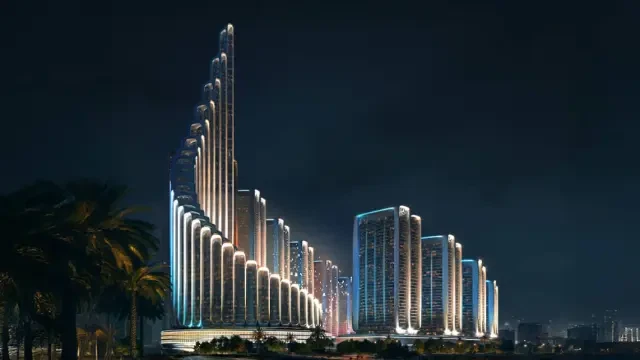
Apartments
Vision Iconic by Binghatti
AED Price on Request
Meydan
1, 2, 3, 4 & 5
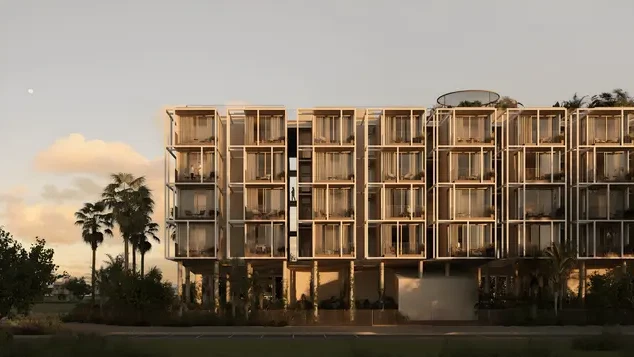
Apartments
Tessera by Al Ghurair Development
AED Price on Request
Dubai South
Apartments
The Weave by Al Ghurair Development
AED 1,200,000
Jumeirah Village Circle
1, 2 & 3
776 - 2221 Sq Ft

Apartments
Samana Portside 2
AED Price on Request
Downtown Jebel Ali
Studio, 1 & 2
Apartments
Shahrukhz Residences by Danube
AED 1,650,000
Dubai Maritime City
Studio, 1, 2 & 3
Apartments
Samana Portside
AED 1,099,000
Downtown Jebel Ali
1 & 2
Apartments
Studios
Treppan Vision by Fakhruddin
AED Price on Request
Dubai Land Residence Complex
Studio, 1 & 2
453 - 7509 Sq Ft
Apartments
Vision Iconic by Binghatti
AED Price on Request
Meydan
1, 2, 3, 4 & 5
Apartments
Aris by Grid
AED Price on Request
Dubai South
Studio, 1 & 2

Commercial
O1NE District Dawn by Avenew
AED Price on Request
Motor City
Commercial
Piazza Roma by DAMAC
AED Price on Request
Damac Lagoons

Commercial
Burj Capital Phase 3 by Centurion Properties
AED Price on Request
Business Bay

Apartments
Commercial
Penthouses
The Symphony by Imtiaz
AED 2,000,000
Meydan
1, 2 & 3
640 - 4244

Apartments
Commercial
Sol Luxe Tower
AED 1,900,000
Sheikh Zayed Road
1, 2 & 3
Apartments
Commercial
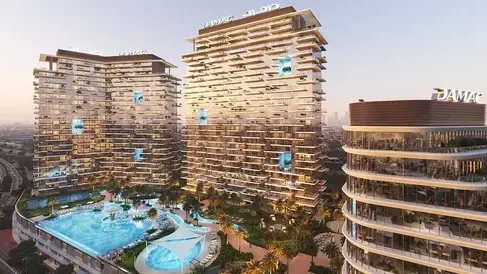
DAMAC District
AED 1,142,000
Damac hills
1 & 2
740 - 6588 Sq Ft
Apartments
Duplexes
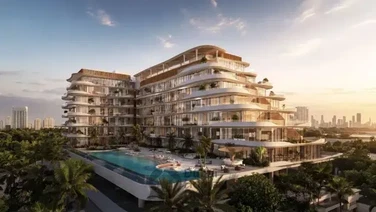
Rabdan Avenue
AED 1,300,000
Meydan
1, 2 & 3
687 - 2937 Sq Ft
Apartments
Duplexes
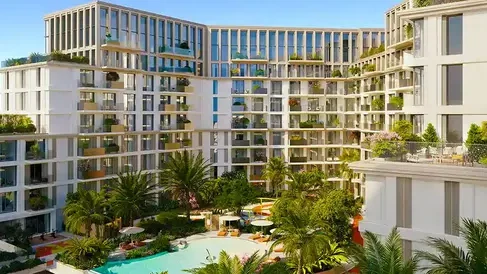
Modo at Avenew 888
AED Price on Request
Dubai South
1, 2 & 3
Apartments
Duplexes
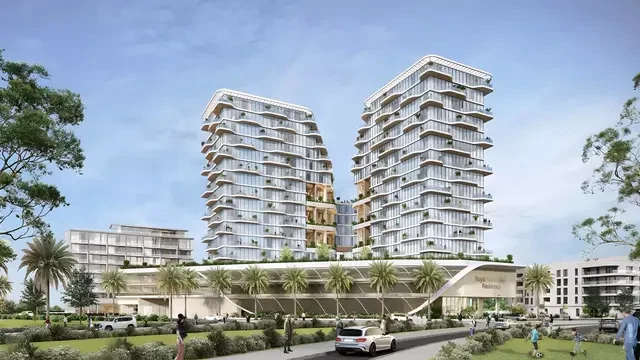
Royal Yacht Club Residence by Azimuth Development
AED Price on Request
Dubai Islands
1, 2, 3 & 4
720 - 3909 Sq Ft
Apartments
Studios
Duplexes
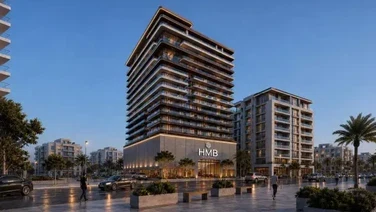
Beverly Crown by HMB Homes
AED 680,000
Jumeirah Village Circle
Studio, 1 & 2
438 - 2321 Sq Ft
Apartments
Duplexes
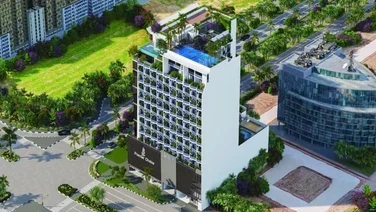
Gateway Residences by Premier Choice
AED 1,164,000
Jumeirah Village Circle
1, 2 & 3
748 - 2352 Sq Ft
Apartments
Villas
Penthouses
Duplexes
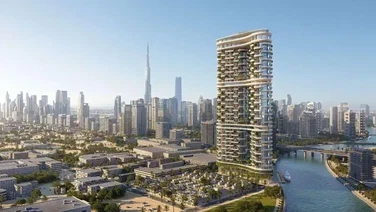
Amali Residences
AED 14,500,000
Dubai Water Canal
2, 3, 4, 5 & 6
2880 - 21000 Sq Ft
Apartments
Penthouses
Mansions
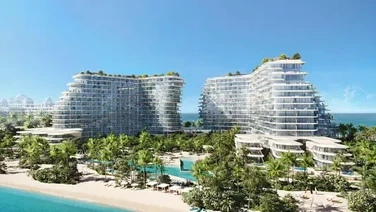
Bella by Passo
AED Price on Request
Palm Jumeirah
1, 2, 3, 4, 5 & 6
1541 - 12382 Sq Ft
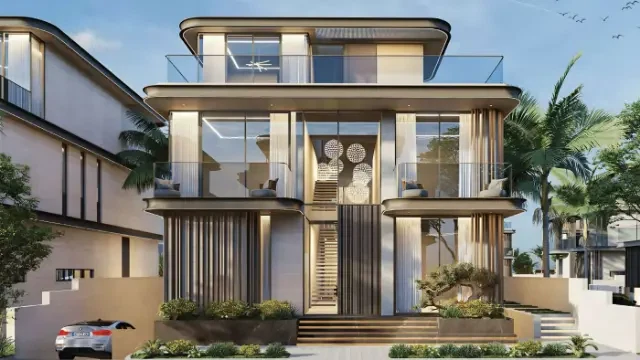
Villas
Mansions
Wellington Grand Villas
AED 20,000,000
Mohammed bin Rashid City
5 & 6
13,007 - 13,568 Sq Ft
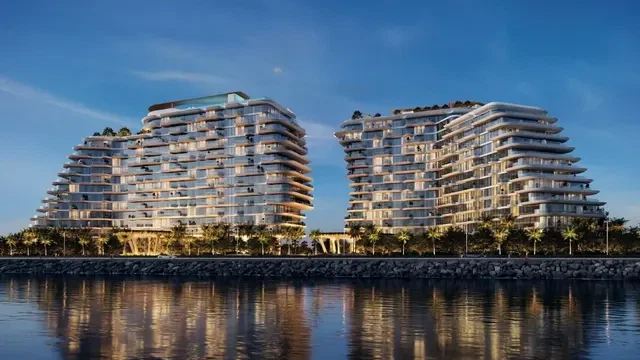
Apartments
Penthouses
Mansions
Passo by Beyond
AED 5,500,000
Palm Jumeirah
1, 2, 3, 4, 5 & 6
940 - 11830 Sq Ft

Mansions
Asora Bay Ocean Mansions by Meraas
AED 65,000,000
Jumeirah
7
41550 - 49062 Sq Ft
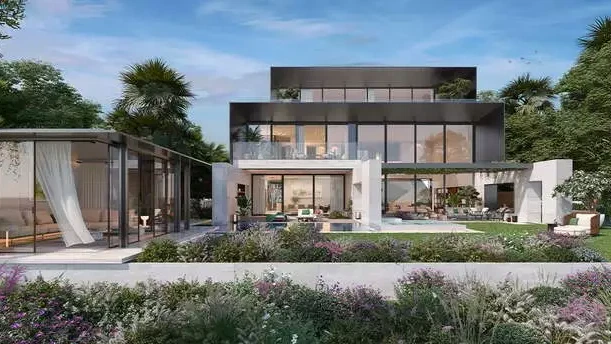
Mansions
Majid Al Futtaim Bo Monde
AED Price on Request
Tilal Al Ghaf
6 & 7

Mansions
Maldives at Damac Islands
AED Price on Request
Damac Islands
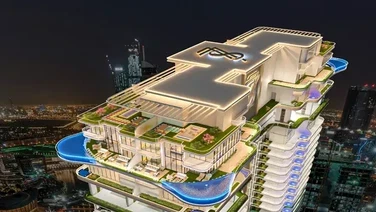
Apartments
Penthouses
77S Tower
AED Price on Request
Business Bay
1, 2, 3, 4 & 5
876 - 6500 Sq Ft
Apartments
Villas
Penthouses
Duplexes
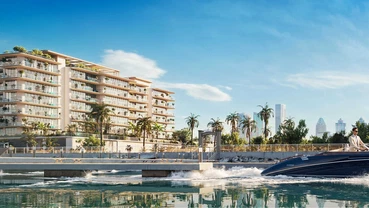
Amali Residences
AED 14,500,000
Dubai Water Canal
2, 3, 4, 5 & 6
2880 - 21000 Sq Ft
Apartments
Penthouses
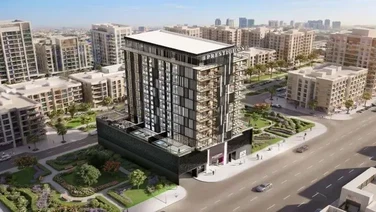
Le Chateau Pietrus by Mr. Eight
AED 3,900,000
Dubai Islands
2, 3 & 4
1017 - 7008 Sq Ft
Apartments
Penthouses
Fauchon Residences by Prestige One Developments
AED Price on Request
Jumeirah Garden City
Studio, 1 & 2
1026 - 2255 Sq Ft
Apartments
Penthouses
Duplexes
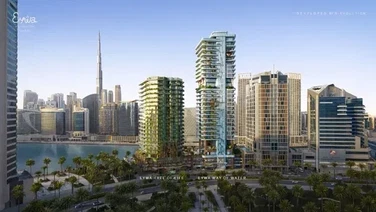
Eywa Way of Water by R.Evolution
AED 9,000,000
Business Bay
2, 3, 4 & 5
2154 - 22900 Sq Ft

Apartments
Penthouses
Duplexes
Ellington Sands 2
AED Price on Request
Dubai Islands
1, 2, 3 & 4
800 - 5964 Sq Ft

Apartments
Studios
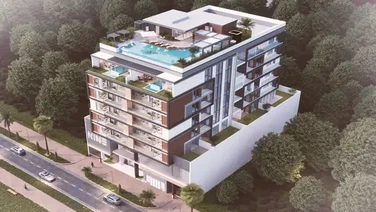
Treppan Vision by Fakhruddin
AED Price on Request
Dubai Land Residence Complex
Studio, 1 & 2
453 - 7509 Sq Ft
Apartments
Studios
One by Nine
AED Price on Request
Nad Al Sheba
Studio, 1 & 2
563 - 1069 Sq Ft
Apartments
Studios
11 Hills Park by TownX
AED 675,000
Dubai Science Park
Studio & 1
474 - 831 Sq Ft

Apartments
Studios
Kore by Imtiaz
AED 679,000
Dubai Land Residence Complex
Studio, 1, 2 & 3
406 - 1406 Sq Ft

Apartments
Studios
Astra Residences by Dugasta Properties
AED Price on Request
Dubai South
Studio, 1 & 2
349 - 1792 Sq Ft
Apartments
Studios
Oasis Residences by Al Helal Al Zahaby
AED 590,000
Dubai South
Studio, 1, 2 & 3
427 - 1992 Sq Ft
Villas
Townhouses
Bay Estate by Nakheel
AED 5,900,000
Dubai Islands
3 & 4
3054 - 11059 Sq Ft
Villas
Townhouses
Greenz by Danube
AED 3,500,000
Academic City
3, 4 & 5
2400 - 3950 Sq Ft
Villas
Townhouses
Meraas Nad Al Sheba Gardens 12
AED Price on Request
Nad Al Sheba
Apartments
Townhouses
EMAAR Golf Trails
AED 1,250,000
Emaar South
1, 2 & 3
719 - 2603 Sq Ft

Townhouses
Verdana 9 Townhouses by Reportage
AED Price on Request
Dubai Investments Park
2, 3 & 4
Townhouses
Hayat 1 by Dubai South Properties
AED Price on Request
Dubai South
Villas
Townhouses
Bay Estate by Nakheel
AED 5,900,000
Dubai Islands
3 & 4
3054 - 11059 Sq Ft
Villas
Townhouses
Greenz by Danube
AED 3,500,000
Academic City
3, 4 & 5
2400 - 3950 Sq Ft
Apartments
Villas
Penthouses
Duplexes
Amali Residences
AED 14,500,000
Dubai Water Canal
2, 3, 4, 5 & 6
2880 - 21000 Sq Ft
Villas
Townhouses
Meraas Nad Al Sheba Gardens 12
AED Price on Request
Nad Al Sheba
Apartments
Villas
The Wilds 3 by Aldar
AED Price on Request
Dubailand
Villas
Lunaya by Zaya
AED 4,900,000
Jebel Ali
4 & 5
2966 - 8231 Sq Ft