
Cash vs Mortgage in Dubai: Which Is Better for Buying Property?
Published :
Last Updated :
- Buying Property in Dubai with Cash
- Purchasing a Dubai Property on a Mortgage
- Cash vs Mortgage: The Real Cost on a AED 2 Million Property
- The Factors that Impact the Decision are Key
- Closing In!
There are two roads that every individual who enters the Dubai property market will come across at some stage: purchase in cash or finance the purchase through a mortgage. Financial constraints are no longer the only consideration in buying. It just comes down to capital efficiency, flexibility and tolerance of debt. The benefit of paying outright is that you will own the asset on completion; with financing, the money is still available for other purchases and helps to diversify risk between the asset and others. The answer here is not the same.
The best choice will depend entirely on the financial situation of the buyer, their investment timeframe, and, of course, what they want to get from the investment in the property, be it living in it or generating some money from it. Knowing how each route works in practice, and what the real numbers look and feel like to see it in action, is the first step in making a decision that fits.
Buying Property in Dubai with Cash

In Dubai, it is preferred by high net-worth individuals and investors who want a clean, fast process without the usual bank-related steps slowing things down.
- No pre-approvals, valuations or credit checks - a cash deal means the transaction can be completed in weeks or even days, rather than weeks.
- No interest charges: Purchasing altogether ensures that there is no interest accruing over years of repayments and that the ultimate price remains precisely what was agreed upon.
- Increased negotiating leverage: Cash buyers hold a more advantageous position when negotiating because there is no risk of the deal falling through halfway. Ends up in better pricing or incentives.
- Complete Ownership: no monthly instalment, and complete control of the asset right from the day of signing.
- Reduced Liquidity: the biggest disadvantage is that a large portion of the net worth is restricted in a single asset, making it difficult to move if the opportunity for a better asset arises later and the assets are needed elsewhere.
Purchasing a Dubai Property on a Mortgage
Financing equates to having a much larger audience of buyers willing to make the purchase, be it resident professionals or long-term expats who prefer to utilize bank leverage versus using all their savings for one purchase.
- Maintains liquidity: A mortgage allows a buyer to have cash for unforeseen emergencies available, and other investments not related to real estate
- Down payment requirements: UAE nationals pay a lower rate; expats who live in the UAE are required to make a 20% down payment on homes priced below five million dirhams.
- Interest and fees: Closing costs associated with the bank will be upfront, and payments will be required for ongoing interest. This all increases the total you will pay over the life of the loan as compared to the value of the property.
- Bank approval: Getting a mortgage involves providing bank statements and proof of income, and assessing those liabilities against the regulatory limits for loans to be approved.
- Rental income offset: Rental returns from properties in high-yield markets can offset a significant amount of the monthly loan repayment, meaning the rental income is aiding the investment property to pay itself.
Cash vs Mortgage: The Real Cost on a AED 2 Million Property

Percentages alone do not give a very clear comparison; however, numbers do. Whether or not local banking regulations permit administrative fees to be financed via the mortgage itself, both purchasers of the aforementioned options must pay administrative fees out of pocket. Let's calculate the up-front cash needed for a two million dirham property to include standard fees associated with both types of purchase.
| Cost component | Cash purchase | Mortgage purchase |
|---|---|---|
| Down payment | Full AED 2,000,000 | Typically 20% (AED 400,000) |
| Dubai Land Department transfer fee (4%) | AED 80,000 | AED 80,000 |
| Mortgage registration fee (0.25% of loan) | Not applicable | AED 4,000 |
| Bank arrangement or processing fee | Not applicable | Typically 1% of loan (AED 16,000) |
| Property valuation fee | Not applicable | Approx. AED 3,000 |
| Agent commission (2% plus VAT) | AED 42,000 | AED 42,000 |
| Registration and administrative fees | Approx. AED 5,000 | Approx. AED 5,000 |
The cost to a cash buyer is over two million dirhams in advance, but to a mortgage buyer, it is about five hundred and fifty thousand dirhams, and that is just the upfront cost. There are additional interest and life insurance costs to consider that are not due yet and will go on for the duration of the mortgage.
The Factors that Impact the Decision are Key
- Investment objectives: Those looking to flip the property may opt for cash because they want to avoid any financing hassles, whereas long-term investors may prefer to finance a deal to implement a capitalization strategy of investing in multiple assets instead of one buy-and-hold property.
- Access to liquid capital: Don't skimp on cash flow by making a large lump payment just when you need it most.
- Low interest rates: Make financing much more appealing, as it provides cash flow that can be used for other purposes that may yield higher returns at lower interest rates.
- Property type: Off-plan projects generally have payment structures that minimize financing requirements earlier, while ready properties typically require either cash or a conventional loan.
- Residency status: UAE nationals and resident expats are generally eligible for more favorable loan-to-value ratios. Non-residents, however, must usually have a lower loan-to-value ratio (between fifty and sixty percent) and a stricter qualification process.
Who Cash Purchases Tend to Suit
- High-net-worth buyers, foreign investors willing to act quickly and with certainty, and institutional investors.
- Those who save time waiting for banks to evaluate the property or a valuation report, making them appealing to motivated sellers
- Those wanting to avoid debt entirely, prefer easier paperwork with fewer parties involved, or want total rental yield from the very first month of ownership.
- For buyers with complex income structures or who don't qualify for the standard bank loan, cash is often the only viable option.
Who Mortgage Financing Tends to Fit
- Investors, families, and resident professionals who seek to make their capital not just their money work harder, rather than stay relatively dormant in one property.
- Homeowners who wish to enjoy a lifestyle similar to Dubai Hills Estate but do not want to rely on their savings for every expense, including school fees, health care, and other unexpected expenses.
- People who invest in several income-generating properties and have mortgages to finance them rather than placing their funds in a single property.
- Buyers who earn a consistent income, make a manageable monthly payment, and save the rest of their money in another account.
Closing In!
No single answer to cash vs. mortgage, and that's the whole purpose of detailing both options. Cash is fast, certain, and debt-free, while a mortgage maintains capital in circulation and allows the investor to diversify over time without tying up all capital in one asset.
This depends on the real numbers being compared to personal situations, as well as being honest about your comfort level with debt, and considering what the home is truly intended to accomplish, whether it's a long-term family residence, a rental investment, or a future possible resale.
FAQs
Is it better to buy property in Dubai with cash or with a mortgage?
Cash suits the individual who is looking for a quick purchase, no loan, and higher instant returns, whereas mortgages are for the individual who is looking to build capital and invest in more properties.
What is the lowest amount that can be paid as a down payment of a mortgage in Dubai?
The amount required usually ranges from 20% to 50% for all types of expats who reside in Dubai, 10% to 20% for all types of UAE nationals, and 40% to 50% for foreign buyers who are not nationals.
Is it possible to obtain a mortgage for foreigners in Dubai?
Yes, UAE banks will provide a mortgage for non-residents, but there are additional scrutiny requirements and a higher down payment (typically forty or fifty percent) that will be in place.
Can off-plan properties be mortgaged?
Yes, but usually banks won't step in until the building is 40% finished, and the buyer has paid 50% of the cost. Until then, buyers are on the developer's own plan for making payments.
What are the additional charges of a mortgage purchase in Dubai?
The buyer will need to pay the mortgage registration fee to the Land Department (about 0.25%), a bank valuation fee (about three thousand dirhams), a rolling life insurance, and a processing fee (about one percent of the loan).



Your gateway to offline planning in the digital realm. Discover a world of real estate opportunities through our immersive offline property website experience
Apartments
Tessera by Al Ghurair Development
AED Price on Request
Dubai South
Apartments
Shahrukhz Residences by Danube
AED Price on Request
Dubai Maritime City
Apartments
Studios
11 Hills Park by TownX
AED 675,000
Dubai Science Park
Studio & 1
474 - 831 Sq Ft
Apartments
Duplexes
Rabdan Avenue
AED 1,300,000
Meydan
1, 2 & 3
687 - 2937 Sq Ft
Apartments
The Weave by Al Ghurair Development
AED 1,200,000
Jumeirah Village Circle
1, 2 & 3
776 - 2221 Sq Ft
Apartments
Studios
One by Nine
AED Price on Request
Nad Al Sheba
Studio, 1 & 2
563 - 1069 Sq Ft
Apartments
Shahrukhz Residences by Danube
AED Price on Request
Dubai Maritime City
Apartments
Tessera by Al Ghurair Development
AED Price on Request
Dubai South

Apartments
SAMANA South Haven 2
AED Price on Request
Dubai Industrial City
Apartments
Studios
11 Hills Park by TownX
AED 675,000
Dubai Science Park
Studio & 1
474 - 831 Sq Ft
Apartments
The Weave by Al Ghurair Development
AED 1,200,000
Jumeirah Village Circle
1, 2 & 3
776 - 2221 Sq Ft
Apartments
Duplexes
Rabdan Avenue
AED 1,300,000
Meydan
1, 2 & 3
687 - 2937 Sq Ft

Commercial
O1NE District Dawn by Avenew
AED Price on Request
Motor City
Commercial
Piazza Roma by DAMAC
AED Price on Request
Damac Lagoons

Apartments
Commercial
Penthouses
The Symphony by Imtiaz
AED 2,000,000
Meydan
1, 2 & 3
640 - 4244
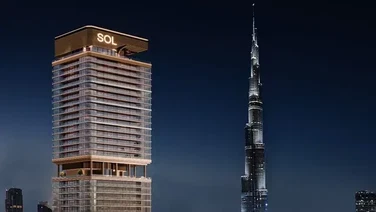
Apartments
Commercial
Sol Luxe Tower
AED 1,900,000
Sheikh Zayed Road
1, 2 & 3
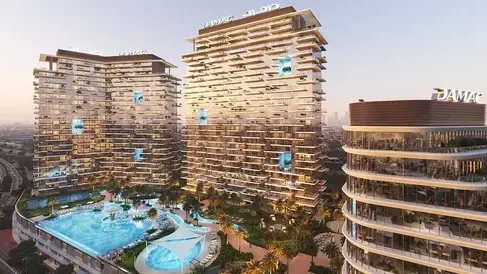
Apartments
Commercial
DAMAC District
AED 1,142,000
Damac hills
1 & 2
740 - 6588 Sq Ft
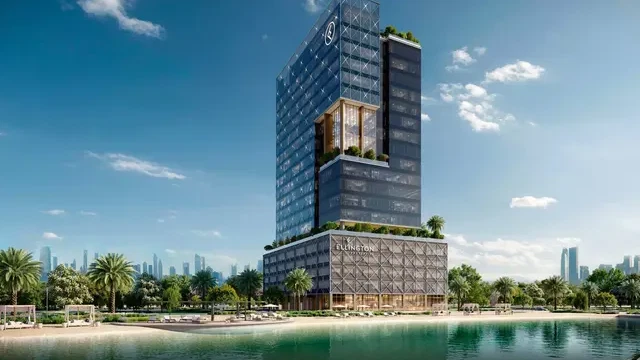
Commercial
Eaton Square by Ellington
AED Price on Request
Mohammed bin Rashid City
Apartments
Duplexes
Rabdan Avenue
AED 1,300,000
Meydan
1, 2 & 3
687 - 2937 Sq Ft
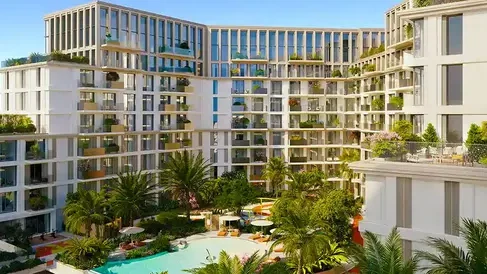
Apartments
Duplexes
Modo at Avenew 888
AED Price on Request
Dubai South
1, 2 & 3
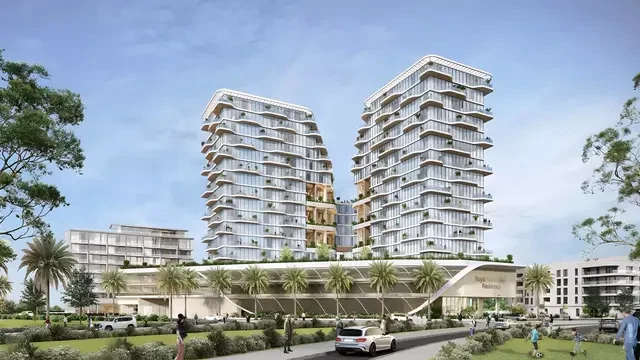
Apartments
Duplexes
Royal Yacht Club Residence by Azimuth Development
AED Price on Request
Dubai Islands
1, 2, 3 & 4
720 - 3909 Sq Ft
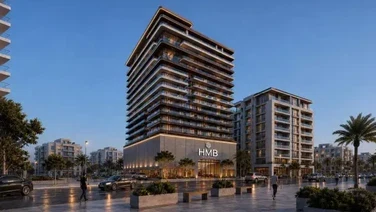
Apartments
Studios
Duplexes
Beverly Crown by HMB Homes
AED 680,000
Jumeirah Village Circle
Studio, 1 & 2
438 - 2321 Sq Ft
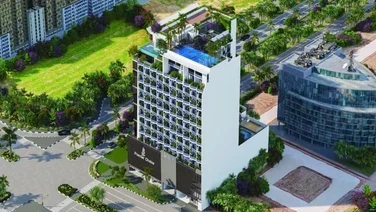
Apartments
Duplexes
Gateway Residences by Premier Choice
AED 1,164,000
Jumeirah Village Circle
1, 2 & 3
748 - 2352 Sq Ft
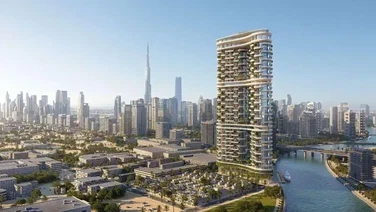
Apartments
Villas
Penthouses
Duplexes
Amali Residences
AED 14,500,000
Dubai Water Canal
2, 3, 4, 5 & 6
2880 - 21000 Sq Ft
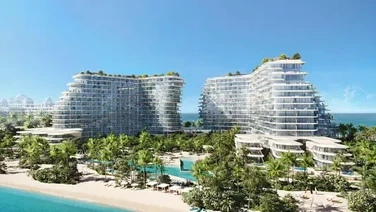
Apartments
Penthouses
Mansions
Bella by Passo
AED Price on Request
Palm Jumeirah
1, 2, 3, 4, 5 & 6
1541 - 12382 Sq Ft
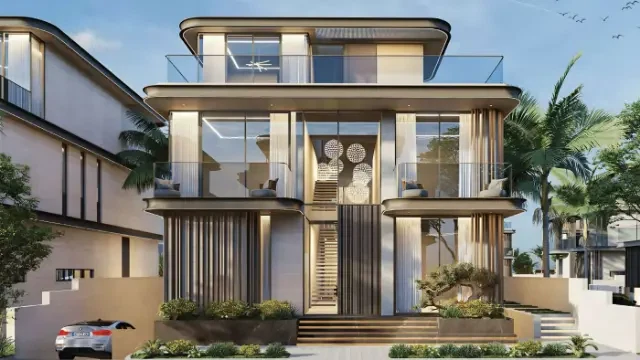
Villas
Mansions
Wellington Grand Villas
AED 20,000,000
Mohammed bin Rashid City
5 & 6
13,007 - 13,568 Sq Ft
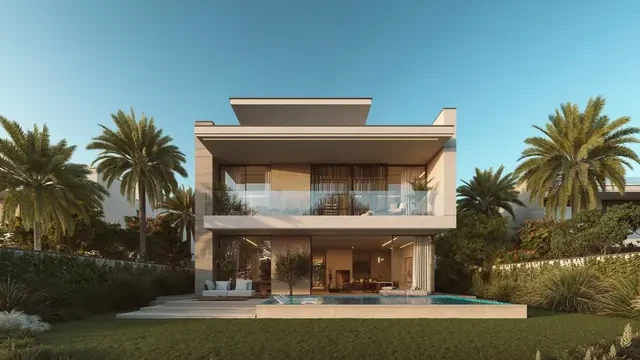
Villas
Mansions
Ashwood Estate by Wasl
AED 11,800,000
Jumeirah Golf Estates
4, 5 & 6
6069 - 10762 Sq Ft
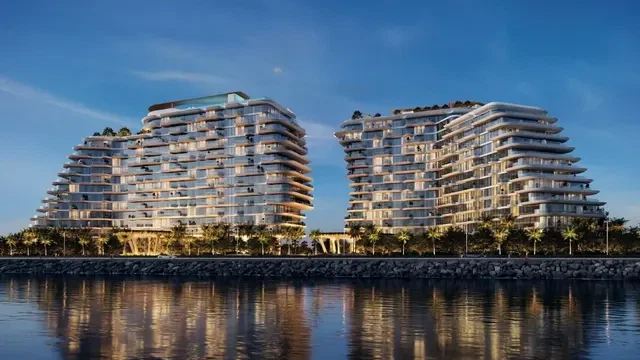
Apartments
Penthouses
Mansions
Passo by Beyond
AED 5,500,000
Palm Jumeirah
1, 2, 3, 4, 5 & 6
940 - 11830 Sq Ft
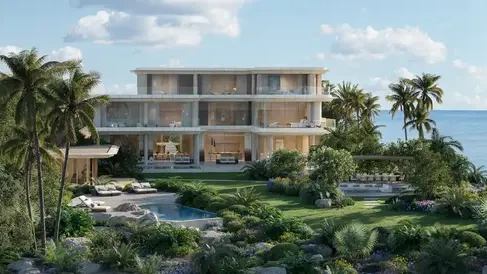
Mansions
Asora Bay Ocean Mansions by Meraas
AED 65,000,000
Jumeirah
7
41550 - 49062 Sq Ft
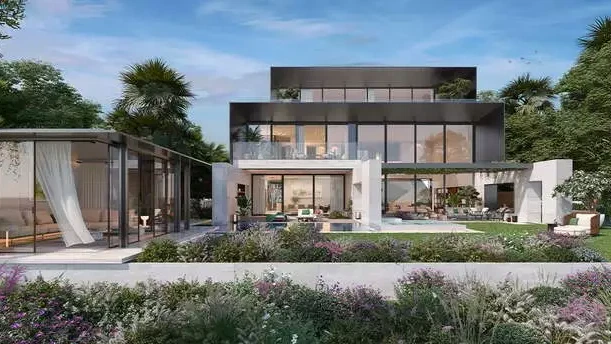
Mansions
Majid Al Futtaim Bo Monde
AED Price on Request
Tilal Al Ghaf
6 & 7
Apartments
Penthouses
77S Tower
AED Price on Request
Business Bay
1, 2, 3, 4 & 5
876 - 6500 Sq Ft
Apartments
Villas
Penthouses
Duplexes
Amali Residences
AED 14,500,000
Dubai Water Canal
2, 3, 4, 5 & 6
2880 - 21000 Sq Ft
Apartments
Penthouses
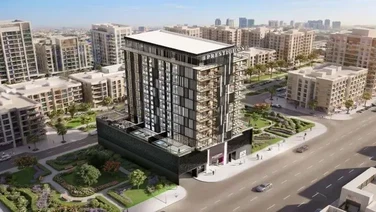
Le Chateau Pietrus by Mr. Eight
AED 3,900,000
Dubai Islands
2, 3 & 4
1017 - 7008 Sq Ft
Apartments
Penthouses
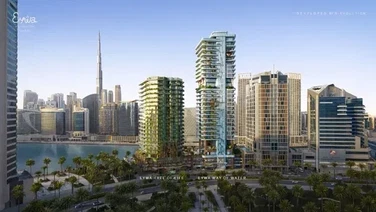
Fauchon Residences by Prestige One Developments
AED Price on Request
Jumeirah Garden City
Studio, 1 & 2
1026 - 2255 Sq Ft
Apartments
Penthouses
Duplexes
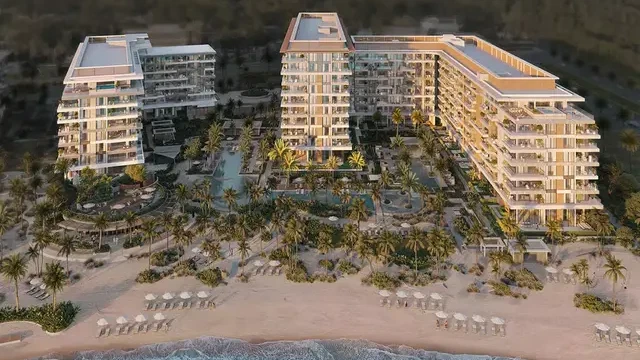
Eywa Way of Water by R.Evolution
AED 9,000,000
Business Bay
2, 3, 4 & 5
2154 - 22900 Sq Ft
Apartments
Penthouses
Duplexes
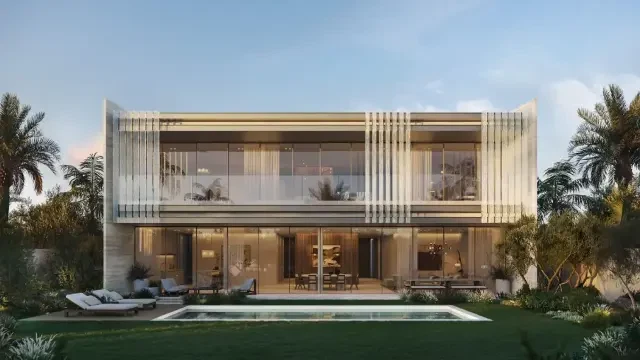
Ellington Sands 2
AED Price on Request
Dubai Islands
1, 2, 3 & 4
800 - 5964 Sq Ft
Apartments
Studios
One by Nine
AED Price on Request
Nad Al Sheba
Studio, 1 & 2
563 - 1069 Sq Ft
Apartments
Studios
11 Hills Park by TownX
AED 675,000
Dubai Science Park
Studio & 1
474 - 831 Sq Ft
Apartments
Studios
Kore by Imtiaz
AED Price on Request
Dubai Land Residence Complex
Studio, 1, 2 & 3

Apartments
Studios
Astra Residences by Dugasta Properties
AED Price on Request
Dubai South
Studio, 1 & 2
349 - 1792 Sq Ft
Apartments
Studios
Oasis Residences by Al Helal Al Zahaby
AED 590,000
Dubai South
Studio, 1, 2 & 3
427 - 1992 Sq Ft
Apartments
Studios
Reef 995
AED 696,777
Dubai Land Residence Complex
Studio, 1, 2 & 3
433 - 1197 Sq Ft
Villas
Townhouses
Bay Estate by Nakheel
AED 5,900,000
Dubai Islands
3 & 4
3054 - 11059 Sq Ft
Villas
Townhouses
Greenz by Danube
AED 3,500,000
Academic City
3, 4 & 5
2400 - 3950 Sq Ft
Villas
Townhouses
Meraas Nad Al Sheba Gardens 12
AED Price on Request
Nad Al Sheba
Apartments
Townhouses
EMAAR Golf Trails
AED 1,250,000
Emaar South
1, 2 & 3
719 - 2603 Sq Ft
Townhouses
Verdana 9 Townhouses by Reportage
AED Price on Request
Dubai Investments Park
2, 3 & 4
Townhouses
Hayat 7 by Dubai South Properties
AED Price on Request
Dubai South
Villas
Townhouses
Bay Estate by Nakheel
AED 5,900,000
Dubai Islands
3 & 4
3054 - 11059 Sq Ft
Villas
Townhouses
Greenz by Danube
AED 3,500,000
Academic City
3, 4 & 5
2400 - 3950 Sq Ft
Apartments
Villas
Penthouses
Duplexes
Amali Residences
AED 14,500,000
Dubai Water Canal
2, 3, 4, 5 & 6
2880 - 21000 Sq Ft
Villas
Townhouses
Meraas Nad Al Sheba Gardens 12
AED Price on Request
Nad Al Sheba
Villas
Lunaya by Zaya
AED 4,900,000
Jebel Ali
4 & 5
2966 - 8231 Sq Ft

Villas
EMAAR Faro 2 The Heights
AED Price on Request
The Heights Country Club & Wellness