Dubai Property Market Forecast 2030: Trends, Prices & Buyer Insights
Published :
Last Updated :
- Market Growth: A Nearly AED 500 Billion Sector by 2030
- Residential Sector Outlook: Rising Demand in Dubai Real Estate Sector
- Commercial Real Estate: Surging Retail and Office Demand
- Ready and Off-Plan Property Market Dynamics
- Closing In!
The property market in Dubai has continued to achieve remarkable milestones with record transactions and headline capital appreciation. The upward trajectory across its real estate aspects draws global investors in volume. Moreover, the emirate’s favorable tax ecosystem, global gateway location, and steeled economy strengthen paths for eternal incentives.
Opportunists and astute investors look ahead to 2030 as an era of digital advancements and visionary government strategies in Dubai. This prompts buyers to consider what they can truly expect from Dubai’s real estate landscape in the coming years. So, let’s dive into the blog to find technological shifts, growth forecasts, and external influences defining the emirate’s property market potential through the end of the decade.
Market Growth: A Nearly AED 500 Billion Sector by 2030
Property industry analysts predicted a significant growth in the UAE real estate market, which is led by Dubai and followed by Abu Dhabi. The market’s value is anticipated to reach AED 486.2 billion, a remarkable upward trajectory from 302.65 billion in 2023. This record-breaking expansion is anticipated at a CAGR (compound annual growth rate) of 8.06%. Such a dynamism also reflects demographic growth, sustained capital inflows, and economic diversification witnessed in key regions of the UAE.
How can buyers benefit from the Sector Growth?
- Resilience to Market Fluctuations – The diverse investor base in Dubai, followed by strategic policies and investor-friendly practices, buffers against short-term volatility.
- Long-Term Capital Growth – The Dubai real estate market promises a consistent increase in property values. With an expected surge of 5% in 2025, an amplification is forecasted in the coming decades as well.
- FDI Surge – Reports show a commendable 48% increase in Dubai’s foreign direct investment, accounting for 45 billion US dollars in 2025. These record numbers maintain Dubai’s position among the top investment hubs by 2030.
- These broader economic macro-drivers are of considerable importance among astute buyers. For instance, rising foreign investment and GDP expansion bolster real estate demand city-wide.
Residential Sector Outlook: Rising Demand in Dubai Real Estate Sector
The residential sector in Dubai’s comprehensive property market is set to expand with an unequalled uptick through 2030. With strong support from international interest and demographic dynamism, the emirates are moving from speculation to stability.
Key Residential Trends Ahead
i) High Demand for Spacious Homes
Buyer preferences in Dubai are shifting from apartments to larger homes. With 7% price growth in villas, the premium villa segment outpaced the growth trajectory with a 14% rise in prices.
ii) Accelerated Momentum in Luxury and Branded Residences
Dubai is giving birth to more exclusive property types, including branded residences crafted by global hospitality brands, rare mansions, and sky villas. This sustains appeal for ultra-wealthy buyers and high-net-worth investors looking for a steady capital growth as well as an unmatched lifestyle.
Commercial Real Estate: Surging Retail and Office Demand
The commercial landscape in Dubai is also evolving as institutional investors and multinational corporations are turning their eyes towards its favorable ecosystem. High-end office spaces and prime retail establishments are expanding, specifically across tech hubs (DSO & Dubai Production City) and financial centers like DIFC. Such an impressive expansion scale underscores rising demand for Grade-A office spaces.
Commercial Growth Drivers
- Logistics & Retail Expansion – Logistics facilities and retail leasing are substantially increasing as global trade and e-commerce increase.
- Global Business Relocations – Dubai’s status as a regional headquarters hub is magnifying corporate leasing activity.
Innovation and Technology: PropTech Transformation by 2030
Technology and digitalization adoption are significantly shaping Dubai’s real estate landscape.
i) PropTech Sector Expansion
The PropTech market is on its way to becoming a fundamental pillar of the UAE’s real estate ecosystem. Analysts forecast it to reach AED 5.69 billion by 2030, which is nearly triple compared to AED 2.24 billion in 2024. Consistent investments in blockchain, AI, IoT, and cloud platforms by the government have fueled this growth, making the real estate operations, transactions, and valuations exclusively streamlined.
ii) What It Means for Buyers
- Virtual Property Experiences: Different VR/AR tools are transforming the buyer’s experience of viewing or committing to a project.
- Smart Home Demand: Energy-efficient buildings and IoT integrations will target tech-savvy buyers in volume.
- Enhanced Transparency: Digitalized platforms for property transactions and blockchain-based registration foster buyer confidence.
Population Growth: The Central Demand Engine
Population expansion is one of the key drivers when the real estate of Dubai is considered. The numbers are expected to escalate to 5 million by 2030, up from approximately 4 million in 2025. The population boom ultimately intensifies housing demand across all segments, including affordable apartments and luxury estates.
Implication for Buyers
- Urban Development Acceleration: Smart city initiatives and infrastructure expansions will make newly launched master plan communities or districts on the peripheries of Dubai more attractive.
- Surging Demand for Homes: Influx of residents also means intense competition for housing stock and upward pressure on prices.
Sustainability & Green Practices: Core Determinant of Investment Value
Eco-friendly designs, sustainability, and smart integrations are increasingly becoming central among buyers across the globe.
i) Smart Infrastructure
Tools like IoT systems, keyless accessibility, and digital property management are set to target buyers chasing convenience, connectivity, and future-proof living environments.
ii) Green Building Expectations
Newer projects across Dubai are keeping renewable energy systems, LEED-certified buildings, and water-efficient technologies central. This also commands premium prices when buyers prefer environmental performance for long-term cost savings.
Ready and Off-Plan Property Market Dynamics
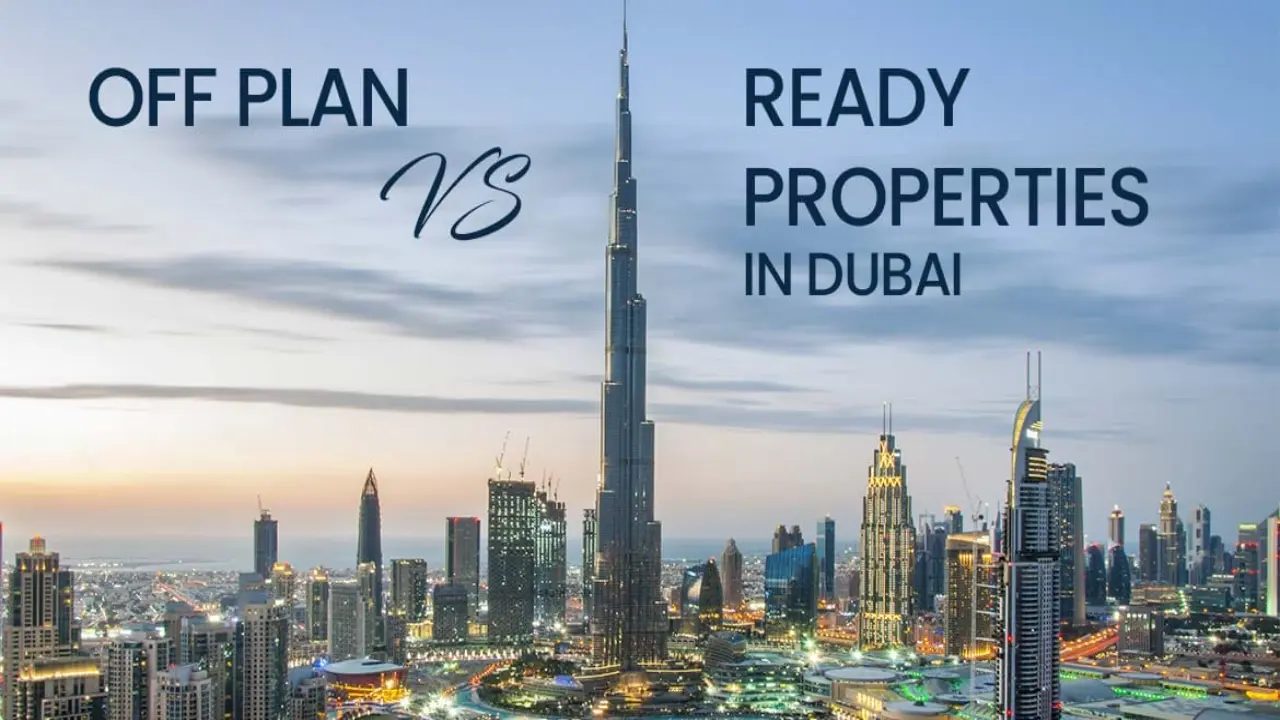
The vibrant off-plan sector in Dubai is expected to remain a cornerstone of real estate activity by 2030. Such under-construction inventory accounts for a large majority of new sales.
i) Early Entry and Flexible Payment Structures
Most developers in Dubai launch their projects at competitive pre-completion prices. Further, a milestone-tiered payment structure adds an edge, while robust, transparent procedures (blockchain contracts) make investments seamless among first-time entrants and seasoned investors globally.
ii) Off-Plan vs. Ready Units
Off-plan properties are expected to deliver higher ROI due to early pricing. Such properties also anticipate greater future appreciation potential, which is expected to continue through 2030.
Seasoned investors looking for portfolio diversification and commendable capital growth must balance off-plan opportunities with ready-to-move homes.
Challenges Ahead: Market Balance and Supply Cycles
However, Dubai is on its way to groundbreaking achievements in the property sector, but few analysts have also cautioned about possible blows:
i) Market Corrections
Dubai’s real estate market is expected to face price corrections of a moderate scale in transitional phases of 2026. According to Fitch Ratings, the drop could decelerate prices by 15%.
ii) Oversupply Considerations
A voluminous stock of new units, specifically apartments, could create supply-associated price moderation in several micro-markets.
Closing In!
Dubai’s property market is anticipated to experience solid growth through 2030. Factors like strategic policy formations, technology adoption, population spike, and foreign investments are standing as key drivers behind this upward momentum. Thanks to the Emirates’s nuanced landscape, enabling buyers to find unparalleled opportunities across multiple segments, including commercial, residential, and PropTech evolution.
However, to reach the forecasted success, the central authorities are required to make informed decisions, emphasize high-quality assets, and be careful of timing. As macroeconomic cycles and supply dynamics evolve, these strong fundamentals can maintain Dubai’s position as a top destination for real estate investment through the end of the decade.



Your gateway to offline planning in the digital realm. Discover a world of real estate opportunities through our immersive offline property website experience
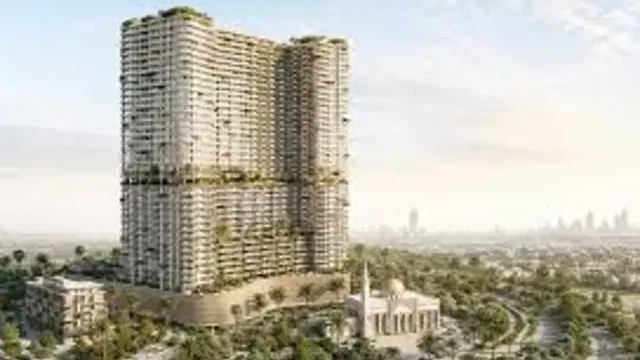
Apartments
Studios
The WOW Tower by Mr. Eight
AED 700,000
Dubai Land Residence Complex
Studio, 1 & 2
377 - 1461 Sq Ft
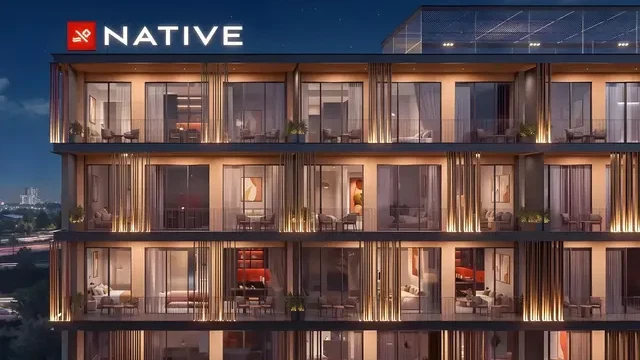
Apartments
Studios
Native Haus
AED 699,999
Jumeirah Village Triangle
Studio, 1 & 2
403 - 1035 Sq Ft
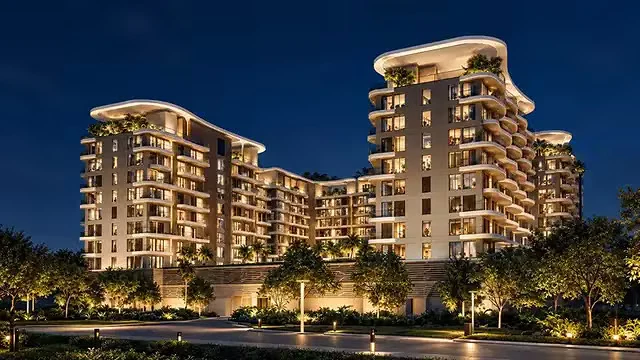
Apartments
Studios
Sorrento Lagoon Views by DAMAC
AED 689,000
Damac Lagoons
Studio & 1
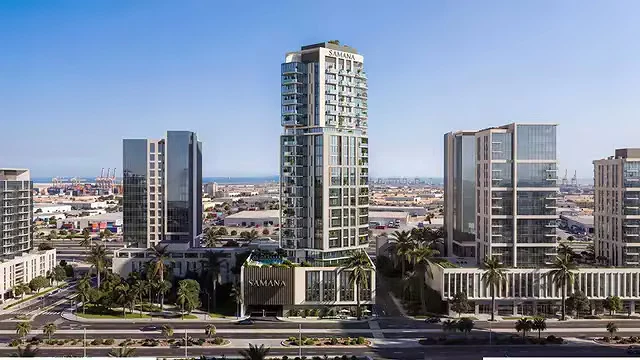
Apartments
Studios
Samana Downtown One
AED 689,000
Jebel Ali
Studio, 1 & 2
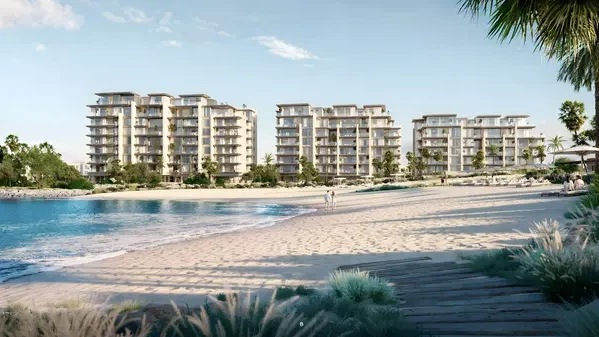
Apartments
Penthouses
Solaya 5 and 7 by Meraas
AED Price on Request
Jumeirah
2, 3, 4 & 5
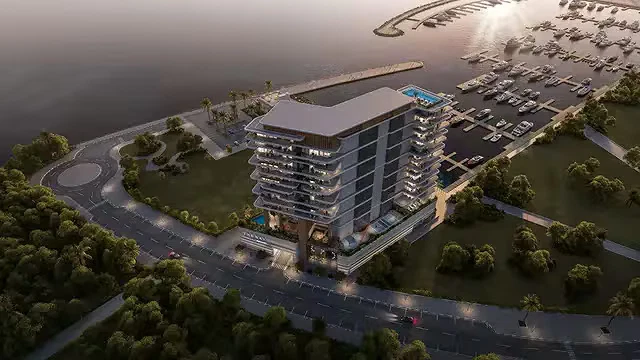
Apartments
Penthouses
The Bay Interiors by Missoni
AED 2,750,000
Dubai Islands
2, 3 & 4
1007 - 3542 Sq Ft
Apartments
Studios
The WOW Tower by Mr. Eight
AED 700,000
Dubai Land Residence Complex
Studio, 1 & 2
377 - 1461 Sq Ft
Apartments
Studios
Native Haus
AED 699,999
Jumeirah Village Triangle
Studio, 1 & 2
403 - 1035 Sq Ft
Apartments
Studios
Sorrento Lagoon Views by DAMAC
AED 689,000
Damac Lagoons
Studio & 1
Apartments
Penthouses
Solaya 5 and 7 by Meraas
AED Price on Request
Jumeirah
2, 3, 4 & 5
Apartments
Penthouses
The Bay Interiors by Missoni
AED 2,750,000
Dubai Islands
2, 3 & 4
1007 - 3542 Sq Ft
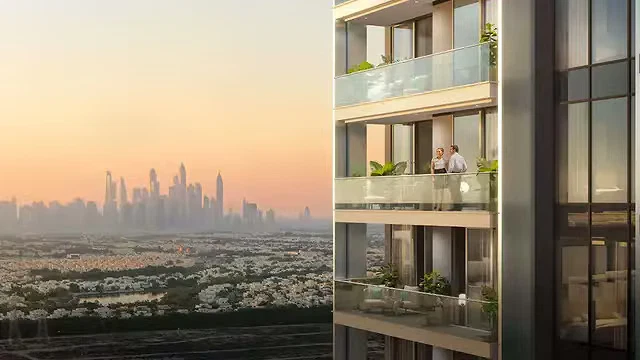
Apartments
Object 1 Lum1nar Towers
AED Price on Request
Jumeirah Village Triangle
Studio, 1, 2 & 3
355 - 1983 Sq Ft
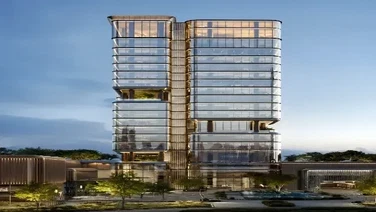
Commercial
O1NE District Dawn by Avenew
AED Price on Request
Motor City

Commercial
Piazza Roma by DAMAC
AED Price on Request
Damac Lagoons
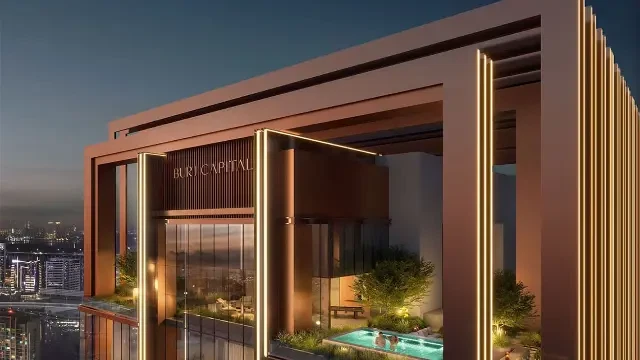
Commercial
Burj Capital Phase 3 by Centurion Properties
AED Price on Request
Business Bay

Apartments
Commercial
Penthouses
The Symphony by Imtiaz
AED 2,000,000
Meydan
1, 2 & 3
640 - 4244
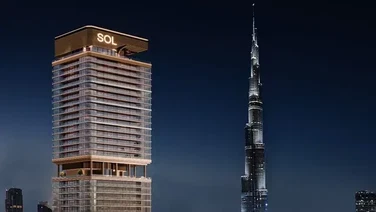
Apartments
Commercial
Sol Luxe Tower
AED 1,900,000
Sheikh Zayed Road
1, 2 & 3
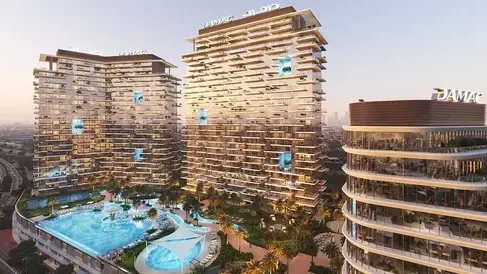
Apartments
Commercial
DAMAC District
AED 1,142,000
Damac hills
1 & 2
740 - 6588 Sq Ft
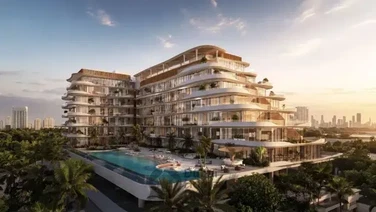
Apartments
Duplexes
Rabdan Avenue
AED 1,300,000
Meydan
1, 2 & 3
687 - 2937 Sq Ft
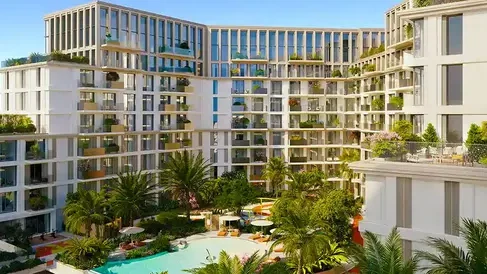
Apartments
Duplexes
Modo at Avenew 888
AED Price on Request
Dubai South
1, 2 & 3
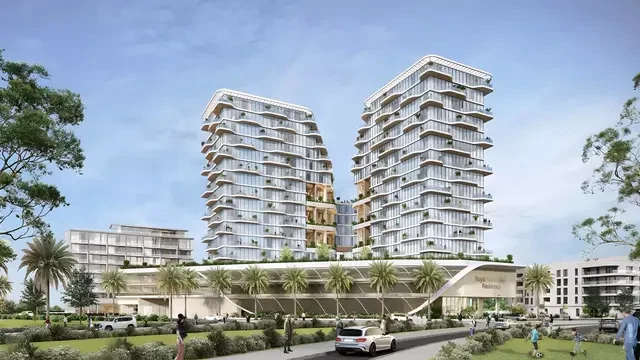
Apartments
Duplexes
Royal Yacht Club Residence by Azimuth Development
AED Price on Request
Dubai Islands
1, 2, 3 & 4
720 - 3909 Sq Ft
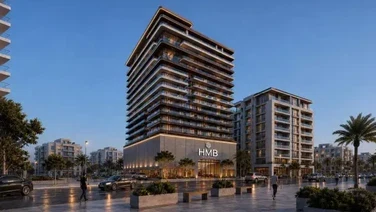
Apartments
Studios
Duplexes
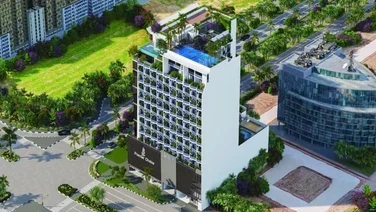
Beverly Crown by HMB Homes
AED 680,000
Jumeirah Village Circle
Studio, 1 & 2
438 - 2321 Sq Ft
Apartments
Duplexes
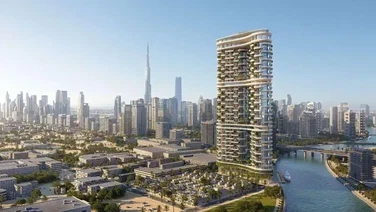
Gateway Residences by Premier Choice
AED 1,164,000
Jumeirah Village Circle
1, 2 & 3
748 - 2352 Sq Ft
Apartments
Villas
Penthouses
Duplexes
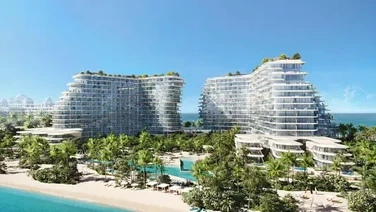
Amali Residences
AED 14,500,000
Dubai Water Canal
2, 3, 4, 5 & 6
2880 - 21000 Sq Ft
Apartments
Penthouses
Mansions
Bella by Passo
AED Price on Request
Palm Jumeirah
1, 2, 3, 4, 5 & 6
1541 - 12382 Sq Ft
Villas
Mansions
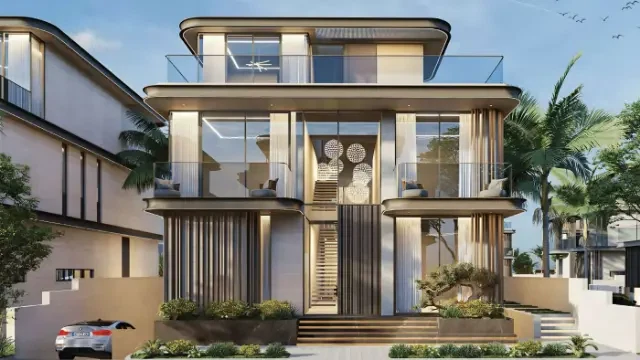
Wellington Grand Villas
AED 20,000,000
Mohammed bin Rashid City
5 & 6
13,007 - 13,568 Sq Ft
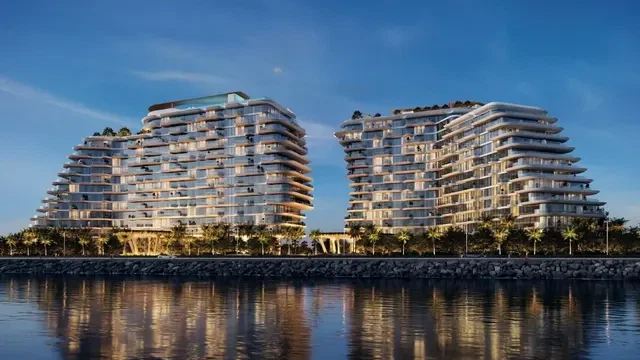
Apartments
Penthouses
Mansions
Passo by Beyond
AED 5,500,000
Palm Jumeirah
1, 2, 3, 4, 5 & 6
940 - 11830 Sq Ft
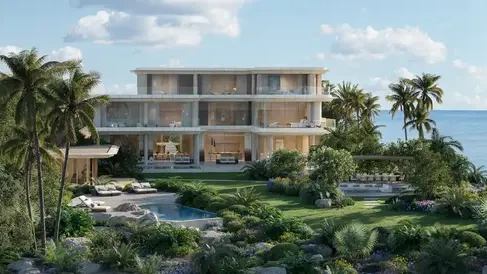
Mansions
Asora Bay Ocean Mansions by Meraas
AED 65,000,000
Jumeirah
7
41550 - 49062 Sq Ft
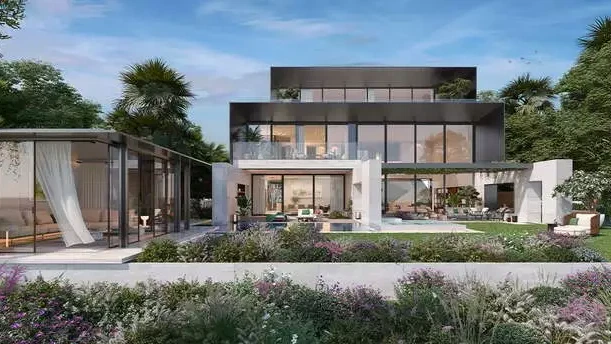
Mansions
Majid Al Futtaim Bo Monde
AED Price on Request
Tilal Al Ghaf
6 & 7
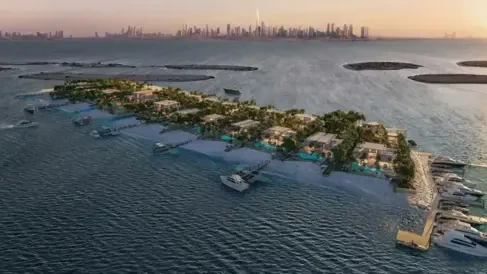
Mansions
Maldives at Damac Islands
AED Price on Request
Damac Islands
Apartments
Penthouses
The Bay Interiors by Missoni
AED 2,750,000
Dubai Islands
2, 3 & 4
1007 - 3542 Sq Ft
Apartments
Penthouses
Solaya 5 and 7 by Meraas
AED Price on Request
Jumeirah
2, 3, 4 & 5
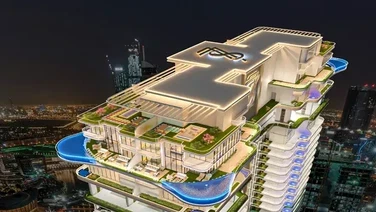
Apartments
Penthouses
77S Tower
AED Price on Request
Business Bay
1, 2, 3, 4 & 5
876 - 6500 Sq Ft
Apartments
Villas
Penthouses
Duplexes
Amali Residences
AED 14,500,000
Dubai Water Canal
2, 3, 4, 5 & 6
2880 - 21000 Sq Ft
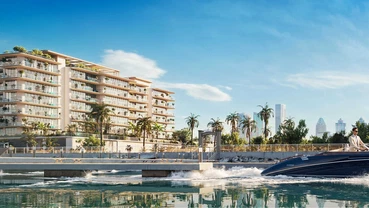
Apartments
Penthouses
Le Chateau Pietrus by Mr. Eight
AED 3,900,000
Dubai Islands
2, 3 & 4
1017 - 7008 Sq Ft
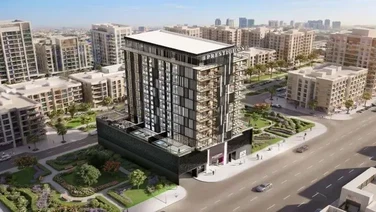
Apartments
Penthouses
Fauchon Residences by Prestige One Developments
AED Price on Request
Jumeirah Garden City
Studio, 1 & 2
1026 - 2255 Sq Ft
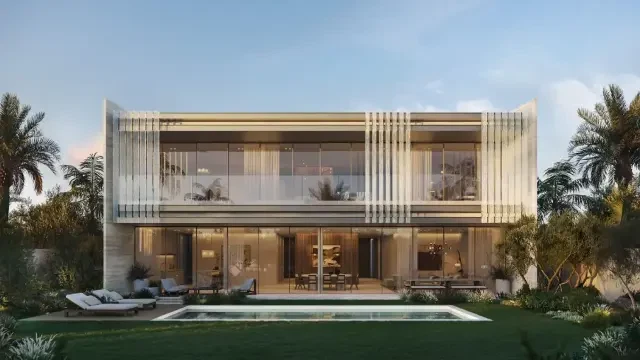
Apartments
Studios
The WOW Tower by Mr. Eight
AED 700,000
Dubai Land Residence Complex
Studio, 1 & 2
377 - 1461 Sq Ft
Apartments
Studios
Native Haus
AED 699,999
Jumeirah Village Triangle
Studio, 1 & 2
403 - 1035 Sq Ft
Apartments
Studios
Sorrento Lagoon Views by DAMAC
AED 689,000
Damac Lagoons
Studio & 1
Apartments
Studios
Samana Downtown One
AED 689,000
Jebel Ali
Studio, 1 & 2
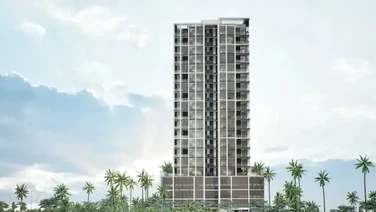
Apartments
Studios
Valore by SRG
AED 699,000
Jumeirah Village Circle
Studio, 1, 2 & 3
470 - 1805 Sq Ft
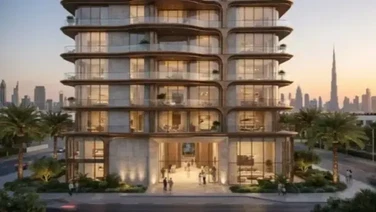
Apartments
Studios
Fala by Kasco
AED Price on Request
Al Jaddaf
Studio, 1, 2 & 3
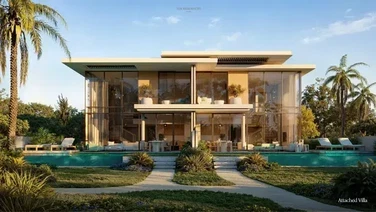
Villas
Townhouses
Bay Estate by Nakheel
AED 5,900,000
Dubai Islands
3 & 4
3054 - 11059 Sq Ft
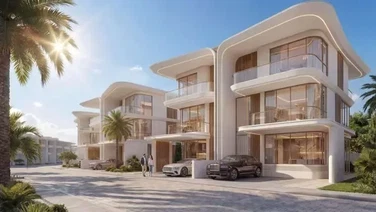
Villas
Townhouses
Greenz by Danube
AED 3,500,000
Academic City
3, 4 & 5
2400 - 3950 Sq Ft
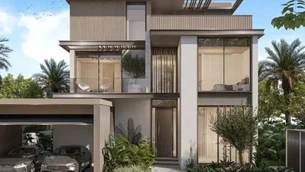
Villas
Townhouses
Meraas Nad Al Sheba Gardens 12
AED Price on Request
Nad Al Sheba
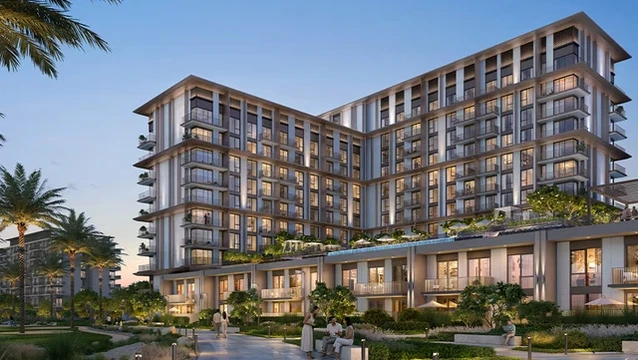
Apartments
Townhouses
EMAAR Golf Trails
AED 1,250,000
Emaar South
1, 2 & 3
719 - 2603 Sq Ft
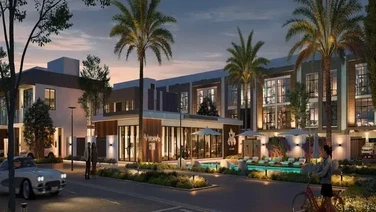
Townhouses
Verdana 9 Townhouses by Reportage
AED Price on Request
Dubai Investments Park
2, 3 & 4
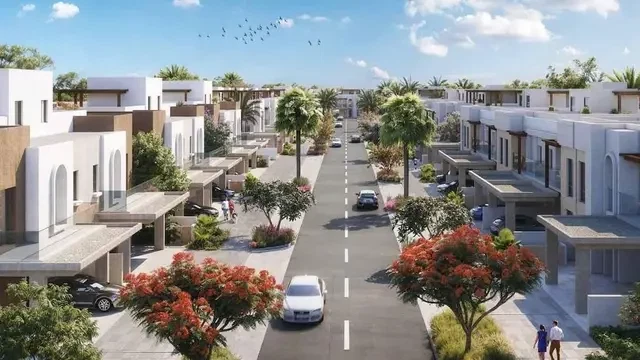
Townhouses
Hayat 1 by Dubai South Properties
AED Price on Request
Dubai South
Villas
Townhouses
Bay Estate by Nakheel
AED 5,900,000
Dubai Islands
3 & 4
3054 - 11059 Sq Ft
Villas
Townhouses
Greenz by Danube
AED 3,500,000
Academic City
3, 4 & 5
2400 - 3950 Sq Ft
Apartments
Villas
Penthouses
Duplexes
Amali Residences
AED 14,500,000
Dubai Water Canal
2, 3, 4, 5 & 6
2880 - 21000 Sq Ft
Villas
Townhouses
Meraas Nad Al Sheba Gardens 12
AED Price on Request
Nad Al Sheba
Apartments
Villas
The Wilds 3 by Aldar
AED Price on Request
Dubailand
Villas
Fleur de Jardin Villas by AMIS
AED Price on Request
Mohammed bin Rashid City
5 & 6