
Pros and Cons of Rent-To-Own Properties in Dubai
Published :
Last Updated :
- What is a Rent-to-Own Property in Dubai?
- Pros of Rent-to-Own Properties in Dubai
- Cons of Rent-to-Own Properties in Dubai
- Closing In!
Rent-to-own properties in Dubai are becoming a preferable pathway for residents seeking transition from renting to owning, while avoiding immediate mortgage approval. As mandated under the UAE Central Bank lending regulations, expatriate buyers are required to roughly 20% down payment on properties values below AED 5 million. This is why many buyers are looking for alternative options where upfront capital pressure is minimal and time is more.
In a rent-to-own structure, a tenant is allowed to lease property, while part of their rental payment is allocated toward the final purchase price. Several analysts perceive this model for bridging the gap between renting and buying.
Like any other model, rent-to-own structure also carries pros and cons. While it offers financial flexibility, several market and legal risks involved must be navigated alongside. Understanding of advantages and potential risks is essential to know how this structured approach align with contemporary property investment needs and strategies.
What is a Rent-to-Own Property in Dubai?

Under a rent-to-own contract, a property is leased to a tenant for a definite period of time, typically for two to five years. The agreement comes with the contractual guarantee, allowing tenants to purchase it at a pre-agreed price when the lease expires. Such agreements commonly feature:
1. Option Fee
Buyers (tenants) pay a small upfront fee to secure their right to purchase later. In most circumstances whether the buyer proceeds for purchase or opt-out of the deal, this fee remains non-refundable and is usually adjusted against the final purchase price.
2. Fixed Purchase Price at Contract Signing
The property price is locked in when both parties willingly sign the MoU and the agreement starts. This means that in case of market price surge, the buyer will benefit. Also, the buyer may overpay relative to current market value if the price of the property falls in the market.
3. Rental Credits
Based on the contract structure, a specified portion of rent is allocated toward the property value. The rental credit toward the final purchase price allows tenants to accumulate equity during the lease tenure.
Types of Rent-to-Own Agreements
i) Lease-Purchase Agreements
This type of rent-to-own scheme legally binds the buyer to complete the transactions, which means:
- Purchase becomes mandatory at the lease’s expiration
- Ensures long-term commitment with reduced flexibility
ii) Lease-Option Contracts
Under this type of rent-to-own, buyer may walk away from the purchase which means:
- The buyer has the right to choose between buying the property and withdrawing from the deal.
- Benefiting if the tenant is uncertain about long-term plans.
- Purchase is not an obligation at the lease’s conclusion
Pros of Rent-to-Own Properties in Dubai

1. Low Capital Requirement
One of the most crucial advantages of rent-to-own homes in Dubai is avoiding a large upfront mortgage down payment. According to UAE bank lending laws, expat buyers typically need:
- 20% initial deposit for properties below AED 5,000,000
- 25% initial deposit for properties above AED 5,000,000
This flexible approach eliminates the need for immediate financing and extends time for financial preparation.
What it Indicate?
- Buyers can preserve the liquidity for investment or business purposes instead of giving it upfront equity.
- Tenants can strengthen their credit profile, including banking history and income documentation during the lease term for higher mortgage approval chances.
2. Fixed Purchase Price in a Soaring Market
Given the vibrancy of Dubai real estate ecosystem, most prime areas, such as JVC, Dubai Silicon Oasis, and Downtown, experience steady price appreciation over time.
How Determine Prices Benefit?
- The buyer is protected against the market appreciation because the property is purchased at the pre-agreed lower rate.
- Pre-determined purchase prices eliminate uncertainty in volatile market conditions.
3. Rent Contribution toward Ownership
Payments build no ownership stake in traditional renting, whereas rent-to-own scheme allows tenants to accumulate partial equity.
How does it benefit?
- It creates a structured transition from tenancy to ownership.
- The specified percent of rental payments credited toward the final purchase price allows equity accumulation during tenancy.
This characteristic appeals to long-term residents who are confident about staying, but require time before securing financing.
4. Live before you Commit
Rent-to-own contracts enable buyers to assess the property, experience the community environment, and evaluate the developer quality and lifestyle suitability before the purchase finalizes. The test living before actual purchase ultimately reduces remorse compared to immediate off-plan purchases.
- Factors like neighborhood ecosystem, highway accessibility, and amenities become clearer over time.
- Tenants can thoroughly examine maintenance standards, building management effectiveness, and construction quality.
5. Alternate Path for Non-Qualified Mortgage Buyers
Rent-to-own agreements are often used by residents who face eligibility challenges in securing mortgage approvals due to temporary or unnecessary issues.
Who Particularly Benefits?
- Self-employed residents with variable income or individuals who lack consistent salary documentation may leverage the lease tenure to stabilize and gather financial records.
- Residents new in the country with no clear banking history can use the lease agreement time to establish a transparent local credit profile.
Cons of Rent-to-Own Properties in Dubai

1. Non-Refundable Option Fee & Credits
The possibility of losing both the rental credit and option fee is one of the most critical financial risks associated with rent-to-own schemes when the purchase doesn’t complete.
- Typically results in the loss of 1 to 5 percent of property value.
- Risk of circumstantial changes like personal issues, income reduction, or job relocation may prevent purchase completion, while the paid amount remains forfeited.
2. Potential Overpayment in a Market Downside
While price locking benefits buyers in soaring markets, the sudden downfall exposes them to considerable declines. This risk suggests buyers to evaluate long-term market trends before final commitment.
What the Risk Indicates?
- Buyers may overpay if property prices fall below the agreed purchase value.
- Fixed prices reduce the negotiation power as it follows a more complex legal structure.
3. Premium Monthly Payments
Rent-to-own payments are often exclusively priced compared to standard rental rates in the market. This is because a portion of the payment is allocated toward ownership.
What Buyer Faces?
- Financial strain and affordability pressure is likely to increase if income fluctuates.
- Premium rental structures surpassing prevailing lease values in similar units.
4. Contractual & Legal Complexity
Careful legal review is crucial as rent-to-own schemes are more complicated than conventional tenancy agreements.
- The contract may seem ambiguous regarding who bears structural repair costs.
- Legal disputes or project delays can complicate ownership transfer if it is structured directly with a developer.
5. No Guarantee of Mortgage Approval Later
In many cases, buyers fail to secure mortgage approval even after lease completes. This creates financing uncertainty at the final stage.
- Difference in property valuation by the bank may lead to mortgage rejection.
- Changes in bank’s lending criteria or tightening lending ratios may prevent buyers from securing mortgages at the final stage.
Rent-to-Own vs. Traditional Mortgage: A Comparison of Structures
| Indicator | Rent-to-Own | Traditional Mortgage |
|---|---|---|
| Upfront Deposit | 1% - 5% option fee | 20% - 25% down payment |
| Price Lock | Yes | No (market price at purchase) |
| Rental Equity | Partial | Not applicable |
| Mortgage Approval | Can be secured later | Immediate |
| Legal Complexity | High | Moderate |
Why Rent to Own is Gaining Significant Attention
Dubai recorded robust real estate transaction volumes in consecutive years, with demand soaring across both off-plan and ready segments. Amidst this competition and growing concern of rental affordability for mid-income residents, flexible pathways like rent-to-own schemes are gaining considerable traction.
RTO structures prevent the need of immediate mortgage commitment and attract residents looking for long-term security. However, traditional mortgage-backed purchases still dominate transaction volumes due to the selective adoption of RTO in Dubai’s current real estate ecosystem.
Who Benefits Most from Dubai Rent-to-Own Schemes?
- Buyers confident in district appreciation only consider strong-performing nodes with a potential of greater upside.
- Professionals expecting an increase in future salary can consider rent-to-own for easy final mortgage approval.
- Long-term UAE residents planning to stay in the city with stability face the reduced risk of forfeiting option fee and rental credits.
Closing In!
Rent-to-own properties particularly appeal to residents who need time to accumulate capital or secure financing. In a dynamic environment like Dubai, it serves as a flexible bridge between full ownership and renting. The structure further locks in equity-building potential and opens the opportunity to experience property before final commitment.
It also offers price protection in appreciating markets, but market volatility may turn the benefit downward while non-refundable fees and legal complexity follow the risk. This means that rent-to-own properties can be advantageous, but only when the buyer has strong financial planning and contractual clarity.



Your gateway to offline planning in the digital realm. Discover a world of real estate opportunities through our immersive offline property website experience
Apartments
Studios
The WOW Tower by Mr. Eight
AED 700,000
Dubai Land Residence Complex
Studio, 1 & 2
377 - 1461 Sq Ft

Apartments
Studios
Native Haus
AED 699,999
Jumeirah Village Triangle
Studio, 1 & 2
403 - 1035 Sq Ft
Apartments
Studios
Sorrento Lagoon Views by DAMAC
AED 689,000
Damac Lagoons
Studio & 1
Apartments
Studios
Samana Downtown One
AED 689,000
Jebel Ali
Studio, 1 & 2
Apartments
Penthouses
Solaya 5 and 7 by Meraas
AED Price on Request
Jumeirah
2, 3, 4 & 5

Apartments
Penthouses
The Bay Interiors by Missoni
AED 2,750,000
Dubai Islands
2, 3 & 4
1007 - 3542 Sq Ft
Apartments
Studios
The WOW Tower by Mr. Eight
AED 700,000
Dubai Land Residence Complex
Studio, 1 & 2
377 - 1461 Sq Ft
Apartments
Studios
Native Haus
AED 699,999
Jumeirah Village Triangle
Studio, 1 & 2
403 - 1035 Sq Ft
Apartments
Studios
Sorrento Lagoon Views by DAMAC
AED 689,000
Damac Lagoons
Studio & 1
Apartments
Penthouses
Solaya 5 and 7 by Meraas
AED Price on Request
Jumeirah
2, 3, 4 & 5
Apartments
Penthouses
The Bay Interiors by Missoni
AED 2,750,000
Dubai Islands
2, 3 & 4
1007 - 3542 Sq Ft
Apartments
Object 1 Lum1nar Towers
AED Price on Request
Jumeirah Village Triangle
Studio, 1, 2 & 3
355 - 1983 Sq Ft

Commercial
O1NE District Dawn by Avenew
AED Price on Request
Motor City

Commercial
Piazza Roma by DAMAC
AED Price on Request
Damac Lagoons

Commercial
Burj Capital Phase 3 by Centurion Properties
AED Price on Request
Business Bay

Apartments
Commercial
Penthouses
The Symphony by Imtiaz
AED 2,000,000
Meydan
1, 2 & 3
640 - 4244

Apartments
Commercial
Sol Luxe Tower
AED 1,900,000
Sheikh Zayed Road
1, 2 & 3

Apartments
Commercial
DAMAC District
AED 1,142,000
Damac hills
1 & 2
740 - 6588 Sq Ft
Apartments
Duplexes
Rabdan Avenue
AED 1,300,000
Meydan
1, 2 & 3
687 - 2937 Sq Ft
Apartments
Duplexes
Modo at Avenew 888
AED Price on Request
Dubai South
1, 2 & 3
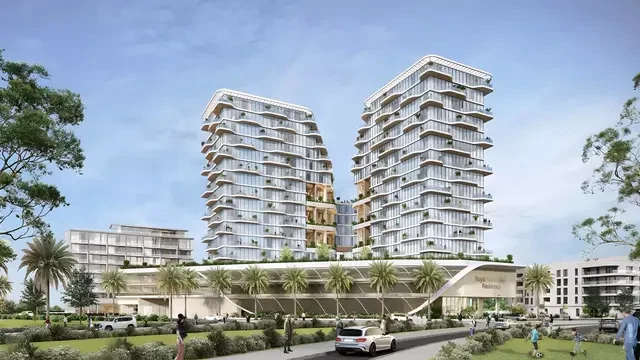
Apartments
Duplexes
Royal Yacht Club Residence by Azimuth Development
AED Price on Request
Dubai Islands
1, 2, 3 & 4
720 - 3909 Sq Ft
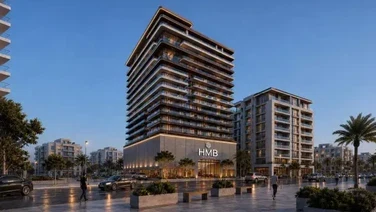
Apartments
Studios
Duplexes
Beverly Crown by HMB Homes
AED 680,000
Jumeirah Village Circle
Studio, 1 & 2
438 - 2321 Sq Ft
Apartments
Duplexes
Gateway Residences by Premier Choice
AED 1,164,000
Jumeirah Village Circle
1, 2 & 3
748 - 2352 Sq Ft
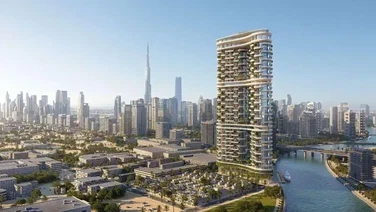
Apartments
Villas
Penthouses
Duplexes
Amali Residences
AED 14,500,000
Dubai Water Canal
2, 3, 4, 5 & 6
2880 - 21000 Sq Ft
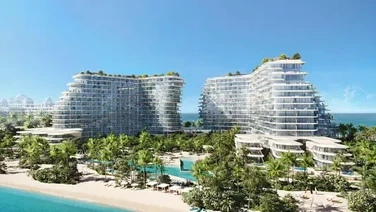
Apartments
Penthouses
Mansions
Bella by Passo
AED Price on Request
Palm Jumeirah
1, 2, 3, 4, 5 & 6
1541 - 12382 Sq Ft
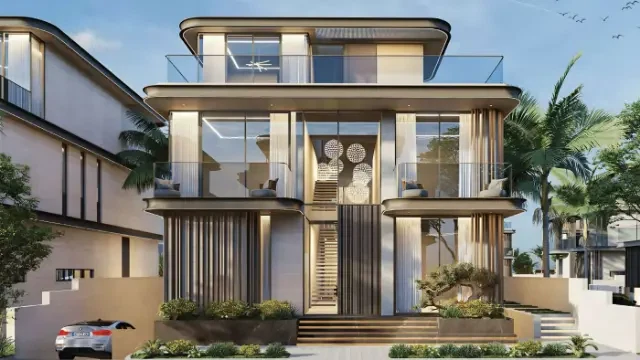
Villas
Mansions
Wellington Grand Villas
AED 20,000,000
Mohammed bin Rashid City
5 & 6
13,007 - 13,568 Sq Ft
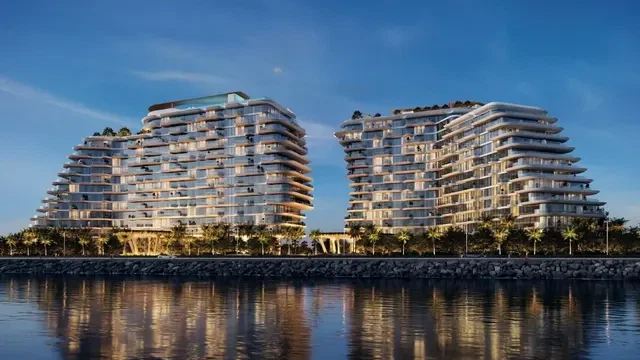
Apartments
Penthouses
Mansions
Passo by Beyond
AED 5,500,000
Palm Jumeirah
1, 2, 3, 4, 5 & 6
940 - 11830 Sq Ft

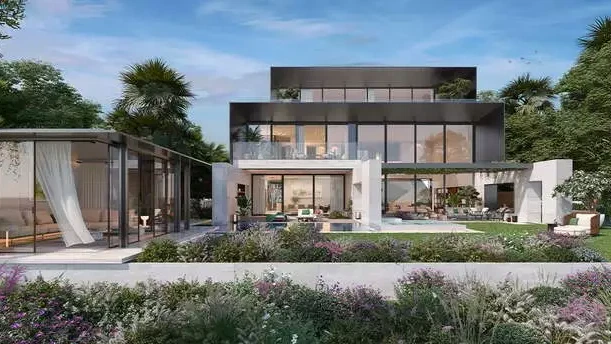
Mansions
Asora Bay Ocean Mansions by Meraas
AED 65,000,000
Jumeirah
7
41550 - 49062 Sq Ft
Mansions
Majid Al Futtaim Bo Monde
AED Price on Request
Tilal Al Ghaf
6 & 7

Mansions
Maldives at Damac Islands
AED Price on Request
Damac Islands
Apartments
Penthouses
The Bay Interiors by Missoni
AED 2,750,000
Dubai Islands
2, 3 & 4
1007 - 3542 Sq Ft
Apartments
Penthouses
Solaya 5 and 7 by Meraas
AED Price on Request
Jumeirah
2, 3, 4 & 5
Apartments
Penthouses
77S Tower
AED Price on Request
Business Bay
1, 2, 3, 4 & 5
876 - 6500 Sq Ft
Apartments
Villas
Penthouses
Duplexes
Amali Residences
AED 14,500,000
Dubai Water Canal
2, 3, 4, 5 & 6
2880 - 21000 Sq Ft
Apartments
Penthouses
Le Chateau Pietrus by Mr. Eight
AED 3,900,000
Dubai Islands
2, 3 & 4
1017 - 7008 Sq Ft
Apartments
Penthouses
Fauchon Residences by Prestige One Developments
AED Price on Request
Jumeirah Garden City
Studio, 1 & 2
1026 - 2255 Sq Ft
Apartments
Studios
The WOW Tower by Mr. Eight
AED 700,000
Dubai Land Residence Complex
Studio, 1 & 2
377 - 1461 Sq Ft
Apartments
Studios
Native Haus
AED 699,999
Jumeirah Village Triangle
Studio, 1 & 2
403 - 1035 Sq Ft
Apartments
Studios
Sorrento Lagoon Views by DAMAC
AED 689,000
Damac Lagoons
Studio & 1
Apartments
Studios
Samana Downtown One
AED 689,000
Jebel Ali
Studio, 1 & 2
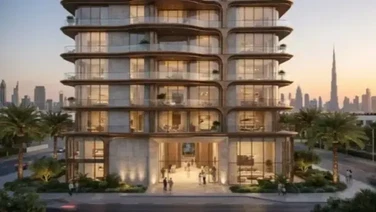
Apartments
Studios
Fala by Kasco
AED Price on Request
Al Jaddaf
Studio, 1, 2 & 3
Apartments
Studios
Valore by SRG
AED 699,000
Jumeirah Village Circle
Studio, 1, 2 & 3
470 - 1805 Sq Ft
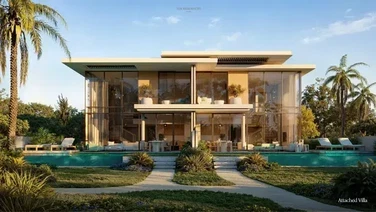
Villas
Townhouses
Bay Estate by Nakheel
AED 5,900,000
Dubai Islands
3 & 4
3054 - 11059 Sq Ft
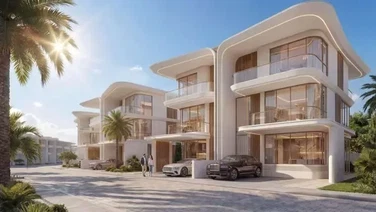
Villas
Townhouses
Greenz by Danube
AED 3,500,000
Academic City
3, 4 & 5
2400 - 3950 Sq Ft
Villas
Townhouses
Meraas Nad Al Sheba Gardens 12
AED Price on Request
Nad Al Sheba
Apartments
Townhouses
EMAAR Golf Trails
AED 1,250,000
Emaar South
1, 2 & 3
719 - 2603 Sq Ft

Townhouses
Verdana 9 Townhouses by Reportage
AED Price on Request
Dubai Investments Park
2, 3 & 4
Townhouses
Hayat 1 by Dubai South Properties
AED Price on Request
Dubai South
Villas
Townhouses
Bay Estate by Nakheel
AED 5,900,000
Dubai Islands
3 & 4
3054 - 11059 Sq Ft
Villas
Townhouses
Greenz by Danube
AED 3,500,000
Academic City
3, 4 & 5
2400 - 3950 Sq Ft
Apartments
Villas
Penthouses
Duplexes
Amali Residences
AED 14,500,000
Dubai Water Canal
2, 3, 4, 5 & 6
2880 - 21000 Sq Ft
Villas
Townhouses
Meraas Nad Al Sheba Gardens 12
AED Price on Request
Nad Al Sheba
Apartments
Villas
The Wilds 3 by Aldar
AED Price on Request
Dubailand
Villas
Fleur de Jardin Villas by AMIS
AED Price on Request
Mohammed bin Rashid City
5 & 6