Understanding Floor Area Ratio (FAR) in Dubai Real Estate
Published :
Last Updated :
- What Is Floor Area Ratio (FAR)?
- How FAR Works in Dubai Real Estate
- Closing In
The FAR has a significant impact on the real estate market in Dubai. It affects building heights, densities, land values and investment potential. FAR is used by developers to maximise the use of land. Meanwhile, investors use it to evaluate future returns and urban growth potential. With Dubai's vertical growth, FAR has become an important concept for property buyers and developers. Investors can make better choices in communities of high or low density with this FAR understanding.
What Is Floor Area Ratio (FAR)?
The ratio of the total built-up area of a building to the land plot area is called the Floor Area Ratio. The FAR is used to regulate density and development intensity on an urban planning and municipal level.
The formula is:
- FAR = Total Gross Floor Area (GFA) ÷ Plot Area
For Instance, a 10,000 sq. ft. plot with 50,000 sq. ft. of built-up space has an FAR of 5. This indicates that the building area is 5 times the land area.
The amount of FAR is not the same as plot coverage. Coverage plots describe the extent of land that is covered by the building. FAR is calculated for land area at all levels. A large FAR can be found in a tower with many floors, covering a small land area.
Dubai developers do their due diligence on FAR before embarking on projects. It directly affects profitability, unit count and project design.
How FAR Works in Dubai Real Estate
Dubai Municipality regulates FAR by zoning regulations and master planning guidelines. Each district has specific development controls based on infrastructure capacity and urban goals.
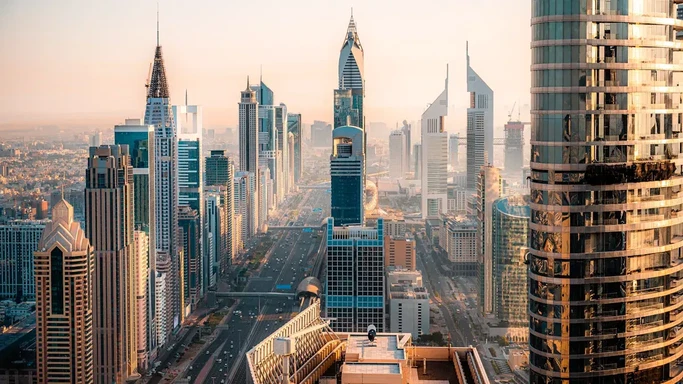
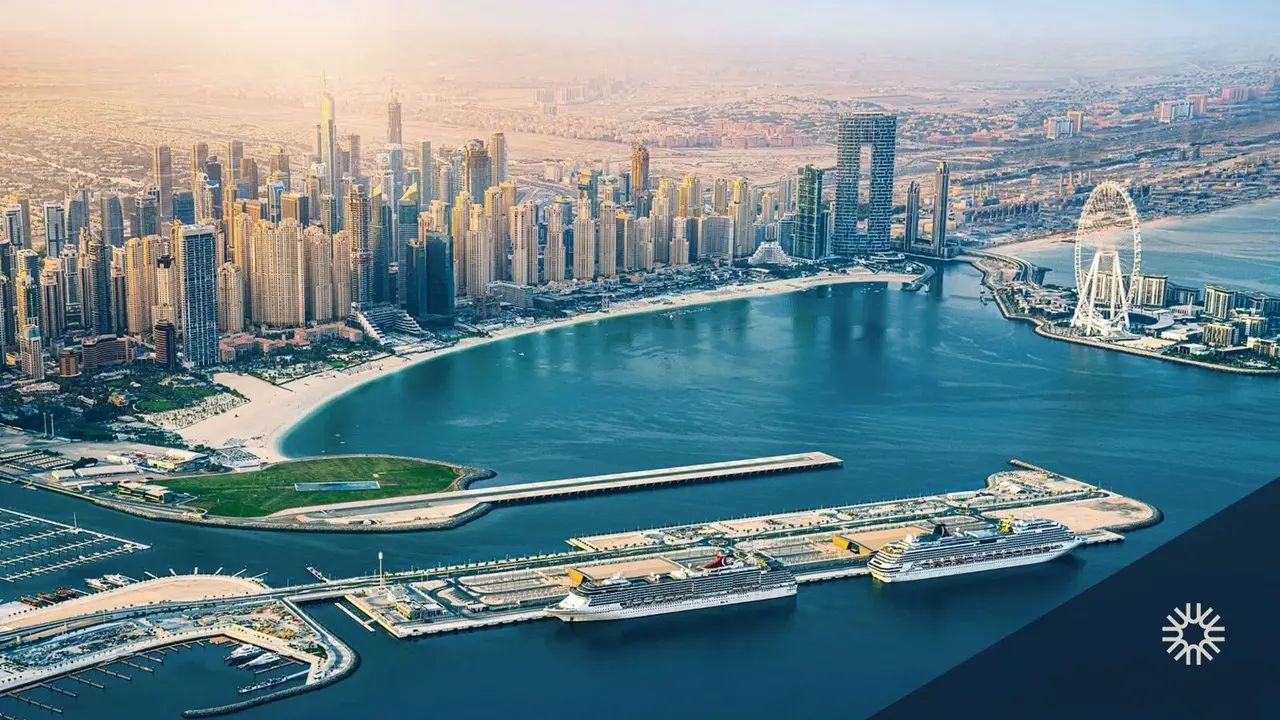
High-density districts are subject to larger FAR limits. These are Downtown Dubai, Business Bay and Dubai Marina. The sites are conducive to the growth of tall towers and mixed-use developments. Low-density communities are subject to lower FAR limits. Emirates Hills and Al Barari are geared towards open spaces and less congestion.
Developers should seek approvals if they are going to use more than the normal amount of FAR. In some instances, the authorities allow bonus FAR for projects that have sustainability elements or public facilities.
The FAR regulations will also be affected by the Dubai 2040 Urban Master Plan. The Government's goal is to make walking more desirable, transport systems more efficient and smart urban development.
Why FAR Matters for Property Investors
The FAR can have an impact on a number of aspects for investors:
Rental Yield Potential
Rental demand is high in the case of high-density projects. Commercial and metro-connected areas are always attracting tenants. For instance, the occupancy rates in Business Bay and JLT are high as they are combined residential and office.
Capital Appreciation
There is limited availability of land in premium zones, which results in higher long-term value. In these areas, developers strive to get the highest possible FAR to maximise returns. The price growth in high FAR districts tends to be greater due to vertical expansion possibilities for the infrastructure and demand.
Redevelopment Opportunities
Plots with good FAR permissions can have redevelopment potential. Older buildings in redevelopment areas are sometimes sought after by investors for future investment return.
Commercial Viability
FAR efficiency is a key factor in the development of retail and office. The higher the FAR, the more space available for leasing by developers.
FAR and Urban Density in Dubai
Urban density is the density of buildings and people in an area. FAR is used as one of the primary control methods of density. In the past 20 years, Dubai has decided to take the vertical approach. The city built high-rise districts in order to promote economic development and population growth.
Dubai's downtown area is a good example of high-density planning. The district comprises a small area with residential towers, hotels, office and retail. Efficient land usage is also exhibited in Dubai Marina. The multi-story residential towers provide maximum use of waterfront land and enhance tourism and urban life.
A higher FAR helps fulfil a number of urban planning objectives:
- Efficient land usage
- Improved public transport efficiency
- Reduced urban sprawl
- Increased commercial activity
- Denser districts have higher walkability.
But high density can lead to infrastructure stress. In crowded areas, traffic jams and parking issues are frequent problems. Dubai's authorities are cautious when making decisions regarding FAR regulations. Today, measures of sustainability and livability are more important than simple density.
How to Perform a FAR Calculation?
Investors can use the FAR to better assess potential project profitability.
Step 1: Measure the Plot Area
Determine the plot size. Typically, developers will measure land in square feet or square meters.
Example:
- Plot area = 10,000 sq. ft.
Step 2: Calculate Total Built-Up Area
Then determine the net floor area of the entire building.
This may include:
- Residential units
- Hallways
- Common areas
- Retail spaces
- Office areas
Example:
- Total built-up area = 50,000 sq. ft.
Step 3: Use the FAR Formula
Apply the FAR equation:
FAR= 10,000 sq.ft ÷ 50,000 sq.ft =5
The FAR equals 5.
Step 4: Interpret the Result
A lower FAR results in lower-density development. Communities are typically suburban villas. Intensive land use indicates a high FAR. The FAR is usually higher for high-rise buildings and mixed-use buildings.
It is important for investors to know this information to gain a better understanding of the future density, rental demand and infrastructure pressure.
Typical FAR Ranges & Examples
The FARs are very different in the various communities of Dubai.
Low FAR Developments
Low FAR communities focus on space, privacy, and greenery.
Examples include:
- Emirates Hills
- Al Barari
- Arabian Ranches
Typical FAR range:
- 0.3 to 1.0
The following areas are characterised by villas and low-rise buildings. Larger lots and less congestion for residents.
Medium FAR Developments
Medium FAR zones are places where density and livability are in equilibrium.
Examples include:
- Jumeirah Village Circle (JVC)
- Dubai Hills Estate
- Mirdif
Typical FAR range:
- 1.5 to 3.0
These communities consist of apartments, townhouses and retail areas.
High FAR Developments
High FAR districts are built up vertically to maximise land use.
Examples include:
- Downtown Dubai
- Business Bay
- Dubai Marina
Typical FAR range:
- 5.0 and above
These are good locations for skyscrapers, mixed-use towers and dense urban settings.
Example Comparison
The FAR of a villa plot is below 1.0 in Emirates Hills. Meanwhile, a tower in Downtown Dubai may be able to surpass FAR 10.
The lower FAR community provides privacy and open areas. The upper-tier FAR zone is more commercial and more sought after for rentals. There are two different investor types that will be drawn to both strategies.
Dubai Municipality Rules & FAR Regulations
The Emirate of Dubai is governed by regulations of development issued by Dubai Municipality. The developer has to comply with zoning and planning regulations.
The areas have set development parameters based on:
- Land usage
- Population targets
- Infrastructure capacity
- Environmental considerations
- FAR regulations can be changed for future urban objectives.
Higher density allowances could be granted in future years to communities located near metro stations.
Developers are also required to meet the following requirements:
- Parking regulations
- Fire safety requirements
- Sustainability standards
- Building height restrictions
Some communities have their own master developer guidelines that complement the municipal regulations in the Freehold communities.
Future of FAR and Urban Planning in Dubai
The planning of Dubai continues to change all the time. The Dubai 2040 Urban Master Plan includes sustainable density and connected communities as one of the key elements.
The Government's objectives are to:
- Increase green spaces
- Improve public transportation
- Enhance pedestrian mobility
- Support mixed-use districts
- Reduce urban sprawl
Future growth is likely to be smarter, FAR distribution instead of density growth. FAR allowances may be higher in areas that are connected to metro expansions. In the meantime, a low-density can be maintained in luxury villa communities for lifestyle reasons. The future will also be influenced by technology and sustainability. Smart buildings, energy efficiency and walkability will be more and more critical.
Closing In
The concept of Floor Area Ratio is a critical concept in Dubai real estate. It affects urban density, land efficiency, returns on investment and long-term planning of the city. Economic growth and robust rental markets go hand in hand with high FAR communities. In the meantime, small FAR developments are providing uniqueness and room for occupancy. Successful investors know both and make decisions accordingly.
Elevating the quality of life in Dubai will remain a balancing act between density, infrastructure, sustainability and quality of life. The understanding of FAR can help investors make better-informed decisions regarding investments.
FAQs
What is the effect of FAR on Dubai’s real estate investment?
FAR has a direct impact on the real estate investment potential in Dubai. The more units that can be built, the higher the FAR a project will yield within the same land area. This boosts supply and income opportunities.
Is FAR the only criteria to judge the worth of property in Dubai?
However, FAR isn't the sole criteria by which investors should judge a project. The quality of the community and infrastructure is also important.
Which area offers high FAR developments in Dubai?
Downtown Dubai, Business Bay and Dubai Marina are the best developments that offer high FAR.



Your gateway to offline planning in the digital realm. Discover a world of real estate opportunities through our immersive offline property website experience
Apartments
Studios
Treppan Vision by Fakhruddin
AED Price on Request
Dubai Land Residence Complex
Studio, 1 & 2
453 - 7509 Sq Ft
Apartments
Vision Iconic by Binghatti
AED Price on Request
Meydan
1, 2, 3, 4 & 5
Apartments
Shahrukhz Residences by Danube
AED Price on Request
Dubai Maritime City
Apartments
Tessera by Al Ghurair Development
AED Price on Request
Dubai South
Apartments
Duplexes
Rabdan Avenue
AED 1,300,000
Meydan
1, 2 & 3
687 - 2937 Sq Ft
Apartments
The Weave by Al Ghurair Development
AED 1,200,000
Jumeirah Village Circle
1, 2 & 3
776 - 2221 Sq Ft
Apartments
Studios
Treppan Vision by Fakhruddin
AED Price on Request
Dubai Land Residence Complex
Studio, 1 & 2
453 - 7509 Sq Ft
Apartments
Vision Iconic by Binghatti
AED Price on Request
Meydan
1, 2, 3, 4 & 5

Apartments
Aris by Grid
AED Price on Request
Dubai South
Studio, 1 & 2
Apartments
Shahrukhz Residences by Danube
AED Price on Request
Dubai Maritime City
Apartments
Tessera by Al Ghurair Development
AED Price on Request
Dubai South
Apartments
SAMANA South Haven 2
AED Price on Request
Dubai Industrial City
Commercial
O1NE District Dawn by Avenew
AED Price on Request
Motor City
Commercial
Piazza Roma by DAMAC
AED Price on Request
Damac Lagoons
Commercial
Burj Capital Phase 3 by Centurion Properties
AED Price on Request
Business Bay

Apartments
Commercial
Penthouses
The Symphony by Imtiaz
AED 2,000,000
Meydan
1, 2 & 3
640 - 4244
Apartments
Commercial
Sol Luxe Tower
AED 1,900,000
Sheikh Zayed Road
1, 2 & 3
Apartments
Commercial
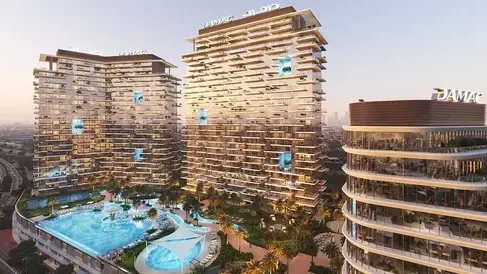
DAMAC District
AED 1,142,000
Damac hills
1 & 2
740 - 6588 Sq Ft
Apartments
Duplexes
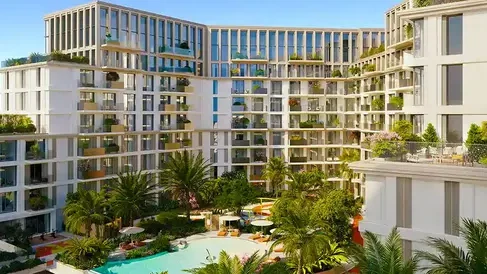
Rabdan Avenue
AED 1,300,000
Meydan
1, 2 & 3
687 - 2937 Sq Ft
Apartments
Duplexes
Modo at Avenew 888
AED Price on Request
Dubai South
1, 2 & 3
Apartments
Duplexes
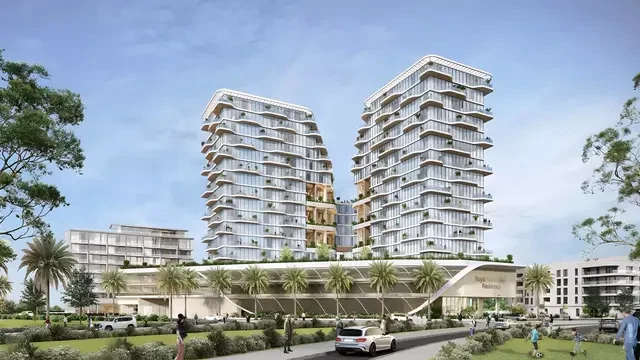
Royal Yacht Club Residence by Azimuth Development
AED Price on Request
Dubai Islands
1, 2, 3 & 4
720 - 3909 Sq Ft
Apartments
Studios
Duplexes
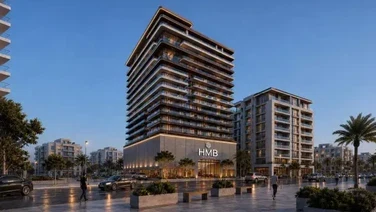
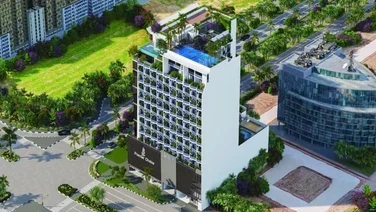
Beverly Crown by HMB Homes
AED 680,000
Jumeirah Village Circle
Studio, 1 & 2
438 - 2321 Sq Ft
Apartments
Duplexes
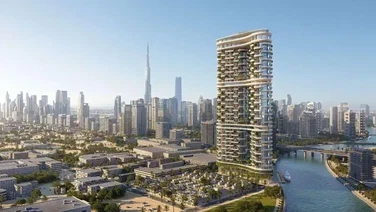
Gateway Residences by Premier Choice
AED 1,164,000
Jumeirah Village Circle
1, 2 & 3
748 - 2352 Sq Ft
Apartments
Villas
Penthouses
Duplexes
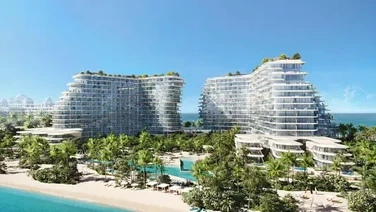
Amali Residences
AED 14,500,000
Dubai Water Canal
2, 3, 4, 5 & 6
2880 - 21000 Sq Ft
Apartments
Penthouses
Mansions
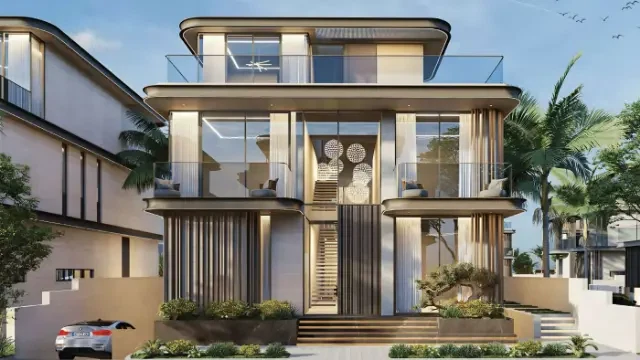
Bella by Passo
AED Price on Request
Palm Jumeirah
1, 2, 3, 4, 5 & 6
1541 - 12382 Sq Ft
Villas
Mansions
Wellington Grand Villas
AED 20,000,000
Mohammed bin Rashid City
5 & 6
13,007 - 13,568 Sq Ft
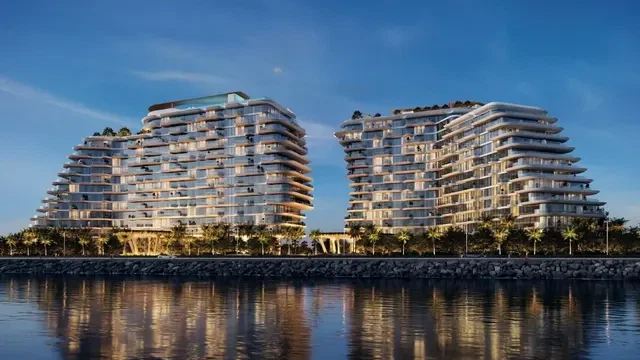
Apartments
Penthouses
Mansions
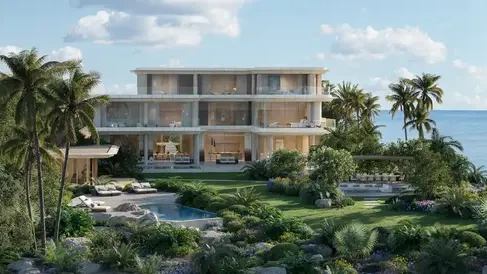
Passo by Beyond
AED 5,500,000
Palm Jumeirah
1, 2, 3, 4, 5 & 6
940 - 11830 Sq Ft
Mansions
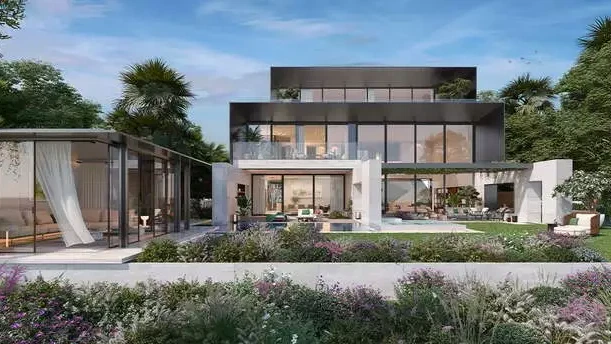
Asora Bay Ocean Mansions by Meraas
AED 65,000,000
Jumeirah
7
41550 - 49062 Sq Ft
Mansions
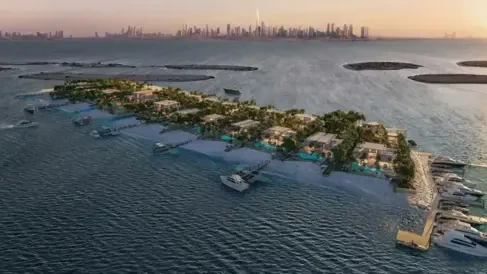
Majid Al Futtaim Bo Monde
AED Price on Request
Tilal Al Ghaf
6 & 7
Mansions
Maldives at Damac Islands
AED Price on Request
Damac Islands
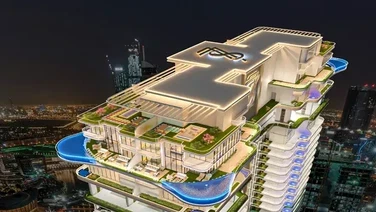
Apartments
Penthouses
77S Tower
AED Price on Request
Business Bay
1, 2, 3, 4 & 5
876 - 6500 Sq Ft
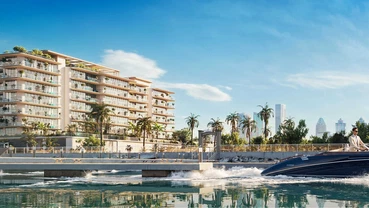
Apartments
Villas
Penthouses
Duplexes
Amali Residences
AED 14,500,000
Dubai Water Canal
2, 3, 4, 5 & 6
2880 - 21000 Sq Ft
Apartments
Penthouses
Le Chateau Pietrus by Mr. Eight
AED 3,900,000
Dubai Islands
2, 3 & 4
1017 - 7008 Sq Ft
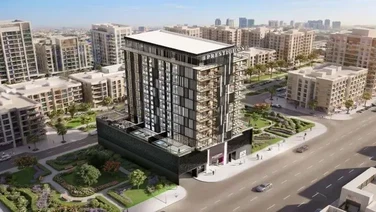
Apartments
Penthouses
Fauchon Residences by Prestige One Developments
AED Price on Request
Jumeirah Garden City
Studio, 1 & 2
1026 - 2255 Sq Ft
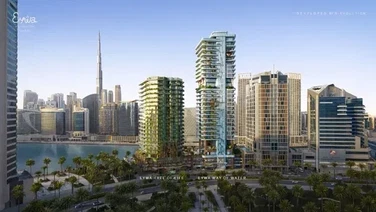
Apartments
Penthouses
Duplexes
Eywa Way of Water by R.Evolution
AED 9,000,000
Business Bay
2, 3, 4 & 5
2154 - 22900 Sq Ft
Apartments
Penthouses
Duplexes
Ellington Sands 2
AED Price on Request
Dubai Islands
1, 2, 3 & 4
800 - 5964 Sq Ft
Apartments
Studios
Treppan Vision by Fakhruddin
AED Price on Request
Dubai Land Residence Complex
Studio, 1 & 2
453 - 7509 Sq Ft
Apartments
Studios
One by Nine
AED Price on Request
Nad Al Sheba
Studio, 1 & 2
563 - 1069 Sq Ft
Apartments
Studios
11 Hills Park by TownX
AED 675,000
Dubai Science Park
Studio & 1
474 - 831 Sq Ft
Apartments
Studios
Kore by Imtiaz
AED Price on Request
Dubai Land Residence Complex
Studio, 1, 2 & 3
Apartments
Studios
Oasis Residences by Al Helal Al Zahaby
AED 590,000
Dubai South
Studio, 1, 2 & 3
427 - 1992 Sq Ft
Apartments
Studios
Astra Residences by Dugasta Properties
AED Price on Request
Dubai South
Studio, 1 & 2
349 - 1792 Sq Ft
Villas
Townhouses
Bay Estate by Nakheel
AED 5,900,000
Dubai Islands
3 & 4
3054 - 11059 Sq Ft
Villas
Townhouses
Greenz by Danube
AED 3,500,000
Academic City
3, 4 & 5
2400 - 3950 Sq Ft
Villas
Townhouses
Meraas Nad Al Sheba Gardens 12
AED Price on Request
Nad Al Sheba
Apartments
Townhouses
EMAAR Golf Trails
AED 1,250,000
Emaar South
1, 2 & 3
719 - 2603 Sq Ft
Townhouses
Verdana 9 Townhouses by Reportage
AED Price on Request
Dubai Investments Park
2, 3 & 4
Townhouses
Hayat 1 by Dubai South Properties
AED Price on Request
Dubai South
Villas
Townhouses
Bay Estate by Nakheel
AED 5,900,000
Dubai Islands
3 & 4
3054 - 11059 Sq Ft
Villas
Townhouses
Greenz by Danube
AED 3,500,000
Academic City
3, 4 & 5
2400 - 3950 Sq Ft
Apartments
Villas
Penthouses
Duplexes
Amali Residences
AED 14,500,000
Dubai Water Canal
2, 3, 4, 5 & 6
2880 - 21000 Sq Ft
Villas
Townhouses
Meraas Nad Al Sheba Gardens 12
AED Price on Request
Nad Al Sheba
Apartments
Villas
The Wilds 3 by Aldar
AED Price on Request
Dubailand
Villas
Lunaya by Zaya
AED 4,900,000
Jebel Ali
4 & 5
2966 - 8231 Sq Ft