Dubai Metro Gold Line: A Game Changer for Connectivity and Real Estate
Published :
Last Updated :
- What is the Dubai Metro Gold Line?
- The Route: Old Dubai to the Southwest
- Dubai Metro Gold Line Key Facts & Figures
- Closing In
Dubai always likes to make a big plan. It typically unveils the region's largest transport projects. The Dubai Metro Gold Line is no exception.
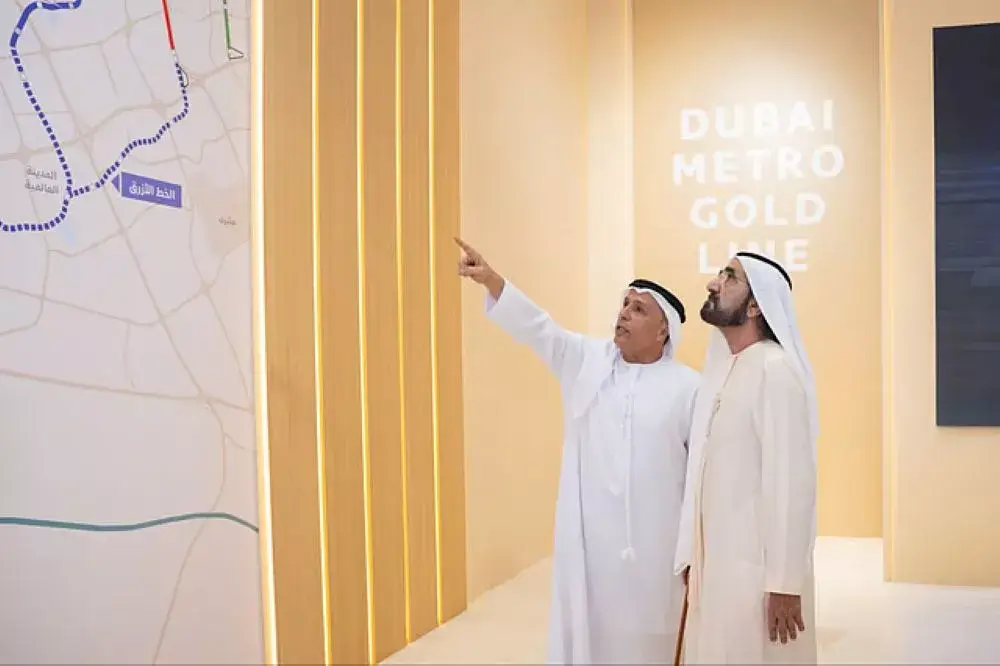
On 22 April 2026, Sheikh Mohammed bin Rashid Al Maktoum announced the Gold Line - a 42 kilometre, fully underground metro line worth AED 34 billion. This is Dubai's biggest transport project in history, and it will be ready on 9 September 2032.
But this is more exciting than any other infrastructure project. The Gold Line isn't simply connecting areas that already have great access to public transport. It's the project that brings the metro to the areas that have been waiting for years that includes Satwa, Meydan, Dubai Hills, and Jumeirah Village Circle. For them, it quite simply transforms their lives. It's a new real estate investment opportunity for the city.
What is the Dubai Metro Gold Line?
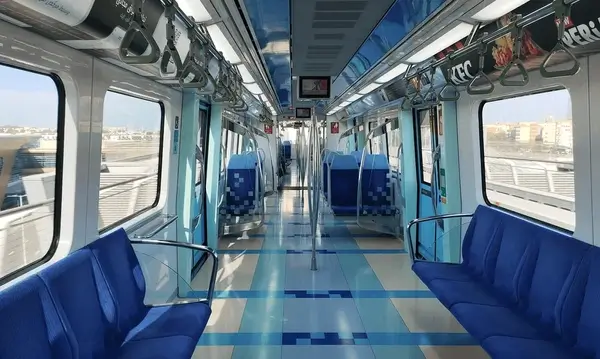
After the Red and Green Lines which opened in 2009, the Gold Line is the third major line of Dubai Metro. But it's a different sort of metro. While the previous two lines are mostly above ground, the Gold Line will be 100% underground, and as much as 40 metres below the surface.
It's no small task. In fact, the length of its tunnels will be twice as long as the current Dubai Metro tunnels. The venture is part of Dubai's Rail Network Plan 2032, also comprising the Blue Line (being built) and the future Purple and Pink Lines. After completion, the Dubai Metro network will be 162 kilometres and 85 stations long.
9 September 2032 is the opening date. This will be 23 years after the Dubai Metro first began operation in September 2009. A symbolically significant date, in a city that likes to show off.
The Route: Old Dubai to the Southwest
The Gold Line starts at Al Ghubaiba (in the centre of historic Bur Dubai) and ends at Jumeirah Golf Estates, a high-end gated community in the southwest. Over 42 kilometres, it spans 15 important areas, and has 18 stations.
It can be thought of as a diagonal line on the map of Dubai - an intersection of old and new, inner and outer, traditional and modern.
It up with the Green Line at Al Ghubaiba, and Red Line at Business Bay and Jumeirah Golf Estates. And to connect metro and national rail for the first time in Dubai, two locations (Meydan and Jumeirah Golf Estates) will connect directly with the Etihad Rail passenger network.
Station / Area
- Al Ghubaiba
- Bur Dubai / Mina Rashid
- BurJuman
- Satwa (Station 1)
- Satwa (Station 2)
- City Walk / Jumeirah
- Business Bay
- MBR City
- Meydan
- MBR Gardens / Al Barari
- Dubai Hills Estate
- Al Barsha South / JVC
- Global Village
- Dubai Sports / Studio City
- Tilal Al Ghaf / JVT Area
- Jumeirah Golf Estates
Dubai Metro Gold Line Key Facts & Figures
| Detail | Information |
|---|---|
| Total Length | 42 kilometres |
| Number of Stations | 18 stations |
| Strategic Areas Served | 15 key locations |
| Real Estate Developments Connected | 55 mega projects |
| Investment | AED 34 billion (~USD 9.25 billion) |
| Expected Daily Riders by 2040 | 465,000 passengers |
| Residents Served | Approximately 1.5 million |
| Construction Method | Fully underground (TBM technology) |
| Tender Issuance | 2026 |
| Contract Award | 2027 |
| Expected Opening Date | 9 September 2032 |
Timeline: When will work start?
The Gold Line is scheduled to start bidding in 2026 and start construction contracts in 2027. Tunnelling will be done with state-of-the-art boring machines down to 40 metres below the surface - minimising disruption on Dubai's congested streets.
An interesting note: The Gold Line is likely to be built 30% faster than the Blue Line, currently under construction. This is a big statement by the RTA, and it indicates that the planning has been completed.
| Year | What Happens |
|---|---|
| 2026 | Tenders issued to contractors |
| 2027 | Contracts awarded — construction begins |
| 2028–2031 | Underground tunnelling and station construction |
| 2032 | Fit-out, systems testing, trial runs. |
| 9 Sept 2032 | Gold Line opens to the public. |
Who Benefits Most? The Communities Along the Route
Some of the greatest beneficiaries of the Gold Line are areas that have been waiting for this for so long.
- Satwa, for instance, is one of the most densely populated neighbourhoods in Dubai, with a rich cultural diversity - but until now the nearest metro stations have been 20 minutes' walk away. The Gold Line's two stations at Meydan solve that problem.
- Then there's Meydan. It is home to the world-famous Meydan Racecourse and a growing number of residential and mixed-use developments, but currently has no metro service. Enter the Gold Line, which will make it home to an Etihad Rail interchange, too.
- The other big winner is Dubai Hills Estate. It's a planned city, already with Dubai Hills Mall and an 18-hole golf course and is being developed for over 100,000 people. Dubai Hills Estate needed metro access.
- And JVC - Jumeirah Village Circle - already one of Dubai's most dynamic communities, in terms of both residential and investment activity, gets a metro connection that will only enhance its value.
Beyond specific neighbourhoods, the figures don't lie. The Gold Line will eventually connect 1.5 million residents and take more than 40 million car trips off of Dubai's roads annually.
The Gold Line and Dubai Real Estate: An Investor's Guide
If you invest in Dubai real estate, you're familiar with the metro effect. Metro proximity drives value. It's always been the case. The Gold Line will be the biggest iteration of that.
Real estate experts and developers expect the Gold Line to lead to a 30% increase in value for housing along the corridor, as well as an increase in rents of 15-30%. It's not theoretical - it's what has already occurred along the Red and Green Lines.
- The metro premium exists: Prices for homes within 500 metres of existing Dubai Metro stations are already 18 to 25% higher than homes one kilometre from a station. Rents run 15 to 30% higher.
- It's the time to develop: Metro-side properties have historically gained 18 to 25% during the development phase - before the metro even opens.
- Metro areas perform better: Metro-connected areas have shown more than 26% price appreciation when compared with non-metro areas.
As Rizwan Sajan, founder and chairman of Danube Properties, said, "This game-changing development will enhance the real estate industry to a great extent by increasing demand, improving the value of the properties, and enhancing the growth along the corridor."
The biggest beneficiaries will be those areas receiving their first metro stop - Meydan, Dubai Hills, JVC, MBR City, and Jumeirah Golf Estates. These neighbourhoods have good demand. Metro makes it even more attractive.
The metro opens in 2032. But the price movement has already started.
Closing In
The Dubai Metro Gold Line is a generational project. It fills gaps in the city's transit map that have existed for over a decade, connects communities that have grown fast without proper infrastructure, and ties Dubai's urban rail network into the national system for the first time.
For investors, it's something else. Every major metro expansion in Dubai has created a wave of appreciation in the surrounding communities. The Gold Line is the biggest expansion yet. And the clock from announcement to opening is running.
For residents along the route in Satwa, Meydan, Dubai Hills, JVC, and Jumeirah Golf Estates, this is genuinely life-improving. Shorter commutes, less dependence on a car, and more flexibility in where you choose to live.



Your gateway to offline planning in the digital realm. Discover a world of real estate opportunities through our immersive offline property website experience
Apartments
Studios
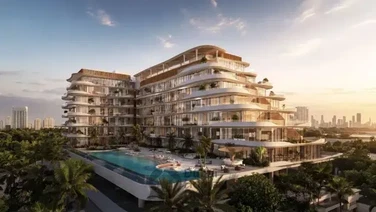
11 Hills Park by TownX
AED 675,000
Dubai Science Park
Studio & 1
474 - 831 Sq Ft
Apartments
Duplexes
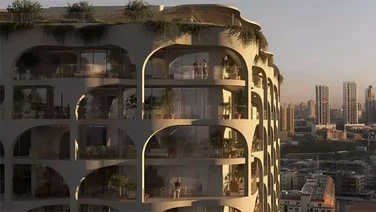
Rabdan Avenue
AED 1,300,000
Meydan
1, 2 & 3
687 - 2937 Sq Ft
Apartments
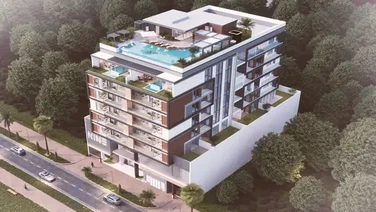
The Weave by Al Ghurair Development
AED 1,200,000
Jumeirah Village Circle
1, 2 & 3
776 - 2221 Sq Ft
Apartments
Studios
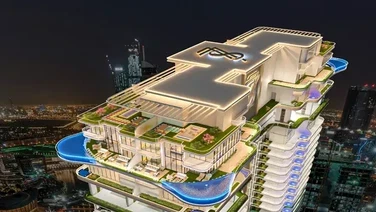
One by Nine
AED Price on Request
Nad Al Sheba
Studio, 1 & 2
563 - 1069 Sq Ft
Apartments
Penthouses
77S Tower
AED Price on Request
Business Bay
1, 2, 3, 4 & 5
876 - 6500 Sq Ft
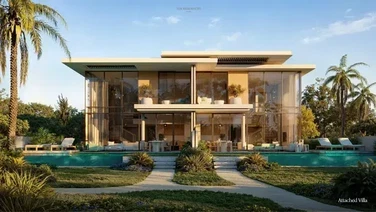
Villas
Townhouses
Bay Estate by Nakheel
AED 5,900,000
Dubai Islands
3 & 4
3054 - 11059 Sq Ft
Apartments
Duplexes
Rabdan Avenue
AED 1,300,000
Meydan
1, 2 & 3
687 - 2937 Sq Ft
Apartments
Studios
11 Hills Park by TownX
AED 675,000
Dubai Science Park
Studio & 1
474 - 831 Sq Ft
Apartments
Studios
One by Nine
AED Price on Request
Nad Al Sheba
Studio, 1 & 2
563 - 1069 Sq Ft
Apartments
The Weave by Al Ghurair Development
AED 1,200,000
Jumeirah Village Circle
1, 2 & 3
776 - 2221 Sq Ft
Apartments
Penthouses
77S Tower
AED Price on Request
Business Bay
1, 2, 3, 4 & 5
876 - 6500 Sq Ft

Apartments
Studios
Kore by Imtiaz
AED Price on Request
Dubai Land Residence Complex
Studio, 1, 2 & 3
Commercial
O1NE District Dawn by Avenew
AED Price on Request
Motor City
Commercial
Piazza Roma by DAMAC
AED Price on Request
Damac Lagoons

Apartments
Commercial
Penthouses
The Symphony by Imtiaz
AED 2,000,000
Meydan
1, 2 & 3
640 - 4244
Apartments
Commercial
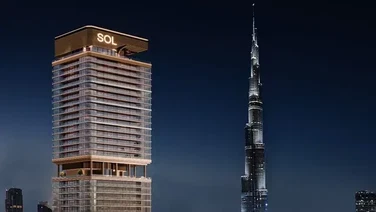
Sol Luxe Tower
AED 1,900,000
Sheikh Zayed Road
1, 2 & 3
Apartments
Commercial
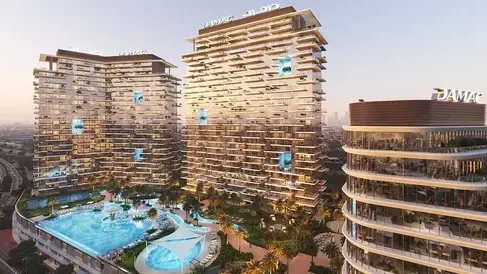
DAMAC District
AED 1,142,000
Damac hills
1 & 2
740 - 6588 Sq Ft
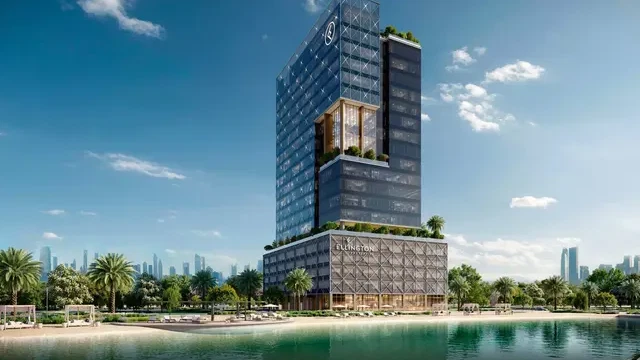
Commercial
Eaton Square by Ellington
AED Price on Request
Mohammed bin Rashid City
Apartments
Duplexes
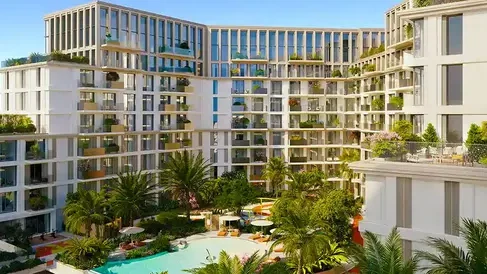
Rabdan Avenue
AED 1,300,000
Meydan
1, 2 & 3
687 - 2937 Sq Ft
Apartments
Duplexes
Modo at Avenew 888
AED Price on Request
Dubai South
1, 2 & 3
Apartments
Duplexes
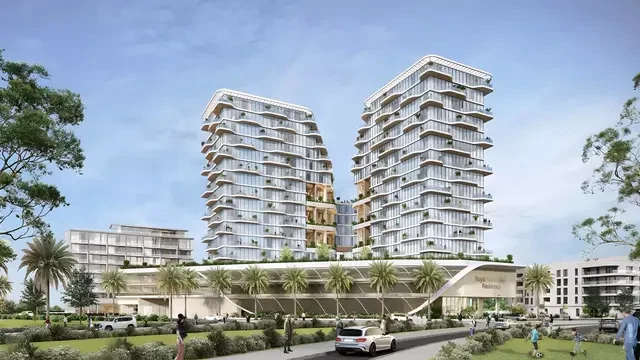
Royal Yacht Club Residence by Azimuth Development
AED Price on Request
Dubai Islands
1, 2, 3 & 4
720 - 3909 Sq Ft
Apartments
Studios
Duplexes
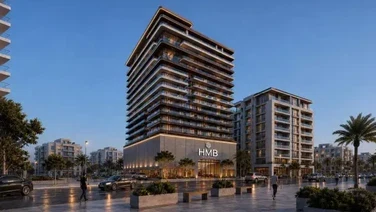
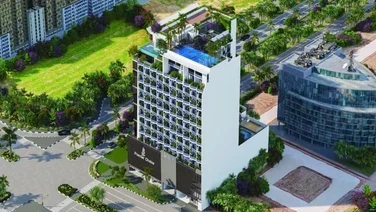
Beverly Crown by HMB Homes
AED 680,000
Jumeirah Village Circle
Studio, 1 & 2
438 - 2321 Sq Ft
Apartments
Duplexes
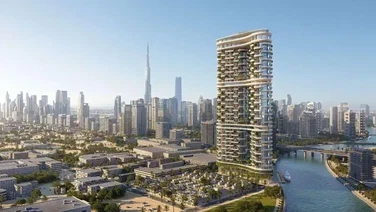
Gateway Residences by Premier Choice
AED 1,164,000
Jumeirah Village Circle
1, 2 & 3
748 - 2352 Sq Ft
Apartments
Villas
Penthouses
Duplexes
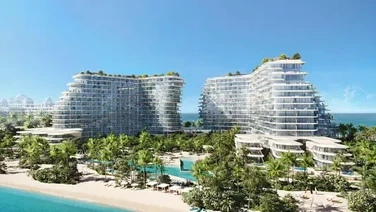
Amali Residences
AED 14,500,000
Dubai Water Canal
2, 3, 4, 5 & 6
2880 - 21000 Sq Ft
Apartments
Penthouses
Mansions
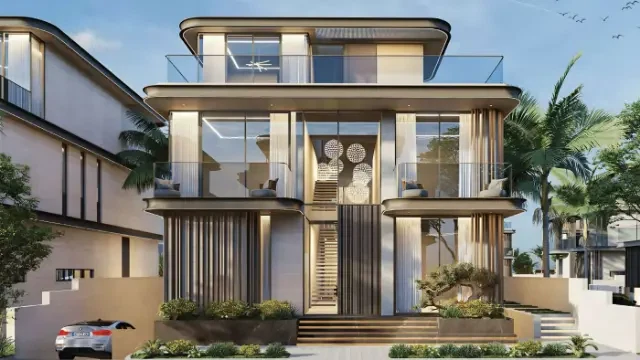
Bella by Passo
AED Price on Request
Palm Jumeirah
1, 2, 3, 4, 5 & 6
1541 - 12382 Sq Ft
Villas
Mansions
Wellington Grand Villas
AED 20,000,000
Mohammed bin Rashid City
5 & 6
13,007 - 13,568 Sq Ft
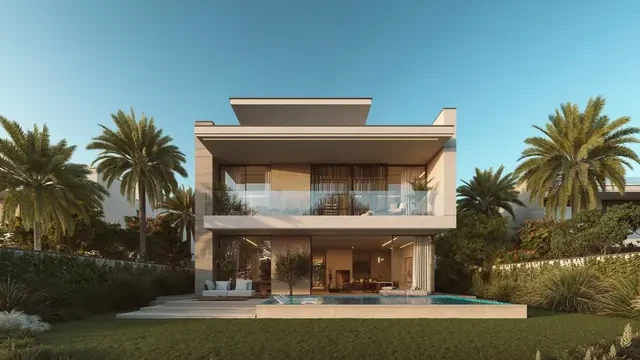
Villas
Mansions
Ashwood Estate by Wasl
AED 11,800,000
Jumeirah Golf Estates
4, 5 & 6
6069 - 10762 Sq Ft
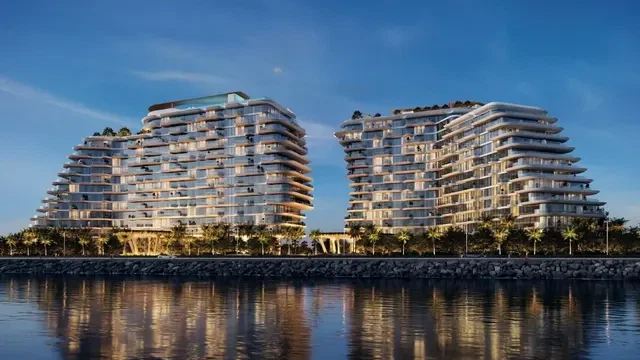
Apartments
Penthouses
Mansions
Passo by Beyond
AED 5,500,000
Palm Jumeirah
1, 2, 3, 4, 5 & 6
940 - 11830 Sq Ft
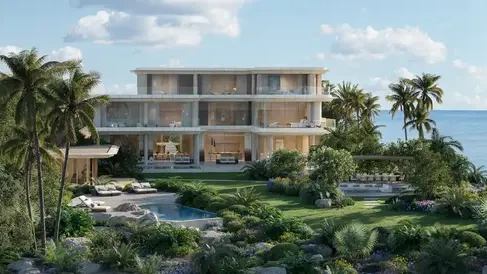
Mansions
Asora Bay Ocean Mansions by Meraas
AED 65,000,000
Jumeirah
7
41550 - 49062 Sq Ft
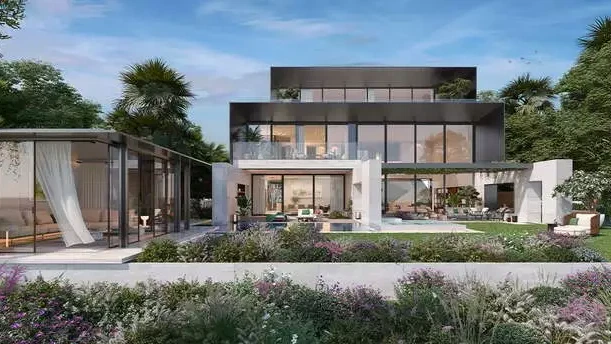
Mansions
Majid Al Futtaim Bo Monde
AED Price on Request
Tilal Al Ghaf
6 & 7
Apartments
Penthouses
77S Tower
AED Price on Request
Business Bay
1, 2, 3, 4 & 5
876 - 6500 Sq Ft
Apartments
Villas
Penthouses
Duplexes
Amali Residences
AED 14,500,000
Dubai Water Canal
2, 3, 4, 5 & 6
2880 - 21000 Sq Ft
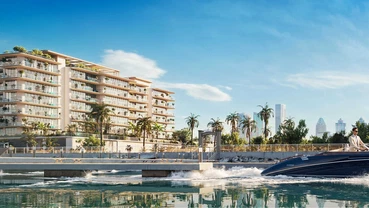
Apartments
Penthouses
Le Chateau Pietrus by Mr. Eight
AED 3,900,000
Dubai Islands
2, 3 & 4
1017 - 7008 Sq Ft
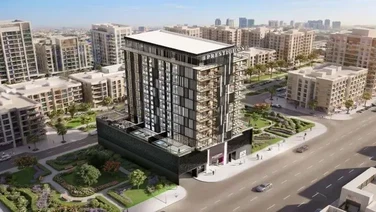
Apartments
Penthouses
Fauchon Residences by Prestige One Developments
AED Price on Request
Jumeirah Garden City
Studio, 1 & 2
1026 - 2255 Sq Ft
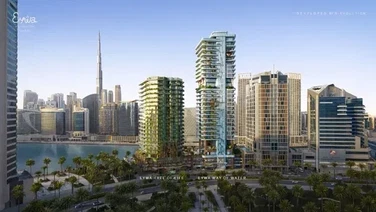
Apartments
Penthouses
Duplexes
Eywa Way of Water by R.Evolution
AED 9,000,000
Business Bay
2, 3, 4 & 5
2154 - 22900 Sq Ft
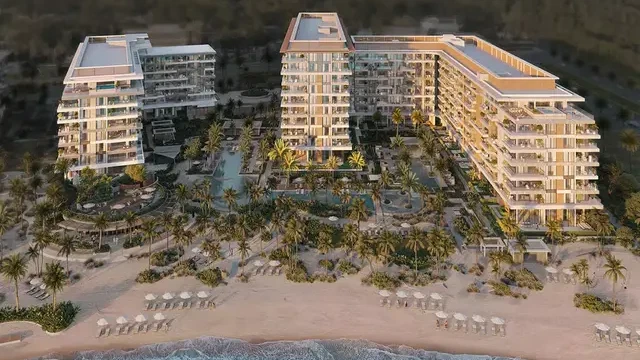
Apartments
Penthouses
Duplexes
Ellington Sands 2
AED Price on Request
Dubai Islands
1, 2, 3 & 4
800 - 5964 Sq Ft
Apartments
Studios
11 Hills Park by TownX
AED 675,000
Dubai Science Park
Studio & 1
474 - 831 Sq Ft
Apartments
Studios
One by Nine
AED Price on Request
Nad Al Sheba
Studio, 1 & 2
563 - 1069 Sq Ft
Apartments
Studios
Kore by Imtiaz
AED Price on Request
Dubai Land Residence Complex
Studio, 1, 2 & 3
Apartments
Studios
Oasis Residences by Al Helal Al Zahaby
AED 590,000
Dubai South
Studio, 1, 2 & 3
427 - 1992 Sq Ft
Apartments
Studios
Astra Residences by Dugasta Properties
AED Price on Request
Dubai South
Studio, 1 & 2
349 - 1792 Sq Ft
Apartments
Studios
Reef 995
AED 696,777
Dubai Land Residence Complex
Studio, 1, 2 & 3
433 - 1197 Sq Ft
Villas
Townhouses
Bay Estate by Nakheel
AED 5,900,000
Dubai Islands
3 & 4
3054 - 11059 Sq Ft
Villas
Townhouses
Greenz by Danube
AED 3,500,000
Academic City
3, 4 & 5
2400 - 3950 Sq Ft
Villas
Townhouses
Meraas Nad Al Sheba Gardens 12
AED Price on Request
Nad Al Sheba
Apartments
Townhouses
EMAAR Golf Trails
AED 1,250,000
Emaar South
1, 2 & 3
719 - 2603 Sq Ft
Townhouses
Verdana 9 Townhouses by Reportage
AED Price on Request
Dubai Investments Park
2, 3 & 4
Townhouses
Hayat 7 by Dubai South Properties
AED Price on Request
Dubai South
Villas
Townhouses
Bay Estate by Nakheel
AED 5,900,000
Dubai Islands
3 & 4
3054 - 11059 Sq Ft
Villas
Townhouses
Greenz by Danube
AED 3,500,000
Academic City
3, 4 & 5
2400 - 3950 Sq Ft
Apartments
Villas
Penthouses
Duplexes
Amali Residences
AED 14,500,000
Dubai Water Canal
2, 3, 4, 5 & 6
2880 - 21000 Sq Ft
Villas
Townhouses
Meraas Nad Al Sheba Gardens 12
AED Price on Request
Nad Al Sheba
Villas
Lunaya by Zaya
AED 4,900,000
Jebel Ali
4 & 5
2966 - 8231 Sq Ft
Villas
EMAAR Faro 2 The Heights
AED Price on Request
The Heights Country Club & Wellness