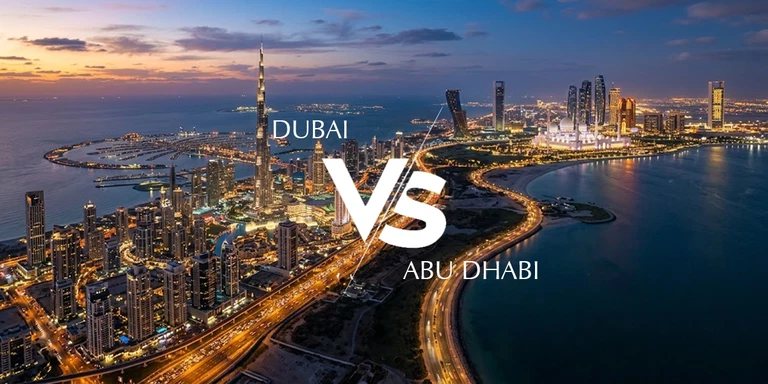
Dubai or Abu Dhabi: Where Should You Invest in Real Estate in 2026?
Published :
Last Updated :
- Key Drivers Behind UAE Property Growth – A Global Investment Hub
- Dubai Real Estate Investment 2026
- Abu Dhabi Real Estate Investment 2026
- Closing In!
The United Arab Emirates continues to stand as the most attractive real estate investment destination in 2026 and its resilient position amid regional crisis is a testament to the UAE’s undeniable magnetism. The country’s property market showcased record-high values and volumes in the first quarter of 2026. But a critical decision that investors are often exposed to is “where to invest in the UAE property market?”
Top two thriving real estate hubs; Abu Dhabi and Dubai extend similar benefits in terms of tax-free property ownership, cutting-edge infrastructure, and growing FDI. These overlapping features may perplex investors when making a real estate investment in the UAE. However, both markets operate differently and capture a specified investor profile.
Where Dubai is staggeringly flourishing on global investments, record-high transaction volumes, and tourism, Abu Dubai real estate market revolves around long-term demand with controlled supply and focus on stability. By understanding property strategies and market fundamentals to align with investors’ preferences, differences can flip into a major real estate investment success.
Key Drivers Behind UAE Property Growth – A Global Investment Hub
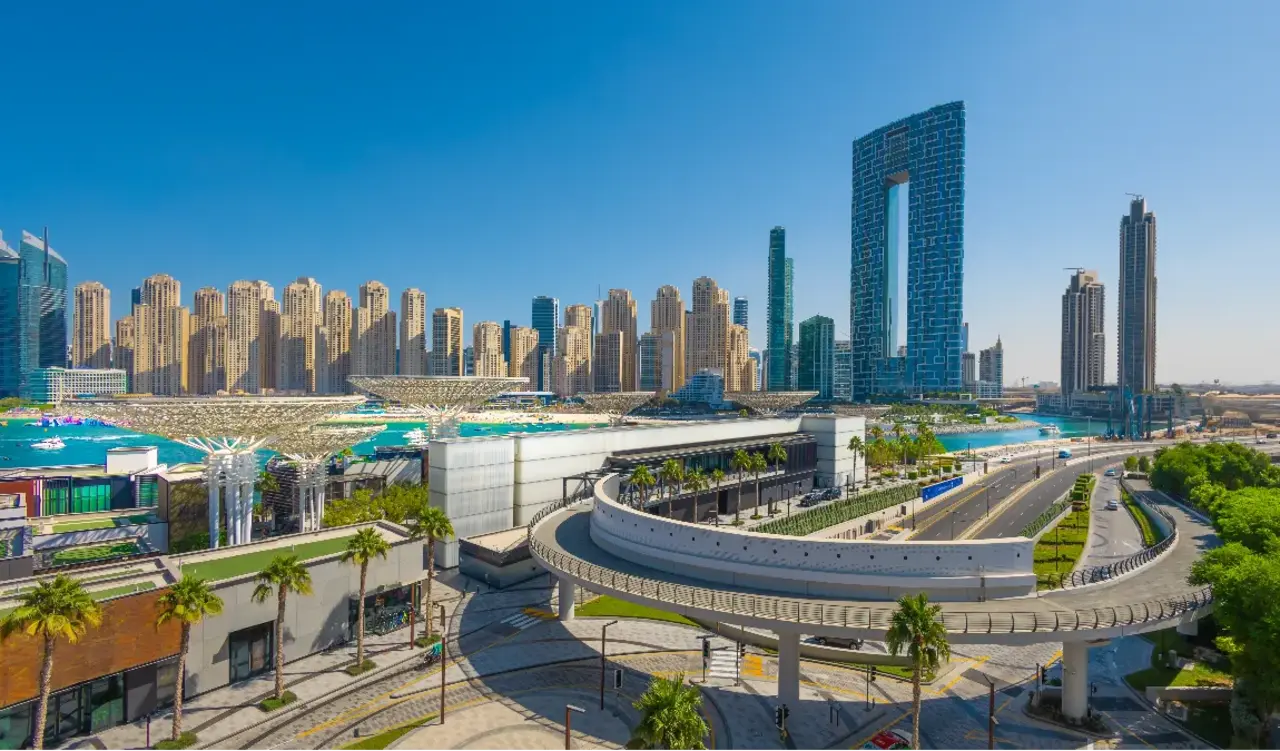
The UAE real estate market extended its roots beyond the region and is now currently drawing capital from Asia, Europe, and North America, and Middle East. From investor-oriented policies like Golden Visa Programs to tremendous growth due to economic diversification, each factor contributes substantially to accelerating property investment volume.
1. Non-Oil Economy Growth
While the UAE’s 30% GDP is driven by the oil sector, other sectors like finance, innovation, tourism, and technology also contribute significantly. A 5% surge in the UAE’s economic growth is expected by 2026 end with strong demand and transactions from the real estate sector.
2. Tax-Efficient Investment Environment
The UAE’s real estate largely contrasts with international property markets due to 0% annual property tax and capital gains tax. Additionally, zero percent tax on rental income simultaneously improves investor profitability, making cities like Dubai and Abu Dhabi top investment hubs in the world.
3. Rapid Population Growth
In May 2026, the country’s population reached 11.57 million from 11.34 million in 2025. This tremendous surge showcases an exclusively growing population of expatriates, business migration, and corporate relocations. The impressive demographic expansion, in turn, drives demand for commercial and residential properties across various emirates, with Dubai alone adding hundreds of new residents daily.
Dubai Real Estate Investment 2026
As the UAE’s largest and top most internationally recognized property hub, the emirate appeals to investors looking for broader property options. Higher liquidity and unmatched rental activity add to its exceptional surge in investment activity.
- A remarkable 7% acceleration in investment activity worth AED 173B.
- Jaw-dropping increase of 8% in number of investors to 48,448 in Q1 2026.
- New investors’ number rose to 14% compared to Q1 2025.
Q1 2026 Surge in Volume & Values
According to the Dubai Land Department, Dubai began 2026 by surpassing all previous records in its first quarter:
- A 6% rise in real estate transactions from 718,160 recorded volume.
- Year-on-year increase of 31% with AED 252B transaction values.
Average Property Prices
Average property values in Dubai remain competitive compared to established markets around the globe. According to DXB Interact’s May 2026 report,
- Overall prices: 1,650/ sq. ft.
- Apartment prices: 1,640/ sq. ft.
- Villa prices: 1,620/ sq. ft.
Rental Yield Potential
Most real estate investment activity is driven by Dubai’s exceptional gross rental yields. With approximate yield potential revolving around 6.76%, apartment units often surpass 7% in prime communities and villas sit closer to 5% across high-demand villa neighborhoods. Several districts where rental yield exceed investors’ expectations feature:
- Arjan: 8.5%
- Jumeirah Village Circle: 7.8%
- Dubai South: 7%
- Dubai Silicon Oasis: 8.6%
Cost of Buying Property in Dubai
Beyond the analysis of prices per square foot and rental yield potential, investors must consider the cost of buying property as a critical part of investment. Various fee metrics associated with Dubai property purchase include:
- 4% DLD fee
- Title transfer fee
- Trustee office fee
- 2% brokerage fee
Top Tenant Profiles
Real estate investment becomes extraordinarily profitable when investors know which tenant segments to target. Dubai’s broader financial market, expanding logistics and trades, and tourism simultaneously captures:
- Short-term holiday tenants
- Digital nomads
- Corporate professionals
- Long-term expats
- Entrepreneurs
Top Established Areas for Capital Appreciation
Various communities, specifically waterfront and premium nodes, experienced commendable appreciation during recent market cycles. In the first quarter of 2026, prime districts in Dubai saw:
- An 18% surge in median prices across Downtown Dubai properties
- A 7% rise in median prices across properties in Palm Jumeirah
- A 15% acceleration in Business Bay’s median property prices.
Strengths of Investing in Dubai
1. Large International Buyer Base
Dubai’s unparalleled investor-oriented ecosystem and global connectivity draw investors from all parts of the world, particularly from:
- UK
- India
- Russia
- China
- Africa
2. Faster Resale Opportunities
Dubai’s jaw-dropping transaction volumes make it easier for investors to buy and sell assets, reinforcing market liquidity as one of the strongest perks for Dubai real estate sector.
Challenges of Investing in Dubai
With 65,000 apartments and 12,500 villas expected to be delivered by 2026 end, Dubai represents one of the most substantial pipelines, making rental growth moderate. Additionally, certain communities in Dubai face heavy off-plan activity, which may bring temporary rental pressure if supply exceeds demand. This demands careful evaluation of location-driven fundamentals rather than solely relying on citywide averages.
Abu Dhabi Real Estate Investment 2026
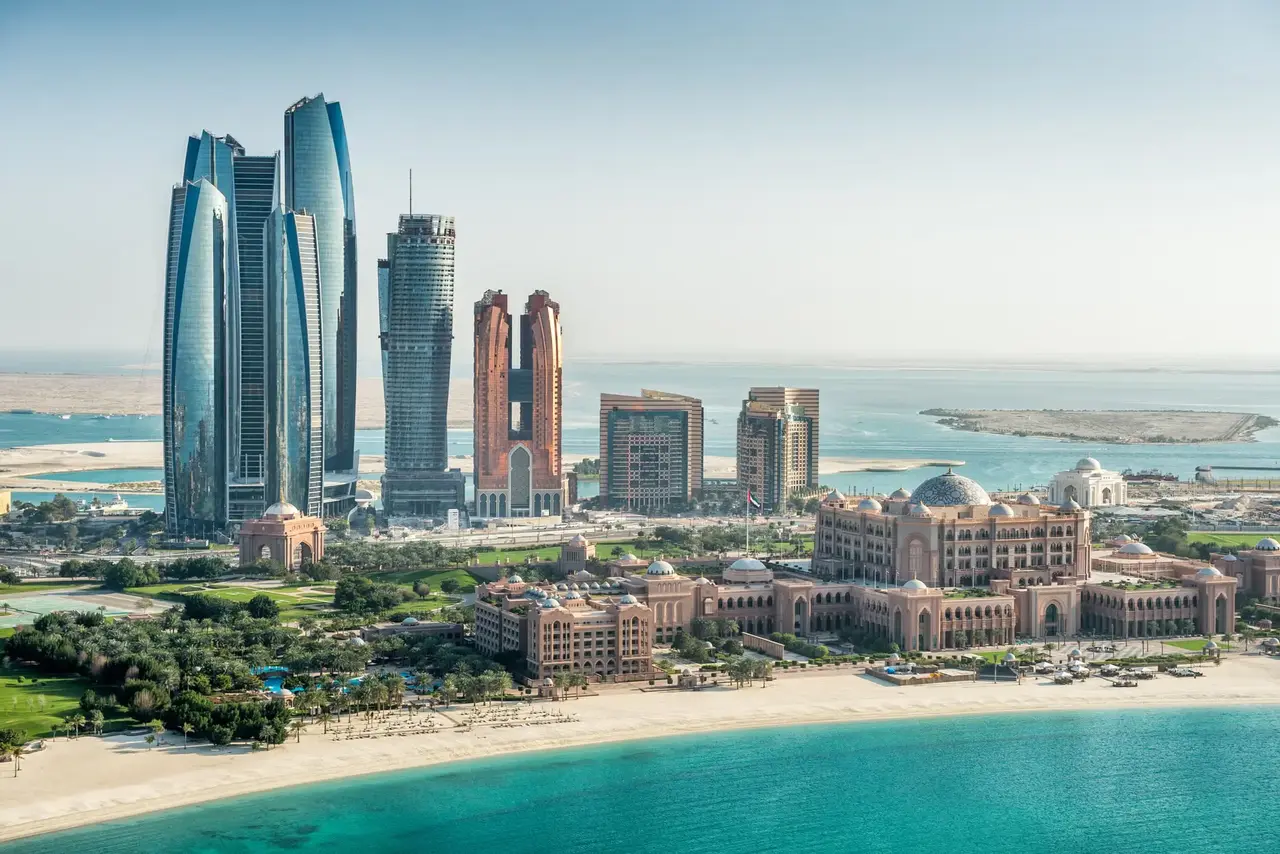
Following Dubai’s footprints of success and backing the UAE’s reputation on the global stage, Abu Dhabi has quietly emerged as one of the most popular investment destinations. Particularly ideal for long-term investments, it now attracts individuals looking for strong residential demand in a stable and controlled environment.
Foreign investment shared the largest proportion across the city’s real estate transaction volume, showcasing:
- Foreign investment activity reportedly accounted for 84% real estate transactions.
- An astounding 242% jump in total foreign investment activity in Q1 2026 from Q1 2025.
- Total investment value generated AED 36.4B from AED 43.59B Q1 2026 real estate investments.
Highest Quarterly Performance in Abu Dhabi
While Dubai led UAE property transactions in Q1 2026, Abu Dhabi sustained its second position by reporting strongest performance on a quarterly basis. According to Abu Dhabi Real Estate Center:
- Transaction values reached AED 66B compared to AED 25.31B in Q1 2025.
- Property transaction volume jumped to 13,518 in Q1 2026 from 6,896 in Q1 2025.
Average Property Prices
- Overall prices: 1,783/ sq. ft.
- Apartment prices: 1,924/ sq. ft.
- Villa prices: 1,367/ sq. ft.
Compared to Dubai’s average property values, Abu Dhabi extends more competitive prices. This means investors seeking long-term real estate investment, more space, and lower entry costs can find Abu Dhabi a preferred option.
Yield Performance in Abu Dhabi Market
Rental yields in Abu Dhabi frequently extend from 6 to 8 percent across apartment units, whereas villa properties in the city often deliver up to 5% yields in the rental market. Additionally, notable yield performers include:
- Al Reef: 8.6-10.2%
- Masdar City: 7.7-8%
- Al Reem Island: 7.8%
Cost of Buying Property in Abu Dhabi
Cost of buying property in Abu Dhabi slightly differs from Dubai, with typical charges including:
- Registration fees
- 2% transfer fee
- 2% brokerage commission
Additionally, service charge is a mandatory fee that becomes an essential factor when planning real estate investment in the UAE.
Top Tenant Profiles
Rental demand in Abu Dhabi is largely driven by highly skilled expatriate professionals, transforming the capital’s housing market into an exclusive, family-oriented, and resilient ecosystem:
- Senior executives and diplomats
- Healthcare & academic professionals
- Finance, tech & AI professionals
- Entertainment sector workers
Top Established Areas for Capital Appreciation
Popular areas investors consider to buy property for long-term appreciation remain boastful for the scarce waterfront supply, major destination announcements, and enduring lifestyle appeal.
- Mid-tier apartments in Al Reem Island saw an approximately 10-11% surge in prices.
- A 16% jump is noted across apartment units at Al Raha Beach.
- A remarkable 17% rise in average price/ sq. ft. is reported across Yas Island.
- Luxurious inventory across Saadiyat Island experienced a 27% YoY increase in avg. prices.
Strengths of Investing in Abu Dhabi
1. Lower Acquisition Costs
When compared to Dubai, Abu Dhabi is a preferred option among investors seeking larger units in competitive value due to:
- Reduced transfer fee
- Lower median prices
- Lower price-per-square-foot averages
2. Robust End-User Demand
Abu Dhabi offers a more stable tenant profile as a significant part of the city’s housing demand comes from:
- High-net-worth families
- Government employees
- Long-term residents
3. Controlled Supply Reduces Volatility
The development pace in Abu Dhabi remains more measured in contrast with Dubai, which helps in mitigating oversupply risks and ultimately fosters rental stability.
Challenges of Investing in Abu Dhabi
Fewer Freehold Zones
Non-UAE nationals are legally restricted from buying properties anywhere in the emirate, except fewer government-approved investment zones or freehold areas, including Masdar City, Al Raha Beach, Yas Island, or Saadiyat Island.
Lower Transaction Volumes
Investors targeting rapid resale opportunities may find Abu Dhabi less liquid than Dubai for its lower transaction activity.
Closing In!
Real estate investment in Dubai and Abu Dhabi unlocks compelling opportunities for investors seeking UAE market entrance in 2026 and beyond. Though both cater to different investment objectives, Dubai tops the list for its dynamic landscape and stronger liquidity.
Meanwhile, Abu Dhabi features a controlled and stable investment environment with additional benefits like attractive yields and long-term residential demand. This demonstrates that both cities have plenty of lucrative advantages to offer, but the key strategy is to select the market that corresponds with investors’ risk tolerance, financial goals, and investment horizon.



Your gateway to offline planning in the digital realm. Discover a world of real estate opportunities through our immersive offline property website experience
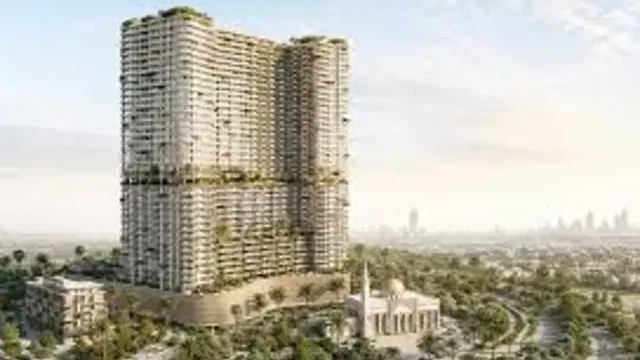
Apartments
Studios
The WOW Tower by Mr. Eight
AED 700,000
Dubai Land Residence Complex
Studio, 1 & 2
377 - 1461 Sq Ft

Apartments
Studios
Native Haus
AED 699,999
Jumeirah Village Triangle
Studio, 1 & 2
403 - 1035 Sq Ft
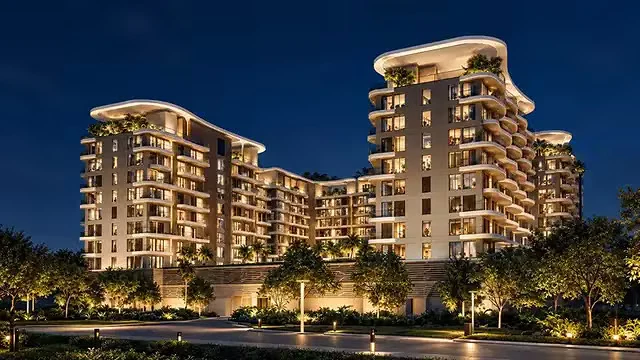
Apartments
Studios
Sorrento Lagoon Views by DAMAC
AED 689,000
Damac Lagoons
Studio & 1
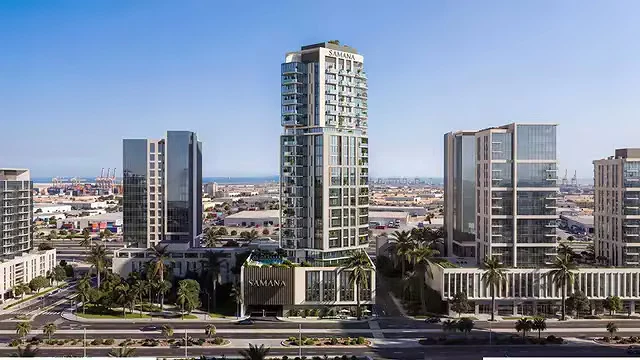
Apartments
Studios
Samana Downtown One
AED 689,000
Jebel Ali
Studio, 1 & 2
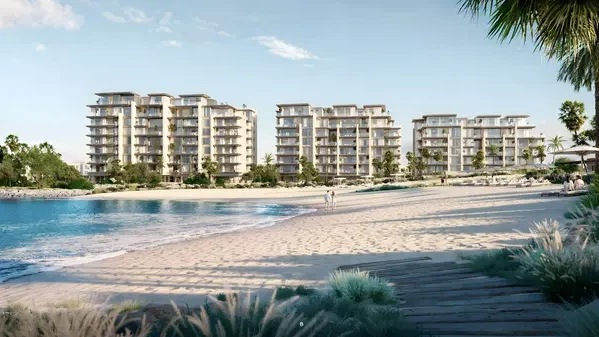
Apartments
Penthouses
Solaya 5 and 7 by Meraas
AED Price on Request
Jumeirah
2, 3, 4 & 5
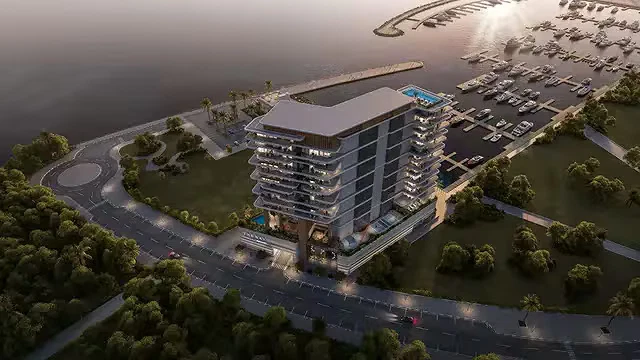
Apartments
Penthouses
The Bay Interiors by Missoni
AED 2,750,000
Dubai Islands
2, 3 & 4
1007 - 3542 Sq Ft
Apartments
Studios
The WOW Tower by Mr. Eight
AED 700,000
Dubai Land Residence Complex
Studio, 1 & 2
377 - 1461 Sq Ft
Apartments
Studios
Native Haus
AED 699,999
Jumeirah Village Triangle
Studio, 1 & 2
403 - 1035 Sq Ft
Apartments
Studios
Sorrento Lagoon Views by DAMAC
AED 689,000
Damac Lagoons
Studio & 1
Apartments
Penthouses
Solaya 5 and 7 by Meraas
AED Price on Request
Jumeirah
2, 3, 4 & 5
Apartments
Penthouses
The Bay Interiors by Missoni
AED 2,750,000
Dubai Islands
2, 3 & 4
1007 - 3542 Sq Ft
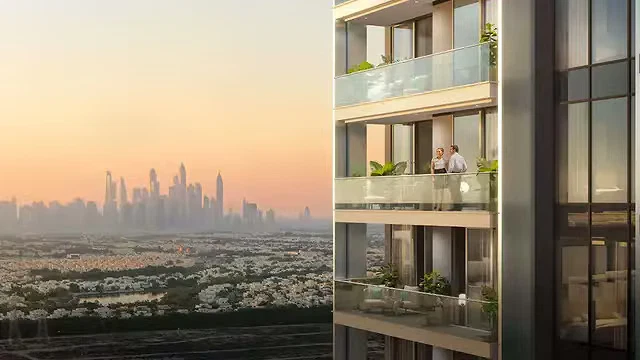
Apartments
Object 1 Lum1nar Towers
AED Price on Request
Jumeirah Village Triangle
Studio, 1, 2 & 3
355 - 1983 Sq Ft
Commercial
O1NE District Dawn by Avenew
AED Price on Request
Motor City

Commercial
Piazza Roma by DAMAC
AED Price on Request
Damac Lagoons
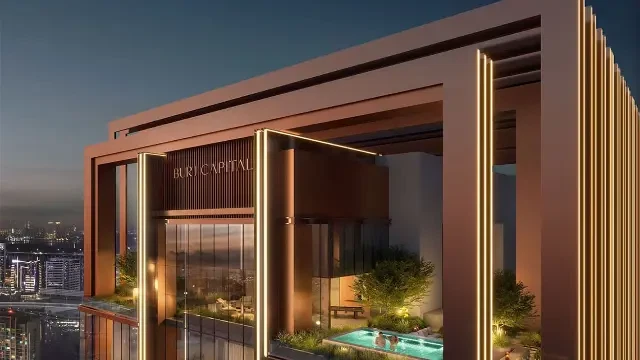
Commercial
Burj Capital Phase 3 by Centurion Properties
AED Price on Request
Business Bay

Apartments
Commercial
Penthouses
The Symphony by Imtiaz
AED 2,000,000
Meydan
1, 2 & 3
640 - 4244
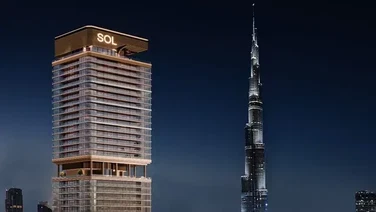
Apartments
Commercial
Sol Luxe Tower
AED 1,900,000
Sheikh Zayed Road
1, 2 & 3
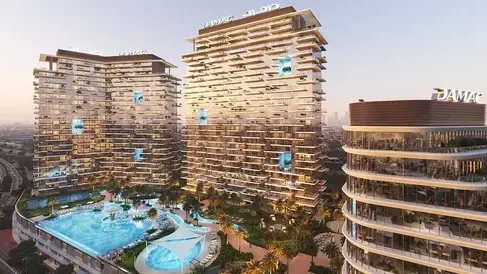
Apartments
Commercial
DAMAC District
AED 1,142,000
Damac hills
1 & 2
740 - 6588 Sq Ft
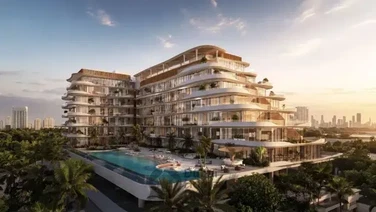
Apartments
Duplexes
Rabdan Avenue
AED 1,300,000
Meydan
1, 2 & 3
687 - 2937 Sq Ft
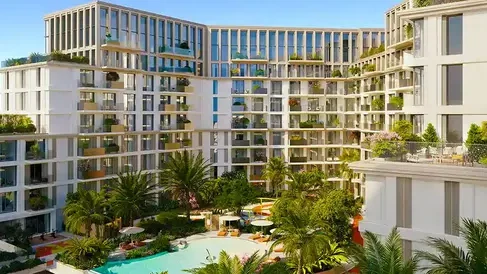
Apartments
Duplexes
Modo at Avenew 888
AED Price on Request
Dubai South
1, 2 & 3
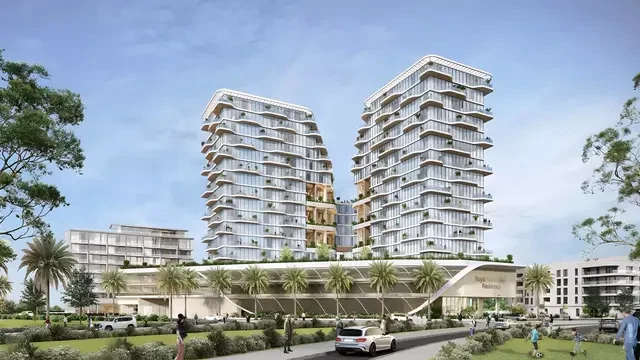
Apartments
Duplexes
Royal Yacht Club Residence by Azimuth Development
AED Price on Request
Dubai Islands
1, 2, 3 & 4
720 - 3909 Sq Ft
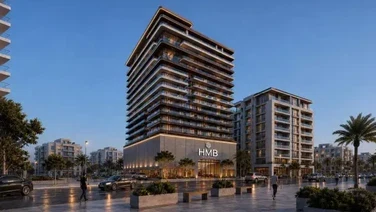
Apartments
Studios
Duplexes
Beverly Crown by HMB Homes
AED 680,000
Jumeirah Village Circle
Studio, 1 & 2
438 - 2321 Sq Ft
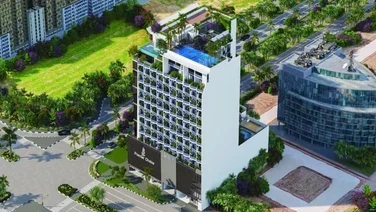
Apartments
Duplexes
Gateway Residences by Premier Choice
AED 1,164,000
Jumeirah Village Circle
1, 2 & 3
748 - 2352 Sq Ft
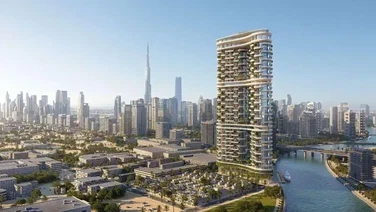
Apartments
Villas
Penthouses
Duplexes
Amali Residences
AED 14,500,000
Dubai Water Canal
2, 3, 4, 5 & 6
2880 - 21000 Sq Ft
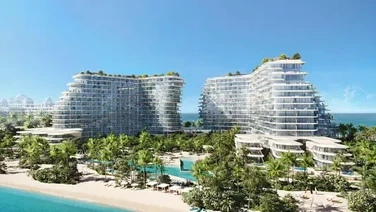
Apartments
Penthouses
Mansions
Bella by Passo
AED Price on Request
Palm Jumeirah
1, 2, 3, 4, 5 & 6
1541 - 12382 Sq Ft
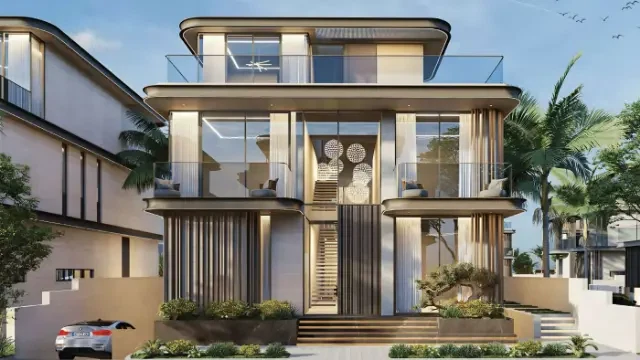
Villas
Mansions
Wellington Grand Villas
AED 20,000,000
Mohammed bin Rashid City
5 & 6
13,007 - 13,568 Sq Ft
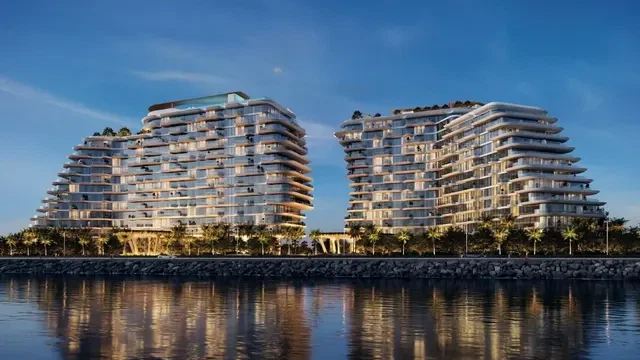
Apartments
Penthouses
Mansions
Passo by Beyond
AED 5,500,000
Palm Jumeirah
1, 2, 3, 4, 5 & 6
940 - 11830 Sq Ft
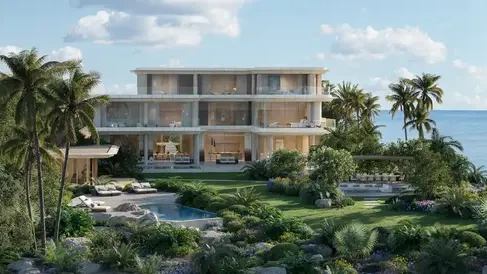
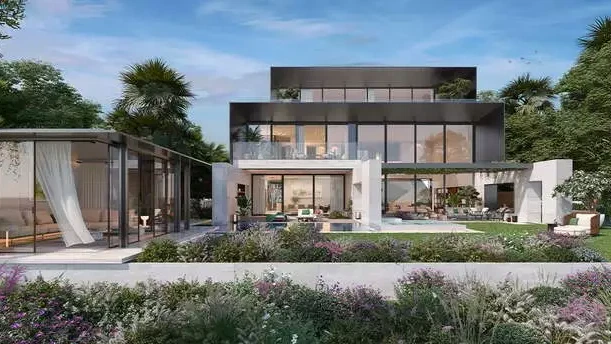
Mansions
Asora Bay Ocean Mansions by Meraas
AED 65,000,000
Jumeirah
7
41550 - 49062 Sq Ft
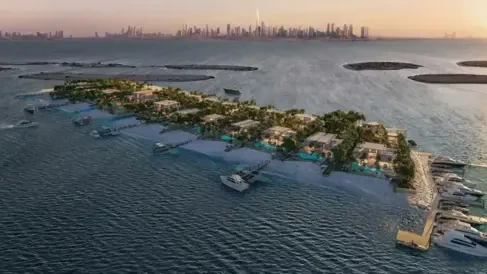
Mansions
Majid Al Futtaim Bo Monde
AED Price on Request
Tilal Al Ghaf
6 & 7
Mansions
Maldives at Damac Islands
AED Price on Request
Damac Islands
Apartments
Penthouses
The Bay Interiors by Missoni
AED 2,750,000
Dubai Islands
2, 3 & 4
1007 - 3542 Sq Ft
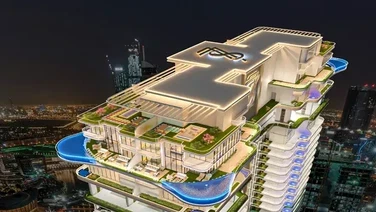
Apartments
Penthouses
Solaya 5 and 7 by Meraas
AED Price on Request
Jumeirah
2, 3, 4 & 5
Apartments
Penthouses
77S Tower
AED Price on Request
Business Bay
1, 2, 3, 4 & 5
876 - 6500 Sq Ft
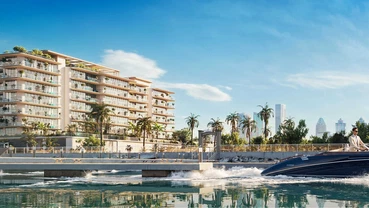
Apartments
Villas
Penthouses
Duplexes
Amali Residences
AED 14,500,000
Dubai Water Canal
2, 3, 4, 5 & 6
2880 - 21000 Sq Ft
Apartments
Penthouses
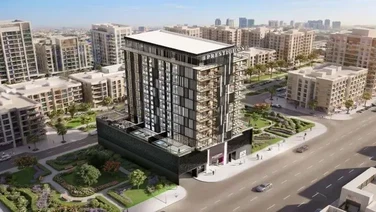
Le Chateau Pietrus by Mr. Eight
AED 3,900,000
Dubai Islands
2, 3 & 4
1017 - 7008 Sq Ft
Apartments
Penthouses
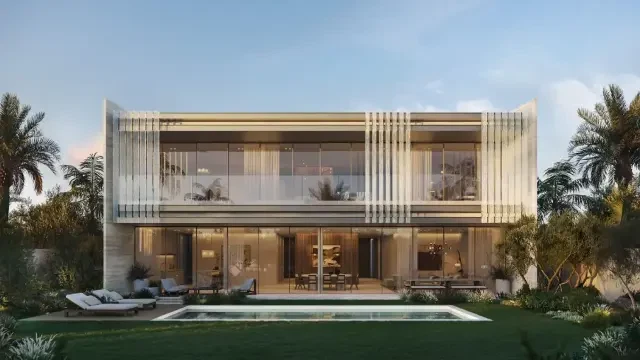
Fauchon Residences by Prestige One Developments
AED Price on Request
Jumeirah Garden City
Studio, 1 & 2
1026 - 2255 Sq Ft
Apartments
Studios
The WOW Tower by Mr. Eight
AED 700,000
Dubai Land Residence Complex
Studio, 1 & 2
377 - 1461 Sq Ft
Apartments
Studios
Native Haus
AED 699,999
Jumeirah Village Triangle
Studio, 1 & 2
403 - 1035 Sq Ft
Apartments
Studios
Sorrento Lagoon Views by DAMAC
AED 689,000
Damac Lagoons
Studio & 1
Apartments
Studios
Samana Downtown One
AED 689,000
Jebel Ali
Studio, 1 & 2
Apartments
Studios
Valore by SRG
AED 699,000
Jumeirah Village Circle
Studio, 1, 2 & 3
470 - 1805 Sq Ft
Apartments
Studios
Fala by Kasco
AED Price on Request
Al Jaddaf
Studio, 1, 2 & 3
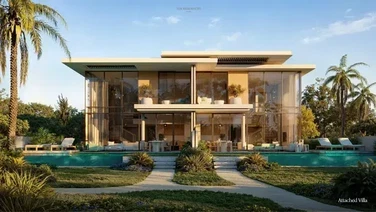
Villas
Townhouses
Bay Estate by Nakheel
AED 5,900,000
Dubai Islands
3 & 4
3054 - 11059 Sq Ft
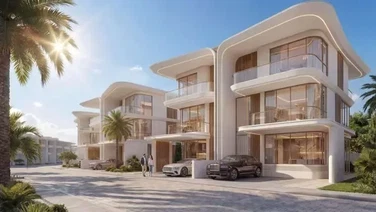
Villas
Townhouses
Greenz by Danube
AED 3,500,000
Academic City
3, 4 & 5
2400 - 3950 Sq Ft
Villas
Townhouses
Meraas Nad Al Sheba Gardens 12
AED Price on Request
Nad Al Sheba
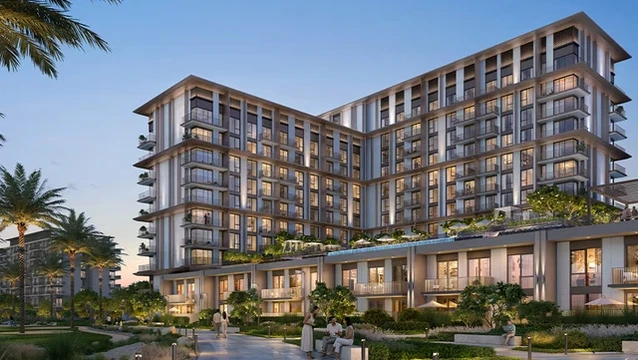
Apartments
Townhouses
EMAAR Golf Trails
AED 1,250,000
Emaar South
1, 2 & 3
719 - 2603 Sq Ft
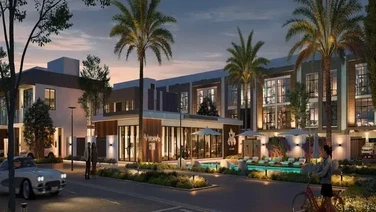
Townhouses
Verdana 9 Townhouses by Reportage
AED Price on Request
Dubai Investments Park
2, 3 & 4
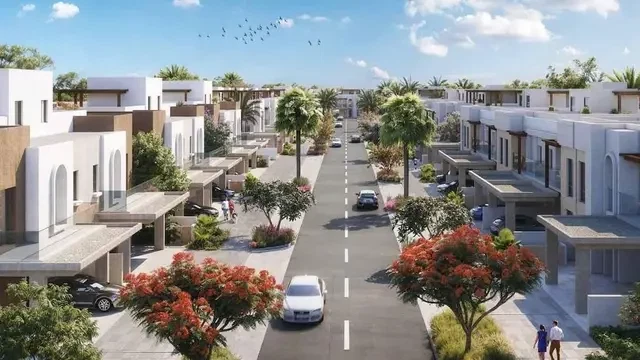
Townhouses
Hayat 1 by Dubai South Properties
AED Price on Request
Dubai South
Villas
Townhouses
Bay Estate by Nakheel
AED 5,900,000
Dubai Islands
3 & 4
3054 - 11059 Sq Ft
Villas
Townhouses
Greenz by Danube
AED 3,500,000
Academic City
3, 4 & 5
2400 - 3950 Sq Ft
Apartments
Villas
Penthouses
Duplexes
Amali Residences
AED 14,500,000
Dubai Water Canal
2, 3, 4, 5 & 6
2880 - 21000 Sq Ft
Villas
Townhouses
Meraas Nad Al Sheba Gardens 12
AED Price on Request
Nad Al Sheba
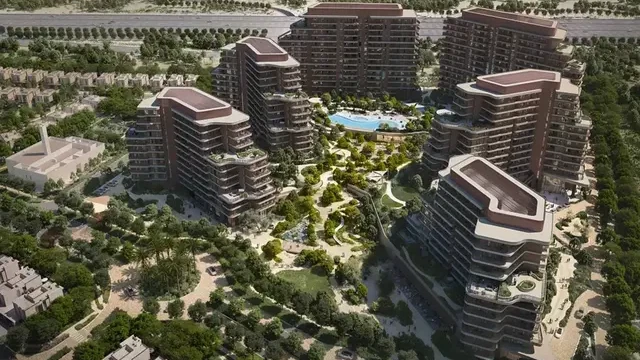
Apartments
Villas
The Wilds 3 by Aldar
AED Price on Request
Dubailand
Villas
Fleur de Jardin Villas by AMIS
AED Price on Request
Mohammed bin Rashid City
5 & 6