
Rent-to-Own Properties in Dubai Explained 2026 Guide
Published :
Last Updated :
- Understanding Rent-to-Own in Dubai?
- Closing In!
Dubai’s real estate market accounted for AED 686.8 billion transactions in 2025, according to the data published by DXB Interact. This record-setting figure mirrors evolving buyer preferences, while the investor appetite sustained through consecutive years.
Rent-to-own properties in Dubai are one of the dynamic pathways to ownership that are increasingly gaining traction as a structured alternative to traditional mortgages. This model allows tenants to convert rental payment into future ownership, releasing buyers from the burdens of large down payments required in the mortgage system.
So let’s dive into this detailed guide, which is tailored to explain in-depth the structural landscape of rent-to-own properties in Dubai.
Understanding Rent-to-Own in Dubai?
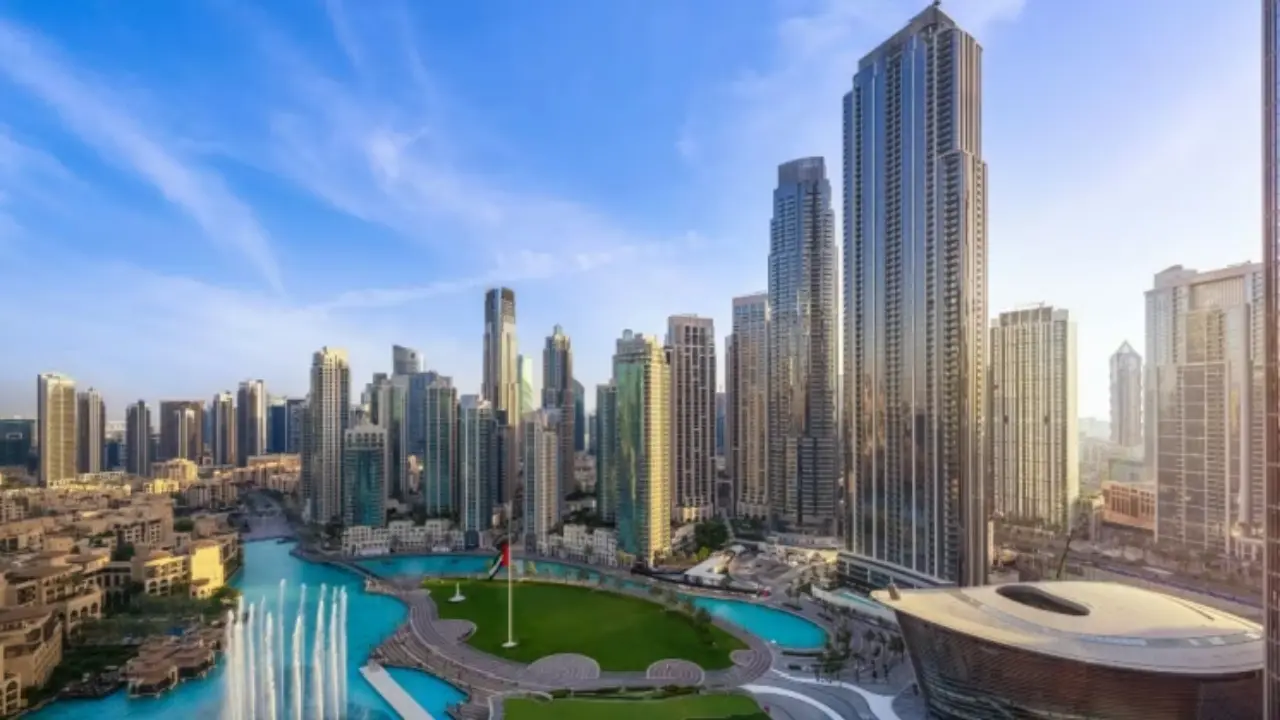
Rent-to-own (RTO) is a contractual agreement where a property is leased to a tenant for a fixed term, typically 2 to 5 years. The contract mandates that the property will be transferred to the tenant at the end of lease period. During this tenure, a specific portion of rent is adjusted toward the final sale price.
Such properties in Dubai are bound with pre-agreed purchase price, which shield buyers in the future in case the property price escalates during the contract period. Unlike traditional renting, rent-to-own properties create a flexible financial route that blends tenancy stability with equity-building potential.
1. Why Rent-to-Own is Growing in Dubai’s Real Estate Ecosystem
The Real Estate Regulatory Authority (RERA) has been spearheading and revolutionizing the property landscape of Dubai to make it appealing and accessible to a wider audience. In addition to transparent registration systems and escrow safeguards, flexible schemes like rent-to-own are gaining attention and have strengthened buyer confidence.

The RTO trend is emerging due to:
i. Mortgage Accessibility Challenges
The UAE Central Bank commands typically 20 to 25 percent down payment from expatriates on property purchase. Accumulating this lump sum delays homeownership for many residents, but the emerging rent-to-own bridges this gap between funding and distributes financial commitment across lease years.
ii. Price Lock-In Incentive
Rent-to-own agreements usually fix the property price at contract signing. This safeguards tenants from market volatility and soaring prices, allowing tenants to build capital in the required tenure.
iii. Surging Demand for Long-Term Residency
The expansion of long-term residency visas and initiatives like Golden Visa programs have been significantly attracting residents for permanent settlement. This in turn increases the demand for alternative ownership pathways, making RTO a preferable and flexible model.
2. How Rent-to-Own Model Works in Dubai
Both UAE nationals and expats are considering rent-to-own in Dubai in volume. On the other hand, developers are expanding such offerings in high-growth communities like Dubai South, Al Furjan, and Jumeirah Village Circle, making RTO widely accessible in 2026 and beyond.
i. Option Fee & Contract Signing
The rent-to-own contract involves both parties; tenant (future owner) and landlord (seller) and commands 5-10 percent of the property value as upfront option fee from the tenant. This fee secures the exclusive right of property purchase later and is often non-refundable.
ii. Determined Lease Period & Premium Rent
Monthly rent remains slightly higher than conventional renting and a predetermined percentage of rental payments is credited towards 20 to 30 percent of the final purchase price.
iii. Purchase Execution
At the time of lease expiration, the tenant exercises the purchase option and the accumulated credits are deducted from the agreed sale price. The remaining balance is payable through savings or mortgage financing.
Though rent-to-own properties primarily need Ejari registration, the structure fundamentally differs from standard tenancy contracts and incorporates both future sale commitments as well as lease terms.
3. Legal Framework Governing Rent-to-Own in Dubai
Dubai real estate’s key bodies, Dubai Land Department and RERA, support contractual freedom while maintaining regulatory oversight. Besides this, key legal requirements for rent-to-own in Dubai include:
- MoU Registration – The registration of Memorandum of Understanding with the DLD is mandatory and states clear terms & conditions associated with tenure period, rental credits, purchase price, and default clauses.
- Approved Documentation – Tenants are required to provide the valid Emirates ID and residency visa alongside the proof of stable income.
Furthermore, RTO agreements must comply with RERA guidelines to ensure enforceability and escrow account protection applies if the property is off-plan.
4. Rent-to-Own Dubai – Financial Structure Scenario
Consider the below-mention case to understand the rent-to-own process in Dubai more easily:
- Property Value – AED 1,000,000
- Option Fee – AED 70,000
- Annual Rental Value – AED 100,000
- Lease Period – 3 years
- Total Rental Credit – AED 300,000 at the time of lease conclusion
The remaining balance can be financed or paid in cash. Compared to a traditional 20% down payment, the rent-to-own model spreads equity formation across a specified time and excludes the need of immediate liquidity.
5. Benefits of Rent-to-Own Properties in Dubai

i) Market Risk Mitigation
Rent-to-own properties in Dubai benefit tenants by locking the purchase price at the time of contract signing. This binds the seller on the pre-agreed price even if property value rises or the market shows fluctuation.
ii) Gradual Equity Accumulation
Tenants can benefit from rent-to-own structures for converting a portion of their rent into future capital instead of paying only rent with zero ownership stake. This approach opens the pathway for measurable wealth-building over the rental contract period.
iii) Reduced Immediate Financing Pressure
The acquisition of a mortgage can be challenging due to strict lending regulation and credit score implications. Rent-to-own properties bring tenants closer to mortgage approval as the rental contract matures and buyer’s financial profile improves. This resultantly offers better loan terms in the future, while guaranteeing a pathway to ownership without the requirement of immediate institutional financing.
iv) Flexibility for Both Parties
Both buyer and seller can take advantage of rent-to-own Dubai properties. While sellers enjoy a consistent rental income along with a secured buyer, the tenant (future owner) enjoys the edge of either attaining the property ownership at lease termination or withdrawing from the deal.
6. Risks and Considerations
In addition to unrivaled advantages attached with rent-to-own properties, parties must consider potential risks associated along:
- Non-Refundable Rent Credit – If the tenant fails to secure financing or decides to opt-out of the deal without purchasing, the option fee or rent credit may be forfeited in many cases.
- Premium Rental Rates – RTO agreements command annual rents that exceed prevailing market rates. This impacts short-term cash flow compared to traditional leases.
- Exposure to Market Downturn – The buyer may encounter an unfavorable acquisition if the market price declines below the locked-in purchase price.
- Contractual Complexity – Rent-to-own contracts differ from conventional lease contracts and require professional legal advice to understand maintenance responsibilities, default penalties, and exit clauses.
7. Rent-to-Own vs. Traditional Mortgage: A Comparative Analysis
| Criteria | Rent-To-Own | Traditional Mortgage |
|---|---|---|
| Initial Deposit | 5-10% option fee | 20-25% upfront |
| Bank Approval | Not required initially | Mandatory before purchase |
| Equity Build-Up | Gradual through rental credits | Immediate through down payment |
| Price Lock | Fixed at contract signing | Based on market trends at purchase |
| Flexibility | Option to withdraw (with loss) | Binding loan obligation |
8. Who should Consider Rent-to-Own Property in Dubai?
Rent-to-own properties are particularly suitable for:
i) Residents Planning Long-Term Settlement
Tenants with a commitment to stay in Dubai over a 3 to 5 year horizon can consider rent-to-own options for lifestyle stability.
ii) Expats without Immediate Upfront Capital
Individuals who earn stable income but lack large savings can benefit from gradual equity building accessible through RTO structures.
iii) Market Optimists
Buyers confident with property appreciation potential can benefit from the RTO price lock-in approach.
iv) Buyers Expecting Income Growth
Professionals who anticipate salary increments may qualify for a stronger mortgage approach as the RTO contract reaches its conclusion and demands a final purchase price.
9. Top Dubai Communities for Rent-to-Own Properties
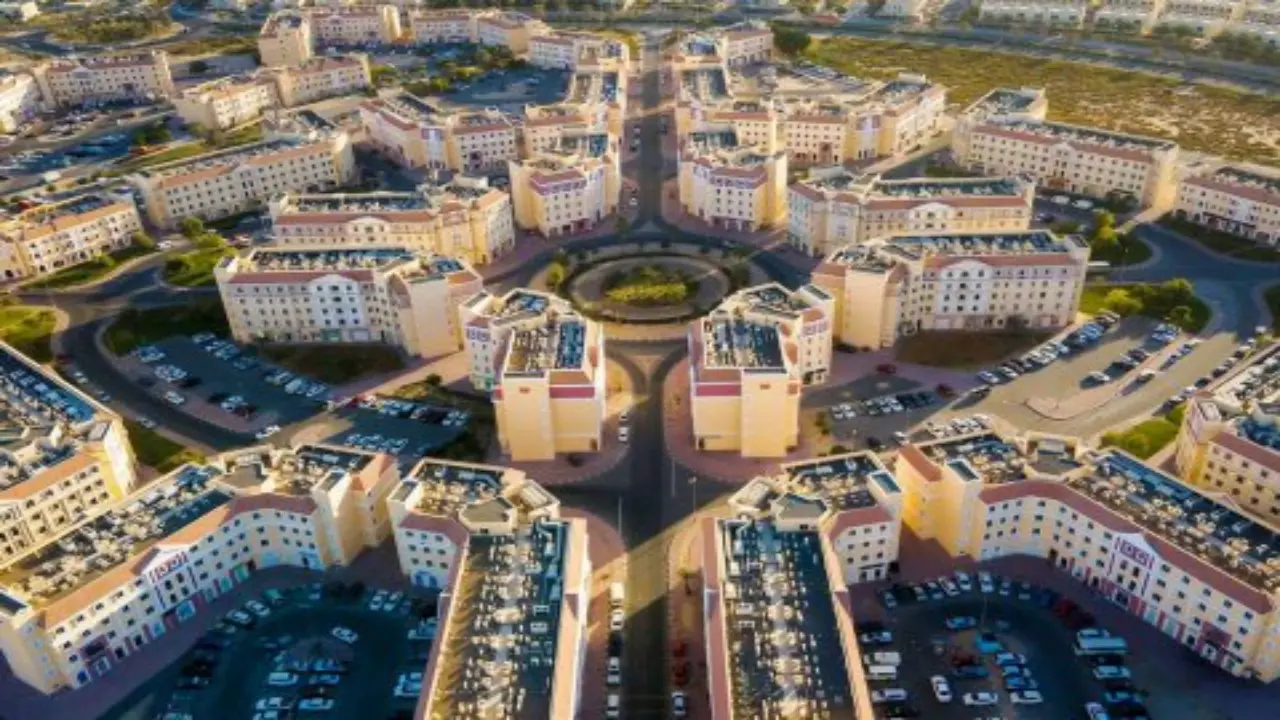
- International City
- Al Barsha
- Al Furjan
- Business Bay
- Dubai South
- Dubai Silicon Oasis
- Jumeirah Golf Estates
- Jumeirah Village Circle
- Dubailand
10 Discovery Gardens
10. Regulatory Fee & Associated Costs
Buyers must factor in several costs under RTO schemes:
- 4% DLD fee
- Mortgage registration fee (0.25% of loan amount)
- Brokerage commission (if applicable)
- Trustee office charges
- These costs will apply at final ownership transfer and should be considered into the long-term financial planning.
11. The Future of Rent-to-Own in Dubai: 2027 & Beyond
Once a rare structured approach is now gaining traction in 2026 deals as buyers today prefer flexible ownership strategies, extended financing time, and less pressure. The rise of rent-to-own is also a response from Dubai’s consistent evolution of the property market given the global investor flows and demographic shifts.
Structured flexibility is becoming integral to sales strategies as developers compete in emerging and mid-market districts, while extending financing schemes into later stages. This allows families and expats to buy properties where mortgage is not a prime consideration and to choose well-appointed neighborhoods where daily services and facilities are easily accessible.
Closing In!
Rent-to-own properties in Dubai 2026 blur the boundaries between ownership and renting, while merging tenancy security with staged equity accumulation. Supported by transparent supervision of the DLD and Real Estate Regulatory Authority, this pathway unfolds multiple financial advantages for both owners and sellers.
Nonetheless, long-term commitment and contractual understanding play a key role in the success of this structured approach. As the emirate continues its expansion in real estate scale and sophistication, rent-to-own is equally gaining attention among residents looking for ownership without immediate mortgage dependency.



Your gateway to offline planning in the digital realm. Discover a world of real estate opportunities through our immersive offline property website experience
Apartments
Studios
The WOW Tower by Mr. Eight
AED 700,000
Dubai Land Residence Complex
Studio, 1 & 2
377 - 1461 Sq Ft

Apartments
Studios
Native Haus
AED 699,999
Jumeirah Village Triangle
Studio, 1 & 2
403 - 1035 Sq Ft
Apartments
Studios
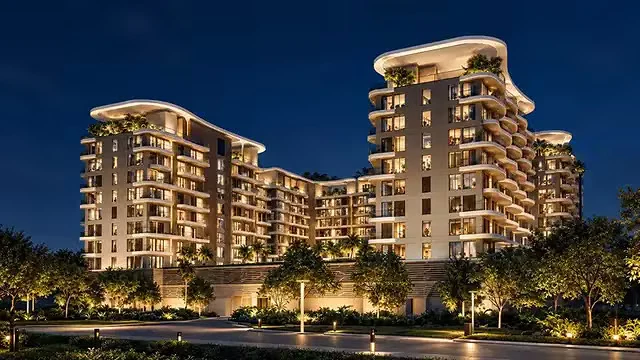
Sorrento Lagoon Views by DAMAC
AED 689,000
Damac Lagoons
Studio & 1
Apartments
Studios
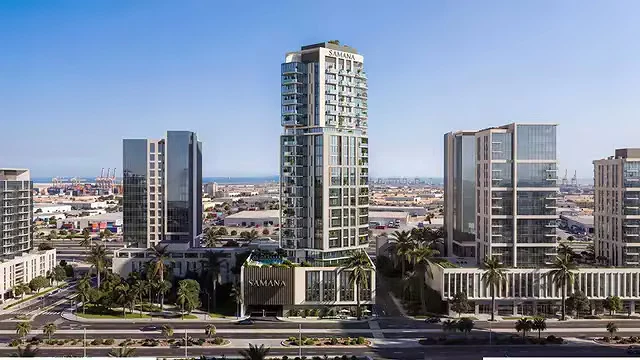
Samana Downtown One
AED 689,000
Jebel Ali
Studio, 1 & 2
Apartments
Penthouses
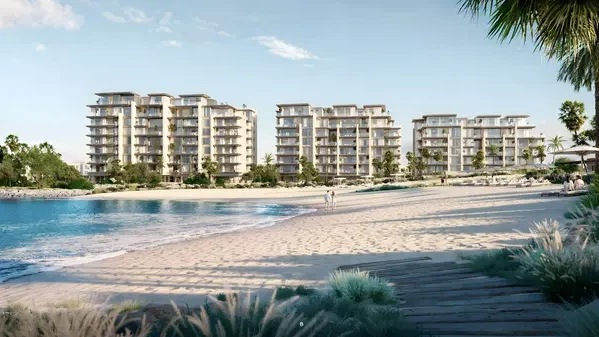
Solaya 5 and 7 by Meraas
AED Price on Request
Jumeirah
2, 3, 4 & 5
Apartments
Penthouses
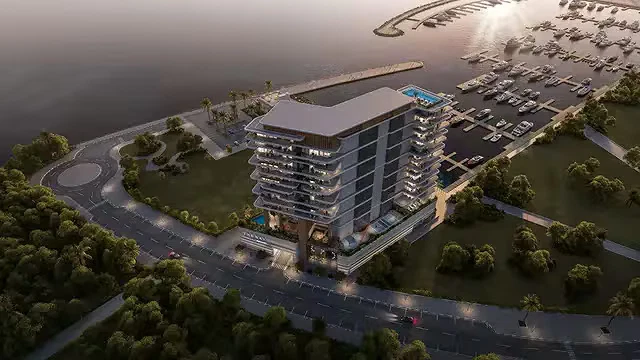
The Bay Interiors by Missoni
AED 2,750,000
Dubai Islands
2, 3 & 4
1007 - 3542 Sq Ft
Apartments
Studios
The WOW Tower by Mr. Eight
AED 700,000
Dubai Land Residence Complex
Studio, 1 & 2
377 - 1461 Sq Ft
Apartments
Studios
Native Haus
AED 699,999
Jumeirah Village Triangle
Studio, 1 & 2
403 - 1035 Sq Ft
Apartments
Studios
Sorrento Lagoon Views by DAMAC
AED 689,000
Damac Lagoons
Studio & 1
Apartments
Penthouses
Solaya 5 and 7 by Meraas
AED Price on Request
Jumeirah
2, 3, 4 & 5
Apartments
Penthouses
The Bay Interiors by Missoni
AED 2,750,000
Dubai Islands
2, 3 & 4
1007 - 3542 Sq Ft
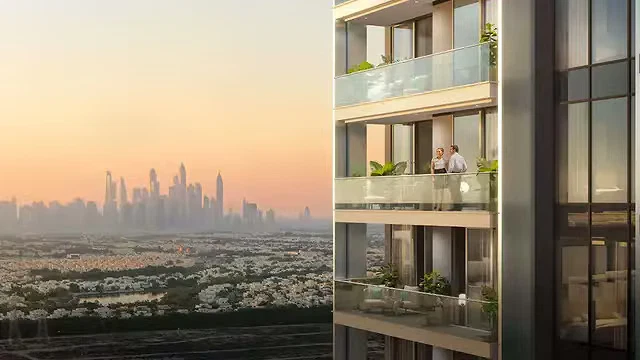
Apartments
Object 1 Lum1nar Towers
AED Price on Request
Jumeirah Village Triangle
Studio, 1, 2 & 3
355 - 1983 Sq Ft

Commercial
O1NE District Dawn by Avenew
AED Price on Request
Motor City

Commercial
Piazza Roma by DAMAC
AED Price on Request
Damac Lagoons
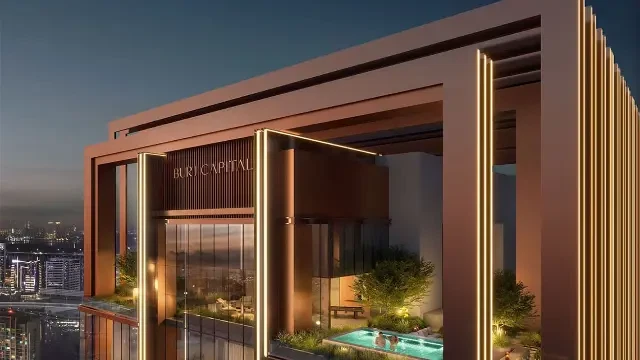
Commercial
Burj Capital Phase 3 by Centurion Properties
AED Price on Request
Business Bay

Apartments
Commercial
Penthouses
The Symphony by Imtiaz
AED 2,000,000
Meydan
1, 2 & 3
640 - 4244

Apartments
Commercial
Sol Luxe Tower
AED 1,900,000
Sheikh Zayed Road
1, 2 & 3
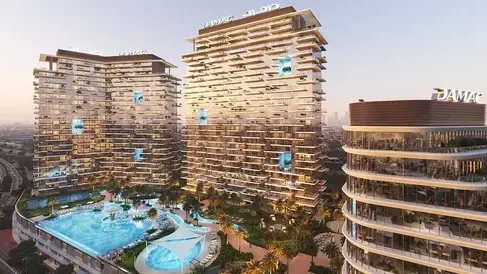
Apartments
Commercial
DAMAC District
AED 1,142,000
Damac hills
1 & 2
740 - 6588 Sq Ft
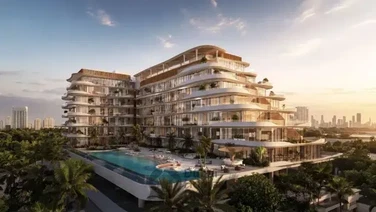
Apartments
Duplexes
Rabdan Avenue
AED 1,300,000
Meydan
1, 2 & 3
687 - 2937 Sq Ft
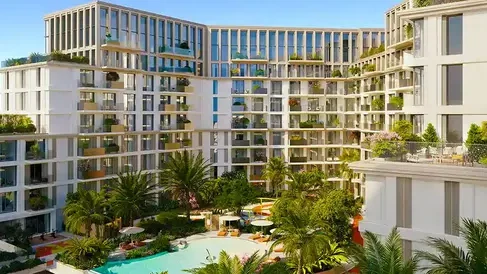
Apartments
Duplexes
Modo at Avenew 888
AED Price on Request
Dubai South
1, 2 & 3
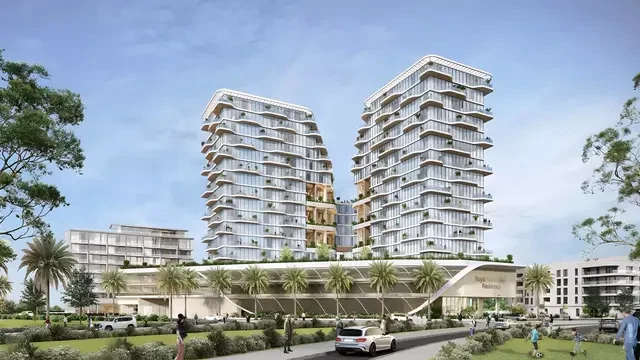
Apartments
Duplexes
Royal Yacht Club Residence by Azimuth Development
AED Price on Request
Dubai Islands
1, 2, 3 & 4
720 - 3909 Sq Ft
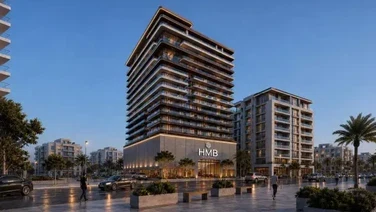
Apartments
Studios
Duplexes
Beverly Crown by HMB Homes
AED 680,000
Jumeirah Village Circle
Studio, 1 & 2
438 - 2321 Sq Ft
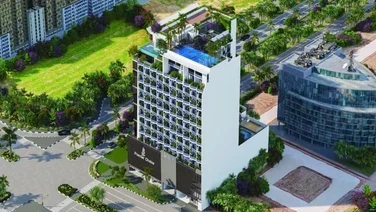
Apartments
Duplexes
Gateway Residences by Premier Choice
AED 1,164,000
Jumeirah Village Circle
1, 2 & 3
748 - 2352 Sq Ft
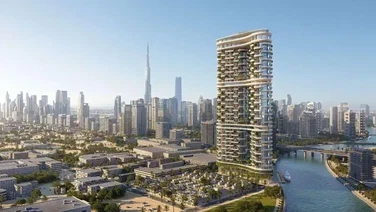
Apartments
Villas
Penthouses
Duplexes
Amali Residences
AED 14,500,000
Dubai Water Canal
2, 3, 4, 5 & 6
2880 - 21000 Sq Ft
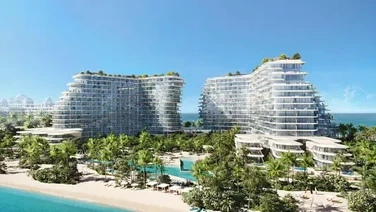
Apartments
Penthouses
Mansions
Bella by Passo
AED Price on Request
Palm Jumeirah
1, 2, 3, 4, 5 & 6
1541 - 12382 Sq Ft
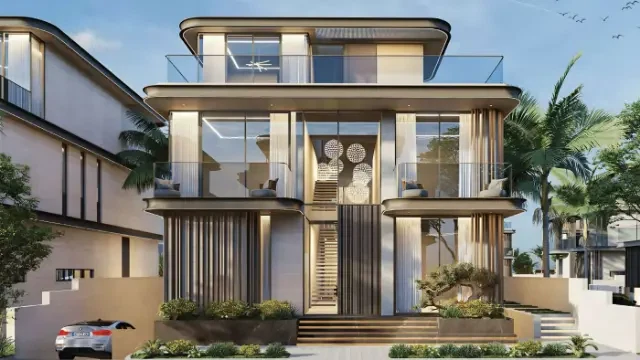
Villas
Mansions
Wellington Grand Villas
AED 20,000,000
Mohammed bin Rashid City
5 & 6
13,007 - 13,568 Sq Ft
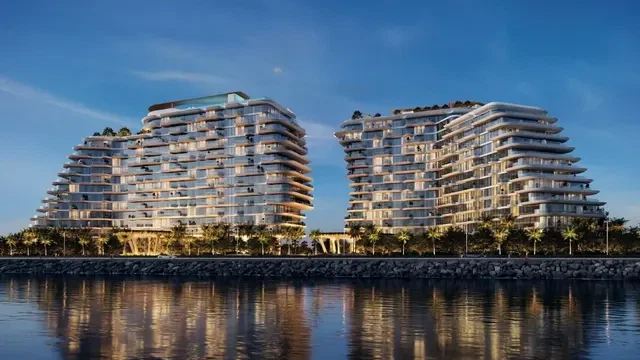
Apartments
Penthouses
Mansions
Passo by Beyond
AED 5,500,000
Palm Jumeirah
1, 2, 3, 4, 5 & 6
940 - 11830 Sq Ft

Mansions
Asora Bay Ocean Mansions by Meraas
AED 65,000,000
Jumeirah
7
41550 - 49062 Sq Ft
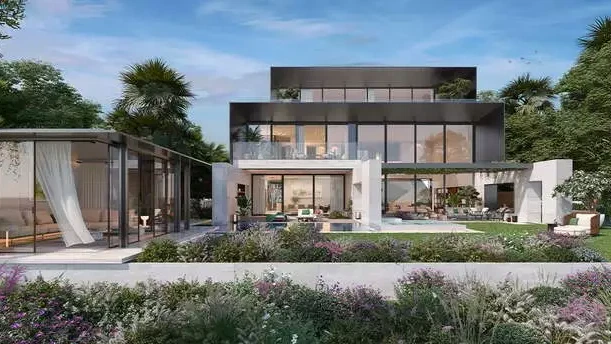
Mansions
Majid Al Futtaim Bo Monde
AED Price on Request
Tilal Al Ghaf
6 & 7

Mansions
Maldives at Damac Islands
AED Price on Request
Damac Islands
Apartments
Penthouses
The Bay Interiors by Missoni
AED 2,750,000
Dubai Islands
2, 3 & 4
1007 - 3542 Sq Ft
Apartments
Penthouses
Solaya 5 and 7 by Meraas
AED Price on Request
Jumeirah
2, 3, 4 & 5
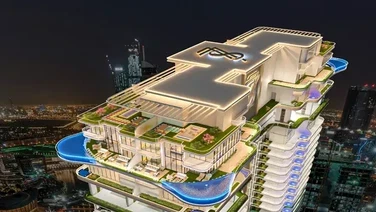
Apartments
Penthouses
77S Tower
AED Price on Request
Business Bay
1, 2, 3, 4 & 5
876 - 6500 Sq Ft
Apartments
Villas
Penthouses
Duplexes
Amali Residences
AED 14,500,000
Dubai Water Canal
2, 3, 4, 5 & 6
2880 - 21000 Sq Ft
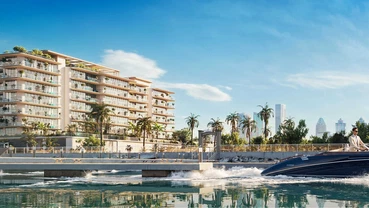
Apartments
Penthouses
Le Chateau Pietrus by Mr. Eight
AED 3,900,000
Dubai Islands
2, 3 & 4
1017 - 7008 Sq Ft
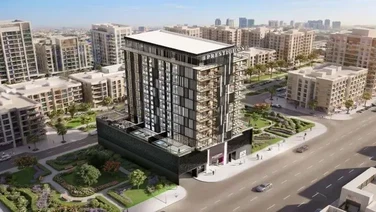
Apartments
Penthouses
Fauchon Residences by Prestige One Developments
AED Price on Request
Jumeirah Garden City
Studio, 1 & 2
1026 - 2255 Sq Ft
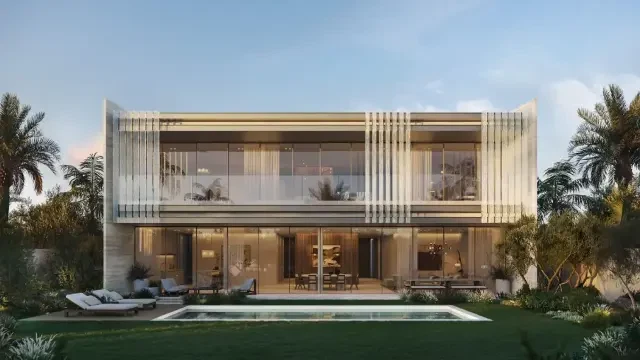
Apartments
Studios
The WOW Tower by Mr. Eight
AED 700,000
Dubai Land Residence Complex
Studio, 1 & 2
377 - 1461 Sq Ft
Apartments
Studios
Native Haus
AED 699,999
Jumeirah Village Triangle
Studio, 1 & 2
403 - 1035 Sq Ft
Apartments
Studios
Sorrento Lagoon Views by DAMAC
AED 689,000
Damac Lagoons
Studio & 1
Apartments
Studios
Samana Downtown One
AED 689,000
Jebel Ali
Studio, 1 & 2
Apartments
Studios
Fala by Kasco
AED Price on Request
Al Jaddaf
Studio, 1, 2 & 3
Apartments
Studios
Valore by SRG
AED 699,000
Jumeirah Village Circle
Studio, 1, 2 & 3
470 - 1805 Sq Ft
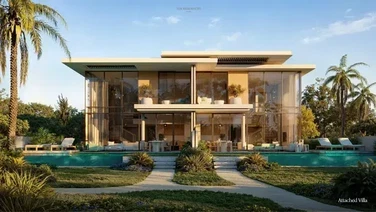
Villas
Townhouses
Bay Estate by Nakheel
AED 5,900,000
Dubai Islands
3 & 4
3054 - 11059 Sq Ft
Villas
Townhouses
Greenz by Danube
AED 3,500,000
Academic City
3, 4 & 5
2400 - 3950 Sq Ft
Villas
Townhouses
Meraas Nad Al Sheba Gardens 12
AED Price on Request
Nad Al Sheba
Apartments
Townhouses
EMAAR Golf Trails
AED 1,250,000
Emaar South
1, 2 & 3
719 - 2603 Sq Ft
Townhouses
Verdana 9 Townhouses by Reportage
AED Price on Request
Dubai Investments Park
2, 3 & 4
Townhouses
Hayat 1 by Dubai South Properties
AED Price on Request
Dubai South
Villas
Townhouses
Bay Estate by Nakheel
AED 5,900,000
Dubai Islands
3 & 4
3054 - 11059 Sq Ft
Villas
Townhouses
Greenz by Danube
AED 3,500,000
Academic City
3, 4 & 5
2400 - 3950 Sq Ft
Apartments
Villas
Penthouses
Duplexes
Amali Residences
AED 14,500,000
Dubai Water Canal
2, 3, 4, 5 & 6
2880 - 21000 Sq Ft
Villas
Townhouses
Meraas Nad Al Sheba Gardens 12
AED Price on Request
Nad Al Sheba
Apartments
Villas
The Wilds 3 by Aldar
AED Price on Request
Dubailand
Villas
Fleur de Jardin Villas by AMIS
AED Price on Request
Mohammed bin Rashid City
5 & 6