
Dubai Rental Laws: Everything Tenants and Landlords Need to Know
Published :
Last Updated :
- What Governs a Dubai Tenancy?
- Ejari Registration: The Foundation of Every Tenancy
- Rent Increases: What Landlords Can and Cannot Do
- Security Deposit Rules
- Maintenance Responsibilities: Who Pays for What
- Contract Renewal Rights
- Eviction Rights: When Can a Landlord Ask You to Leave?
- Landlord Obligations Tenants Can Enforce
- Resolving a Dispute
- Closing In
Dubai's rental market operates on clear, binding regulations, rather than arbitrary relationships between landlords and tenants. Each property is governed by the law, regulated by RERA (The Real Estate Regulatory Agency) and supported by a specific dispute centre. Tenants and landlords both hold specific rights, not just obligations toward each other. Rent increases are capped by a published index. Evictions require valid grounds and proper notice. Deposits, maintenance, and renewals all follow set rules. If you are aware of these rules beforehand, it doesn't cause any disagreements. This guide explains what each side can expect and enforce throughout a Dubai tenancy.
What Governs a Dubai Tenancy?
In Dubai, all Tenancy Contracts are governed by Law No. 26 of 2007, amended by Law No. 33 of 2008. RERA lays down the rules and monitors compliance throughout the emirate. The Rental Dispute Settlement Centre (RDSC) is the place where a dispute is settled directly. Every tenancy must also be registered to carry full legal weight. An unregistered contract still exists, but it weakens both parties' position if a dispute reaches the RDSC later. This model could be utilized for apartments, villas, and commercial units, although this guide concentrates on residential tenancies. Free zone communities sometimes apply additional developer rules on top of the general law, so checking your specific community's terms alongside the standard framework is worthwhile before signing.
Ejari Registration: The Foundation of Every Tenancy

All residential leases in Dubai must be registered using Ejari. It links directly with DEWA activation, applications for visas and school enrolment, and most tenants fill it out early on in the process. What is more important is that an Ejari-registered contract serves as the valid contract for any rent, eviction or deposit dispute as recognised by the RDSC. If there's a disagreement in the future, the tenant and landlord will have less evidence to support their case if they didn't register.
Rent Increases: What Landlords Can and Cannot Do
Rent increases in Dubai are not arbitrary. RERA publishes a rental index that compares a unit's current rent to the market average for similar properties in the same area and building type. The permitted increase depends entirely on how far below that average the current rent sits.
| Rent Below Market Average | Permitted Increase |
|---|---|
| Up to 10% below | No increase permitted |
| 11% to 20% below | Up to 5% increase |
| 21% to 30% below | Up to 10% increase |
| 31% to 40% below | Up to 15% increase |
| More than 40% below | Up to 20% increase |
Any increase must be based on this published index, and the landlord must give at least 90 days' notice before the contract renews. An increase that exceeds the applicable band, or one given without proper notice, can be challenged directly at the RDSC, which will typically rule in the tenant's favour.
Security Deposit Rules
The security deposits are usually 5 per cent of the rent of an unfurnished unit and 10 per cent for a furnished unit in Dubai. The deposit will be returned within a few days of your move-out, when the landlord is sure of the state of the property as per the inventory. Deductions include utility bills if they have not been paid, damage caused by tenants, and cleaning that exceeds normal wear and tear. Deductions made due to previously existing problems or standard wear and tear (such as minor scuffs) are not legitimate and can be contested in the RDSC if the landlord refuses to give the balance.
Asking for pictures (or an inventory) in writing at move-in will provide tenants with a benchmark for future reference. This one step can address most deposit disputes without having to go to the RDSC.
Maintenance Responsibilities: Who Pays for What
Responsibility for maintenance in Dubai is divided into 2 fairly consistent sides; however, the written contract always comes first.
| Tenant Responsibility | Landlord Responsibility |
|---|---|
| Minor repairs (light fixtures, small fittings) | Structural repairs and major systems (AC, plumbing) |
| Day-to-day cleanliness and upkeep | Pest control in most standard contracts |
| Damage caused by tenant negligence | General wear and tear |
| Minor appliance upkeep, if tenant-owned | Building-provided appliances and fittings |
Usually, small repairs (light fixtures, small fittings, etc.) and regular cleanliness are the responsibility of the tenant, as is any damage caused by their carelessness. For instance, when the air conditioner is clogged, it is likely the landlord's problem, and when the light switch is broken, it is more likely the tenant's problem. However, it is important to read the specific clause in the contract, as it can be reallocated, rather than taking the general rule.
Contract Renewal Rights

A Dubai tenancy contract renews automatically unless either party gives proper notice. A landlord must give a tenant 90 days' notice when looking for a rent increase; the tenant can give the same period when they want to end the lease. If a tenant stays in the property after the written contract has expired without re-signing a new contract, the old contract will continue to be in effect unless a new contract can be negotiated or written notice is served to terminate the contract. This automatically renews the lease, which prevents the sudden and unexpected end of a fixed-term lease.
Eviction Rights: When Can a Landlord Ask You to Leave?
Eviction in Dubai is only legal if there is a valid reason, and in most cases will require a certain notice period. A landlord may not evict a tenant just because the lease is not convenient or another tenant is offering him a better rent.
| Valid Eviction Ground | Required Notice |
|---|---|
| Non-payment of rent | 30 days after formal notice to pay |
| Subletting without landlord consent | 30 days after formal notice |
| Using the property for illegal purposes | Immediate, subject to RDSC ruling |
| Landlord's own use or sale | 12 months, notarised or registered mail |
An eviction attempted without one of these grounds, or without the correct notice, can be challenged at the RDSC. A tenant can generally remain in the property until that case is resolved in full.
Landlord Obligations Tenants Can Enforce
Tenant rights exist in parallel with landlord rights, and there are some obligations that are directed towards the tenant. During the occupancy of the property, the landlord is expected to keep it in a fit and habitable condition, and seek to remedy any problem that impacts its safety or basic function. Major repairs are required within a reasonable time frame and are not to be left indefinitely. The landlord is also required to comply with all the terms already agreed upon in the signed contract, including the services and amenities, which are part of the contract, such as the parking space or maintenance packages. Entry to the unit generally requires reasonable advance notice, except in a genuine emergency.
If the tenant believes that the landlord is continually not complying with this, the tenant may formally bring it to the landlord's attention in writing and, if it is not resolved, will proceed to the RDSC. If a request ends up at a formal hearing, it helps a lot to have copies of all requests and photos (if applicable) from that point forward. Tenants who record issues as they arise tend to get issues resolved quicker than tenants who report on all issues at the end of the tenancy.
Resolving a Dispute
If the parties are unable to resolve the issue directly, either party may file a complaint with the RDSC when any of the rights are violated. The process is easy to file, and the majority of common tenancy cases progress through mediation prior to a formal hearing, helping to make the process quicker and less expensive than going to civil court.
Closing In
Dubai's rental law is for the protection of both the tenant and the landlord, but only if both parties are aware of it. Ensuring that all contracts are registered in the Ejari and all discussions are documented in writing, along with knowing the rules and regulations about rent, deposits and eviction, helps to avoid most disputes at the outset. If there is a conflict, the RDSC has been established to solve the issue fairly and within a reasonable period of time. The bottom line is the same when signing a new lease, negotiating a lease renewal, or even if a dispute arises; the written contract and the registered Ejari record are the ones that safeguard you.
FAQs
How much can my landlord increase my rent in Dubai?
The extent to which the existing rent has fallen short of the RERA rental index determines the amount of the increase, which can be up to 20 per cent.
Can my landlord evict me without notice in Dubai?
No. Eviction requires a valid ground and a notice period, ranging from 30 days for non-payment to 12 months for a landlord reclaiming the unit.
Is Ejari registration mandatory in Dubai?
Yes, every residential tenancy contract must be registered through Ejari to carry full legal recognition in any dispute.
What can my landlord legally deduct from my security deposit?
Unpaid bills, tenant damage and over-cleaning charges. Normal wear and tear cannot be deducted.
Can I withhold rent if my landlord refuses to carry out repairs?
Generally, no. The correct approach is a formal written notice to the landlord, followed by an RDSC complaint if the issue remains unresolved.




Your gateway to offline planning in the digital realm. Discover a world of real estate opportunities through our immersive offline property website experience
Apartments
Studios
Sorrento Lagoon Views by DAMAC
AED 689,000
Damac Lagoons
Studio & 1
Apartments
Object 1 Lum1nar Towers
AED Price on Request
Jumeirah Village Triangle
Studio, 1, 2 & 3
355 - 1983 Sq Ft
Apartments
Penthouses
Solaya 5 and 7 by Meraas
AED Price on Request
Jumeirah
2, 3, 4 & 5
Apartments
Studios
Samana Downtown One
AED 689,000
Jebel Ali
Studio, 1 & 2

Apartments
Penthouses
The Bay Interiors by Missoni
AED 2,750,000
Dubai Islands
2, 3 & 4
1007 - 3542 Sq Ft
Apartments
Studios
Valore by SRG
AED 699,000
Jumeirah Village Circle
Studio, 1, 2 & 3
470 - 1805 Sq Ft
Apartments
Studios
Sorrento Lagoon Views by DAMAC
AED 689,000
Damac Lagoons
Studio & 1
Apartments
Object 1 Lum1nar Towers
AED Price on Request
Jumeirah Village Triangle
Studio, 1, 2 & 3
355 - 1983 Sq Ft
Apartments
Penthouses
The Bay Interiors by Missoni
AED 2,750,000
Dubai Islands
2, 3 & 4
1007 - 3542 Sq Ft
Apartments
Studios
Samana Downtown One
AED 689,000
Jebel Ali
Studio, 1 & 2
Apartments
Penthouses
Solaya 5 and 7 by Meraas
AED Price on Request
Jumeirah
2, 3, 4 & 5
Apartments
Studios
Fala by Kasco
AED Price on Request
Al Jaddaf
Studio, 1, 2 & 3

Commercial
O1NE District Dawn by Avenew
AED Price on Request
Motor City

Commercial
Piazza Roma by DAMAC
AED Price on Request
Damac Lagoons

Commercial
Burj Capital Phase 3 by Centurion Properties
AED Price on Request
Business Bay

Apartments
Commercial
Penthouses
The Symphony by Imtiaz
AED 2,000,000
Meydan
1, 2 & 3
640 - 4244

Apartments
Commercial
Sol Luxe Tower
AED 1,900,000
Sheikh Zayed Road
1, 2 & 3
Apartments
Commercial
DAMAC District
AED 1,142,000
Damac hills
1 & 2
740 - 6588 Sq Ft
Apartments
Duplexes
Rabdan Avenue
AED 1,300,000
Meydan
1, 2 & 3
687 - 2937 Sq Ft
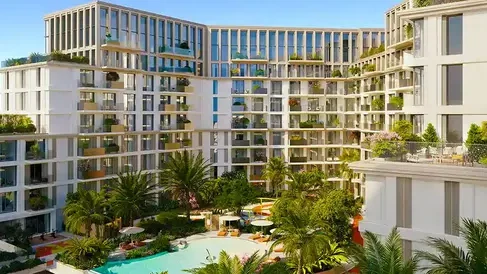
Apartments
Duplexes
Modo at Avenew 888
AED Price on Request
Dubai South
1, 2 & 3
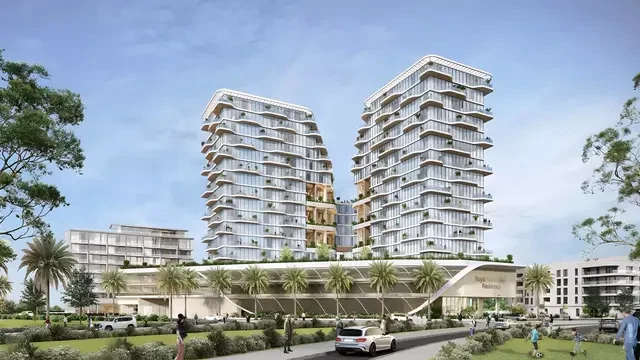
Apartments
Duplexes
Royal Yacht Club Residence by Azimuth Development
AED Price on Request
Dubai Islands
1, 2, 3 & 4
720 - 3909 Sq Ft
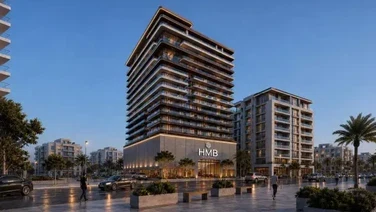
Apartments
Studios
Duplexes
Beverly Crown by HMB Homes
AED 680,000
Jumeirah Village Circle
Studio, 1 & 2
438 - 2321 Sq Ft
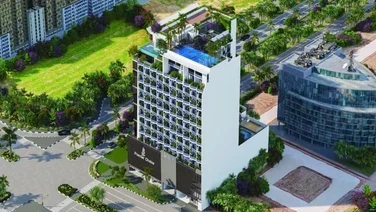
Apartments
Duplexes
Gateway Residences by Premier Choice
AED 1,164,000
Jumeirah Village Circle
1, 2 & 3
748 - 2352 Sq Ft
Apartments
Villas
Penthouses
Duplexes
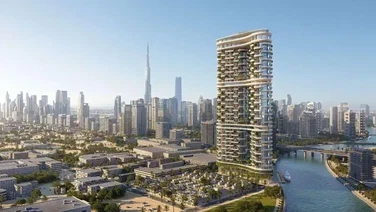
Amali Residences
AED 14,500,000
Dubai Water Canal
2, 3, 4, 5 & 6
2880 - 21000 Sq Ft

Apartments
Penthouses
Mansions
Bella by Passo
AED Price on Request
Palm Jumeirah
1, 2, 3, 4, 5 & 6
1541 - 12382 Sq Ft
Villas
Mansions
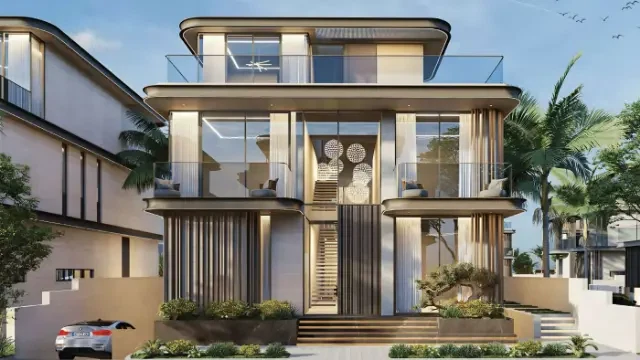
Wellington Grand Villas
AED 20,000,000
Mohammed bin Rashid City
5 & 6
13,007 - 13,568 Sq Ft
Apartments
Penthouses
Mansions
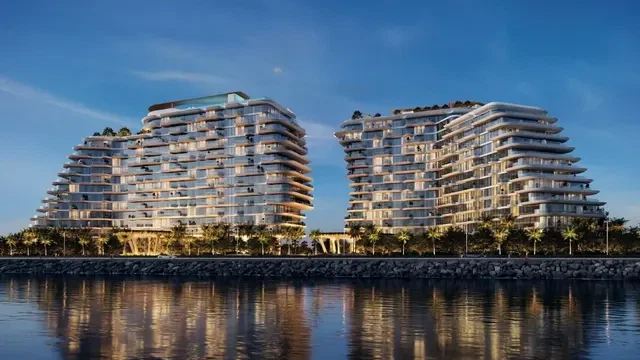
Passo by Beyond
AED 5,500,000
Palm Jumeirah
1, 2, 3, 4, 5 & 6
940 - 11830 Sq Ft

Mansions
Asora Bay Ocean Mansions by Meraas
AED 65,000,000
Jumeirah
7
41550 - 49062 Sq Ft

Mansions
Majid Al Futtaim Bo Monde
AED Price on Request
Tilal Al Ghaf
6 & 7

Mansions
Maldives at Damac Islands
AED Price on Request
Damac Islands
Apartments
Penthouses
The Bay Interiors by Missoni
AED 2,750,000
Dubai Islands
2, 3 & 4
1007 - 3542 Sq Ft
Apartments
Penthouses
Solaya 5 and 7 by Meraas
AED Price on Request
Jumeirah
2, 3, 4 & 5
Apartments
Penthouses
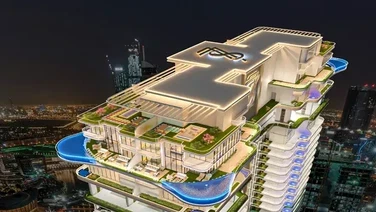
77S Tower
AED Price on Request
Business Bay
1, 2, 3, 4 & 5
876 - 6500 Sq Ft
Apartments
Villas
Penthouses
Duplexes
Amali Residences
AED 14,500,000
Dubai Water Canal
2, 3, 4, 5 & 6
2880 - 21000 Sq Ft
Apartments
Penthouses
Le Chateau Pietrus by Mr. Eight
AED 3,900,000
Dubai Islands
2, 3 & 4
1017 - 7008 Sq Ft
Apartments
Penthouses
Fauchon Residences by Prestige One Developments
AED Price on Request
Jumeirah Garden City
Studio, 1 & 2
1026 - 2255 Sq Ft

Apartments
Studios
Sorrento Lagoon Views by DAMAC
AED 689,000
Damac Lagoons
Studio & 1
Apartments
Studios
Samana Downtown One
AED 689,000
Jebel Ali
Studio, 1 & 2
Apartments
Studios
Valore by SRG
AED 699,000
Jumeirah Village Circle
Studio, 1, 2 & 3
470 - 1805 Sq Ft
Apartments
Studios
Fala by Kasco
AED Price on Request
Al Jaddaf
Studio, 1, 2 & 3
Apartments
Studios
Treppan Vision by Fakhruddin
AED Price on Request
Dubai Land Residence Complex
Studio, 1 & 2
453 - 7509 Sq Ft
Apartments
Studios
One by Nine
AED Price on Request
Nad Al Sheba
Studio, 1 & 2
563 - 1069 Sq Ft
Villas
Townhouses
Bay Estate by Nakheel
AED 5,900,000
Dubai Islands
3 & 4
3054 - 11059 Sq Ft
Villas
Townhouses
Greenz by Danube
AED 3,500,000
Academic City
3, 4 & 5
2400 - 3950 Sq Ft
Villas
Townhouses
Meraas Nad Al Sheba Gardens 12
AED Price on Request
Nad Al Sheba
Apartments
Townhouses
EMAAR Golf Trails
AED 1,250,000
Emaar South
1, 2 & 3
719 - 2603 Sq Ft

Townhouses
Verdana 9 Townhouses by Reportage
AED Price on Request
Dubai Investments Park
2, 3 & 4
Townhouses
Hayat 1 by Dubai South Properties
AED Price on Request
Dubai South
Villas
Townhouses
Bay Estate by Nakheel
AED 5,900,000
Dubai Islands
3 & 4
3054 - 11059 Sq Ft
Villas
Townhouses
Greenz by Danube
AED 3,500,000
Academic City
3, 4 & 5
2400 - 3950 Sq Ft
Apartments
Villas
Penthouses
Duplexes
Amali Residences
AED 14,500,000
Dubai Water Canal
2, 3, 4, 5 & 6
2880 - 21000 Sq Ft
Villas
Townhouses
Meraas Nad Al Sheba Gardens 12
AED Price on Request
Nad Al Sheba
Apartments
Villas
The Wilds 3 by Aldar
AED Price on Request
Dubailand
Villas
Fleur de Jardin Villas by AMIS
AED Price on Request
Mohammed bin Rashid City
5 & 6