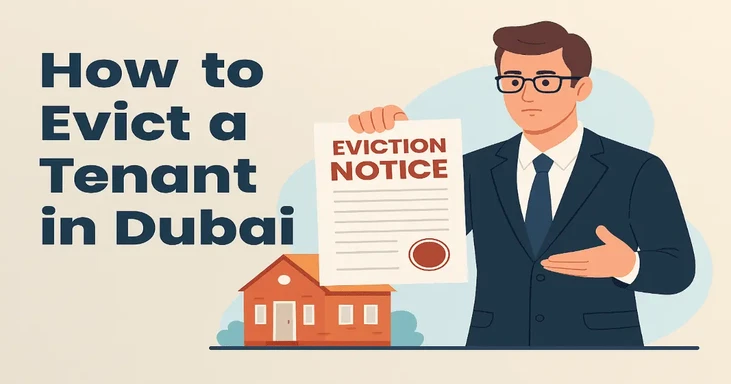
Dubai Eviction Law: How Landlords Can Evict Tenants for Unpaid Rent
Published :
Last Updated :
- Understanding Dubai’s Legal Framework for Tenant Eviction
- Step-by-Step Legal Eviction Process for Non-Payment
- Closing In!
The rental market in Dubai is overseen by a highly stringent compliance framework. With the smartly tailored regulations for balancing the rights of landlords and tenants, property owners possess the right to safeguard their investments and ensure rental income seamlessly flows.
This highlights that eviction for non-paid rent complies meticulously with the protocols established under Dubai’s tenancy laws.
Overseen primarily by Law No. 26 of 2007, which is amended by Law No. 33 of 2008, Real estate Regulatory Authority (RERA) is the top authority to regulate eviction cases.
While the procedure is intricate and involves multiple documented notices as well as enforcement through official channels, this guide is woven to explain the critical aspects of the legal eviction process in Dubai. The in-depth understanding, however, is crucial for both landlords aiming for adherence and tenants seeking to protect their occupancy rights.
Understanding Dubai’s Legal Framework for Tenant Eviction
Dubai Tenancy law No. 26 of 2007 is the law that regulates rental disputes in Dubai and manages landlord-tenant relationships.
As amended by Law No. 33 of 2008, the laws define eviction grounds, rental obligations, dispute resolution mechanisms, and notice periods.

Regulation Highlights
- Landlords shall not evict tenants arbitrarily, even in case of overdue rent.
- The eviction process shall be backed by legal notices and documentations.
- The registration of lease contract on Ejari is mandatory for legal validation of tenancies.
- The Rental Dispute Settlement Center (RDSC) handles and revolves all disputes under the oversight of DLD.
Non-conformity with these regulated requirements may lead to the dismissal of eviction cases, even when the rent default occurs.
1. Non-Payment of Rent – A Legally Valid Ground for Eviction
While non-payment of rent is one of the common eviction grounds in Dubai, other legally recognized eviction reasons include:
- To sub-let the property for illegal purposes or without the landlord’s consent
- The use of landlord’s property for immoral activities or in violation of public order
- Substantial, unreasonable, or irrecoverable damage to the premises
2. When Rent Default Becomes an Eviction Case
Eviction doesn’t occur immediately upon missed payment, but undergoes a step-by-step legal procedure that states:
- A formal payment demand notice shall be issued by the landlord.
- A 30-day grace period time extends for tenants to clear overdue rent.
- Eviction will not continue if outstanding dues are cleared.
- Sustained breach after notice allows for further legal proceedings.
Dubai authorities have smartly tailored this structured approach to ensure protection to tenants from sudden displacements, while strengthening landlords’ right to recover property legally.
Step-by-Step Legal Eviction Process for Non-Payment
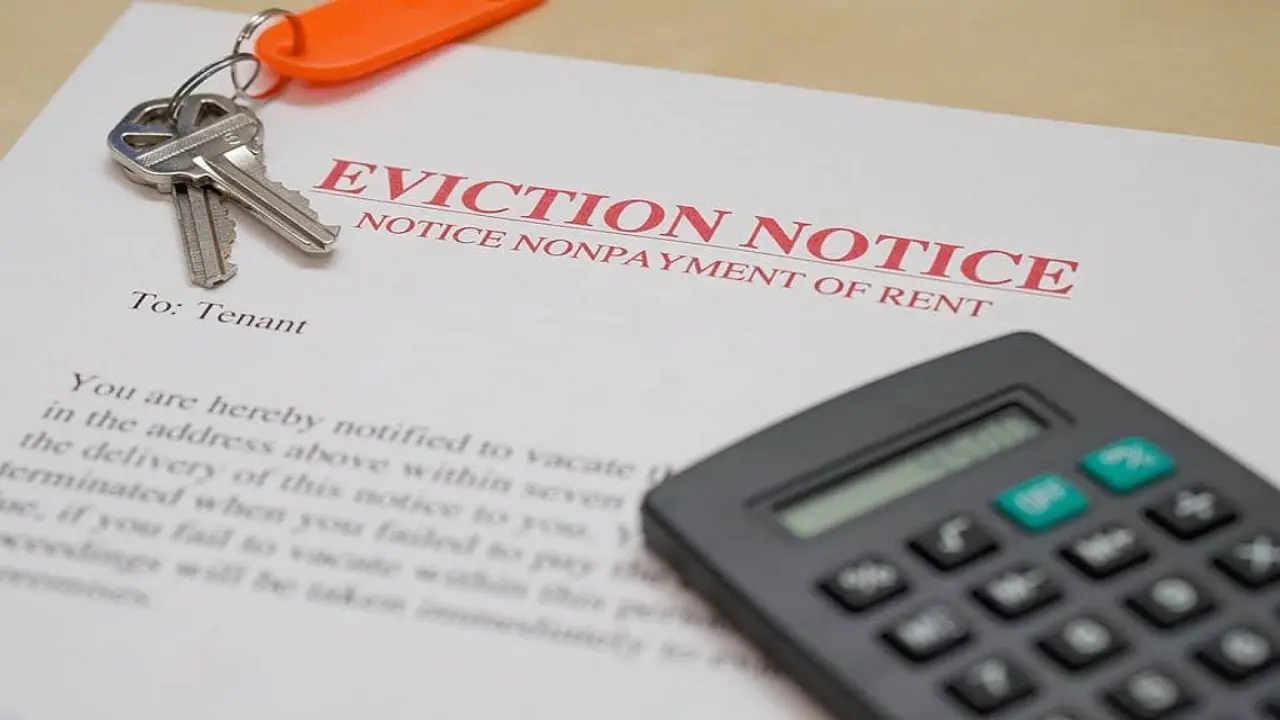
Step 1- Releasing a Legal Notice
The eviction cases for non-payment of rent in Dubai begins with a sealed legal notice. The notice shall be:
- Sent through a registered courier, a mail-phone number, or a notary public channel
- Delivered to the registered address of the tenant
- Written in Arabic or have a Certified Arabic translation in case of other language
- Stating plainly about the rent default and payment deadline
The 30-day notice countdown begins once the delivery is confirmed.
Step 2 – 30-Day Payment Window
Dubai law offers tenants a final opportunity to fix the non-payment of rent default. During these 30 days:
- Tenants can clear all outstanding rent.
- Partial payments typically do not freeze eviction proceedings unless accepted in writing.
- Penalties must be paid along with the overdue payment if stated in the contract.
- Written settlement agreements can halt legal actions.
The tenancy might continue legally if dues are cleared between both parties within the required time period.
Step 3 – Issuance of Eviction Notice
In case of failure of rental payment even after the 30-day notice, a landlord possesses the right to vacate the property. However, vacating a property doesn’t occur immediately but adheres the owners to issue a property eviction notice. This notice highlights:
- The reason for eviction
- Proposed date of eviction
Step 4 – Filing a Case at RDSC
In cases where tenants do not rectify default rents and refuse to vacate the property, the landlord can file a legal case against the involved party. The case filed with Rental Dispute Settlement Center includes the request to:
- Recover the overdue payment
- Initiate eviction process legally
Documentation required for filing a case against the tenant include:
- Property’s title deed
- Ejari certificate
- Tenancy contract copy
- Copy of eviction notice
- Proof of payment default
- Tenant identification documents
Case registration fee typically requires 3.5% of yearly rent along with minimum AED 500 to maximum AED 20,000 charges.
Step 5 – Court Hearing & Judgment
The Rental Dispute Settlement Center reviews evidences and hears both parties, with possible outcomes that may include:
- Enforces tenant to pay dues
- Releases an installment paying ruling
- Issues an eviction order
- Compensation rulings in case of breaching contract terms.
Any judgment by RDSC is legally binding upon both parties.
Step 6 – Enforcement through Court Personnel
Cases where tenants refuse to vacate even after court judgments will open further legal steps by moving the case to execution department:
- Enforcement officers issue final vacate notices
- Conduction of legal physical eviction
- Involvement of police department
Amidst the legal proceedings and execution actions by the court, landlords are not allowed for self-eviction by any means, including removing belongings or changing locks, etc.
Significance of Ejari Registration in Eviction Cases
Ejari serves as the emirate’s official tenancy registration system and without this specific contract, eviction filings will be dismissed:

The legal power of Ejari documentation in eviction includes:
- Protection of both parties from fraudulent claims.
- Validation of landlord-tenant relationship.
- Enabling court case filing.
- Legally preserves terms & conditions and rental value.
Legal Costs after Eviction Cases
Eviction cases do not end with just vacating the property but involves financial liabilities such as:
- Legal representation costs
- Court filing fees
- Unpaid rent balance
- Penalties on late payments
In extreme recovery cases, courts in Dubai might impose travel bans or freeze band accounts of the subject party.
Eviction Practices Landlords Must Avoid
Dubai law strictly prohibits landlords from being involved in any illegal action or forced eviction. Some of the outlined practices considered unlawful include:
- Intimidation or harassment
- Changing door locks
- Blocking access to the property
- Removing tenant belongings
- Disconnecting DEWA or other utilities
These actions might give tenants an upper hand and enable filing of compensation cases.
Tenant Rights during Eviction Proceedings
Dubai’s well-regulated rental landscape ensures making the eviction judicial and not arbitrary, allowing legal protections for tenants even in default.
These rights include:
- Right to appeal judgments
- Right to receive legal notice
- Right to request staged payment of default rent
- Right to dispute claims presented by landlord
- Right to remain until court orders execution
Can Eviction Be Stopped? Payment Settlements & Negotiation
Courts typically promote mediation before enforcement, ending most eviction cases in settlement. Possible resolutions include:
- Revise payment terms in the contracts
- Post-notice rent payment
- Cheque re-issuance
Property Eviction in Dubai and Notice Periods
In addition to eviction of property for non-payment of rent, other eviction reasons and required notice periods include:

- Eviction of property for sale or personal use – A written notice 12 months before the planned eviction.
- Eviction of property for breaching the contract – A written notice guaranteeing 30 days to rectify the issue.
Moreover, eviction processes registered with RDSC might take 2-4 weeks in case filing and hearing, 1 to 3 weeks for judgment issuance, and 2 to 3 weeks for enforcement.
Risk Mitigation Strategies for Landlords
Due to the dynamic rental ecosystem of Dubai, seasoned landlords have adopted several measures to prevent rent default before eviction. This includes:
- Rental insurance policies
- Post-dated cheque verification
- Optimization of security deposits
Eviction Impacts on Tenants’ Rental Prospects
Eviction from rental properties can affect tenants in multiple ways with possible consequences like:
- Negative rental record
- Stricter checks on cheque issuance
- Limited approvals by landlords
- Higher security deposits
Role of RERA in Ordering Evictions
The Real Estate Regulatory Authority’s strict oversight and compliance not only ensures fair eviction procedures but solidifies investor confidence in Dubai’s property market.
What RERA Regulates?
- Monitoring of dispute processes
- Management of tenancy contracts
- Amendments in rental laws
- Supervision of Ejari registrations
Additional Tips for Landlords
Landlords must always adopt a procedural method to ensure legally sound evictions and accelerate chances of favorable rulings by:
- Using RDSC and not private enforcement
- Leveraging notarized notices
- Maintaining records of payment
- Avoiding verbal agreements
Practical Tips for Tenants
Tenants can protect their occupancy and avoid eviction risks by:
- Clear understanding of contract clauses
- Retaining payment receipts
- Communicating financial hardship early
- Seeking extensions on payment through writing
Closing In!
Tenant eviction in Dubai based on non-payment of rent involves a systematic legal process. The process is regulated by Dubai Tenancy Law, while the RDSC plays a key role in case hearing and enforcement.
The structured legal framework safeguards financial rights of landlords, while tenants are protected with due process and fair warning. While awareness may preserve housing among tenants, legal compliance promises landlords in complete recovery of assets.
Due to the consistent expansion and scaling of the rental market in Dubai, understanding eviction laws is critical to maintain a transparent, lawful, and dispute-free landlord-tenant relationship.




Your gateway to offline planning in the digital realm. Discover a world of real estate opportunities through our immersive offline property website experience
Apartments
Studios
The WOW Tower by Mr. Eight
AED 700,000
Dubai Land Residence Complex
Studio, 1 & 2
377 - 1461 Sq Ft

Apartments
Studios
Native Haus
AED 699,999
Jumeirah Village Triangle
Studio, 1 & 2
403 - 1035 Sq Ft

Apartments
Studios
Sorrento Lagoon Views by DAMAC
AED 689,000
Damac Lagoons
Studio & 1

Apartments
Studios
Samana Downtown One
AED 689,000
Jebel Ali
Studio, 1 & 2

Apartments
Penthouses
Solaya 5 and 7 by Meraas
AED Price on Request
Jumeirah
2, 3, 4 & 5

Apartments
Penthouses
The Bay Interiors by Missoni
AED 2,750,000
Dubai Islands
2, 3 & 4
1007 - 3542 Sq Ft
Apartments
Studios
The WOW Tower by Mr. Eight
AED 700,000
Dubai Land Residence Complex
Studio, 1 & 2
377 - 1461 Sq Ft
Apartments
Studios
Native Haus
AED 699,999
Jumeirah Village Triangle
Studio, 1 & 2
403 - 1035 Sq Ft
Apartments
Studios
Sorrento Lagoon Views by DAMAC
AED 689,000
Damac Lagoons
Studio & 1
Apartments
Penthouses
Solaya 5 and 7 by Meraas
AED Price on Request
Jumeirah
2, 3, 4 & 5
Apartments
Penthouses
The Bay Interiors by Missoni
AED 2,750,000
Dubai Islands
2, 3 & 4
1007 - 3542 Sq Ft
Apartments
Object 1 Lum1nar Towers
AED Price on Request
Jumeirah Village Triangle
Studio, 1, 2 & 3
355 - 1983 Sq Ft

Commercial
O1NE District Dawn by Avenew
AED Price on Request
Motor City

Commercial
Piazza Roma by DAMAC
AED Price on Request
Damac Lagoons

Commercial
Burj Capital Phase 3 by Centurion Properties
AED Price on Request
Business Bay

Apartments
Commercial
Penthouses
The Symphony by Imtiaz
AED 2,000,000
Meydan
1, 2 & 3
640 - 4244

Apartments
Commercial
Sol Luxe Tower
AED 1,900,000
Sheikh Zayed Road
1, 2 & 3

Apartments
Commercial
DAMAC District
AED 1,142,000
Damac hills
1 & 2
740 - 6588 Sq Ft

Apartments
Duplexes
Rabdan Avenue
AED 1,300,000
Meydan
1, 2 & 3
687 - 2937 Sq Ft

Apartments
Duplexes
Modo at Avenew 888
AED Price on Request
Dubai South
1, 2 & 3

Apartments
Duplexes
Royal Yacht Club Residence by Azimuth Development
AED Price on Request
Dubai Islands
1, 2, 3 & 4
720 - 3909 Sq Ft

Apartments
Studios
Duplexes
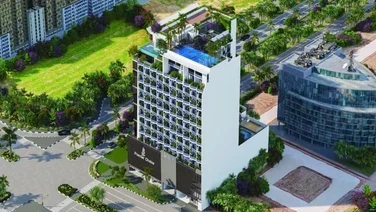
Beverly Crown by HMB Homes
AED 680,000
Jumeirah Village Circle
Studio, 1 & 2
438 - 2321 Sq Ft
Apartments
Duplexes
Gateway Residences by Premier Choice
AED 1,164,000
Jumeirah Village Circle
1, 2 & 3
748 - 2352 Sq Ft

Apartments
Villas
Penthouses
Duplexes
Amali Residences
AED 14,500,000
Dubai Water Canal
2, 3, 4, 5 & 6
2880 - 21000 Sq Ft

Apartments
Penthouses
Mansions
Bella by Passo
AED Price on Request
Palm Jumeirah
1, 2, 3, 4, 5 & 6
1541 - 12382 Sq Ft

Villas
Mansions
Wellington Grand Villas
AED 20,000,000
Mohammed bin Rashid City
5 & 6
13,007 - 13,568 Sq Ft

Apartments
Penthouses
Mansions
Passo by Beyond
AED 5,500,000
Palm Jumeirah
1, 2, 3, 4, 5 & 6
940 - 11830 Sq Ft

Mansions
Asora Bay Ocean Mansions by Meraas
AED 65,000,000
Jumeirah
7
41550 - 49062 Sq Ft

Mansions
Majid Al Futtaim Bo Monde
AED Price on Request
Tilal Al Ghaf
6 & 7

Mansions
Maldives at Damac Islands
AED Price on Request
Damac Islands
Apartments
Penthouses
The Bay Interiors by Missoni
AED 2,750,000
Dubai Islands
2, 3 & 4
1007 - 3542 Sq Ft
Apartments
Penthouses
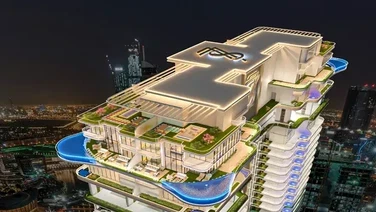
Solaya 5 and 7 by Meraas
AED Price on Request
Jumeirah
2, 3, 4 & 5
Apartments
Penthouses
77S Tower
AED Price on Request
Business Bay
1, 2, 3, 4 & 5
876 - 6500 Sq Ft
Apartments
Villas
Penthouses
Duplexes
Amali Residences
AED 14,500,000
Dubai Water Canal
2, 3, 4, 5 & 6
2880 - 21000 Sq Ft

Apartments
Penthouses
Le Chateau Pietrus by Mr. Eight
AED 3,900,000
Dubai Islands
2, 3 & 4
1017 - 7008 Sq Ft
Apartments
Penthouses
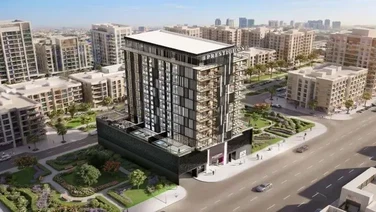
Fauchon Residences by Prestige One Developments
AED Price on Request
Jumeirah Garden City
Studio, 1 & 2
1026 - 2255 Sq Ft

Apartments
Studios
The WOW Tower by Mr. Eight
AED 700,000
Dubai Land Residence Complex
Studio, 1 & 2
377 - 1461 Sq Ft
Apartments
Studios
Native Haus
AED 699,999
Jumeirah Village Triangle
Studio, 1 & 2
403 - 1035 Sq Ft
Apartments
Studios
Sorrento Lagoon Views by DAMAC
AED 689,000
Damac Lagoons
Studio & 1
Apartments
Studios
Samana Downtown One
AED 689,000
Jebel Ali
Studio, 1 & 2
Apartments
Studios
Valore by SRG
AED 699,000
Jumeirah Village Circle
Studio, 1, 2 & 3
470 - 1805 Sq Ft

Apartments
Studios
Fala by Kasco
AED Price on Request
Al Jaddaf
Studio, 1, 2 & 3

Villas
Townhouses
Bay Estate by Nakheel
AED 5,900,000
Dubai Islands
3 & 4
3054 - 11059 Sq Ft

Villas
Townhouses
Greenz by Danube
AED 3,500,000
Academic City
3, 4 & 5
2400 - 3950 Sq Ft

Villas
Townhouses
Meraas Nad Al Sheba Gardens 12
AED Price on Request
Nad Al Sheba
Apartments
Townhouses
EMAAR Golf Trails
AED 1,250,000
Emaar South
1, 2 & 3
719 - 2603 Sq Ft

Townhouses
Verdana 9 Townhouses by Reportage
AED Price on Request
Dubai Investments Park
2, 3 & 4

Townhouses
Hayat 1 by Dubai South Properties
AED Price on Request
Dubai South
Villas
Townhouses
Bay Estate by Nakheel
AED 5,900,000
Dubai Islands
3 & 4
3054 - 11059 Sq Ft
Villas
Townhouses
Greenz by Danube
AED 3,500,000
Academic City
3, 4 & 5
2400 - 3950 Sq Ft
Apartments
Villas
Penthouses
Duplexes
Amali Residences
AED 14,500,000
Dubai Water Canal
2, 3, 4, 5 & 6
2880 - 21000 Sq Ft
Villas
Townhouses
Meraas Nad Al Sheba Gardens 12
AED Price on Request
Nad Al Sheba
Apartments
Villas
The Wilds 3 by Aldar
AED Price on Request
Dubailand
Villas
Fleur de Jardin Villas by AMIS
AED Price on Request
Mohammed bin Rashid City
5 & 6