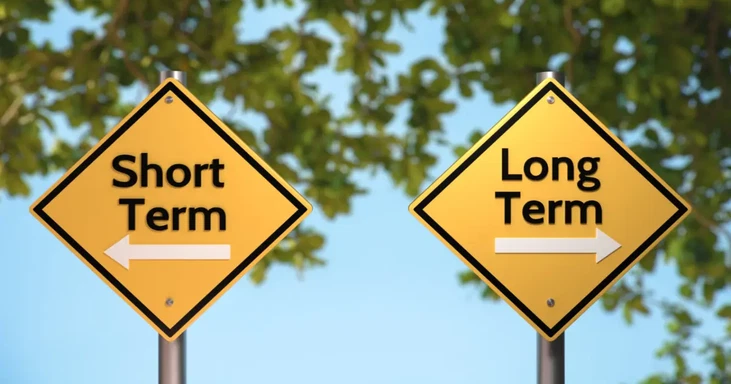
Pros and Cons of Long-Term vs Short-Term Rental Income in Dubai
Published :
Last Updated :
- Dubai’s Rental Market Overview
- Pros of Short-Term Rental Income
- Cons of Short-Term Rental Income
- Pros of Long-Term Rental Income
- Cons of Long-Term Rental Income
- Closing In!
Dubai sits atop on the global rental yields chart, with average returns considerably surpassing established markets. Thanks to its booming tourism and robust demand from expatriates.
But amidst this profitable yield environment, the selection between long-term leases and short-term markets still surfaces a critical choice among investors. While short-term rentals are ideal for exceptional returns in the city’s tourism-centered landscape, long-term rentals comparatively offer peace of mind and consistency.
This guide is tailored to help investors in making informed decisions by breaking down measures pros and cons of each model.
Dubai’s Rental Market Overview
Key factors playing integral role in shaping rental market of the city include:
- No Property Income Tax – Both rental models (short-term & Long-term) take advantage of the UAE’s tax-free rental return environment, which amplifies net profitability.
- Expanding Demography – 12-month leases are considerably gaining trajectory due to the growing expat population. This keeps the long-term residential demand stable among diverse groups, including couples, professionals, and families.
- Consistent Tourism Inflow – Dubai’s tourism inflow witnesses a 5% rise from previous years in 2025. This record-setting growth each year keeps short-term occupancy strong, particularly across prime areas (Dubai Marina & Downtown).
Understanding Long-Term Rental in Dubai
Dubai operates under a transparent rental system regulated by the Real Estate Regulatory Authority. RERA, an umbrella of DLD, outlines guidelines and oversees registration of long-term rental contracts on Ejari.
Understanding Short-Term Rental in Dubai
Short-term leases in Dubai fall under the licensing system of Dubai’s holiday home, which is primarily administered by Dubai’s Department of Economy & Tourism (DET).
Dubai’s Rental Yield Insights
Dubai’s gross rental yields average around 6 to 8 percent annually, with asset type and community impacting the ratios.
Holiday home properties in Dubai can deliver up to 12 percent annual rental yields compared to long-term leases.
Long-term rental units significantly benefit from annual lease contracts and are not tied with seasonal demand particularly.
Market Position Snapshot
| Factor | Long-Term Lease | Short-Term Rental |
|---|---|---|
| Average Yields on Apartments | 6-8.5% | 8-11% |
| Management Effort | Low due to yearly leases | High due to daily bookings |
| Price Volatility | Stable income throughout the year | Income fluctuates seasonally |
| Required Licensing Type | Ejari | Hotel Home Permit |
| Typical Occupancy Rate | 85-98% | 65-70% |
| Furnished Type | Varies | Fully furnished |
| Monthly Cost | Lower | Higher (specially, in peak season) |
| Minimum Stay | 1 night to 6 months | 12 months |
The data positions short-term rentals on the forefront as it generates 1.5% more gross yields compared to long-term leases, however with higher operational complexity.
Pros of Short-Term Rental Income

1. Higher Income Potential
The potential of commanding premium nightly rates makes up the biggest advantage of short-term rental investments in Dubai. On average, the city delivers 8 to 11 percent gross yields if the property lies in tourist-friendly area and occupancy is maintained
Top communities for investing in holiday homes in Dubai include:
- Dubai Marina – Where short-term rental returns average around 6.24% and may exceed for sea-facing units.
- Business Bay – Around 6.93% average short-term yields are driven by strong business professionals’ demand.
- Downtown – A main hub for urban explorers and HNWIs with short-term yields revolving around 6.6%.
2. Pricing Autonomy & Flexibility for Owners
Short-term rental properties enable pricing variability based on demand cycles. It allows owners to increase prices during peak tourism months or holiday seasons, a considerable factor that is absent in fixed annual lease contracts. The pricing autonomy also allows owners to respond to market trends in real time, which potentially boosts revenue further.
Furthermore, owners can block dates for booking in case of extended family stays and personal use without violating tenancy agreements. This surfaces a unique advantage over long-term leases.
3. Considerable for Lifestyle Investors
The emirate’s metropolitan landscape appeals to business visitors, seasonal travelers, and digital nomads. This cultivates a perfect audience for short-term stays and positions short-term rentals as a hybrid opportunity that shapes both social experiences and higher profits.
4. Strong Demand for Holiday Homes
Dubai’s annual tourism ratio 2025 targeted around 19.59 million visitors, mirroring a year-on-year growth. It also forecasts further expansion and robust trajectory in short-term rental viability.
Moreover, high occupancy periods and seasonal pricing could expand further with the consistent inflow of business travels and upcoming global events. Such events could open pathways for revenue optimization among short-term rental investors.
Cons of Short-Term Rental Income
1. Management Complexity & Higher Operational Costs
Unlike long-term units, operating costs like frequent cleaning, utility management, linen changes, and guest communication add up to short-term rental income.
Many owners assign these tasks to property managers, which typically eats up to 15 to 25 percent of rental income.
This keeps gross yields on short-term rentals attractive, but the professional involvement reduces net returns.
2. Fluctuating Income due to Seasonal Demand
Short-term rental demand doesn’t stay uniform year-round due to which revenue can significantly dip without dynamic marketing, pricing, or proactive demand.
These units witness high bookings during November to March, while summer months often see reduced occupancy. The fluctuations in income make short-term models more suitable for investors with active management capacity and risk tolerance.
3. Compliance and Regulatory Requirements
Compliance standards and Holiday Home Permits are mandatory as highlighted by Dubai’s Department of Economy and Tourism (DET). These critical regulations extend beyond Ejari tenancy contracts and involve tourism taxes and consistent certification renewals.
4. Exclusive Maintenance Risk
Frequent guest turnover erodes property physically, from furniture damage to appliance deterioration. This leads to higher maintenance costs over time compared to long-term leases where tenants handle properties as their own home.
Pros of Long-Term Rental Income
1. Predictable and Stable Cash Flow
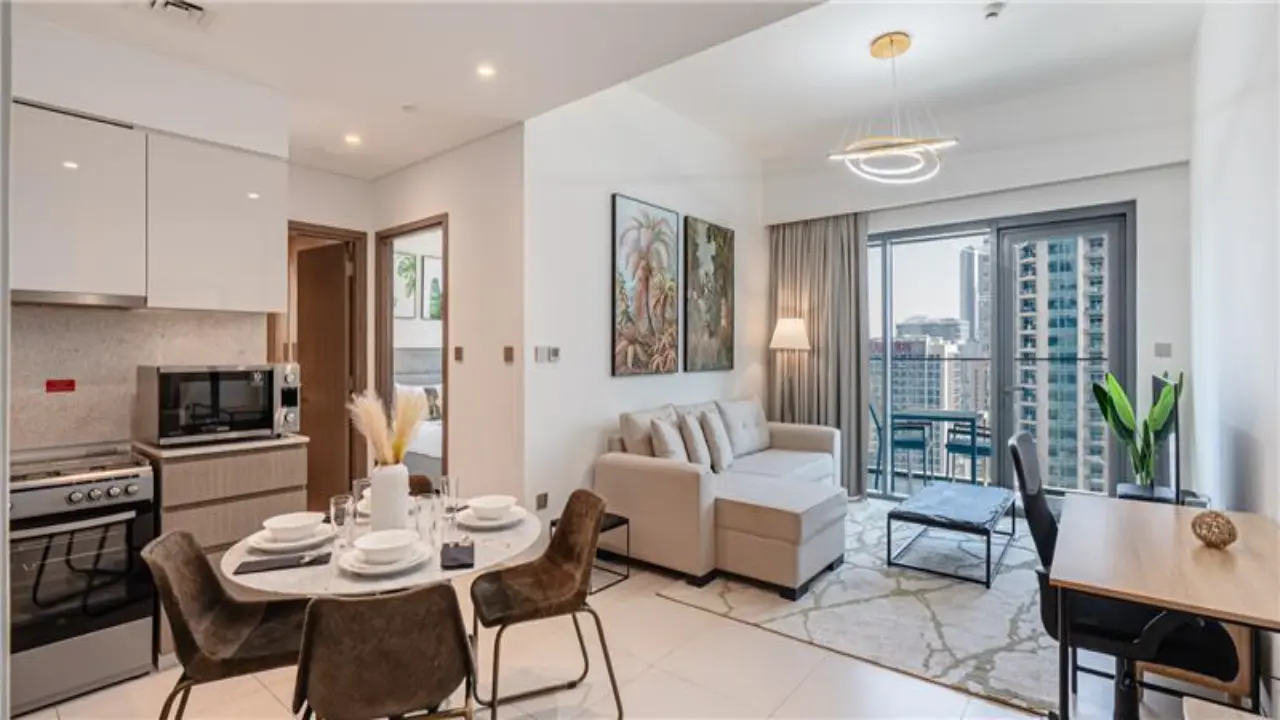
Long-term rental properties are benefiting due to their consistent cash flow for the duration of 12 months. The predictable income streamlines mortgage servicing and financial planning, allowing owners to forecast revenue reliably. Also, it keeps property owners away from demand cycle knowledge and seasonal dynamics.
2. Lower Management Efforts
The secured tenancy in long-term rental properties benefit landlords from fewer turnovers, lower marketing expenses, and reduced cleaning frequency. Furthermore, utility bills across most long-term leases fall under tenants’ responsibilities, keeping landlords away from daily operational tasks common in short-term rental models.
3. Simplified Regulatory Framework
Long-term rental leases in Dubai require adherence to RERA laws and Ejari registration for a 12-month duration. With fixed legal frameworks governing tenancy rights, this system safeguards tenants and landlords. The well-regulated landscape also streamlines long-term contractual commitments and dispute resolution pathways.
4. Minimal Vacancy Risk
Long-term rental leases in Dubai typically drive occupancy rates often in the 85 to 94 percent range. Low turnover keeps landlords away from the hassle of bookings and price adjustments, which leads to fewer vacant months and smooth cash flows.
Cons of Long-Term Rental Income
1. Lower Yield Potential
Though long-term yields are stable, they average around 6 to 8.5 percent lower than short-term possibilities around 8 to 11 percent.
2. Fixed Pricing during Contract
Landlords are now allowed to adjust rental prices once the contract is signed for long-term lease. This rigidity restricts revenue upside even if demand surges and market rates rise.
3. Restraint Property Use Flexibility
Property occupied by tenants for the long-term prevents owners from using it for alternative strategies, sale viewings, or personal stays.
4. Higher Tenancy Dispute & Rent Collection Risks
Though tenants laws protect landlords in Dubai, disputes could arise due to the condition of property or payment delays. Resolving these issues require legal involvement, which may incur additional costs or delay income.
Strategic Recommendations
Below are some practical tips to align your investment goals with the right rental strategy:
Short-term model is optimal for yield-maximizing investors if:
- You own the asset in tourist-friendly nodes like Dubai Marina, Palm Jumeirah, or Downtown.
- You seek dynamic pricing and active cash flow optimization.
- You can outsource property management tasks efficiently or are comfortable with management complexity.
Long-term lease is beneficial for passive income seekers if:
- The asset is located in a non-tourist zone or family-oriented area.
- The landlords want to avoid frequent turnovers.
- The landlord prefers predictable cash flow and minimal hands-on involvement.
Closing In!
Both short- and long-term rental models carry considerable advantages and measurable drawbacks in an evolving rental market of Dubai. Long-term leases generate steady income, while keeping operational burden minimal, while short-term benefit from pricing flexibility and exceptional gross yields.
Investors focused on financial stability prefer long-term leases and short-term leases attract owners with assets in tourism hotspots. However, the right choice ultimately hinges on investors’ goal toward capital allocation, property location strategy, and willingness for property management on a daily or long-term basis.



Your gateway to offline planning in the digital realm. Discover a world of real estate opportunities through our immersive offline property website experience
Apartments
Studios
The WOW Tower by Mr. Eight
AED 700,000
Dubai Land Residence Complex
Studio, 1 & 2
377 - 1461 Sq Ft

Apartments
Studios
Native Haus
AED 699,999
Jumeirah Village Triangle
Studio, 1 & 2
403 - 1035 Sq Ft
Apartments
Studios
Sorrento Lagoon Views by DAMAC
AED 689,000
Damac Lagoons
Studio & 1
Apartments
Studios
Samana Downtown One
AED 689,000
Jebel Ali
Studio, 1 & 2
Apartments
Penthouses
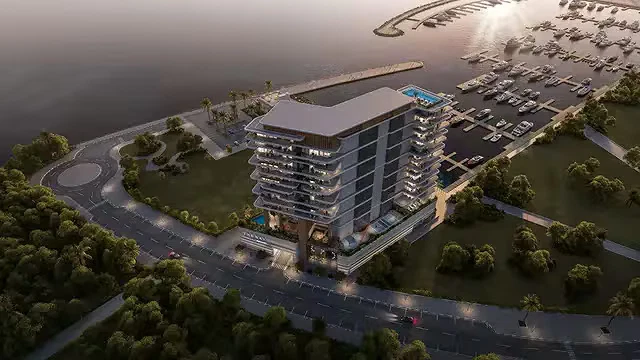
Solaya 5 and 7 by Meraas
AED Price on Request
Jumeirah
2, 3, 4 & 5
Apartments
Penthouses
The Bay Interiors by Missoni
AED 2,750,000
Dubai Islands
2, 3 & 4
1007 - 3542 Sq Ft
Apartments
Studios
The WOW Tower by Mr. Eight
AED 700,000
Dubai Land Residence Complex
Studio, 1 & 2
377 - 1461 Sq Ft
Apartments
Studios
Native Haus
AED 699,999
Jumeirah Village Triangle
Studio, 1 & 2
403 - 1035 Sq Ft
Apartments
Studios
Sorrento Lagoon Views by DAMAC
AED 689,000
Damac Lagoons
Studio & 1
Apartments
Penthouses
Solaya 5 and 7 by Meraas
AED Price on Request
Jumeirah
2, 3, 4 & 5
Apartments
Penthouses
The Bay Interiors by Missoni
AED 2,750,000
Dubai Islands
2, 3 & 4
1007 - 3542 Sq Ft
Apartments
Object 1 Lum1nar Towers
AED Price on Request
Jumeirah Village Triangle
Studio, 1, 2 & 3
355 - 1983 Sq Ft

Commercial
O1NE District Dawn by Avenew
AED Price on Request
Motor City

Commercial
Piazza Roma by DAMAC
AED Price on Request
Damac Lagoons
Commercial
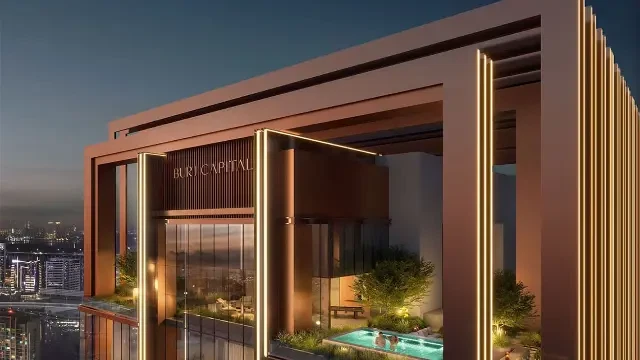
Burj Capital Phase 3 by Centurion Properties
AED Price on Request
Business Bay

Apartments
Commercial
Penthouses
The Symphony by Imtiaz
AED 2,000,000
Meydan
1, 2 & 3
640 - 4244
Apartments
Commercial
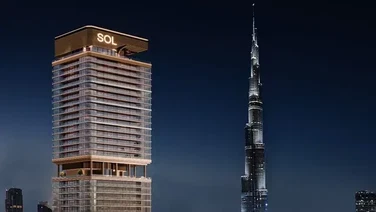
Sol Luxe Tower
AED 1,900,000
Sheikh Zayed Road
1, 2 & 3
Apartments
Commercial
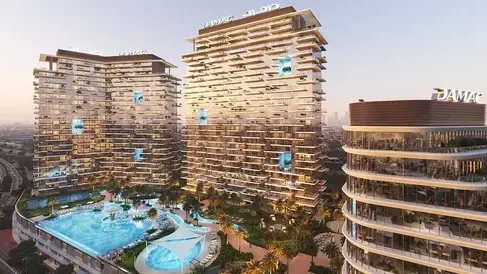
DAMAC District
AED 1,142,000
Damac hills
1 & 2
740 - 6588 Sq Ft
Apartments
Duplexes
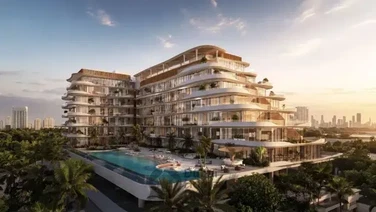
Rabdan Avenue
AED 1,300,000
Meydan
1, 2 & 3
687 - 2937 Sq Ft
Apartments
Duplexes
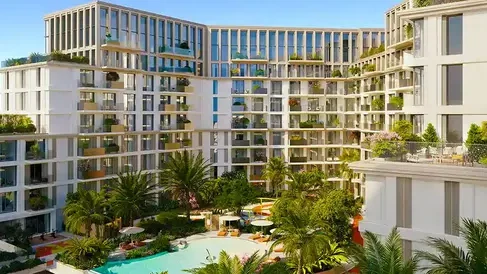
Modo at Avenew 888
AED Price on Request
Dubai South
1, 2 & 3
Apartments
Duplexes
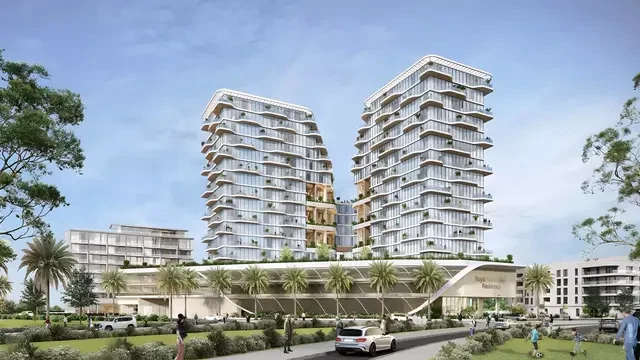
Royal Yacht Club Residence by Azimuth Development
AED Price on Request
Dubai Islands
1, 2, 3 & 4
720 - 3909 Sq Ft
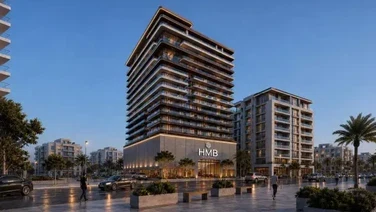
Apartments
Studios
Duplexes
Beverly Crown by HMB Homes
AED 680,000
Jumeirah Village Circle
Studio, 1 & 2
438 - 2321 Sq Ft
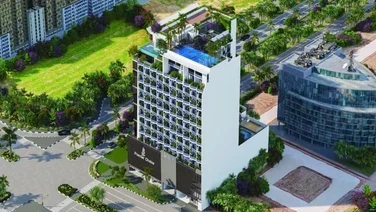
Apartments
Duplexes
Gateway Residences by Premier Choice
AED 1,164,000
Jumeirah Village Circle
1, 2 & 3
748 - 2352 Sq Ft
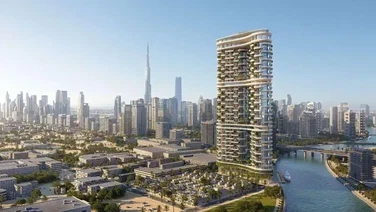
Apartments
Villas
Penthouses
Duplexes
Amali Residences
AED 14,500,000
Dubai Water Canal
2, 3, 4, 5 & 6
2880 - 21000 Sq Ft
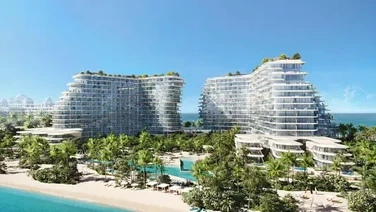
Apartments
Penthouses
Mansions
Bella by Passo
AED Price on Request
Palm Jumeirah
1, 2, 3, 4, 5 & 6
1541 - 12382 Sq Ft
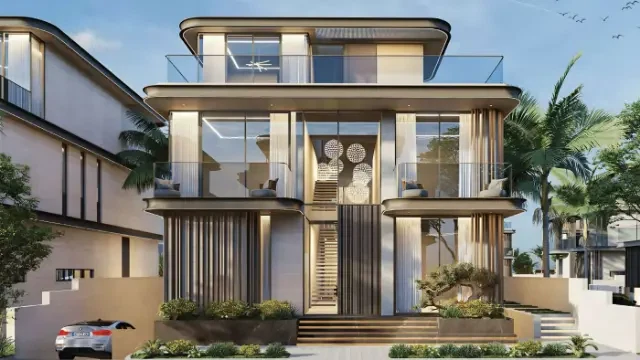
Villas
Mansions
Wellington Grand Villas
AED 20,000,000
Mohammed bin Rashid City
5 & 6
13,007 - 13,568 Sq Ft
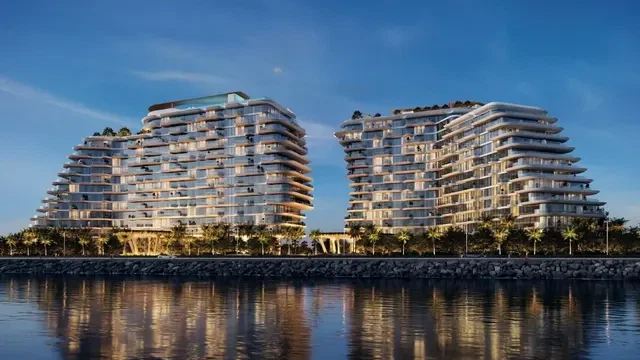
Apartments
Penthouses
Mansions
Passo by Beyond
AED 5,500,000
Palm Jumeirah
1, 2, 3, 4, 5 & 6
940 - 11830 Sq Ft

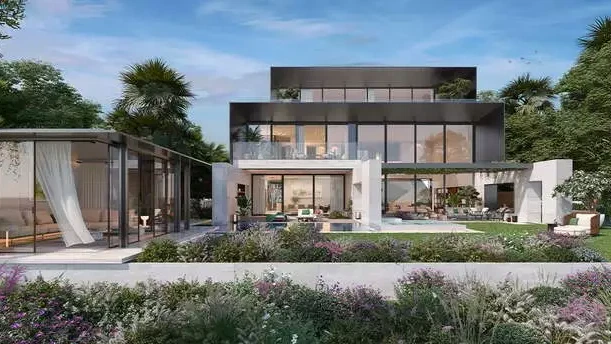
Mansions
Asora Bay Ocean Mansions by Meraas
AED 65,000,000
Jumeirah
7
41550 - 49062 Sq Ft
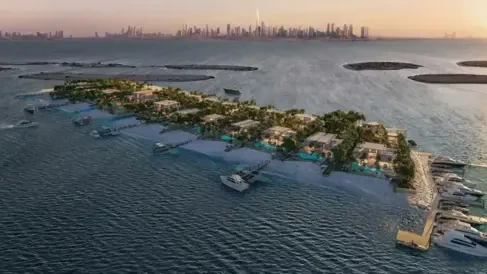
Mansions
Majid Al Futtaim Bo Monde
AED Price on Request
Tilal Al Ghaf
6 & 7
Mansions
Maldives at Damac Islands
AED Price on Request
Damac Islands
Apartments
Penthouses
The Bay Interiors by Missoni
AED 2,750,000
Dubai Islands
2, 3 & 4
1007 - 3542 Sq Ft
Apartments
Penthouses
Solaya 5 and 7 by Meraas
AED Price on Request
Jumeirah
2, 3, 4 & 5
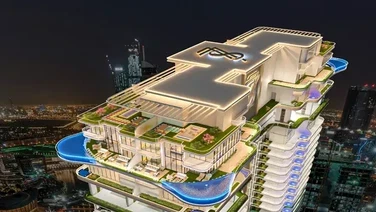
Apartments
Penthouses
77S Tower
AED Price on Request
Business Bay
1, 2, 3, 4 & 5
876 - 6500 Sq Ft
Apartments
Villas
Penthouses
Duplexes
Amali Residences
AED 14,500,000
Dubai Water Canal
2, 3, 4, 5 & 6
2880 - 21000 Sq Ft
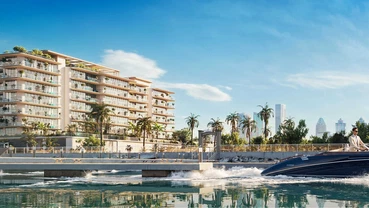
Apartments
Penthouses
Le Chateau Pietrus by Mr. Eight
AED 3,900,000
Dubai Islands
2, 3 & 4
1017 - 7008 Sq Ft
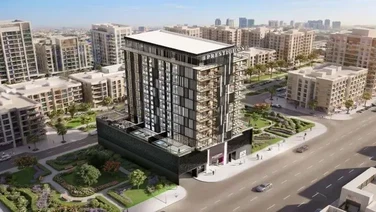
Apartments
Penthouses
Fauchon Residences by Prestige One Developments
AED Price on Request
Jumeirah Garden City
Studio, 1 & 2
1026 - 2255 Sq Ft
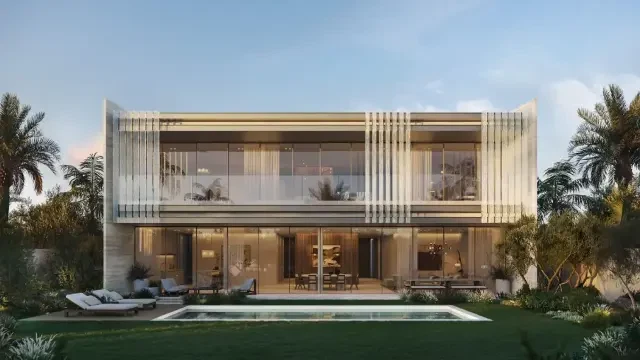
Apartments
Studios
The WOW Tower by Mr. Eight
AED 700,000
Dubai Land Residence Complex
Studio, 1 & 2
377 - 1461 Sq Ft
Apartments
Studios
Native Haus
AED 699,999
Jumeirah Village Triangle
Studio, 1 & 2
403 - 1035 Sq Ft
Apartments
Studios
Sorrento Lagoon Views by DAMAC
AED 689,000
Damac Lagoons
Studio & 1
Apartments
Studios
Samana Downtown One
AED 689,000
Jebel Ali
Studio, 1 & 2
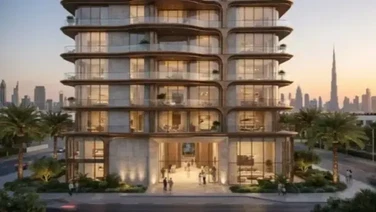
Apartments
Studios
Fala by Kasco
AED Price on Request
Al Jaddaf
Studio, 1, 2 & 3
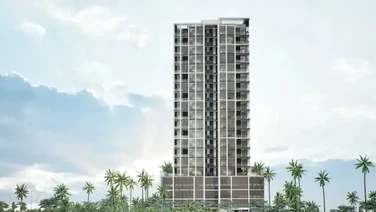
Apartments
Studios
Valore by SRG
AED 699,000
Jumeirah Village Circle
Studio, 1, 2 & 3
470 - 1805 Sq Ft
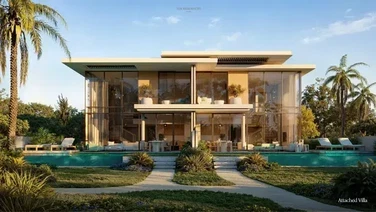
Villas
Townhouses
Bay Estate by Nakheel
AED 5,900,000
Dubai Islands
3 & 4
3054 - 11059 Sq Ft
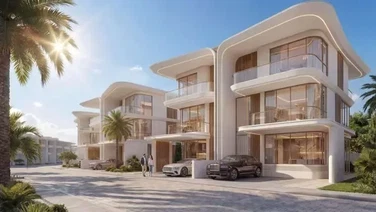
Villas
Townhouses
Greenz by Danube
AED 3,500,000
Academic City
3, 4 & 5
2400 - 3950 Sq Ft
Villas
Townhouses
Meraas Nad Al Sheba Gardens 12
AED Price on Request
Nad Al Sheba
Apartments
Townhouses
EMAAR Golf Trails
AED 1,250,000
Emaar South
1, 2 & 3
719 - 2603 Sq Ft

Townhouses
Verdana 9 Townhouses by Reportage
AED Price on Request
Dubai Investments Park
2, 3 & 4
Townhouses
Hayat 1 by Dubai South Properties
AED Price on Request
Dubai South
Villas
Townhouses
Bay Estate by Nakheel
AED 5,900,000
Dubai Islands
3 & 4
3054 - 11059 Sq Ft
Villas
Townhouses
Greenz by Danube
AED 3,500,000
Academic City
3, 4 & 5
2400 - 3950 Sq Ft
Apartments
Villas
Penthouses
Duplexes
Amali Residences
AED 14,500,000
Dubai Water Canal
2, 3, 4, 5 & 6
2880 - 21000 Sq Ft
Villas
Townhouses
Meraas Nad Al Sheba Gardens 12
AED Price on Request
Nad Al Sheba
Apartments
Villas
The Wilds 3 by Aldar
AED Price on Request
Dubailand
Villas
Fleur de Jardin Villas by AMIS
AED Price on Request
Mohammed bin Rashid City
5 & 6