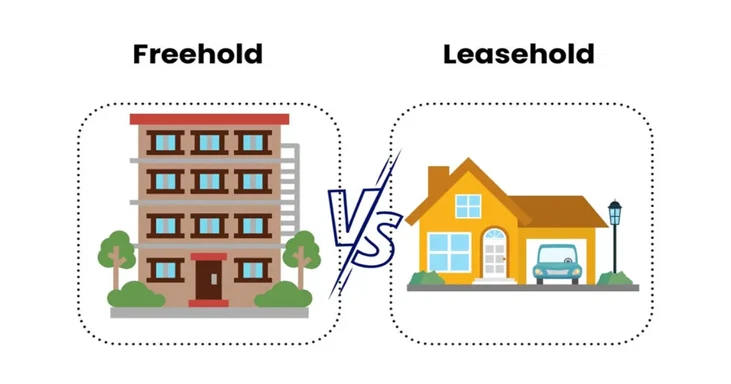
Freehold vs Leasehold: How to Check What You Own in Dubai
Published :
Last Updated :
- What Does Freehold Mean?
- What Does Leasehold Mean?
- Key Differences Between Freehold and Leasehold
- How to Check If a Property Is Freehold or Leasehold
- To Conclude
- FAQs
Knowing if a property in Dubai is freehold or leasehold is indispensable for anyone who owns, aims to purchase, or is planning to invest in real estate. Your ownership rights, the amount of time you can lawfully own the property, your obligations, and even the property’s selling value are all directly impacted by this. However, a lot of people ignore the information until they encounter unforeseen limitations or expenses.
Uncertainty about ownership type is especially common in certain situations like buying a property for the first time, purchasing an apartment in a large development, inheriting property, or investing in real estate in a different city or country. In many cases, buyers assume they fully own the property, only to later discover that the ownership is limited by a lease period or additional conditions.
What Does Freehold Mean?
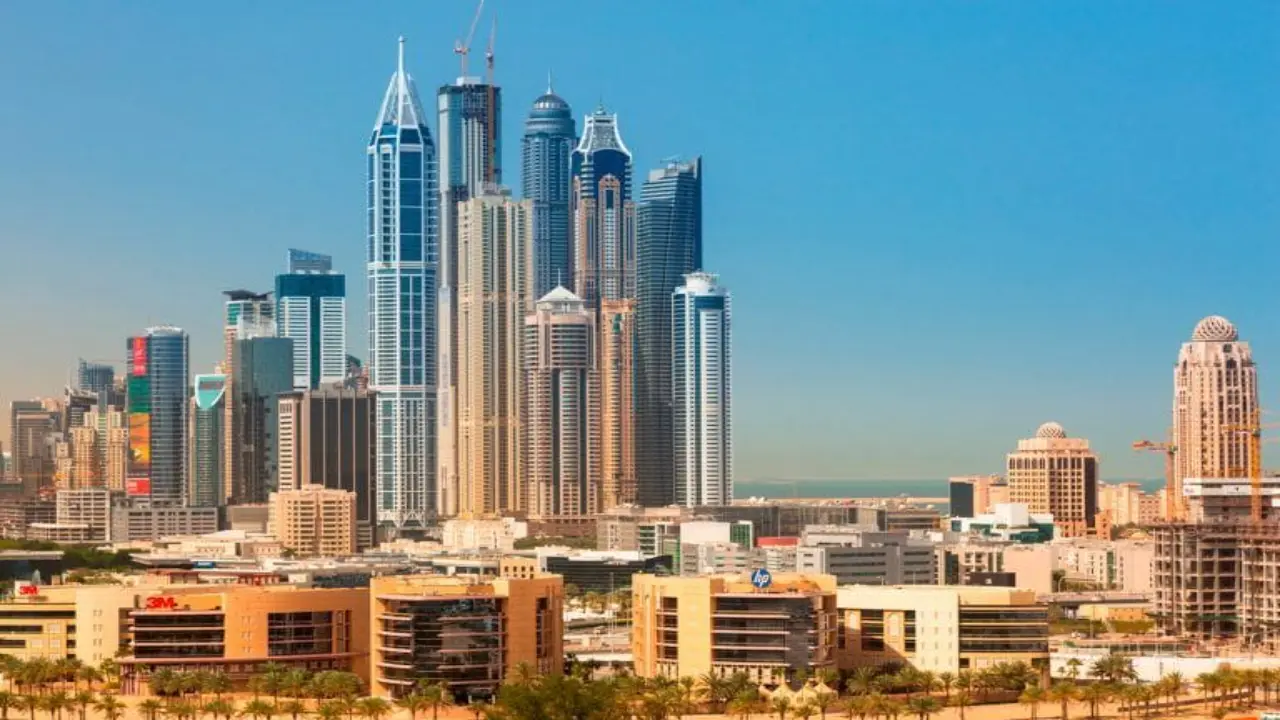
A freehold property means you own both the building and the land on which it stands, with ownership lasting indefinitely. There is no time limit on your rights, and you usually have full control over the property, subject only to local laws and regulations. In contrast, non-freehold properties, such as leasehold, grant ownership for a fixed period often 30, 60, or 99 years after which the rights may expire or require renewal.
What Does Leasehold Mean?
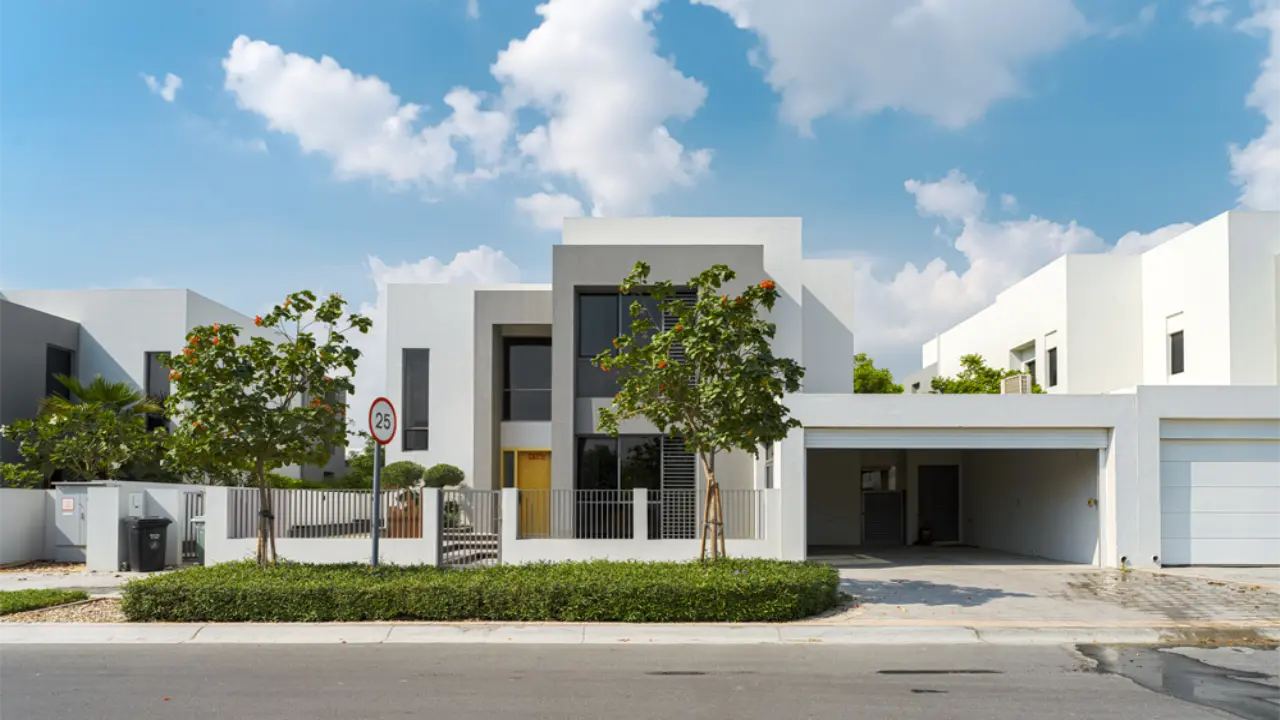
A leasehold is a form of property ownership in which you do not own the land itself, but you do have the right to use it for a predetermined amount of time. Ownership is limited for 30 to 99 years.
Depending on the conditions of the contract, you can either reside there, rent it out, or sell the remaining lease. The freeholder, usually a local owner, government agency, or developer retains ownership of the land. Unless the lease is extended, ownership returns to the landowner when the lease expires.
Key Differences Between Freehold and Leasehold
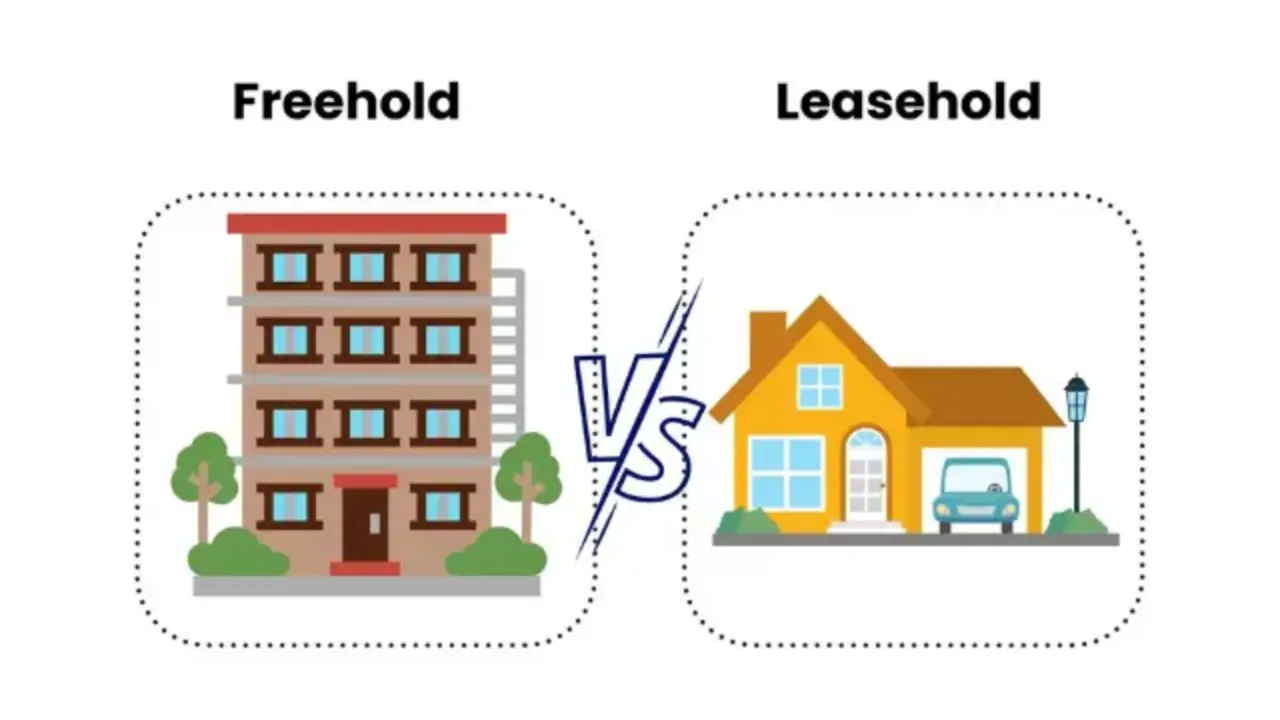
1. Freehold Ownership
- Full Ownership: Freehold ownership gives the buyer absolute authority over the property and more freedom to make alterations, subject only to planning rules. The buyer also owns the land on which the home resides indefinitely. You receive a title deed with “freehold” stated explicitly. This is the strongest proof of ownership. Freehold properties are usually easier to sell or re-finance, as lenders and buyers tend to prefer them.
- Who is Eligible to Own: UAE and GCC nationals have broad rights; foreign investors can own freehold only in designated freehold zones approved by the Dubai Land Department (DLD). You can sell, lease out, mortgage, gift, or pass the property to heirs without time limits.
2. Leasehold Ownership
- Time-Limited Rights: Leasehold ownership gives the right to occupy a property for a predetermined amount of time before ownership returns to the freeholder. Control is more constrained owing to the terms of the lease and the freeholder’s regulations. Your rights are governed by the specific lease agreement; major decisions or structural changes often require approval from the freeholder.
- Post-Term: At the end of the lease period, rights may revert to the landowner unless renewed.
- Recurring expenses: like service fees and ground rent. However, freehold properties don’t. Besides that, there are differences in maintenance responsibilities. Leaseholders may rely on the freeholder or management company to maintain shared sections, paying for this through service charges, whereas freeholders are normally responsible for all repairs and upkeep.
How to Check If a Property Is Freehold or Leasehold
1. Reach out to the Dubai Land Department (DLD) for Property Status Inquiry
The official property status service provided by the Dubai Land Department is the most dependable method of determining ownership status:
- Go to the official DLD website.
- Navigate to “Property Status Inquiry.”
- You can enter the property’s address, plot or land number, owner name, or title deed number.
- Submit to obtain a comprehensive report that includes other legal details (mortgages, etc.) and indicates if the property is freehold or leasehold.
2. Consult a Licensed Broker Professional
Although official platforms provide direct information, many purchasers often hire a qualified real estate broker agent or legal counsel to:
- Decipher contract language.
- Verifications of property.
- Verifying mortgages, disputes, and encumbrances as part of your due diligence.
- Make the conditions of the lease or the rights to renew it clear.
3. Check Whether the Area is a Designated Freehold Zone
Only authorized freehold districts allow foreign purchasers to own freehold property. The following are typical freehold areas: Palm Jumeirah, Business Bay, Dubai Marina, and Arabian Ranches.
Can Leasehold Properties Become Freehold?
Yes, in some cases, leasehold properties can become freehold, but it is not automatic and depends on strict legal, governmental, and ownership conditions. A leasehold-to-freehold conversion may be possible only if all of the following apply:
1. The Property is Located in a Freehold Neighborhood
Freehold ownership is permitted in certain areas of Dubai, such as Dubai Marina, Downtown Dubai, JVC, and Palm Jumeirah.
- Conversion is not allowed if the land is outside of a freehold zone
- Conversion might be taken into consideration if it is within a freehold zone
2. The Landowner Consents to Sell the Property
Land owned by a freeholder typically a government agency, master developer, or private owner is the location of leasehold properties.
- Conversion is not feasible without landowner approval
- To sell the land rights, the landowner must consent
3. Approval from Dubai Land Department (DLD)
Even with agreement from both parties:
- The conversion must be approved and registered by DLD
- New ownership documents (freehold title deed) must be issued
- Fees, registration charges, and valuation costs apply
4. A new sale and Purchase Agreement is Executed
Converting leasehold to freehold is legally treated as a new transaction, which includes:
- Property valuation
- New ownership registration
- Payment of applicable transfer fees (usually 4% DLD fee)
Common Mistakes You Should Avoid
1. Neglecting the Lease Term
Long leasehold properties (such 99-year leases) are sometimes mistakenly treated by buyers as freehold, which can be costly. No matter how long it lasts, leasehold ownership has a term limit.
As a lease term shortens, property value often decreases. Resale demand and mortgage eligibility frequently decline with time. Ignoring the remaining lease term can have a big influence on resale opportunities and investment returns.
2. Taking Ownership Based on the Kind of Property
The idea that some property kinds are inherently freehold is one of the most common misunderstandings. Townhouses, villas, and apartments can all be leasehold or freehold. In many cases, a property being in a freehold region does not ensure that the particular unit is freehold. Also, both ownership forms may be included in mixed-use projects and older developments.
Always use official records to confirm each individual unit rather than making conclusions based on marketing language or the type of property.
To Conclude
In Dubai, determining whether a property is leasehold or freehold is an important step that should never be skipped. Your legal rights, resale value, financing choices, and long-term security are all directly impacted by your ownership type.
You can prevent expensive errors and safeguard your investment by depending on official sources rather than conjecture or verbal guarantees but also speaking to a RERA-verified agent can clear a lot of roadblocks. Transparency, peace of mind, and assurance that the property actually fits your motives are more likely guaranteed when you take the time to confirm ownership before committing.
FAQs
Can apartments be freehold?
Apartments can be freehold, yes. Freehold apartments in specific freehold locations may be lawfully owned by foreigners. Ownership is registered with the Dubai Land Department (DLD) and is permanent. As is common for apartments all around the world, you do not personally own the land; instead, you have a registered share through the building’s ownership structure.
Does ownership type affect resale value?
Yes, ownership type has a big influence on resale value in Dubai; freehold properties often fetch higher and more consistent resale prices than leasehold ones.



Your gateway to offline planning in the digital realm. Discover a world of real estate opportunities through our immersive offline property website experience
Apartments
Samana Portside
AED 1,099,000
Downtown Jebel Ali
1 & 2
Apartments
Shahrukhz Residences by Danube
AED 1,650,000
Dubai Maritime City
Studio, 1, 2 & 3
Apartments
Studios
Treppan Vision by Fakhruddin
AED Price on Request
Dubai Land Residence Complex
Studio, 1 & 2
453 - 7509 Sq Ft
Apartments
Vision Iconic by Binghatti
AED Price on Request
Meydan
1, 2, 3, 4 & 5
Apartments
Tessera by Al Ghurair Development
AED Price on Request
Dubai South
Apartments
The Weave by Al Ghurair Development
AED 1,200,000
Jumeirah Village Circle
1, 2 & 3
776 - 2221 Sq Ft

Apartments
Samana Portside 2
AED Price on Request
Downtown Jebel Ali
Studio, 1 & 2
Apartments
Shahrukhz Residences by Danube
AED 1,650,000
Dubai Maritime City
Studio, 1, 2 & 3
Apartments
Samana Portside
AED 1,099,000
Downtown Jebel Ali
1 & 2
Apartments
Studios
Treppan Vision by Fakhruddin
AED Price on Request
Dubai Land Residence Complex
Studio, 1 & 2
453 - 7509 Sq Ft
Apartments
Vision Iconic by Binghatti
AED Price on Request
Meydan
1, 2, 3, 4 & 5
Apartments
Aris by Grid
AED Price on Request
Dubai South
Studio, 1 & 2
Commercial
O1NE District Dawn by Avenew
AED Price on Request
Motor City
Commercial
Piazza Roma by DAMAC
AED Price on Request
Damac Lagoons
Commercial
Burj Capital Phase 3 by Centurion Properties
AED Price on Request
Business Bay

Apartments
Commercial
Penthouses
The Symphony by Imtiaz
AED 2,000,000
Meydan
1, 2 & 3
640 - 4244
Apartments
Commercial
Sol Luxe Tower
AED 1,900,000
Sheikh Zayed Road
1, 2 & 3
Apartments
Commercial
DAMAC District
AED 1,142,000
Damac hills
1 & 2
740 - 6588 Sq Ft
Apartments
Duplexes
Rabdan Avenue
AED 1,300,000
Meydan
1, 2 & 3
687 - 2937 Sq Ft
Apartments
Duplexes
Modo at Avenew 888
AED Price on Request
Dubai South
1, 2 & 3
Apartments
Duplexes
Royal Yacht Club Residence by Azimuth Development
AED Price on Request
Dubai Islands
1, 2, 3 & 4
720 - 3909 Sq Ft
Apartments
Studios
Duplexes
Beverly Crown by HMB Homes
AED 680,000
Jumeirah Village Circle
Studio, 1 & 2
438 - 2321 Sq Ft
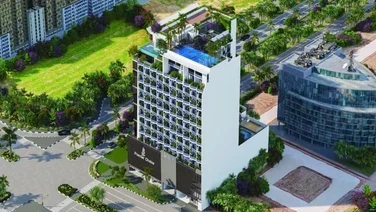
Apartments
Duplexes
Gateway Residences by Premier Choice
AED 1,164,000
Jumeirah Village Circle
1, 2 & 3
748 - 2352 Sq Ft
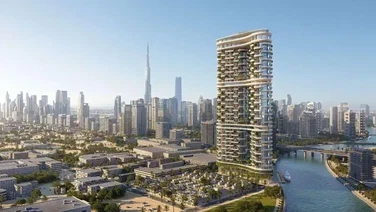
Apartments
Villas
Penthouses
Duplexes
Amali Residences
AED 14,500,000
Dubai Water Canal
2, 3, 4, 5 & 6
2880 - 21000 Sq Ft
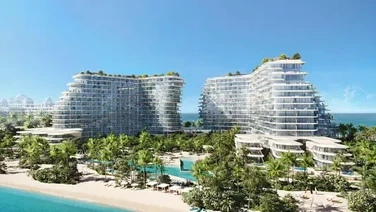
Apartments
Penthouses
Mansions
Bella by Passo
AED Price on Request
Palm Jumeirah
1, 2, 3, 4, 5 & 6
1541 - 12382 Sq Ft
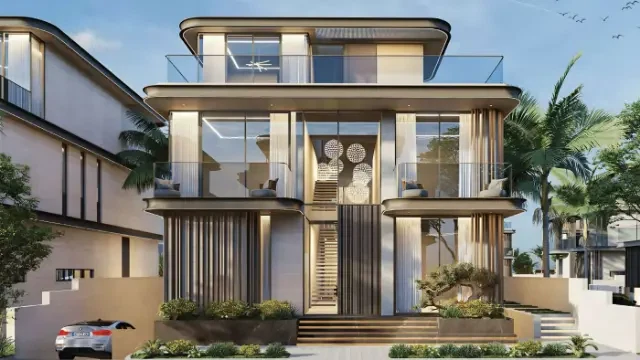
Villas
Mansions
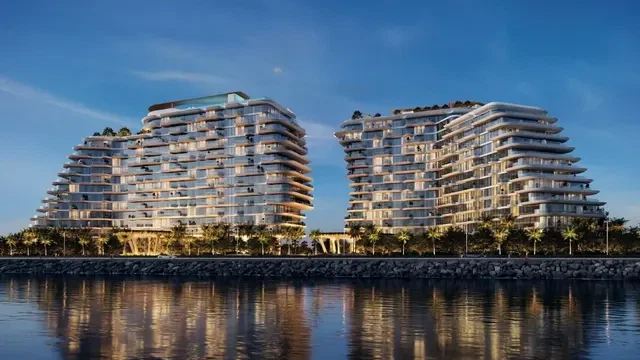
Wellington Grand Villas
AED 20,000,000
Mohammed bin Rashid City
5 & 6
13,007 - 13,568 Sq Ft
Apartments
Penthouses
Mansions
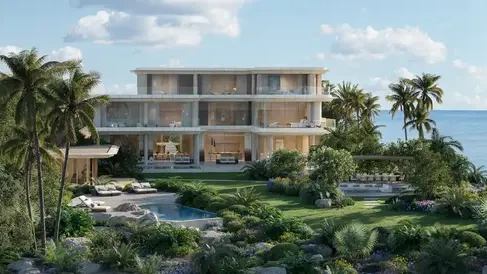
Passo by Beyond
AED 5,500,000
Palm Jumeirah
1, 2, 3, 4, 5 & 6
940 - 11830 Sq Ft
Mansions
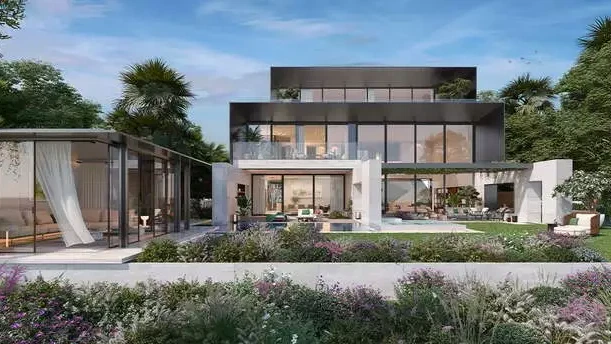
Asora Bay Ocean Mansions by Meraas
AED 65,000,000
Jumeirah
7
41550 - 49062 Sq Ft
Mansions
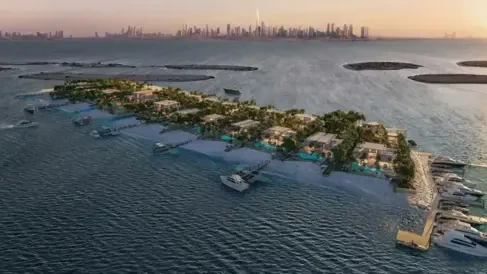
Majid Al Futtaim Bo Monde
AED Price on Request
Tilal Al Ghaf
6 & 7
Mansions
Maldives at Damac Islands
AED Price on Request
Damac Islands
Apartments
Penthouses
77S Tower
AED Price on Request
Business Bay
1, 2, 3, 4 & 5
876 - 6500 Sq Ft
Apartments
Villas
Penthouses
Duplexes
Amali Residences
AED 14,500,000
Dubai Water Canal
2, 3, 4, 5 & 6
2880 - 21000 Sq Ft
Apartments
Penthouses
Le Chateau Pietrus by Mr. Eight
AED 3,900,000
Dubai Islands
2, 3 & 4
1017 - 7008 Sq Ft
Apartments
Penthouses
Fauchon Residences by Prestige One Developments
AED Price on Request
Jumeirah Garden City
Studio, 1 & 2
1026 - 2255 Sq Ft
Apartments
Penthouses
Duplexes
Eywa Way of Water by R.Evolution
AED 9,000,000
Business Bay
2, 3, 4 & 5
2154 - 22900 Sq Ft
Apartments
Penthouses
Duplexes
Ellington Sands 2
AED Price on Request
Dubai Islands
1, 2, 3 & 4
800 - 5964 Sq Ft
Apartments
Studios
Treppan Vision by Fakhruddin
AED Price on Request
Dubai Land Residence Complex
Studio, 1 & 2
453 - 7509 Sq Ft
Apartments
Studios
One by Nine
AED Price on Request
Nad Al Sheba
Studio, 1 & 2
563 - 1069 Sq Ft
Apartments
Studios
11 Hills Park by TownX
AED 675,000
Dubai Science Park
Studio & 1
474 - 831 Sq Ft

Apartments
Studios
Kore by Imtiaz
AED 679,000
Dubai Land Residence Complex
Studio, 1, 2 & 3
406 - 1406 Sq Ft

Apartments
Studios
Astra Residences by Dugasta Properties
AED Price on Request
Dubai South
Studio, 1 & 2
349 - 1792 Sq Ft
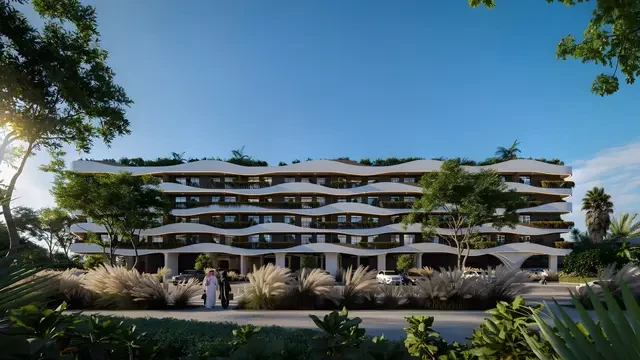
Apartments
Studios
Oasis Residences by Al Helal Al Zahaby
AED 590,000
Dubai South
Studio, 1, 2 & 3
427 - 1992 Sq Ft
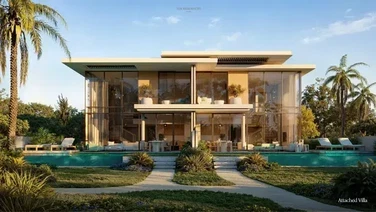
Villas
Townhouses
Bay Estate by Nakheel
AED 5,900,000
Dubai Islands
3 & 4
3054 - 11059 Sq Ft
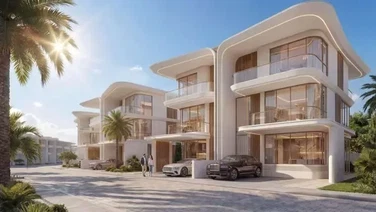
Villas
Townhouses
Greenz by Danube
AED 3,500,000
Academic City
3, 4 & 5
2400 - 3950 Sq Ft
Villas
Townhouses
Meraas Nad Al Sheba Gardens 12
AED Price on Request
Nad Al Sheba
Apartments
Townhouses
EMAAR Golf Trails
AED 1,250,000
Emaar South
1, 2 & 3
719 - 2603 Sq Ft
Townhouses
Verdana 9 Townhouses by Reportage
AED Price on Request
Dubai Investments Park
2, 3 & 4
Townhouses
Hayat 1 by Dubai South Properties
AED Price on Request
Dubai South
Villas
Townhouses
Bay Estate by Nakheel
AED 5,900,000
Dubai Islands
3 & 4
3054 - 11059 Sq Ft
Villas
Townhouses
Greenz by Danube
AED 3,500,000
Academic City
3, 4 & 5
2400 - 3950 Sq Ft
Apartments
Villas
Penthouses
Duplexes
Amali Residences
AED 14,500,000
Dubai Water Canal
2, 3, 4, 5 & 6
2880 - 21000 Sq Ft
Villas
Townhouses
Meraas Nad Al Sheba Gardens 12
AED Price on Request
Nad Al Sheba
Apartments
Villas
The Wilds 3 by Aldar
AED Price on Request
Dubailand
Villas
Lunaya by Zaya
AED 4,900,000
Jebel Ali
4 & 5
2966 - 8231 Sq Ft