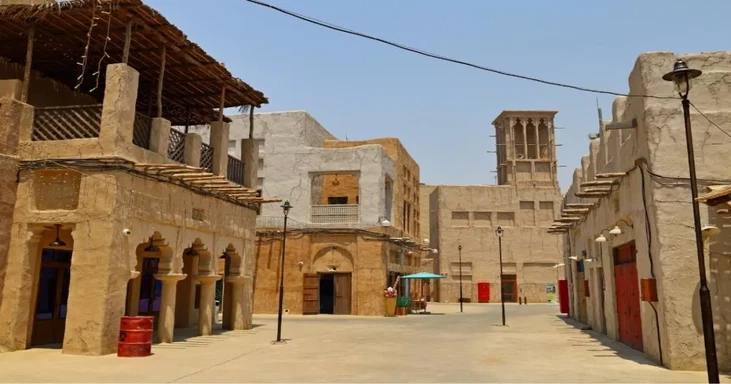
Oldest Buildings in Dubai: Timeless Treasures of the City
Published :
Last Updated :
- Best Ancient Buildings in Dubai
- Closing In!
The city of Dubai is known because of its modern skyline, expensive resorts and high growth rate. However, its background is also interesting. Hammering through skyscrapers and busy streets, the old buildings are silent representatives of the transformation of the city. The discovery of the oldest buildings in Dubai enables tourists and locals to learn about its origin, culture, and primitive architectural resourcefulness.
These structures bring out the differences between ancient and modern constructions. Dubai has the oldest structures that include forts, homes, early schools and commercial centres that give a clue to the social, economic, and cultural development of the city. This guide will present the most important historic buildings in Dubai.
Best Ancient Buildings in Dubai
1. Al Fahidi Fort (1787)
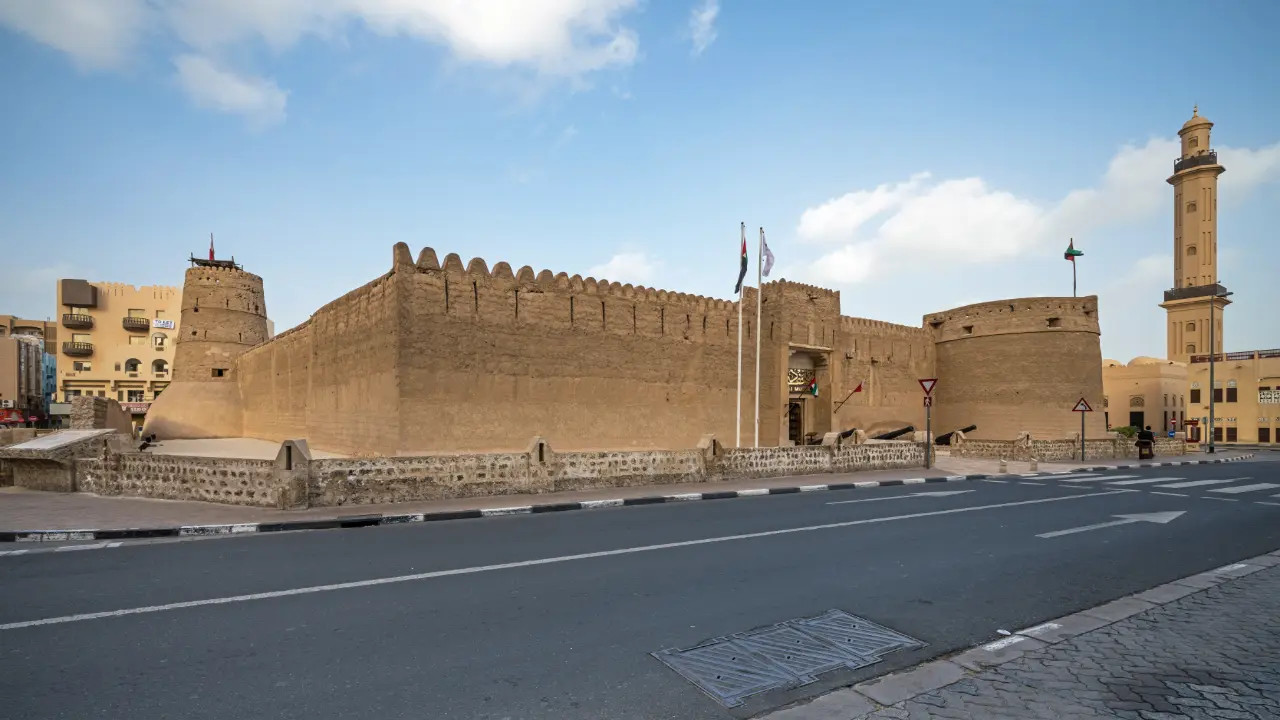
The old structure of the city of Dubai is Al Fahidi Fort. It was constructed in 1787, and it was utilized to resist attacks. Its bulky coral-stone walls and watchtowers were a source of defence to early residents. Over the years, the fort also had a prison and an office of administration.
The modern-day version is the Dubai Museum, which provides an insight into the past of the city. The current one is the Dubai Museum, which offers a view of the past of the city. The tourists are also given a chance to see ancient artefacts, traditional weapons and a simulation of village life.
Key Highlights:
- House of detention, fort and government.
- Houses artefacts and exhibits at the Dubai Museum.
- Wall and watchtower of coral-stone.
- Symbol of early defence and management of Dubai.
2. Sheikh Saeed Al Maktoum House (1896)
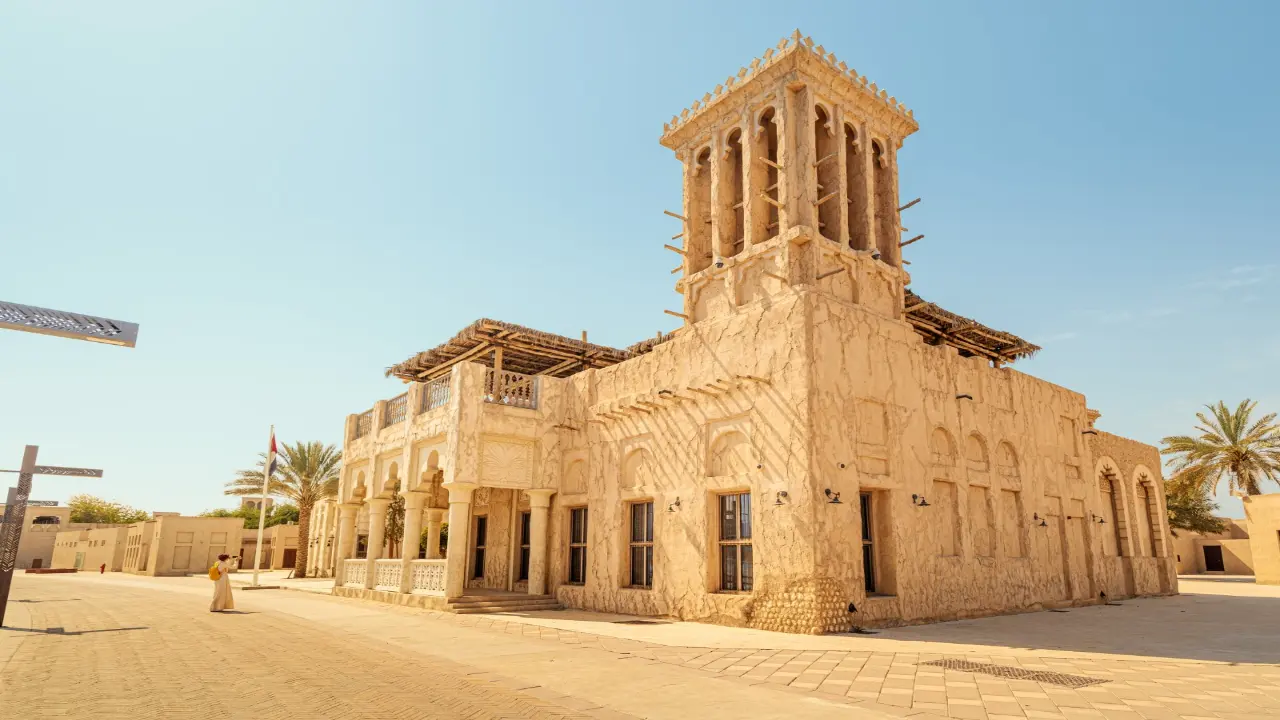
Sheikh Saeed Al Maktoum House was a residential place of the former ruler's grandfather. This was constructed in 1896 on coral stone, teak and gypsum walls. The house includes the traditional courtyards, the use of wind towers for natural cooling, and the use of fancy wooden windows.
It has historical documents, photographs, and maps that represent the early years of Dubai, which are found indoors. The structure exhibits the royal family life of Dubai and their involvement in regional trade. It is currently a museum that presents the history of the maritime trade of Dubai and its government.
Key Highlights:
- Built in 1896 as a royal residence
- Courtyards and wind towers are used to keep it cool.
- Exhibits historical documents and ancient photographs.
- Showcases the history of maritime and trading in Dubai.
- Museum of Cultural Education.
3. Heritage House (1890)
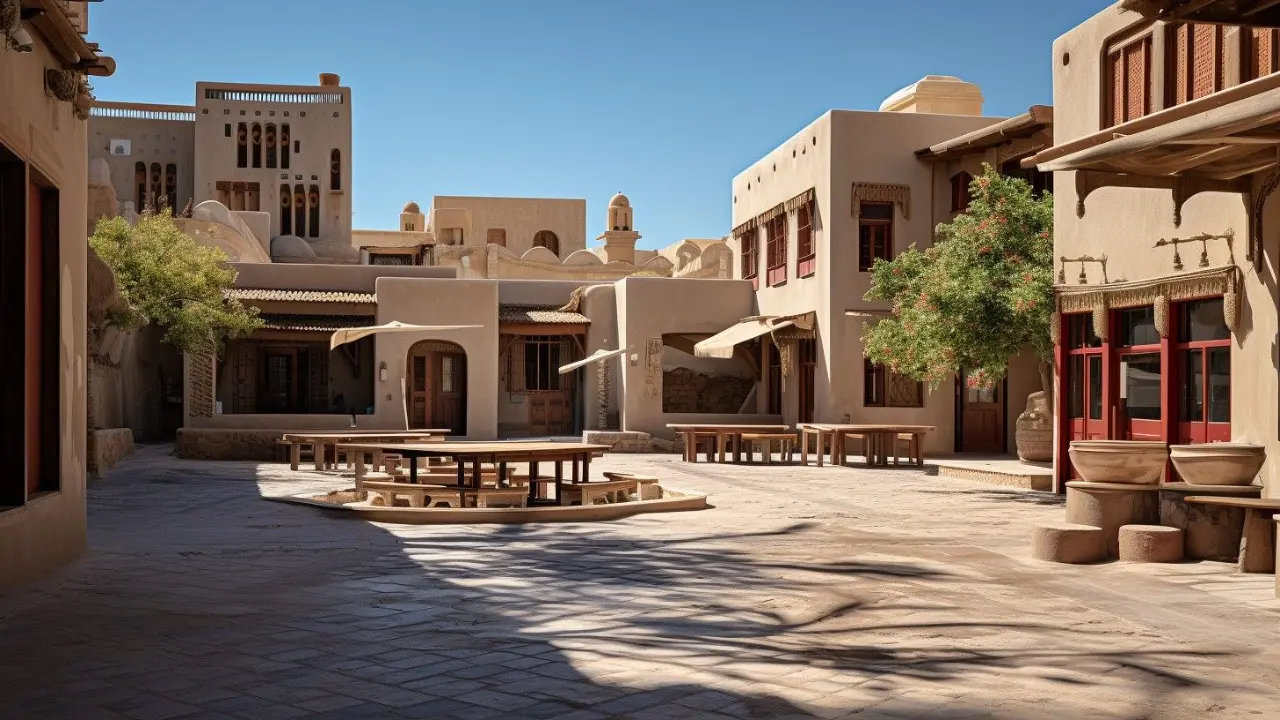
Heritage House is a conventional Emirati house, dating back to the 1890s. It is designed with a central courtyard, heavy walls and plain but efficient rooms. Construction was done using coral, gypsum, and palm fronds. The design is indicative of the social privacy and family living in early Dubai. There are preserved furniture and household items, as well as the everyday artefacts that the visitors can explore. Heritage House also gives a hint on how the ordinary people lived, cooked and interacted.
Key Highlights:
- Conventional Emirati house of the 1890.
- Central yard consisting of family rooms.
- Constructed of palm fronds, gypsum and coral.
- Furniture and household objects that have been preserved.
- Records the normal life of the family of the early 20th century in Dubai.
4. Al Ahmadiya School (1912)
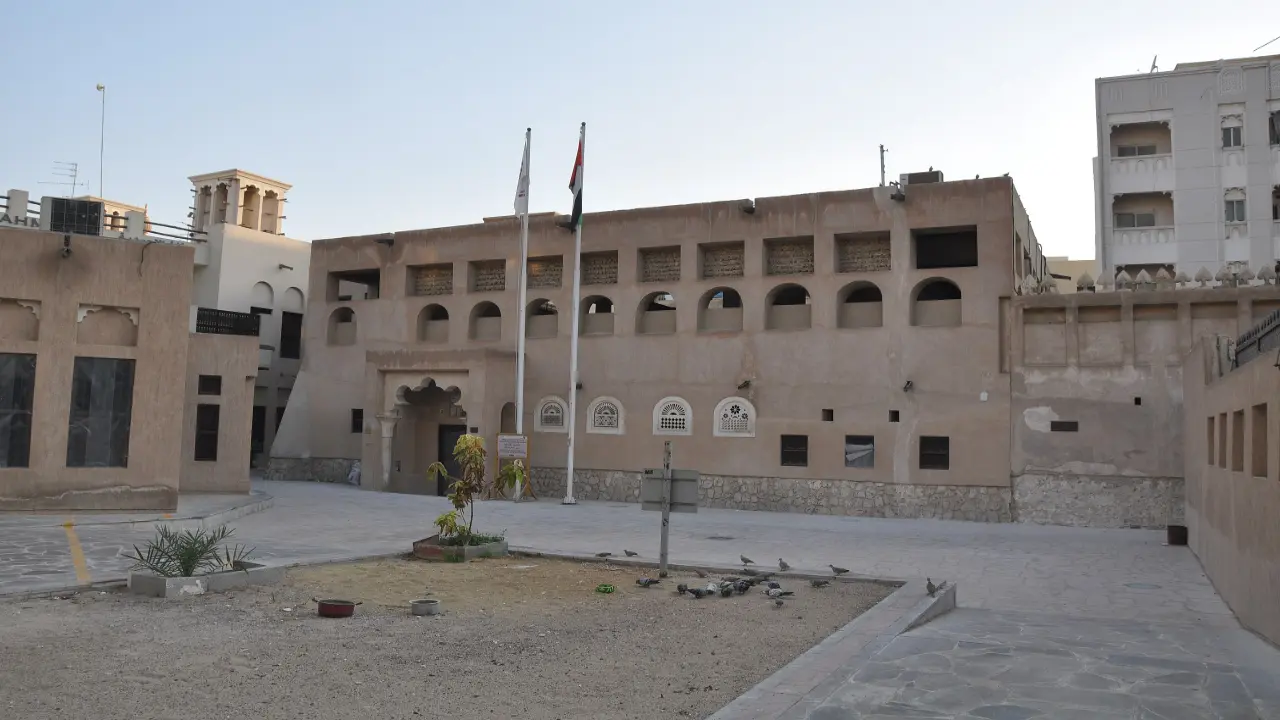
The Al Ahmadiya School was the first formal school to be built in Dubai back in the year 1912. The school accommodated the children of the local families with the study based on the reading, writing and the Islamic studies. The structure demonstrates the ancient construction methods, as it has wind towers to cool the air and ventilate.
Classrooms have been more or less maintained with wooden benches, blackboards and chalk trays. The significance of education in the early 20th century is described by Al Ahmadiya School.
Key Highlights:
- The pioneer school in Dubai was established in 1912.
- Ventilation by means of traditional wind towers.
- Classrooms are still in their original condition with complete furniture.
- Majoring in early education and Islamic studies.
- Symbolises the education priorities in early Dubai.
5. Bayt Al Wakeel (1935)
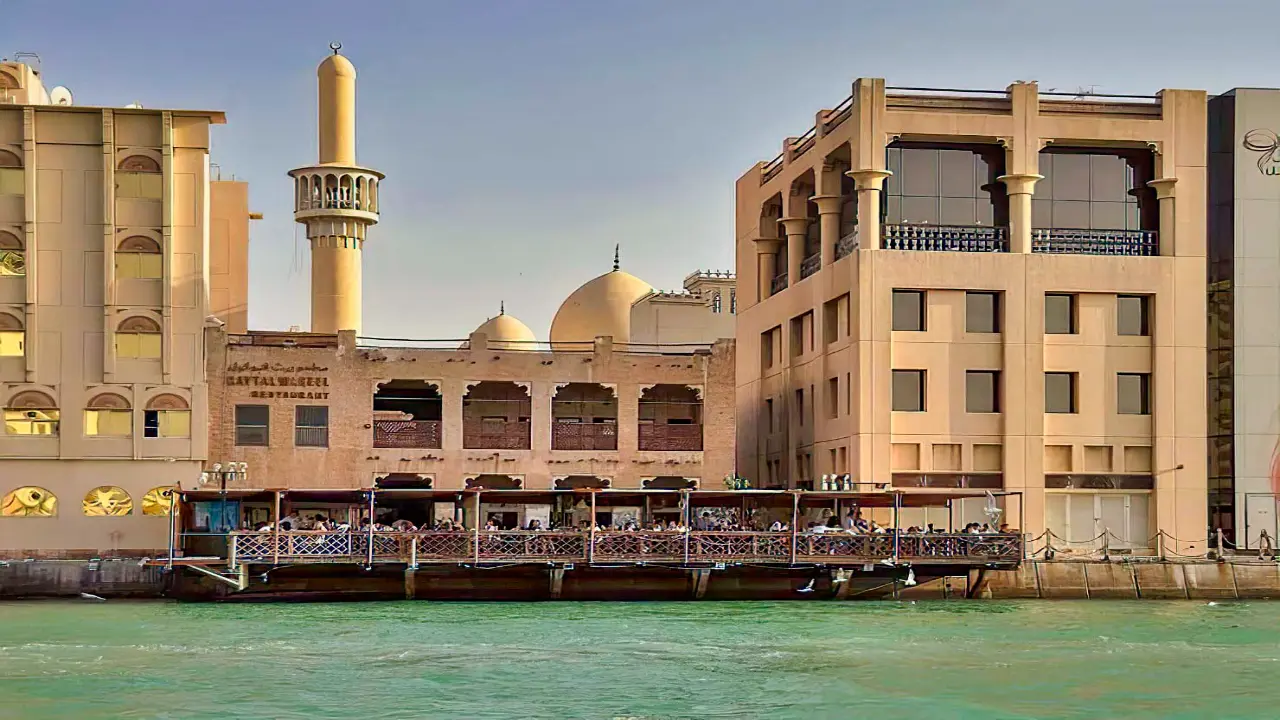
Bayt Al Wakeel is among the oldest offices and is located close to Dubai creek and it was founded in 1935. It was originally a house and office of a merchant, and was active in trade on the Creek. The construction has a traditional wind tower, coral stone walls and a wooden interior. Its location ensured that it was the most appropriate location to regulate maritime trade and communication with the traders.
Key Highlights:
- Built in 1935 as a merchant office
- It is situated on the Dubai Creek to facilitate easy trade.
- Conventional wind towers and construction using coral stones.
- Critical in the ancient business lifestyle.
- It is a cultural heritage site.
6. Deira Clock Tower (1965)
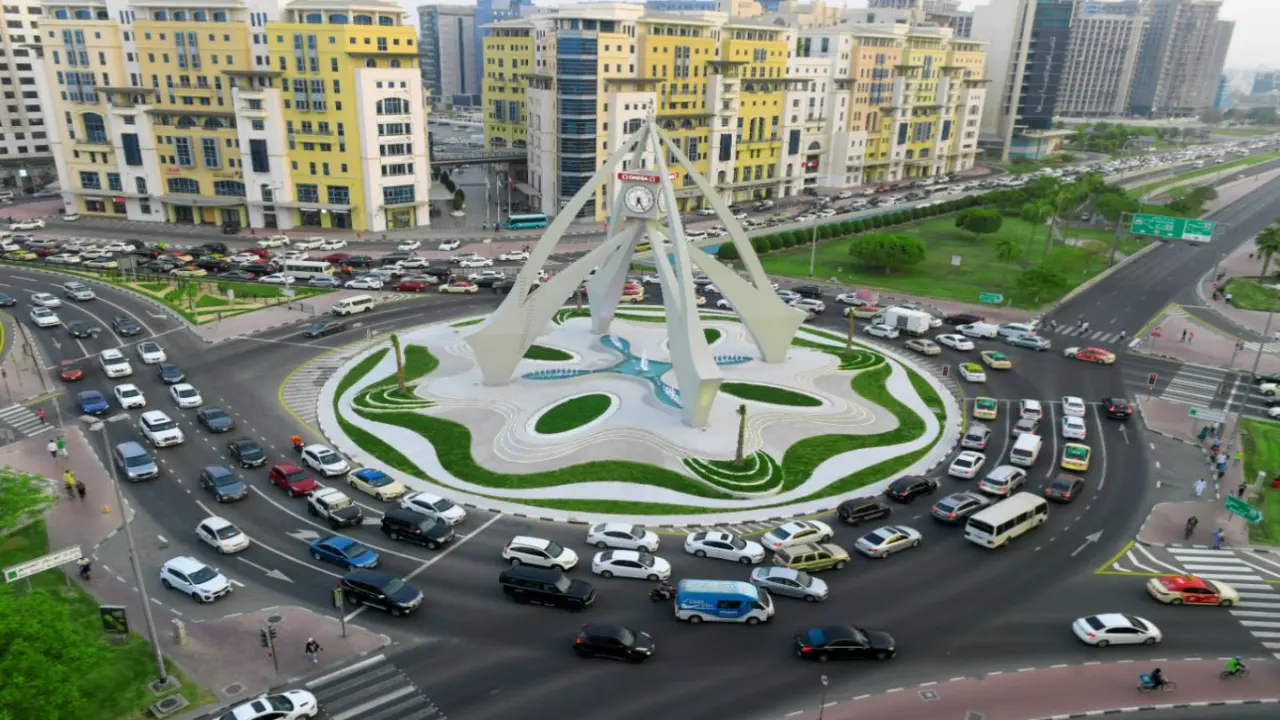
Deira Clock Tower is a 1960s building, amongst the most influential buildings of Dubai. It is a symbol of the time when the metropolis was no longer a trading centre but a modern one. The tower was a high-profile structure built in a round form, which added to the high-profile location on the intersection of high traffic, making it a very easy-to-recognise landmark by the locals and the tourists.
Key Highlights:
- The construction was made in the 1965 as a landmark structure.
- Representation of the modernisation and urbanisation of Dubai.
- Ring road intersection.
- Ancient tool of urban development.
- Symbolises the rising aspirations of Dubai during the mid-20th century.
7. Toyota Building (1974)
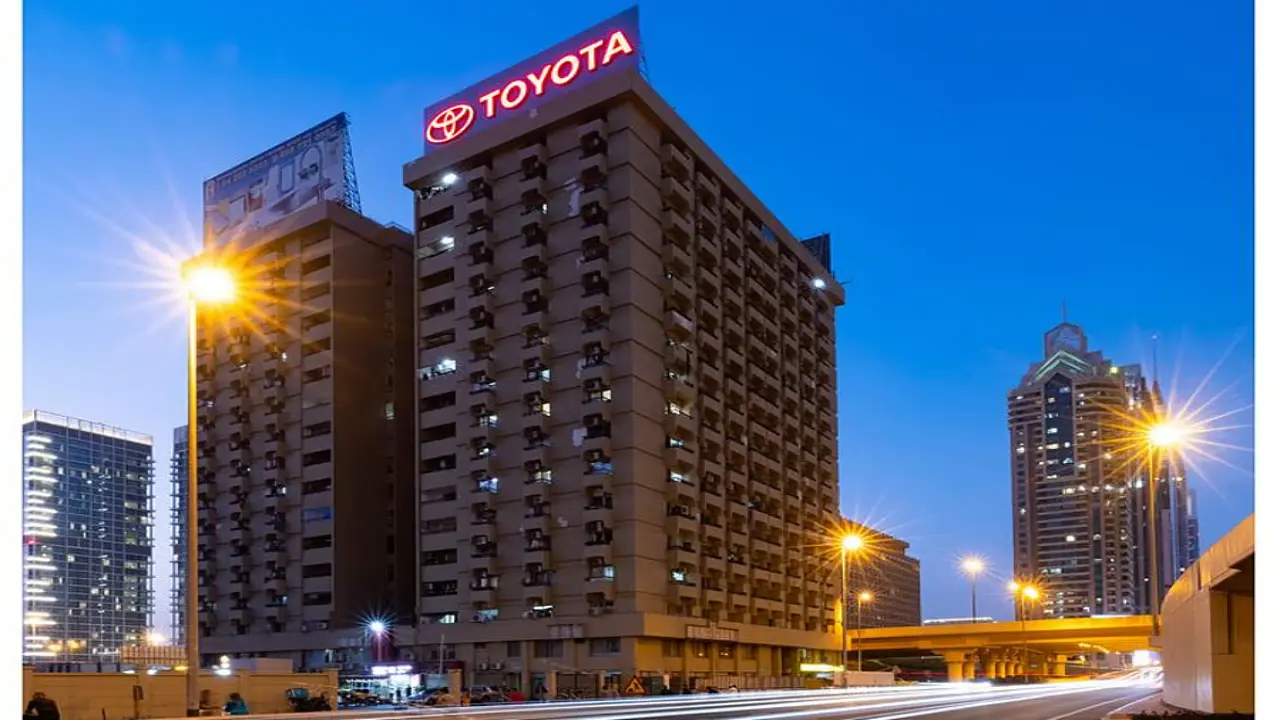
The Toyota Building is the product of the commercial growth of Dubai that took place in the 1970s. It was one of the first special offices of the international companies. It was a transition to modern commercial architecture due to its modernist design, concrete construction, and big windows.
Key Highlights:
- Constructed in the seventies as a business office.
- Early modernist architecture.
- The symbol of global business development.
- Symbolises the economic growth of Dubai that occurred during the oil boom.
- The future office and commercial designs were influenced.
8. Dubai World Trade Centre (1979)
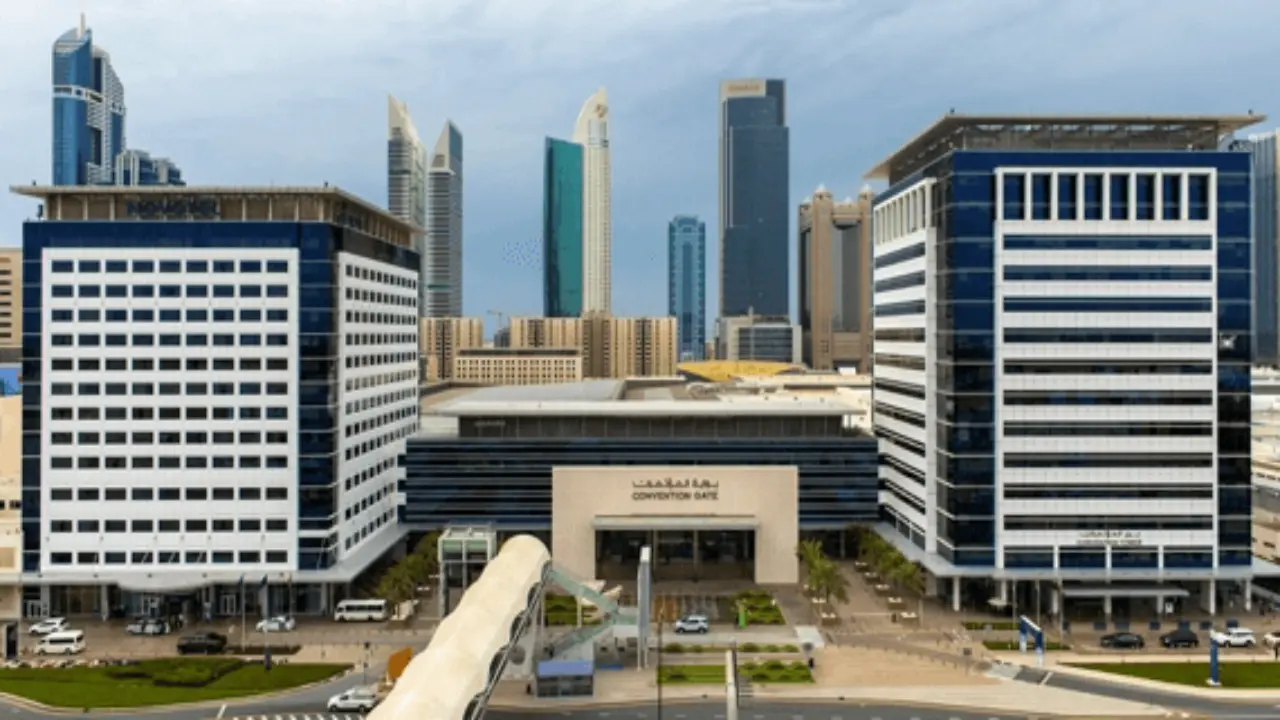
The Dubai world trade centre is the first skyscraper in Dubai to be built in 1979. The skyline of the city was transformed by this 39 stories high. It was 39 stories tall and transformed the skyline of the city. The facility was transformed into an international trade show, conference and exhibition.
Key Highlights:
- This was the initial high-rise constructed in Dubai in 1979.
- The high-rise building is 39 stories with modern architecture.
- Hosts trade shows, conferences and exhibitions.
- The fast-developing economic state of the Icon of Dubai.
- Breakthrough in the changing of the skyline and city image.
Closing In!
Older buildings in Dubai are not just historical buildings, but they also bridge the present to the past. Starting with forts and royal homes through to primary schools and commercial centres, every building has a story of commercial activity, learning and culture. The conservation of these landmarks makes residents and tourists value the development of the city.
These locations tell of early-day ingenuity in architectural buildings, community living and strategy. A visit to them gives one a glimpse of how Dubai has developed from a small trading centre to a metropolis of the world. Heritage preservation will make sure that the origin of the city is not lost in the speed of modernisation and futuristic development.



Your gateway to offline planning in the digital realm. Discover a world of real estate opportunities through our immersive offline property website experience
Apartments
Studios
11 Hills Park by TownX
AED 675,000
Dubai Science Park
Studio & 1
474 - 831 Sq Ft
Apartments
Duplexes
Rabdan Avenue
AED 1,300,000
Meydan
1, 2 & 3
687 - 2937 Sq Ft
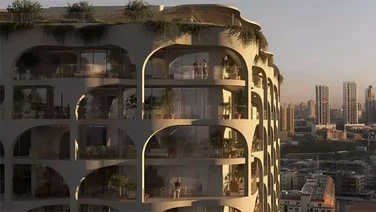
Apartments
The Weave by Al Ghurair Development
AED 1,200,000
Jumeirah Village Circle
1, 2 & 3
776 - 2221 Sq Ft
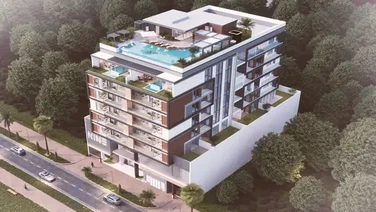
Apartments
Studios
One by Nine
AED Price on Request
Nad Al Sheba
Studio, 1 & 2
563 - 1069 Sq Ft
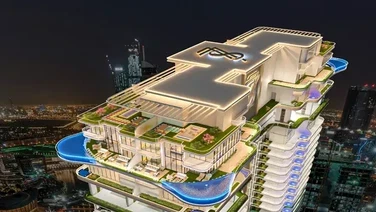
Apartments
Penthouses
77S Tower
AED Price on Request
Business Bay
1, 2, 3, 4 & 5
876 - 6500 Sq Ft
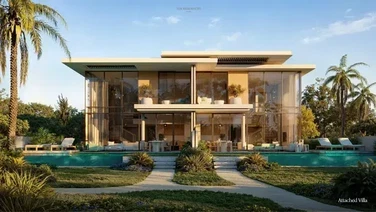
Villas
Townhouses
Bay Estate by Nakheel
AED 5,900,000
Dubai Islands
3 & 4
3054 - 11059 Sq Ft

Apartments
SAMANA South Haven 2
AED Price on Request
Dubai Industrial City
Apartments
Duplexes
Rabdan Avenue
AED 1,300,000
Meydan
1, 2 & 3
687 - 2937 Sq Ft
Apartments
The Weave by Al Ghurair Development
AED 1,200,000
Jumeirah Village Circle
1, 2 & 3
776 - 2221 Sq Ft
Apartments
Studios
One by Nine
AED Price on Request
Nad Al Sheba
Studio, 1 & 2
563 - 1069 Sq Ft
Apartments
Studios
11 Hills Park by TownX
AED 675,000
Dubai Science Park
Studio & 1
474 - 831 Sq Ft
Apartments
Studios
Kore by Imtiaz
AED Price on Request
Dubai Land Residence Complex
Studio, 1, 2 & 3
Commercial
O1NE District Dawn by Avenew
AED Price on Request
Motor City
Commercial
Piazza Roma by DAMAC
AED Price on Request
Damac Lagoons

Apartments
Commercial
Penthouses
The Symphony by Imtiaz
AED 2,000,000
Meydan
1, 2 & 3
640 - 4244
Apartments
Commercial
Sol Luxe Tower
AED 1,900,000
Sheikh Zayed Road
1, 2 & 3
Apartments
Commercial
DAMAC District
AED 1,142,000
Damac hills
1 & 2
740 - 6588 Sq Ft
Commercial
Eaton Square by Ellington
AED Price on Request
Mohammed bin Rashid City
Apartments
Duplexes
Rabdan Avenue
AED 1,300,000
Meydan
1, 2 & 3
687 - 2937 Sq Ft
Apartments
Duplexes
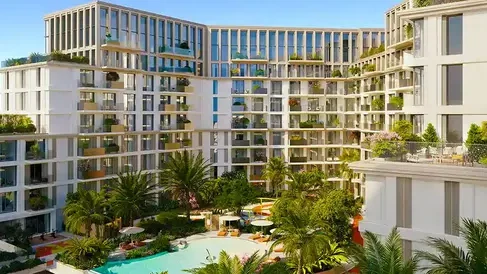
Modo at Avenew 888
AED Price on Request
Dubai South
1, 2 & 3
Apartments
Duplexes
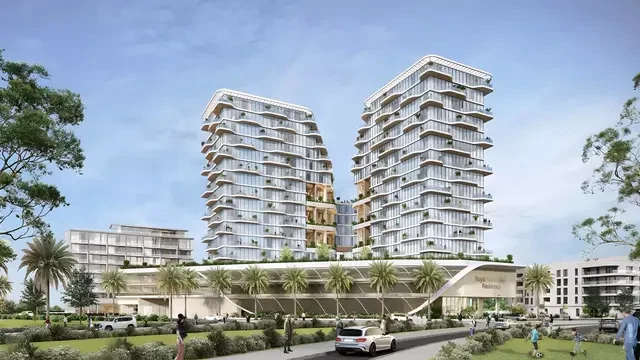
Royal Yacht Club Residence by Azimuth Development
AED Price on Request
Dubai Islands
1, 2, 3 & 4
720 - 3909 Sq Ft
Apartments
Studios
Duplexes
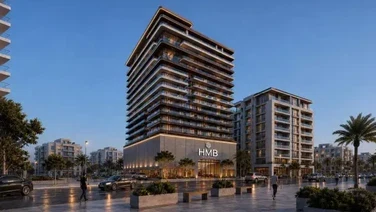
Beverly Crown by HMB Homes
AED 680,000
Jumeirah Village Circle
Studio, 1 & 2
438 - 2321 Sq Ft
Apartments
Duplexes
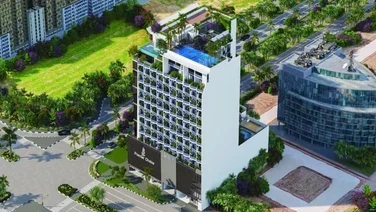
Gateway Residences by Premier Choice
AED 1,164,000
Jumeirah Village Circle
1, 2 & 3
748 - 2352 Sq Ft
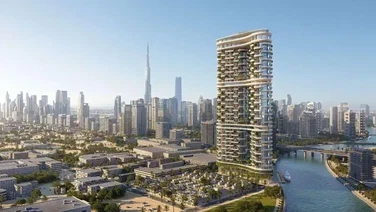
Apartments
Villas
Penthouses
Duplexes
Amali Residences
AED 14,500,000
Dubai Water Canal
2, 3, 4, 5 & 6
2880 - 21000 Sq Ft
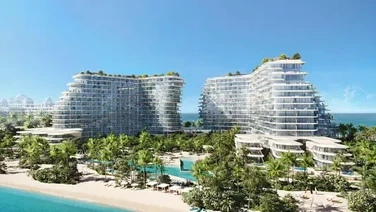
Apartments
Penthouses
Mansions
Bella by Passo
AED Price on Request
Palm Jumeirah
1, 2, 3, 4, 5 & 6
1541 - 12382 Sq Ft
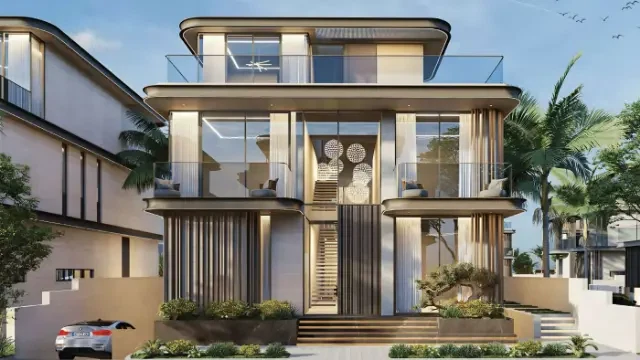
Villas
Mansions
Wellington Grand Villas
AED 20,000,000
Mohammed bin Rashid City
5 & 6
13,007 - 13,568 Sq Ft
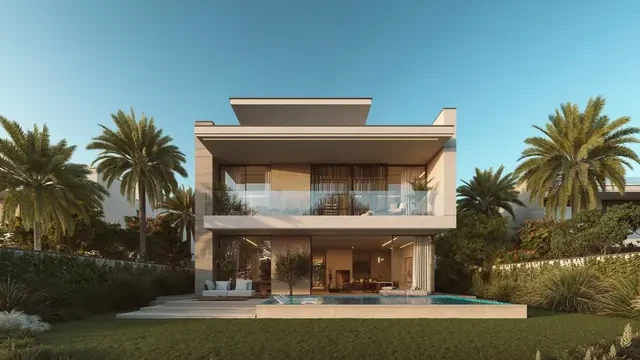
Villas
Mansions
Ashwood Estate by Wasl
AED 11,800,000
Jumeirah Golf Estates
4, 5 & 6
6069 - 10762 Sq Ft
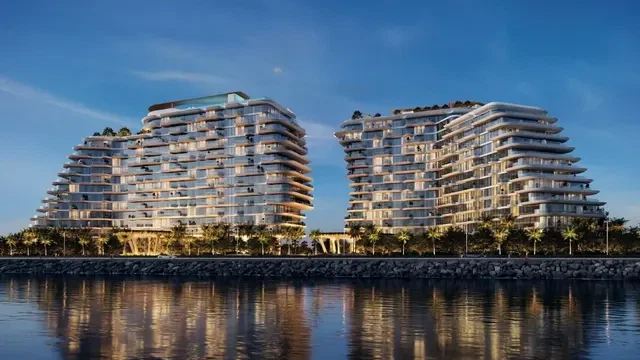
Apartments
Penthouses
Mansions
Passo by Beyond
AED 5,500,000
Palm Jumeirah
1, 2, 3, 4, 5 & 6
940 - 11830 Sq Ft
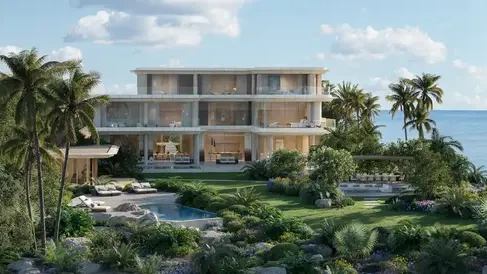
Mansions
Asora Bay Ocean Mansions by Meraas
AED 65,000,000
Jumeirah
7
41550 - 49062 Sq Ft
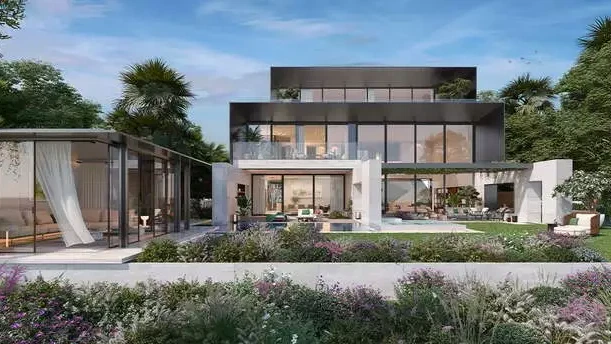
Mansions
Majid Al Futtaim Bo Monde
AED Price on Request
Tilal Al Ghaf
6 & 7
Apartments
Penthouses
77S Tower
AED Price on Request
Business Bay
1, 2, 3, 4 & 5
876 - 6500 Sq Ft
Apartments
Villas
Penthouses
Duplexes
Amali Residences
AED 14,500,000
Dubai Water Canal
2, 3, 4, 5 & 6
2880 - 21000 Sq Ft
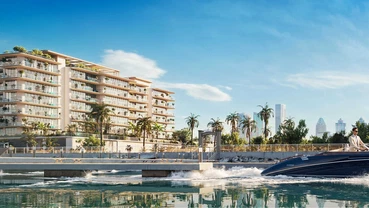
Apartments
Penthouses
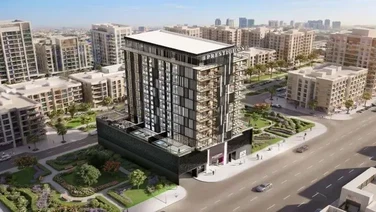
Le Chateau Pietrus by Mr. Eight
AED 3,900,000
Dubai Islands
2, 3 & 4
1017 - 7008 Sq Ft
Apartments
Penthouses
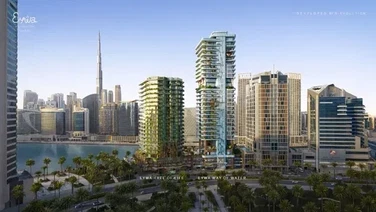
Fauchon Residences by Prestige One Developments
AED Price on Request
Jumeirah Garden City
Studio, 1 & 2
1026 - 2255 Sq Ft
Apartments
Penthouses
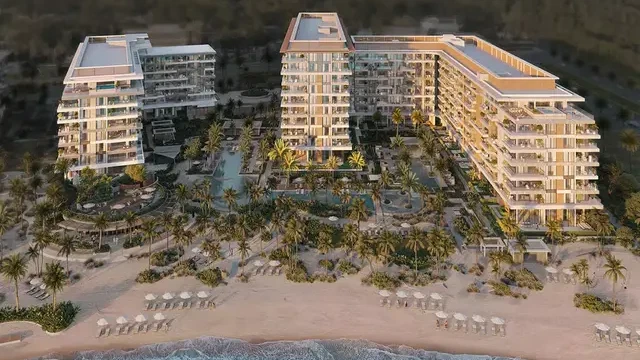
Duplexes
Eywa Way of Water by R.Evolution
AED 9,000,000
Business Bay
2, 3, 4 & 5
2154 - 22900 Sq Ft
Apartments
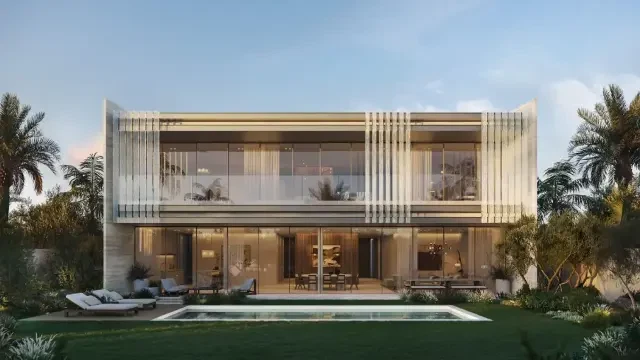
Penthouses
Duplexes
Ellington Sands 2
AED Price on Request
Dubai Islands
1, 2, 3 & 4
800 - 5964 Sq Ft
Apartments
Studios
One by Nine
AED Price on Request
Nad Al Sheba
Studio, 1 & 2
563 - 1069 Sq Ft
Apartments
Studios
11 Hills Park by TownX
AED 675,000
Dubai Science Park
Studio & 1
474 - 831 Sq Ft
Apartments
Studios
Kore by Imtiaz
AED Price on Request
Dubai Land Residence Complex
Studio, 1, 2 & 3
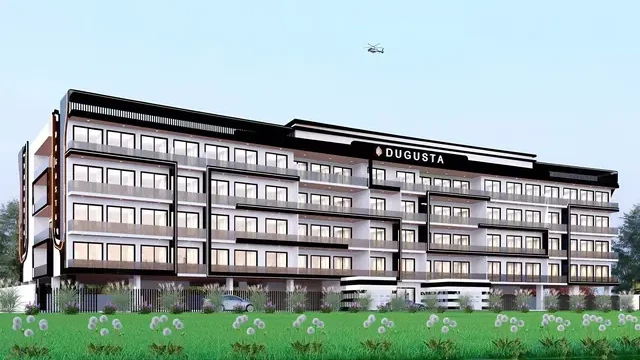
Apartments
Studios
Astra Residences by Dugasta Properties
AED Price on Request
Dubai South
Studio, 1 & 2
349 - 1792 Sq Ft
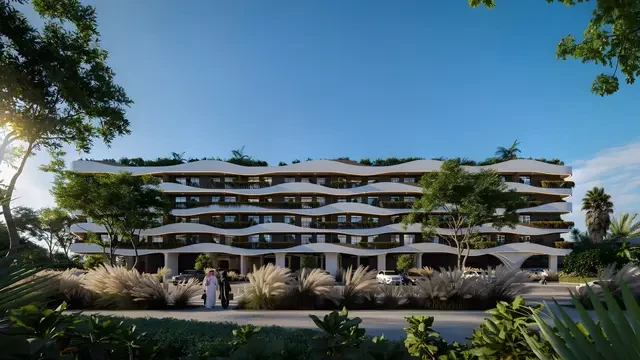
Apartments
Studios
Oasis Residences by Al Helal Al Zahaby
AED 590,000
Dubai South
Studio, 1, 2 & 3
427 - 1992 Sq Ft
Apartments
Studios
Reef 995
AED 696,777
Dubai Land Residence Complex
Studio, 1, 2 & 3
433 - 1197 Sq Ft
Villas
Townhouses
Bay Estate by Nakheel
AED 5,900,000
Dubai Islands
3 & 4
3054 - 11059 Sq Ft
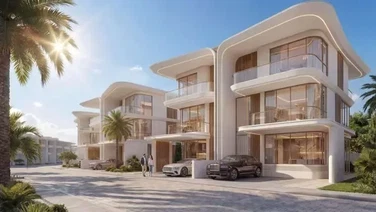
Villas
Townhouses
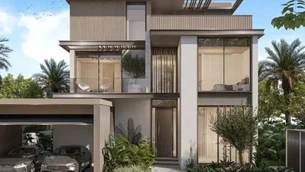
Greenz by Danube
AED 3,500,000
Academic City
3, 4 & 5
2400 - 3950 Sq Ft
Villas
Townhouses
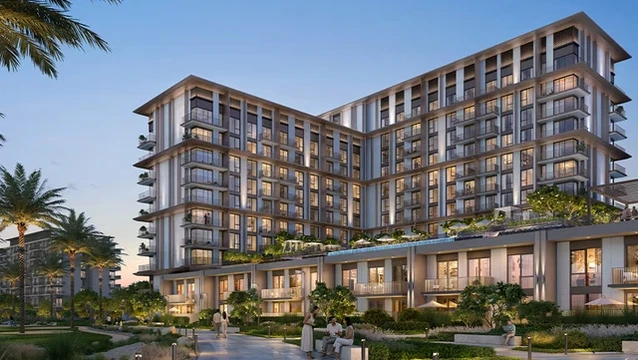
Meraas Nad Al Sheba Gardens 12
AED Price on Request
Nad Al Sheba
Apartments
Townhouses
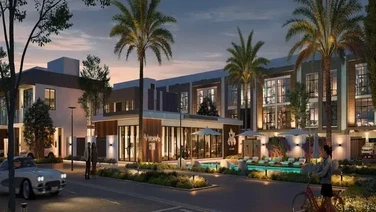
EMAAR Golf Trails
AED 1,250,000
Emaar South
1, 2 & 3
719 - 2603 Sq Ft
Townhouses
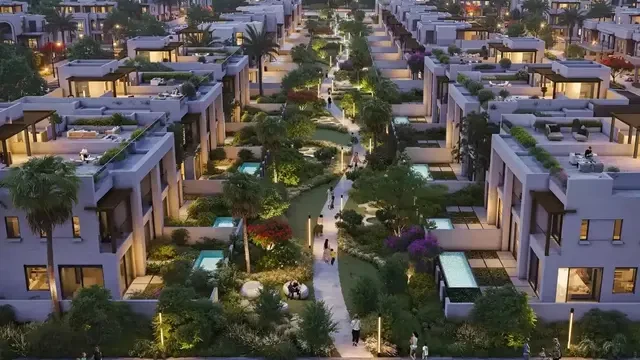
Verdana 9 Townhouses by Reportage
AED Price on Request
Dubai Investments Park
2, 3 & 4
Townhouses
Hayat 7 by Dubai South Properties
AED Price on Request
Dubai South
Villas
Townhouses
Bay Estate by Nakheel
AED 5,900,000
Dubai Islands
3 & 4
3054 - 11059 Sq Ft
Villas
Townhouses
Greenz by Danube
AED 3,500,000
Academic City
3, 4 & 5
2400 - 3950 Sq Ft
Apartments
Villas
Penthouses
Duplexes
Amali Residences
AED 14,500,000
Dubai Water Canal
2, 3, 4, 5 & 6
2880 - 21000 Sq Ft
Villas
Townhouses
Meraas Nad Al Sheba Gardens 12
AED Price on Request
Nad Al Sheba
Villas
Lunaya by Zaya
AED 4,900,000
Jebel Ali
4 & 5
2966 - 8231 Sq Ft
Villas
EMAAR Faro at The Heights
AED Price on Request
The Heights Country Club & Wellness