Property Flipping or Long-Term Investment in Dubai: What to Know
Published :
Last Updated :
- What Is Property Flipping in Dubai's Off-Plan Market?
- What Is Long-Term Off-Plan Investment?
- Flipping vs Long-Term Hold: Side-by-Side Comparison
- The Real Cost of Flipping: Fees That Eat Into Profit
- Closing In
Buying off-plan in Dubai gives investors two fundamentally different paths forward. One bets on price movement before the building is even finished. The other bets on rental income and appreciation over many years. The term flipping is used for the purchase of a unit at an early stage and its resale before or at handover, when the value of the unit has increased.
Long-term holding is the completion of the payment plan, taking over the unit, and renting it out for years. Both approaches have their advantages and disadvantages. The right one is subject to your available capital, risk tolerance, and active involvement in the investment. This guide explains both in detail, with a focus on the actual expenses and risks involved in each.
What Is Property Flipping in Dubai's Off-Plan Market?

The meaning of flipping in Dubai's off-plan market is purchasing a unit at the launch price, typically with a small upfront payment, and selling the contract before completion at a higher resale value. This is because a developer is likely to charge less for the initial phases of a project than for the final phases, and as the project gets closer to completion, more demand for popular projects typically builds up. The strategy depends entirely on price appreciation outpacing your payment plan, since you are betting on a resale before most of the purchase price is due.
What Is Long-Term Off-Plan Investment?
The opposite approach applies in the case of long-term off-plan investment. Purchase off-plan, pay off all the payments until handover, and then rent out the unit for income. Over time, the returns are divided between the rental yield you may receive each year and capital gains that you can only realize when you sell. It is a cash flow-based buy-and-hold strategy, not a quick exit, and is generally a long-term plan that takes several years to realize a full return on the investment. It also requires less active involvement once tenanted than a monitoring flip.
Flipping vs Long-Term Hold: Side-by-Side Comparison
The two strategies are very different in almost every measurable aspect, in terms of timeline, capital requirements, and where the return is actually derived, etc.
| Factor | Flipping vs Long-Term Hold |
|---|---|
| Typical timeline | Flipping: months to 2–3 years. Holding: 5+ years, through and beyond handover |
| Capital lock-up | Flipping: lower, partial payment plan only. Holding: higher, full price over time |
| Primary return source | Flipping: price appreciation before completion. Holding: yield plus appreciation |
| Market exposure | Flipping: high sensitivity to price swings. Holding: lower, income smooths volatility |
| Liquidity needed | Flipping: requires an active resale buyer market. Holding: requires management, not liquidity |
Flipping reduces the return timeframe while increasing the risk to one resale. Holding spreads that risk and provides rental income as a cushion against short-term fluctuations in the market.
The Real Cost of Flipping: Fees That Eat Into Profit
Headline flip profits may not reflect the fees associated with the resale of an off-plan contract, and the margin is certainly not as high once this is taken into account.
| Cost Item | Typical Impact |
|---|---|
| DLD transfer fee | 4% of sale price, often split or negotiated between parties |
| Developer NOC fee | Fixed fee charged by the developer to approve resale |
| Agent commission | Typically 2% of sale price on the resale transaction |
| Early resale penalty | Some developers restrict or penalise resale before a payment threshold |
Now let us look at an example that we can assume in order to understand how these costs impact a genuine flip. Suppose that the investor purchases an off-plan unit when it is launched for AED 1,000,000 with a 20% initial payment. The unit's value has increased by AED 150,000 in paper value before handover, 18 months later.
Total costs are estimated at approximately AED 74,000: a 4 percent DLD transfer fee of AED 46,000, an agent commission of around AED 5,000, and a developer NOC fee of AED 23,000. The actual profit is in the range of AED 76,000, which is approximately half the headline profit.
This is illustrative only, but it shows why net flip margins are consistently lower than the numbers quoted at resale. A long-term hold on the same unit, by comparison, would add rental income across every year of ownership on top of any eventual appreciation, changing the return profile entirely.
The Real Return of Holding: Yield Plus Appreciation
Long-term holders earn from two combined sources rather than one. Gross Rental Yield is the monthly or annual income from the unit after it has been handed over and occupied, and is a consistent rental income stream during the holding period. Capital Appreciation is realised only at its eventual sale and therefore gives a second way of return on capital.
When home prices are rising slowly or not at all, rental yield still provides a positive return, whereas a flip cannot do so when the resale market slows down. This mix is what makes long-term holding strong as opposed to a one-shot flip. Even if it has a small annual yield, a small amount of returns compounded over the five years of holding means a significant portion of total returns, regardless of the sale price.
Risk Profile: What Can Go Wrong With Each Strategy
Each strategy carries its own distinct failure modes, concentrated differently across the ownership timeline. Once the risk is understood, investors can make a decision on how much active monitoring is really required for a specific strategy.
| Flipping Risk | Long-Term Hold Risk |
|---|---|
| Market cools before resale is completed | Rental demand softens in a specific area |
| Developer resale restrictions block an early exit | Handover delays extend the pre-income period |
| No buyer at the target resale price | Ongoing maintenance and vacancy costs |
| Payment plan due dates outpace resale timing | Market downturn at the intended exit point |
Flipping risk concentrates around a single resale event. The holding risk is spread over the period of ownership and can more often be controlled rather than eliminated altogether. Investors with knowledge of this difference generally plan to exit their investments much more carefully than those who don't.
Which Strategy Suits Which Investor?
| Investor Profile | Better-Suited Strategy |
|---|---|
| Higher risk tolerance, active market involvement | Flipping |
| Seeking passive income alongside appreciation | Long-term hold |
| Limited capital, wants lower initial lock-up | Flipping |
| Building a multi-year portfolio | Long-term hold |
Flipping would work best for investors with a high-risk tolerance and high levels of activity. Investors who want to get an income stream in addition to appreciating properties are often better served by a long-term investment strategy. When starting with a small investment amount and looking for quicker short-term gains, investors might prefer to flip, as it does not require them to invest the entire amount.
A long-term investor would prefer to hold, as compounding the rental income and the increase in value would benefit them more in the long run. Many seasoned investors employ both strategies depending on market conditions at the time of the transaction, flipping when the market is strong and holding onto the property when it is weak.
Developer Rules: Can You Always Flip an Off-Plan Unit?
Not every off-plan unit can be flipped freely. Most developers will want a minimum percentage to be paid, typically 30 to 40 percent of the purchase price before any resale takes place. Every off-plan resale, even if a portion of the purchase price has been paid, must have a formal No Objection Certificate from the developer.
They'll differ depending on the developer and each resale project, so it is important to review the resale clause prior to purchasing with a flip strategy. Some master developers also cap the number of resales permitted before handover, which is worth confirming for any project bought specifically to flip.
Closing In
Flipping is effective in the off-plan market of Dubai along with long-term holding, but both are rewarding differently. Flipping requires a good sense of timing and active management, and is best for investors who are comfortable in actively watching the path of resale demand.
Holding rewards patience and consistent income, and it suits investors who prefer a more hands-off position once a tenant is secured. It's not about which strategy worked the best in a particular market cycle; it's about choosing the right strategy for your capital, risk appetite, and time horizon.
FAQs
Is flipping off-plan property legal in Dubai?
Yes, but it has to be done in accordance with the developer's guidelines (such as the minimum amount of sale and the necessary No Objection Certificate).
How soon can I resell an off-plan property in Dubai?
It depends on the developer, but most require 30 to 40 percent of the purchase price paid before allowing a resale.
Is flipping or holding more profitable in Dubai?
In strong markets, flipping can yield more rapid gains, while holding can yield more consistent gains through yield and time.
Do I pay capital gains tax on a property flip in Dubai?
In the UAE, there is currently no capital gains tax on the sale of individual property; however, transfer taxes and fees are still applicable.
Can I switch from flipping to holding after buying off-plan?
Absolutely, an investor can just pay for the plan and take handover instead of resale, making a planned flip a long-term hold.




Your gateway to offline planning in the digital realm. Discover a world of real estate opportunities through our immersive offline property website experience
Apartments
Samana Portside
AED 1,099,000
Downtown Jebel Ali
1 & 2
Apartments
Shahrukhz Residences by Danube
AED 1,650,000
Dubai Maritime City
Studio, 1, 2 & 3
Apartments
Studios
Treppan Vision by Fakhruddin
AED Price on Request
Dubai Land Residence Complex
Studio, 1 & 2
453 - 7509 Sq Ft
Apartments
Vision Iconic by Binghatti
AED Price on Request
Meydan
1, 2, 3, 4 & 5
Apartments
Tessera by Al Ghurair Development
AED Price on Request
Dubai South
Apartments
The Weave by Al Ghurair Development
AED 1,200,000
Jumeirah Village Circle
1, 2 & 3
776 - 2221 Sq Ft

Apartments
Samana Portside 2
AED Price on Request
Downtown Jebel Ali
Studio, 1 & 2
Apartments
Shahrukhz Residences by Danube
AED 1,650,000
Dubai Maritime City
Studio, 1, 2 & 3
Apartments
Samana Portside
AED 1,099,000
Downtown Jebel Ali
1 & 2
Apartments
Studios
Treppan Vision by Fakhruddin
AED Price on Request
Dubai Land Residence Complex
Studio, 1 & 2
453 - 7509 Sq Ft
Apartments
Vision Iconic by Binghatti
AED Price on Request
Meydan
1, 2, 3, 4 & 5
Apartments
Aris by Grid
AED Price on Request
Dubai South
Studio, 1 & 2

Commercial
O1NE District Dawn by Avenew
AED Price on Request
Motor City
Commercial
Piazza Roma by DAMAC
AED Price on Request
Damac Lagoons
Commercial
Burj Capital Phase 3 by Centurion Properties
AED Price on Request
Business Bay

Apartments
Commercial
Penthouses
The Symphony by Imtiaz
AED 2,000,000
Meydan
1, 2 & 3
640 - 4244

Apartments
Commercial
Sol Luxe Tower
AED 1,900,000
Sheikh Zayed Road
1, 2 & 3
Apartments
Commercial
DAMAC District
AED 1,142,000
Damac hills
1 & 2
740 - 6588 Sq Ft
Apartments
Duplexes
Rabdan Avenue
AED 1,300,000
Meydan
1, 2 & 3
687 - 2937 Sq Ft
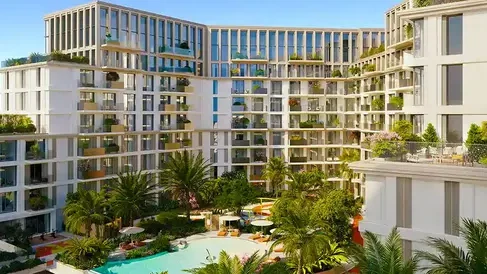
Apartments
Duplexes
Modo at Avenew 888
AED Price on Request
Dubai South
1, 2 & 3
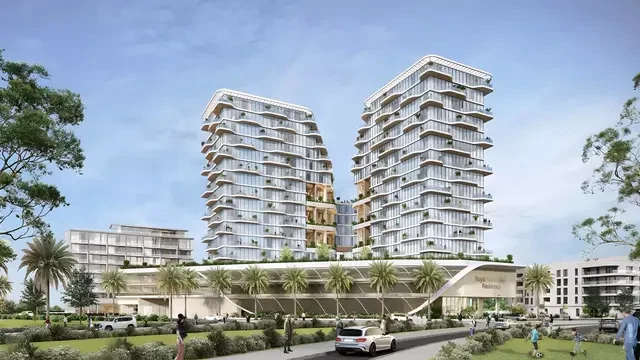
Apartments
Duplexes
Royal Yacht Club Residence by Azimuth Development
AED Price on Request
Dubai Islands
1, 2, 3 & 4
720 - 3909 Sq Ft
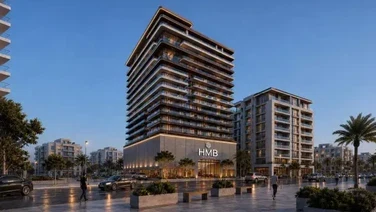
Apartments
Studios
Duplexes
Beverly Crown by HMB Homes
AED 680,000
Jumeirah Village Circle
Studio, 1 & 2
438 - 2321 Sq Ft
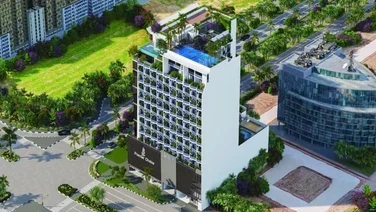
Apartments
Duplexes
Gateway Residences by Premier Choice
AED 1,164,000
Jumeirah Village Circle
1, 2 & 3
748 - 2352 Sq Ft
Apartments
Villas
Penthouses
Duplexes
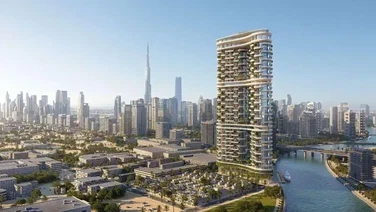
Amali Residences
AED 14,500,000
Dubai Water Canal
2, 3, 4, 5 & 6
2880 - 21000 Sq Ft
Apartments
Penthouses
Mansions
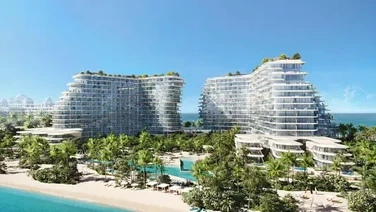
Bella by Passo
AED Price on Request
Palm Jumeirah
1, 2, 3, 4, 5 & 6
1541 - 12382 Sq Ft
Villas
Mansions
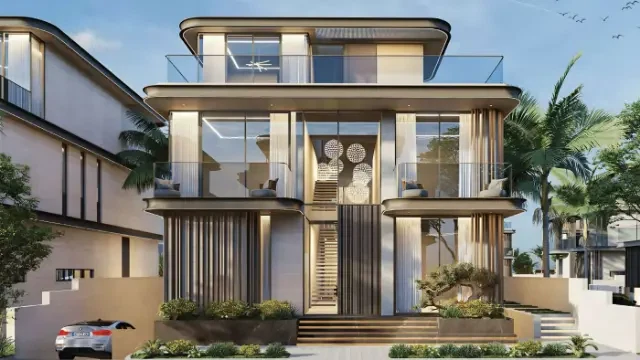
Wellington Grand Villas
AED 20,000,000
Mohammed bin Rashid City
5 & 6
13,007 - 13,568 Sq Ft
Apartments
Penthouses
Mansions
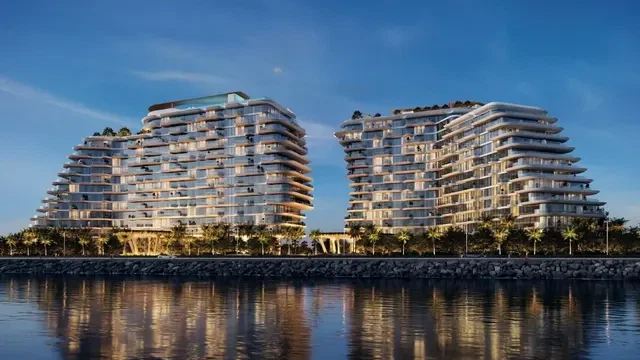
Passo by Beyond
AED 5,500,000
Palm Jumeirah
1, 2, 3, 4, 5 & 6
940 - 11830 Sq Ft

Mansions
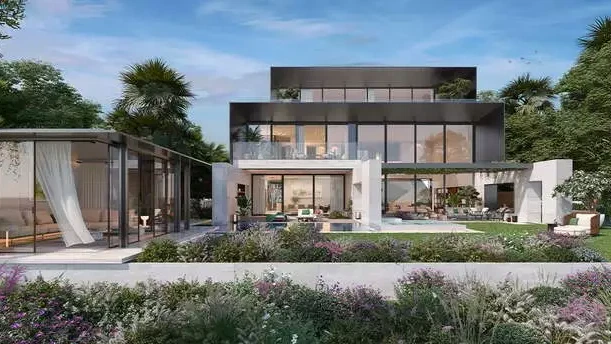
Asora Bay Ocean Mansions by Meraas
AED 65,000,000
Jumeirah
7
41550 - 49062 Sq Ft
Mansions
Majid Al Futtaim Bo Monde
AED Price on Request
Tilal Al Ghaf
6 & 7

Mansions
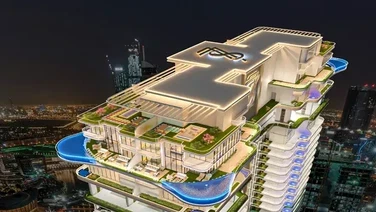
Maldives at Damac Islands
AED Price on Request
Damac Islands
Apartments
Penthouses
77S Tower
AED Price on Request
Business Bay
1, 2, 3, 4 & 5
876 - 6500 Sq Ft
Apartments
Villas
Penthouses
Duplexes
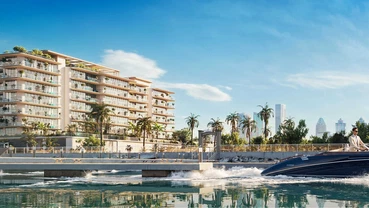
Amali Residences
AED 14,500,000
Dubai Water Canal
2, 3, 4, 5 & 6
2880 - 21000 Sq Ft
Apartments
Penthouses
Le Chateau Pietrus by Mr. Eight
AED 3,900,000
Dubai Islands
2, 3 & 4
1017 - 7008 Sq Ft
Apartments
Penthouses
Fauchon Residences by Prestige One Developments
AED Price on Request
Jumeirah Garden City
Studio, 1 & 2
1026 - 2255 Sq Ft
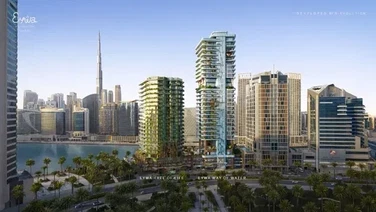
Apartments
Penthouses
Duplexes
Eywa Way of Water by R.Evolution
AED 9,000,000
Business Bay
2, 3, 4 & 5
2154 - 22900 Sq Ft
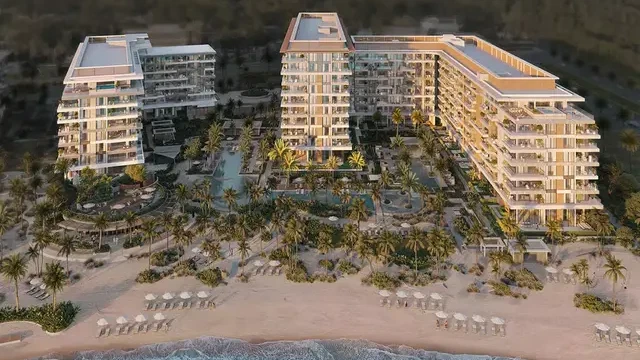
Apartments
Penthouses
Duplexes
Ellington Sands 2
AED Price on Request
Dubai Islands
1, 2, 3 & 4
800 - 5964 Sq Ft
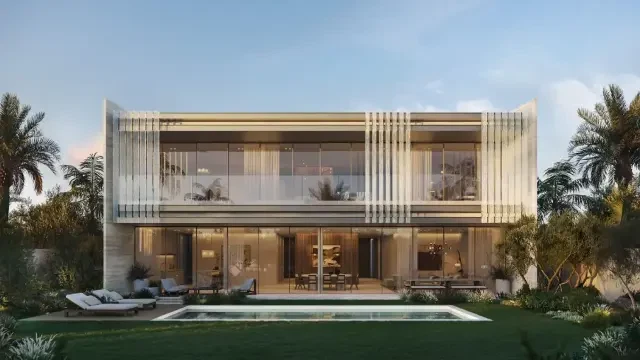
Apartments
Studios
Treppan Vision by Fakhruddin
AED Price on Request
Dubai Land Residence Complex
Studio, 1 & 2
453 - 7509 Sq Ft
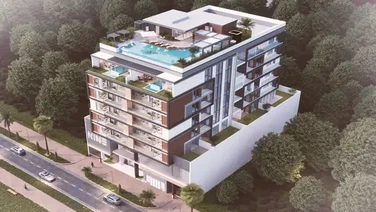
Apartments
Studios
One by Nine
AED Price on Request
Nad Al Sheba
Studio, 1 & 2
563 - 1069 Sq Ft
Apartments
Studios
11 Hills Park by TownX
AED 675,000
Dubai Science Park
Studio & 1
474 - 831 Sq Ft

Apartments
Studios
Kore by Imtiaz
AED 679,000
Dubai Land Residence Complex
Studio, 1, 2 & 3
406 - 1406 Sq Ft

Apartments
Studios
Astra Residences by Dugasta Properties
AED Price on Request
Dubai South
Studio, 1 & 2
349 - 1792 Sq Ft
Apartments
Studios
Oasis Residences by Al Helal Al Zahaby
AED 590,000
Dubai South
Studio, 1, 2 & 3
427 - 1992 Sq Ft
Villas
Townhouses
Bay Estate by Nakheel
AED 5,900,000
Dubai Islands
3 & 4
3054 - 11059 Sq Ft
Villas
Townhouses
Greenz by Danube
AED 3,500,000
Academic City
3, 4 & 5
2400 - 3950 Sq Ft

Villas
Townhouses
Meraas Nad Al Sheba Gardens 12
AED Price on Request
Nad Al Sheba
Apartments
Townhouses
EMAAR Golf Trails
AED 1,250,000
Emaar South
1, 2 & 3
719 - 2603 Sq Ft
Townhouses
Verdana 9 Townhouses by Reportage
AED Price on Request
Dubai Investments Park
2, 3 & 4
Townhouses
Hayat 1 by Dubai South Properties
AED Price on Request
Dubai South
Villas
Townhouses
Bay Estate by Nakheel
AED 5,900,000
Dubai Islands
3 & 4
3054 - 11059 Sq Ft
Villas
Townhouses
Greenz by Danube
AED 3,500,000
Academic City
3, 4 & 5
2400 - 3950 Sq Ft
Apartments
Villas
Penthouses
Duplexes
Amali Residences
AED 14,500,000
Dubai Water Canal
2, 3, 4, 5 & 6
2880 - 21000 Sq Ft
Villas
Townhouses
Meraas Nad Al Sheba Gardens 12
AED Price on Request
Nad Al Sheba
Apartments
Villas
The Wilds 3 by Aldar
AED Price on Request
Dubailand
Villas
Lunaya by Zaya
AED 4,900,000
Jebel Ali
4 & 5
2966 - 8231 Sq Ft