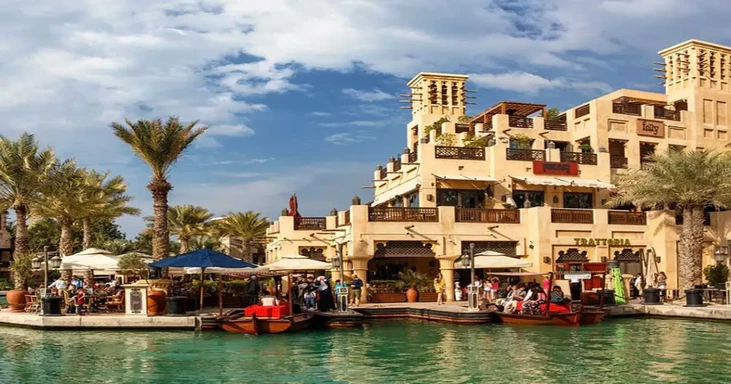
Pros and Cons of Living in Old Town Dubai
Published :
Last Updated :
- Overview of Old Town Dubai
- Pros of Living in Old Town Dubai
- Cons of Living in Old Town Dubai
- Closing In
Absorbing the essence of medieval Arabia, Old Town Dubai stands at the core of the city standing beside iconic landmarks like the glitzy Burj Khalifa and The Dubai Mall. Old Town appears to be a stark variance to Dubai’s ultra-modern cityscape with its low-rise buildings, wind towers, covered walkways, and tones of the sandy dunes.
Like a laid-back spirit, the scene is dotted with lively cafés, boutique stores, and quaint backdrops of the boulevards and fountains. In 1833, members of the Bani Yas tribe began to settle in Old Dubai, which is home to the city’s oldest neighborhoods. The beautiful Dubai Creek splits Bur Dubai and Deira, which make up the area of town currently termed ‘Old Dubai’.
Overview of Old Town Dubai
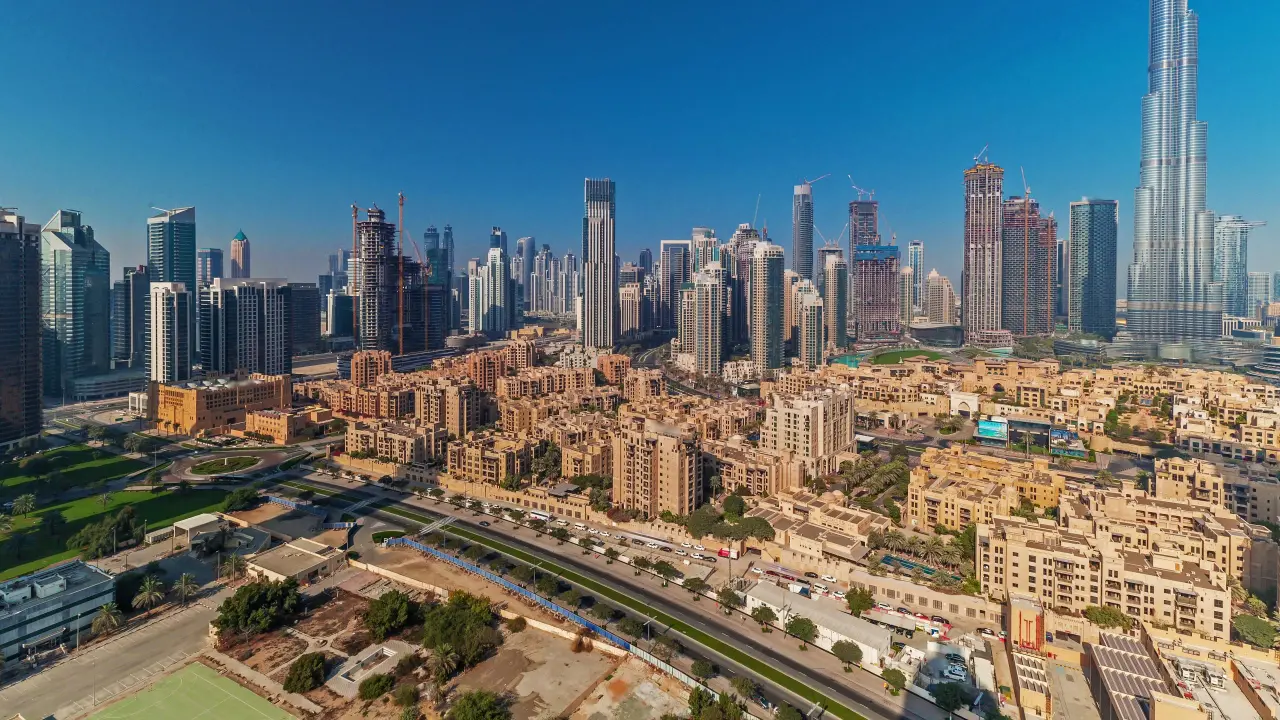
Walking around Old Town Dubai you’ll be quickly drawn in by stony pathways that curve around wind-tower buildings, the dusty golden hues shining under the sun. Go a little further by the serene flowered courtyards, the tangy whiff of warm spices and coffee stays on, and carefully carved wooden doors appear to preserve the secrets of ancient traders and sailors of yore. With immense history etched into this city’s past, Old Town is indisputably Dubai’s traditional treasure.
Pros of Living in Old Town Dubai
1. Unbeatable Location and Walkable Spot
Old Town’s coveted location in Downtown Dubai, which often gets referred to as the “heart of now,” is one of its main draws. Residents can walk to major landmarks like The Burj Khalifa, the Dubai Mall, and the Dubai Fountain are just a short stroll away for residents, putting top-notch dining, entertainment, shopping, and events right outside your door.
Reliable transportation connections: Sheikh Zayed Road, Al Khail Road, and the Burj Khalifa or Dubai Mall metro station are immediately accessible, guaranteeing smooth transit across Dubai.
2. Friendly Neighbourhood and Unique Cultural Ambiance
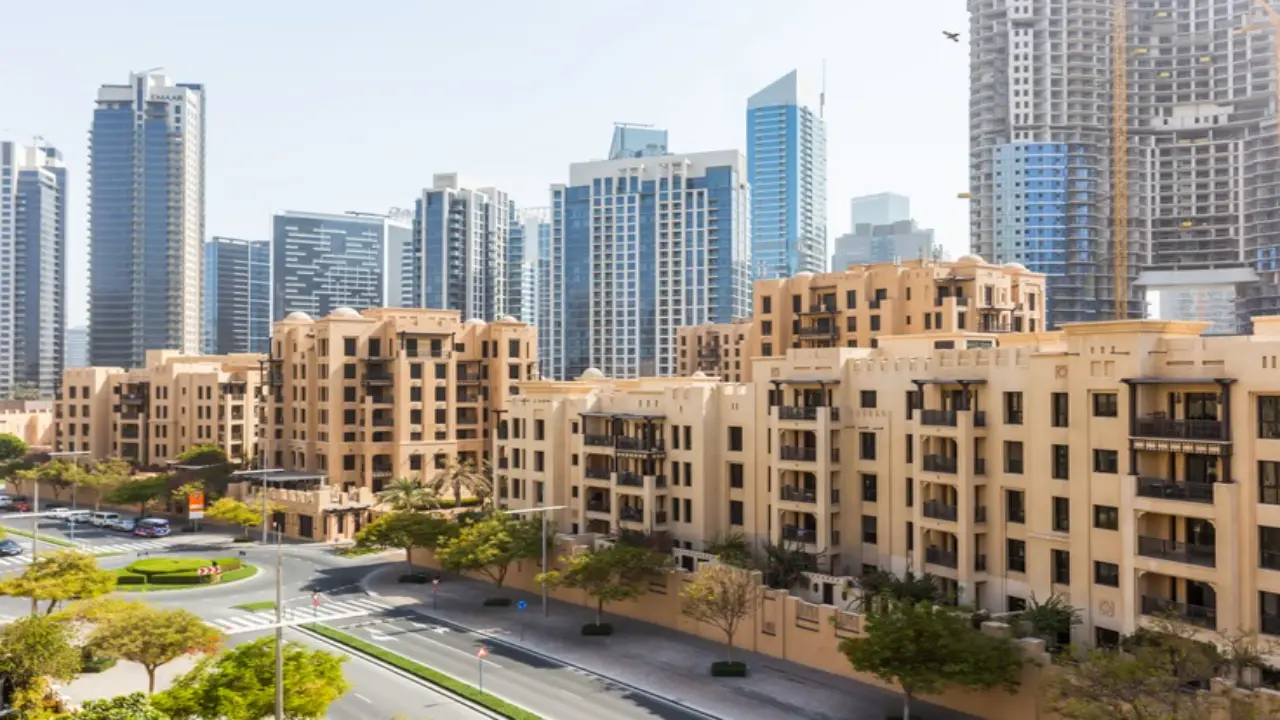
Old Town has a low-rise, village-inspired layout with traditional Arabian design elements, which sets it apart from the tall skyscrapers that dominate much of central Dubai. This gives it an atmosphere more akin to historic neighborhoods than typical urban projects.
Arabian charm: Narrow streets, shaded courtyards, and earth-toned facades all work together to produce a look evocative of classic Middle Eastern cities. By promoting communal plazas, outdoor cafés, and shaded sitting, the design turns everyday living into a sequence of enjoyable visual and aural encounters.
Walkable neighborhood: Unlike many high-rise complexes, you are surrounded by human-scale areas where you may sit in courtyards, make friends, and observe your neighbors rather than living within enormous glass towers.
3. Rental Trends in Old Town Dubai
With rental prices higher than the city average, Old Town in Dubai continues to be a lavish core rental market. The Burj Khalifa and the Dubai Fountain are just a short distance from Old Town, which is a coveted area of Downtown Dubai. Because of this, rental prices here are much more than the average for apartments in Dubai, which, depending on size and kind, usually fall from AED 75,000 to more.
Even as the citywide rental growth slows, premium submarkets in Dubai, like Downtown, Palm Jumeirah, and Dubai Marina, continue to fetch higher rentals.
The overall rentals in Dubai grew more slowly in 2025 than they did in 2023 and 2024. According to expert predictions for 2026, average Dubai rentals might stagnate or soften slightly as demand changes and new supply emerges.
4. Sales Trends in Old Town Dubai
Pricing in Old Town conveys confidence rather than flashy excess. Although apartments are firmly set at the top end of Dubai’s market, they are considerably more affordable than ultra-prime enclaves like the Burj Khalifa or the Opera District, with prices capped at AED 1,900 to 2,400 per square foot.
Old Town is reflected in this equilibrium. Size, layout, and views all weigh heavy on sale values, which range widely: one-bedroom homes typically cost between AED 1.15 million and AED 1.9 million, two-bedroom apartments start at around AED 1.75 million, and three-bedroom homes range from approximately AED 2.99 million to well over AED 7 million.
Recent market indicators reinforce this stability with listing prices staying near AED 1.37 million, while average prices sit around AED 2.05 million, both recording steady year-on-year growth of about 3-6%.
5. ROI in Old Town Dubai
According to relevant sources, apartments in Old Town Dubai grant gross rental returns between 5% and 6.5%. This is consistent with more general parameters for Downtown Dubai where units with one bedroom can bring about 6.4% while 3- and 4-bedroom homes generate about 5.2%.
These numbers are behind some more reasonably priced communities in Dubai (where yields can reach 7% to 9%), but they are above average for a good central address. Since purchase costs are high in comparison to rent levels, Old Town Dubai has a strong rental demand but a low raw rental yield.
Cons of Living in Old Town Dubai
1. Heavy Traffic Issues
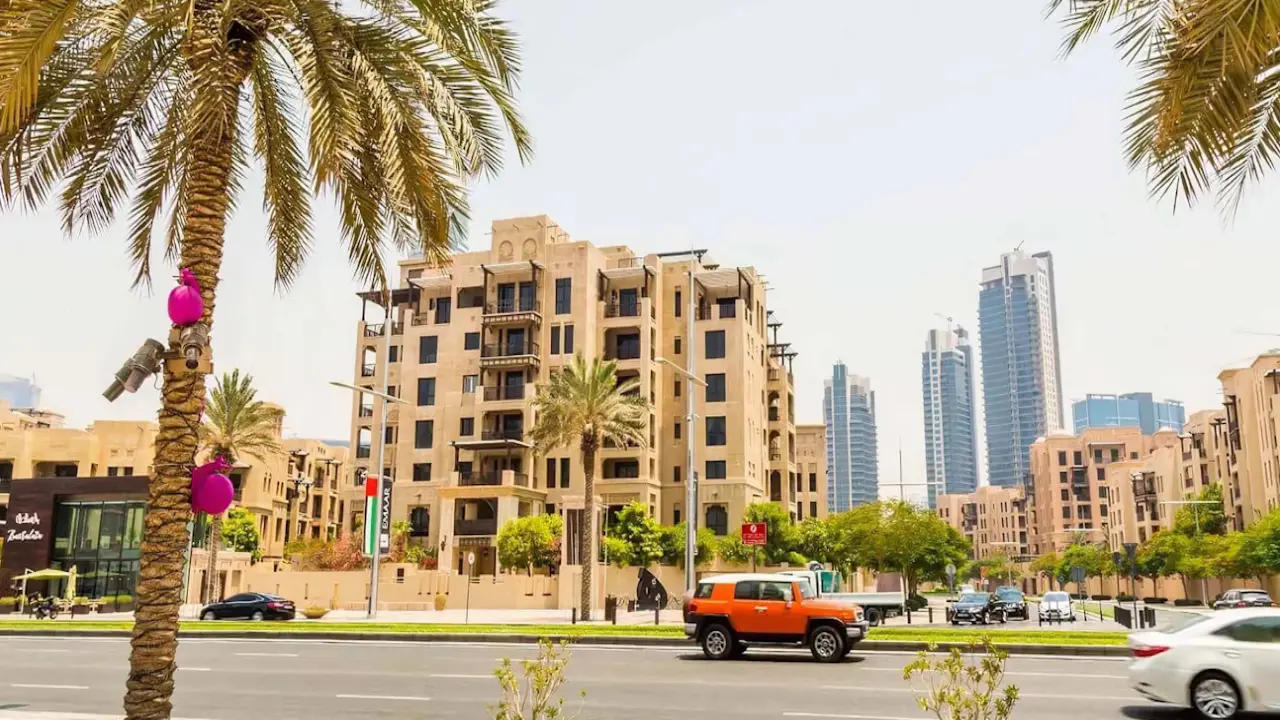
Old Town experiences severe traffic and congestion during peak hours and during public events and celebratory occasions, in spite of having a central position and first-rate public transportation. There is always traffic around important intersections simply due to crowds flocking the Burj Khalifa and Dubai Mall.
Roads are frequently blocked and traffic moves slowly during peak hours, weekends, and holidays. Particularly for guests, parking might occasionally be expensive or scarce. This can be annoying for residents or drivers who go by private vehicles on a regular basis.
2. Noise and Activity Levels
Old Town is bustling owing to its central location, but perhaps too much so the constant hum of urban noise is brought on by frequent tourist traffic, fountain shows, events at Dubai Mall, and nightlife activity. Also, large-scale festivities, like New Year’s Eve, result in highly loud noises and large crowds in the surrounding public spots.
In Downtown Dubai, construction noise is regularly heard due to ongoing city development. The constant bustle can be exhausting for people who like quiet or serene living spaces.
3. Less Green Space
Compared to suburban settlements, Old Town lacks large parks and nature preserves while having beautifully planted promenades and walkways that are suitable for extended outdoor play or family picnics.
The majority of the outdoor area is not parkland, but rather an urban plaza. Families, runners, dog owners, and environment enthusiasts could feel constrained, particularly in hot weather when green or shaded locales are more desirable.
Closing In
Dubai’s Old Town is full of intriguing contradictions. In a city known for its speed, where twisting lanes and wind towers mingle with upscale boutiques and glitzy vistas, it gives a gentler beat by balancing heritage without dust, tradition without being stuck in the past.
Of course there are trade-offs involved. Some would say they prefer the calmer nightlife, the crowds, and the higher price tag. But for others who demand character over convenience and mood over thrill, Old Town rewards you something different.
Old Town Dubai is not trying to mirror the history or the future of the city. This moment in between has been carefully preserved, allowing you to choose if that classic charm is what you’re truly seeking.



Your gateway to offline planning in the digital realm. Discover a world of real estate opportunities through our immersive offline property website experience
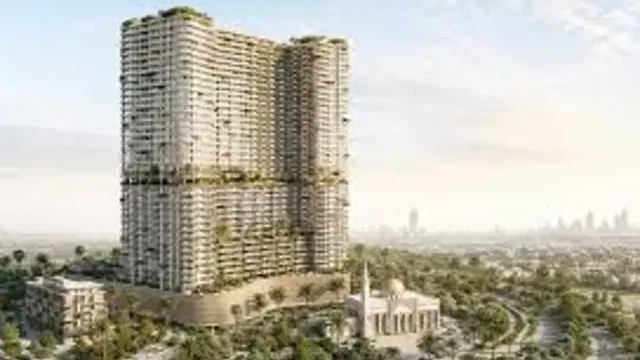
Apartments
Studios
The WOW Tower by Mr. Eight
AED 700,000
Dubai Land Residence Complex
Studio, 1 & 2
377 - 1461 Sq Ft
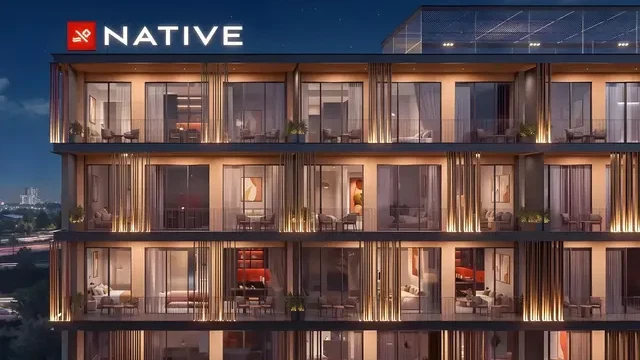
Apartments
Studios
Native Haus
AED 699,999
Jumeirah Village Triangle
Studio, 1 & 2
403 - 1035 Sq Ft
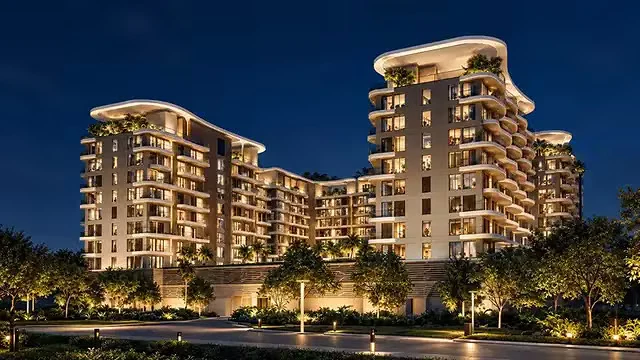
Apartments
Studios
Sorrento Lagoon Views by DAMAC
AED 689,000
Damac Lagoons
Studio & 1
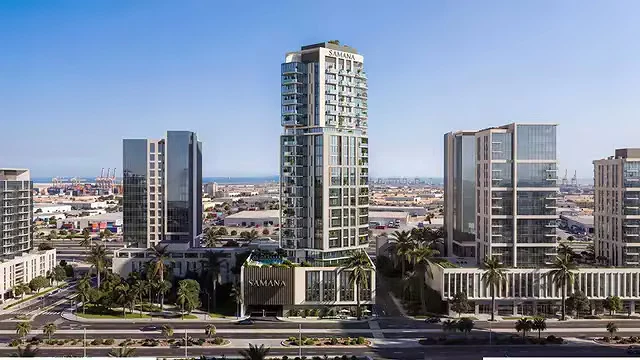
Apartments
Studios
Samana Downtown One
AED 689,000
Jebel Ali
Studio, 1 & 2
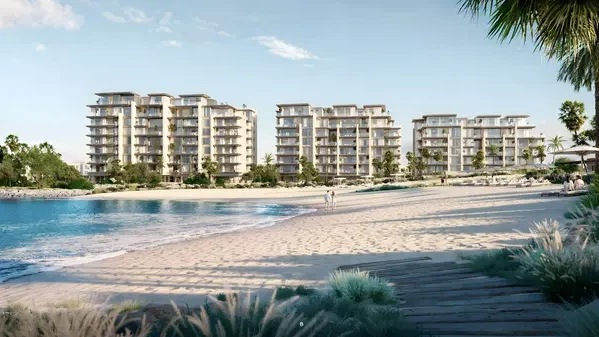
Apartments
Penthouses
Solaya 5 and 7 by Meraas
AED Price on Request
Jumeirah
2, 3, 4 & 5
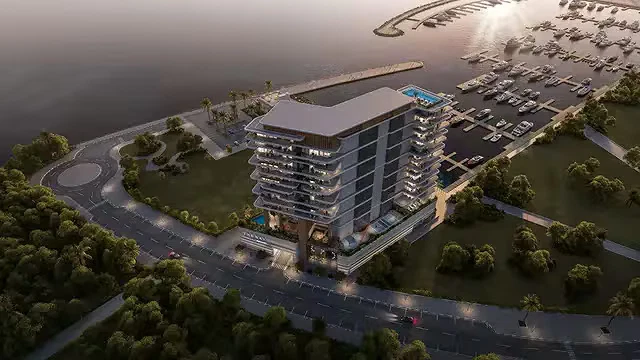
Apartments
Penthouses
The Bay Interiors by Missoni
AED 2,750,000
Dubai Islands
2, 3 & 4
1007 - 3542 Sq Ft
Apartments
Studios
The WOW Tower by Mr. Eight
AED 700,000
Dubai Land Residence Complex
Studio, 1 & 2
377 - 1461 Sq Ft
Apartments
Studios
Native Haus
AED 699,999
Jumeirah Village Triangle
Studio, 1 & 2
403 - 1035 Sq Ft
Apartments
Studios
Sorrento Lagoon Views by DAMAC
AED 689,000
Damac Lagoons
Studio & 1
Apartments
Penthouses
Solaya 5 and 7 by Meraas
AED Price on Request
Jumeirah
2, 3, 4 & 5
Apartments
Penthouses
The Bay Interiors by Missoni
AED 2,750,000
Dubai Islands
2, 3 & 4
1007 - 3542 Sq Ft
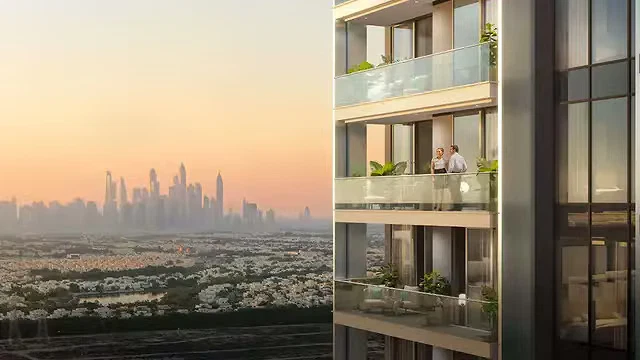
Apartments
Object 1 Lum1nar Towers
AED Price on Request
Jumeirah Village Triangle
Studio, 1, 2 & 3
355 - 1983 Sq Ft
Commercial
O1NE District Dawn by Avenew
AED Price on Request
Motor City

Commercial
Piazza Roma by DAMAC
AED Price on Request
Damac Lagoons
Commercial
Burj Capital Phase 3 by Centurion Properties
AED Price on Request
Business Bay

Apartments
Commercial
Penthouses
The Symphony by Imtiaz
AED 2,000,000
Meydan
1, 2 & 3
640 - 4244
Apartments
Commercial
Sol Luxe Tower
AED 1,900,000
Sheikh Zayed Road
1, 2 & 3
Apartments
Commercial
DAMAC District
AED 1,142,000
Damac hills
1 & 2
740 - 6588 Sq Ft
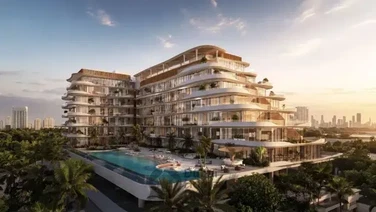
Apartments
Duplexes
Rabdan Avenue
AED 1,300,000
Meydan
1, 2 & 3
687 - 2937 Sq Ft
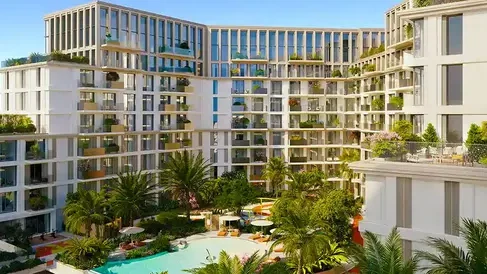
Apartments
Duplexes
Modo at Avenew 888
AED Price on Request
Dubai South
1, 2 & 3
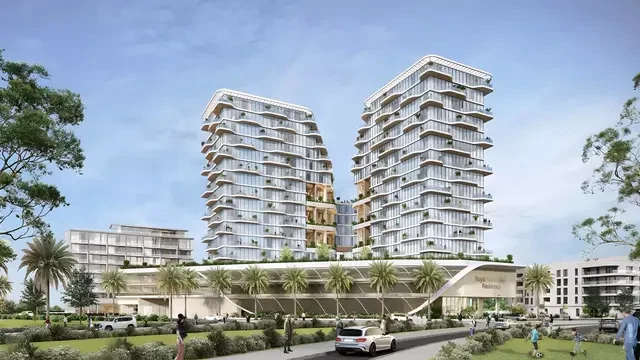
Apartments
Duplexes
Royal Yacht Club Residence by Azimuth Development
AED Price on Request
Dubai Islands
1, 2, 3 & 4
720 - 3909 Sq Ft
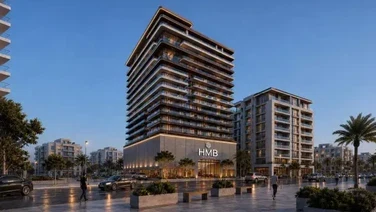
Apartments
Studios
Duplexes
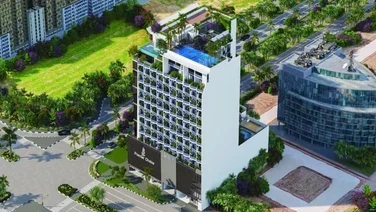
Beverly Crown by HMB Homes
AED 680,000
Jumeirah Village Circle
Studio, 1 & 2
438 - 2321 Sq Ft
Apartments
Duplexes
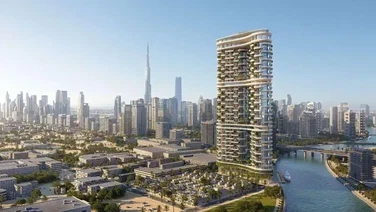
Gateway Residences by Premier Choice
AED 1,164,000
Jumeirah Village Circle
1, 2 & 3
748 - 2352 Sq Ft
Apartments
Villas
Penthouses
Duplexes
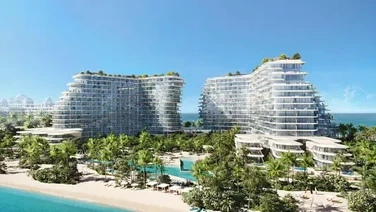
Amali Residences
AED 14,500,000
Dubai Water Canal
2, 3, 4, 5 & 6
2880 - 21000 Sq Ft
Apartments
Penthouses
Mansions
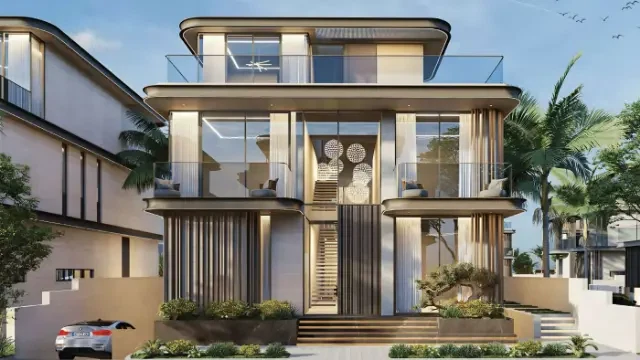
Bella by Passo
AED Price on Request
Palm Jumeirah
1, 2, 3, 4, 5 & 6
1541 - 12382 Sq Ft
Villas
Mansions
Wellington Grand Villas
AED 20,000,000
Mohammed bin Rashid City
5 & 6
13,007 - 13,568 Sq Ft
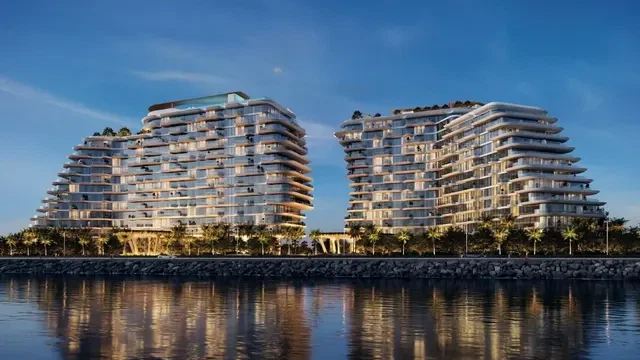
Apartments
Penthouses
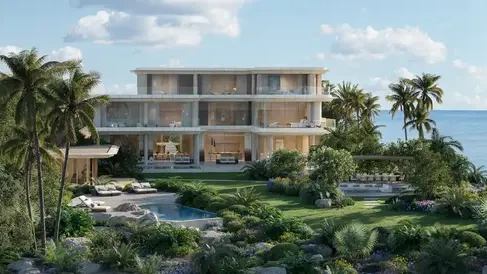
Mansions
Passo by Beyond
AED 5,500,000
Palm Jumeirah
1, 2, 3, 4, 5 & 6
940 - 11830 Sq Ft
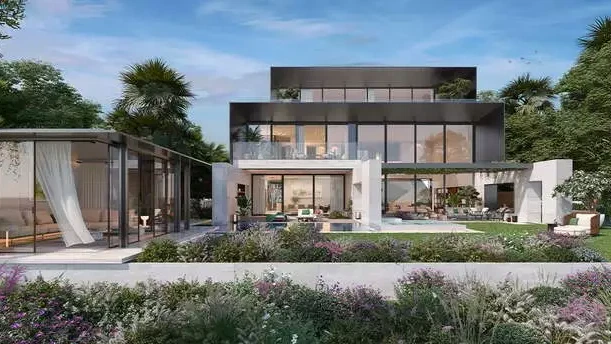
Mansions
Asora Bay Ocean Mansions by Meraas
AED 65,000,000
Jumeirah
7
41550 - 49062 Sq Ft
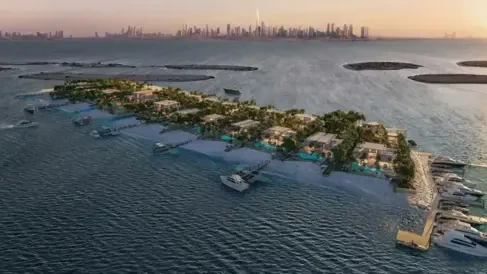
Mansions
Majid Al Futtaim Bo Monde
AED Price on Request
Tilal Al Ghaf
6 & 7
Mansions
Maldives at Damac Islands
AED Price on Request
Damac Islands
Apartments
Penthouses
The Bay Interiors by Missoni
AED 2,750,000
Dubai Islands
2, 3 & 4
1007 - 3542 Sq Ft
Apartments
Penthouses
Solaya 5 and 7 by Meraas
AED Price on Request
Jumeirah
2, 3, 4 & 5
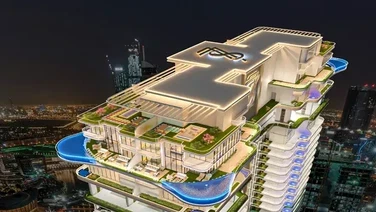
Apartments
Penthouses
77S Tower
AED Price on Request
Business Bay
1, 2, 3, 4 & 5
876 - 6500 Sq Ft
Apartments
Villas
Penthouses
Duplexes
Amali Residences
AED 14,500,000
Dubai Water Canal
2, 3, 4, 5 & 6
2880 - 21000 Sq Ft
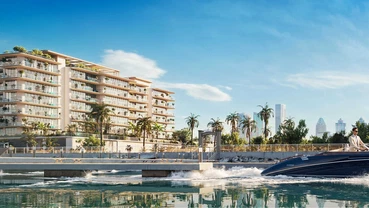
Apartments
Penthouses
Le Chateau Pietrus by Mr. Eight
AED 3,900,000
Dubai Islands
2, 3 & 4
1017 - 7008 Sq Ft
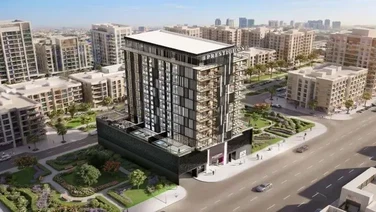
Apartments
Penthouses
Fauchon Residences by Prestige One Developments
AED Price on Request
Jumeirah Garden City
Studio, 1 & 2
1026 - 2255 Sq Ft
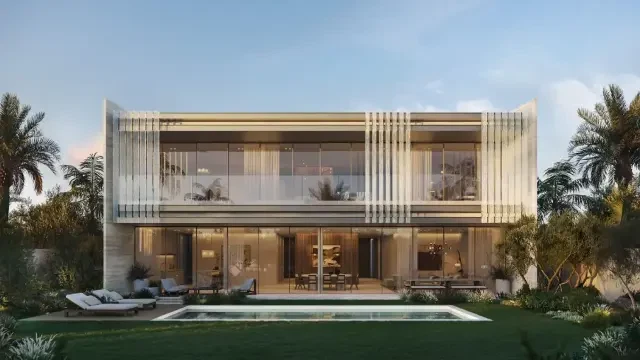
Apartments
Studios
The WOW Tower by Mr. Eight
AED 700,000
Dubai Land Residence Complex
Studio, 1 & 2
377 - 1461 Sq Ft
Apartments
Studios
Native Haus
AED 699,999
Jumeirah Village Triangle
Studio, 1 & 2
403 - 1035 Sq Ft
Apartments
Studios
Sorrento Lagoon Views by DAMAC
AED 689,000
Damac Lagoons
Studio & 1
Apartments
Studios
Samana Downtown One
AED 689,000
Jebel Ali
Studio, 1 & 2
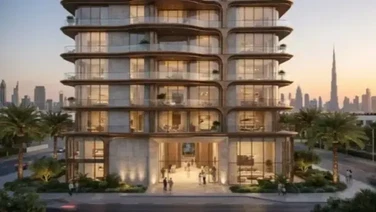
Apartments
Studios
Fala by Kasco
AED Price on Request
Al Jaddaf
Studio, 1, 2 & 3
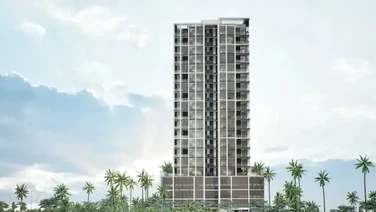
Apartments
Studios
Valore by SRG
AED 699,000
Jumeirah Village Circle
Studio, 1, 2 & 3
470 - 1805 Sq Ft
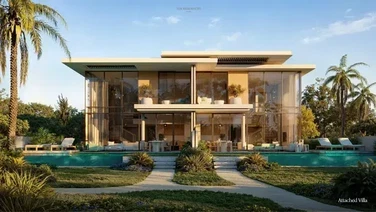
Villas
Townhouses
Bay Estate by Nakheel
AED 5,900,000
Dubai Islands
3 & 4
3054 - 11059 Sq Ft
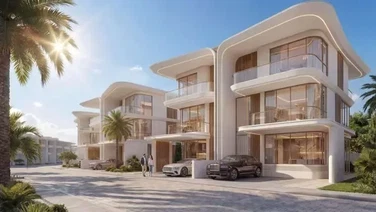
Villas
Townhouses
Greenz by Danube
AED 3,500,000
Academic City
3, 4 & 5
2400 - 3950 Sq Ft
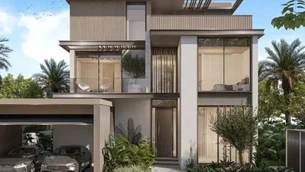
Villas
Townhouses
Meraas Nad Al Sheba Gardens 12
AED Price on Request
Nad Al Sheba
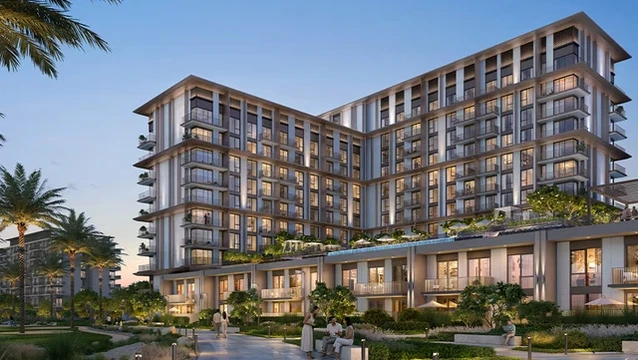
Apartments
Townhouses
EMAAR Golf Trails
AED 1,250,000
Emaar South
1, 2 & 3
719 - 2603 Sq Ft
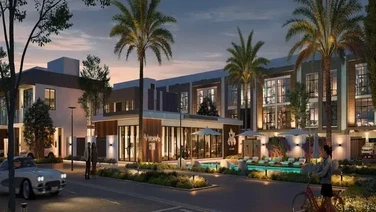
Townhouses
Verdana 9 Townhouses by Reportage
AED Price on Request
Dubai Investments Park
2, 3 & 4
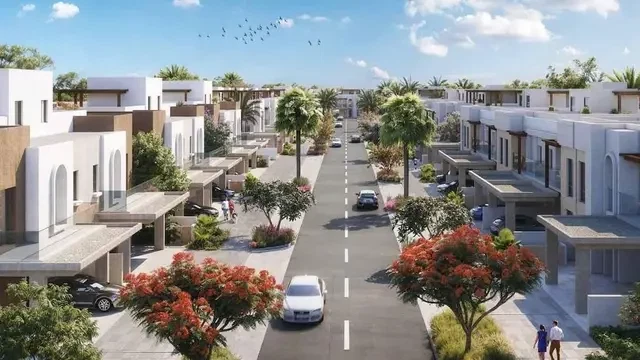
Townhouses
Hayat 1 by Dubai South Properties
AED Price on Request
Dubai South
Villas
Townhouses
Bay Estate by Nakheel
AED 5,900,000
Dubai Islands
3 & 4
3054 - 11059 Sq Ft
Villas
Townhouses
Greenz by Danube
AED 3,500,000
Academic City
3, 4 & 5
2400 - 3950 Sq Ft
Apartments
Villas
Penthouses
Duplexes
Amali Residences
AED 14,500,000
Dubai Water Canal
2, 3, 4, 5 & 6
2880 - 21000 Sq Ft
Villas
Townhouses
Meraas Nad Al Sheba Gardens 12
AED Price on Request
Nad Al Sheba
Apartments
Villas
The Wilds 3 by Aldar
AED Price on Request
Dubailand
Villas
Fleur de Jardin Villas by AMIS
AED Price on Request
Mohammed bin Rashid City
5 & 6