
Buy-to-Let Mortgage in Dubai: Rates, Requirements and ROI Explained
Published :
Last Updated :
- What is a Buy-to-Let Mortgage?
- Who Can Apply for a Buy-to-Let Mortgage in Dubai?
- Step-by-Step Process to Get a Buy-to-Let Mortgage
- Best Areas for Buy-to-Let in Dubai
- Closing In
With its tax-free rental income, robust capital appreciation, top-notch infrastructure, and globally integrated economy, Dubai’s real estate market has earned its mark as one of the most vibrant and investor-friendly property landscapes.
Buy-to-Let (BTL) investing has become a smart strategy in this booming market, giving investors the opportunity to profit from long-term property value rise in high-demand locations while also generating reliable rental income.
Dubai makes a strong case for leveraged real estate investment due to its strong tenant demand, attractive rental returns, and comparatively open borrowing laws. Let’s move through the buy-to-let mortgage process a little more in-depth.
What is a Buy-to-Let Mortgage?

When an investor wants to purchase residential real estate with the goal of renting it out instead of occupying it themselves, they can apply for a buy-to-let mortgage. Buy-to-let financing in Dubai is assessed mostly on the property’s rental revenue potential alongside the borrower’s financial profile, contrary to conventional home mortgages for owner-occupiers.
Why Should You Invest in Buy-to-Let Property in Dubai?
There are several strong, evidence-based reasons why buy-to-let real purchasing is still a good investment. First, compared to many Western markets where payouts often hover around 2-4%, Dubai affords some of the highest rentals in the world, with average gross returns stretching from 6.5-7% citywide and up to 8-9% in certain areas. This implies that, when compared to other real estate locations, investors often initiate a substantial passive income.
Second, long-term residential and short-term leases tied to tourism are experiencing persistent rental demand due to the city of Dubai’s population growth, which recently topped 4 million residents and jumped by more than 200,000 in a single year.
With no annual property tax, no capital gains tax on sales, and no income tax on rental revenue, Dubai presents a notably investor-friendly tax climate in contrast to many other markets, allowing investors to keep a larger portion of their profits. Also, in certain freehold zones, full foreign ownership is allowed, providing foreign investors with control over their assets and legal clarity.
Dubai’s buy-to-let market offers a mix of income potential, capital appreciation opportunities, and structural advantages that appeal to both domestic and foreign investors.
These factors are combined with strong economic growth projections, connectivity as a global business hub, and government-linked residency incentives linked to property ownership.
Buy-to-Let Mortgage Eligibility Criteria
Lenders prioritize affordability, creditworthiness, and regulatory requirements over rental income estimates in Dubai’s buy-to-let mortgage market since eligibility is based on the larger residential mortgage framework rather than a specific “buy-to-let” product.
1. Age
Depending on lender policy, banks require applicants to be at least 21 years old at the time of application and guarantee the mortgage is paid off in full by the time they reach 65 to 70 years.
Proving repayment ability requires a stable employment history (6-12 months for paid candidates) or, for self-employed persons, 2-3 years of audited financials with proof of steady business revenue.
2. Income Level
Monthly income criteria also vary: banks require a minimum income of AED 25,000 or more for non-residents or larger loans to assure repayment capacity, while most lenders set a minimum income of AED 15,000 to 20,000 for residents and expats.
3. Debt Burden
Borrowers must also adhere to the Debt-to-Income (DTI) ratio constraint, which is set at 50% of gross monthly income, to sustain manageable repayments on all of their debts, including the new mortgage.
4. Credit and Documentation
For UAE citizens, having a solid credit history especially through the Al Etihad Credit Bureau (AECB) is important to improve your chances of approval and better conditions.
Passport and Emirates ID (if applicable), bank records (6-12 months), income evidence (an audited business account or salary certificate), proof of down payment and credit reports, a property sale agreement are required documents.
They may require extra proof of financial stability for investors who are self-employed or non-residents.
Who Can Apply for a Buy-to-Let Mortgage in Dubai?

1. UAE Residents
UAE residents are in a good position, especially those with a steady work history that shows financial stability and a minimum salary of at least AED 15,000 (depending on the bank).
Lenders will closely examine a borrower’s Debt Burden Ratio (DBR), which normally needs to stay below 50% to make sure that repayments can be made adding to current commitments.
2. UAE Nationals
UAE citizens often benefit from extra benefits, such as the potential for greater loan-to-value (LTV) ratios and, occasionally, preferential treatment from regional banks.
3. Non-Residents / Overseas Investors
Yes, it is possible for non-residents to obtain mortgages in Dubai. Getting a buy-to-let mortgage in Dubai is a chance available to a wide variety of investors, each with a unique approval process.
Dubai’s worldwide appeal also extends to foreign investors and non-residents, who can obtain mortgages in the emirate. This makes the city’s vibrant real estate market available to buyers from all over the world looking for long-term growth and rental income.
Interest Rates in Dubai (Fixed vs Variable)
Interest rates are the unseen force behind all profitable buy-to-let ventures. Since the UAE’s currency is pegged to the US dollar and rates are still heavily hit by global monetary policy in the present market cycle, changes made by the Federal Reserve frequently have a direct impact on local loan prices.
Investors must decide between fixed-rate and variable-rate (EIBOR-based) mortgages, and their choice can have a big impact on their total return on investment.
By locking in your repayments for an agreed amount of time (often one to five years), a fixed-rate mortgage provides security and predictability, protecting cash flow in fluctuating rate environments and simplifying long-term budgeting. The trade-off is that fixed rates may have early settlement restrictions and are frequently initially marginally higher than variable rates.
If anything, variable-rate mortgages are subject to change over time and are tied up with the Emirates Interbank Offered Rate (EIBOR). If the rate cycle moves up, they expose investors to larger repayments, but they may start lower, providing better initial cash flow and possibly a higher short-term return on investment if rates fall.
Ultimately, leveraged returns are directly impacted by interest rates: while rising rates raise risk and compress profit, lower rates spike up net rental margins, lower financing costs, and increase cash-on-cash returns.
Astute investors keep a close eye on rate cycles, fixing during times of high volatility and selectively refinancing when market conditions change to make sure the financing structure supports their goals rather than hinders them.
What is the Borrowing Limit?
In the UAE, the Central Bank sets the Loan-to-Value (LTV) ratio, which determines this and sets a cap on the amount of a property’s value that banks can lend you. In fact, the maximum loan amount in relation to the property price is defined by this LTV ceiling.
You can borrow more money if the LTV is higher, but you also have to bring a larger down payment (equity).
Borrowing Limitations
- Up to 60% LTV for expatriates for investment or second properties (finished units). This means that banks will finance up to 60% of the purchase price, with the remaining 40% required as a down payment.
- LTV may be somewhat higher (up to about 65%) for UAE citizens when they buy their second or investment property.
- Off-plan properties (under construction) have lower LTV with a 50% down payment required for all buyer groups.
- Banks can’t exceed the central bank limits, but certain lenders might provide a little greater LTV for early investment purchases.
Although the above loan limit isn’t a fixed situation, it heavily depends on your residency status and other aspects like property type and value tier.
Step-by-Step Process to Get a Buy-to-Let Mortgage

1. Financial Review
Analyse your credit score and financial history before applying for a buy-to-let mortgage making sure there are no past-due payments that may compromise lender acceptance.
Because greater deposits sometimes result in better interest rates, you should also figure out your available deposit, which for buy-to-let transactions is between 20 and 40 percent of the property worth. Projected rental income, which typically has to cover between 125% and 145% of the monthly mortgage payments to offer a safety buffer, is the main factor that lenders use to determine affordability.
In order to prove your financial stability and borrowing ability, gather the necessary supporting evidence, like proof of income, bank statements that show savings, and specifics of any current debts or financial obligations.
2. Specific Your Investment Plan
Decide on your investment plan thoroughly before purchasing a buy-to-let property. Based on your desired tenant market and budget, start by selecting the most suitable property type, like an apartment, villa, or unit preferably for long-term rentals or short-term vacation rentals.
Next, to guarantee steady occupancy and competitive returns, you should explore more on rental yields and tenant demand in your selected area. To finally confirm the actual profitability of your property, identify your predicted rental income and account for recurring expenses like maintenance, insurance, management fees, service charges, and possible vacancy periods.
3. Mortgage Pre-Approval
An important first step in the buy-to-let process is getting a mortgage pre-approval, which lets you know exactly how much you may borrow. You can speak with a bank or an expert mortgage broker who can help you choose the best lending alternatives.
For review, you will need to provide important papers like your ID or passport, proof of income, recent bank statements, and your credit report. Your position when negotiating with sellers is made stronger when a pre-approval letter is issued by the lender detailing your borrowing limit after it has been probed.
4. Property Reservation
Once you’ve selected a property that falls within the parameters of your pre-approved mortgage budget, the Property Selection and Reservation stage begins.
Both parties sign the Memorandum of Understanding (MOU or Form F), which describes the sale details, after settling on the terms and price with the seller. To reserve the home, you will then need to pay a booking deposit, which is 10% of the total purchase price. Then, a transfer timeframe is made to sign off on the transaction, often taking between 30 and 45 days.
5. Property Valuation
In the Bank Property Valuation step, the buyer covers the valuation charge, and the bank assigns an impartial valuer to arrive at the property’s real market value. The valuation lowers the lender’s risk and guarantees that the property price is in line with market conditions.
The loan amount might be changed if the assessed value is less than the agreed-upon purchase price, in which case the buyer would be responsible for making up the difference. The bank sends a final confirmation of loan eligibility after the appraisal is accepted.
6. Final Offer Letter
The bank issues the formal mortgage provided with the approved terms and conditions at the Final Mortgage Offer Letter stage.
Key elements like the loan length (up to 25 years, subject to age limits), interest rate (fixed or variable), early settlement costs, and required insurance coverage (life and property insurance) should all be thoroughly reviewed.
Once you’re satisfied, you sign the mortgage offer to move forward and, in some situations, give the lender postdated cheques as needed.
7. DLD Transfer
A transfer appointment is set up at the Dubai Land Department (DLD) Trustee Office during the Trustee Office and DLD Transfer stage. Along with any necessary administrative fees, the buyer pays the 4% DLD transfer charge.
The payment is only completed when the bank sends the seller a manager’s cheque. With this, the buyer formally becomes the owner of the property, and a title deed indicating the mortgaged status is issued in the buyer’s name.
8. Mortgage Registration
Legal recognition of the loan is ensured during the Mortgage secured stage when the mortgage is formally registered with the Dubai Land Department (DLD).
A registration charge, usually equal to 0.25% of the loan balance including administrative costs, is paid by the buyer. The property is then secured against the loan, safeguarding interest of the lender, and the bank is named as the mortgage holder on the title document.
Costs That Come with Buy-to-Let Mortgages
When considering a buy-to-let mortgage in Dubai, it’s important to look beyond the property price and understand the full range of associated costs. These expenses can significantly impact your overall return on investment.
1. Down Payment (Deposit)
The down payment is the biggest up-front expense. 20-25% of the property value normally (more for investment properties) goes to UAE residents. Depending on the bank and profile, non-residents usually rack up 25-40%.
2. Mortgage Arrangement Fee
Also known as product fee, lenders charge around 0.5%-1% of the loan amount arrangement fee.
3. Property Valuation Fee
The bank will need a property valuation prior to clearance, which might cost anywhere from AED 2,500 to AED 3,500.
4. Dubai Land Department (DLD) Fees
Required 4% of the property value (transfer fee) and admin fees (amounts to a few thousand dirhams depending on property value).
5. Mortgage Registration Fee
Charged by the DLD at 0.25% of the loan amount + admin fee.
6. Interest Costs
This is your biggest outlay of funds over time. Market circumstances and fixed or variable terms affect rates. Over time, even modest profit rates can have a big impact on profitability ratios.
7. Life and Property Insurance
Life insurance is usually mandatory when taking a mortgage while property insurance is required by lenders to protect the asset.
8. Early Settlement or Exit Fees
If you repay the mortgage early, banks may charge up to 1% of the outstanding balance (capped as per UAE Central Bank regulations).
9. Ongoing Ownership Costs
For buy-to-let investors, these are crucial: service charges (especially in apartments), maintenance and repairs, property management fees (if outsourced), and vacancy periods without rental income.
What are the Risks Involving Buy-to-Let Investment?
When rental demand drops, apartments stay unsold and revenue sources are heavily impacted while service fees continue to mount, posing a vacancy risk.
Global economic conditions, overstock, or shifts in buyer mood can all have a significant impact on market fluctuations, which can cause property values to abruptly stagnate after first appearing to appreciate quickly.
Since rising borrowing costs can subtly cut profit margins, interest rates shoot up and put more strain on investors, mainly those with leverage.
In the meantime, the often-underestimated costs of maintenance can mount up due to repairs, service charges, and continuous care needed to maintain a home competitive in Dubai’s premium rental market.
As for regulatory changes, it can adjust the investment picture, whether they pertain to rental limitations, visa requirements, or property regulations. Serving as a reminder to investors that, even in a city that is based on ambition, cautious planning is the real key.
Best Areas for Buy-to-Let in Dubai
1. Dubai Marina

Dubai Marina holds tight to the essence of high-return waterfront living better than other places. With studios and small one-bedroom apartments at the higher end of that spectrum, average rental yields here run between roughly 6% and 7% gross, drawing in more investors looking for reliable revenue streams.
The cost of real estate in Dubai Marina stands at AED 2,000 per square foot or more for mid-range stock. Yet, strong tenant demand balances this premium.
While larger units command proportionate prices, studios and one-bedroom apartments command annual rents of over AED98,000 to AED110,000, providing gross yields that in certain circumstances can surpass 7% to 8% in the appropriate segments.
2. Downtown Dubai

Rental yields are still strong here even though the apartments come with premium prices starting from AED 2,500+ per square foot with average gross returns for apartments standing at 5.8%.
Downtown Dubai enjoys great year-round rental demand because of the high tenant demand that comes from corporate professionals, expats, and short-term visitors.
3. Jumeirah Village Circle (JVC)
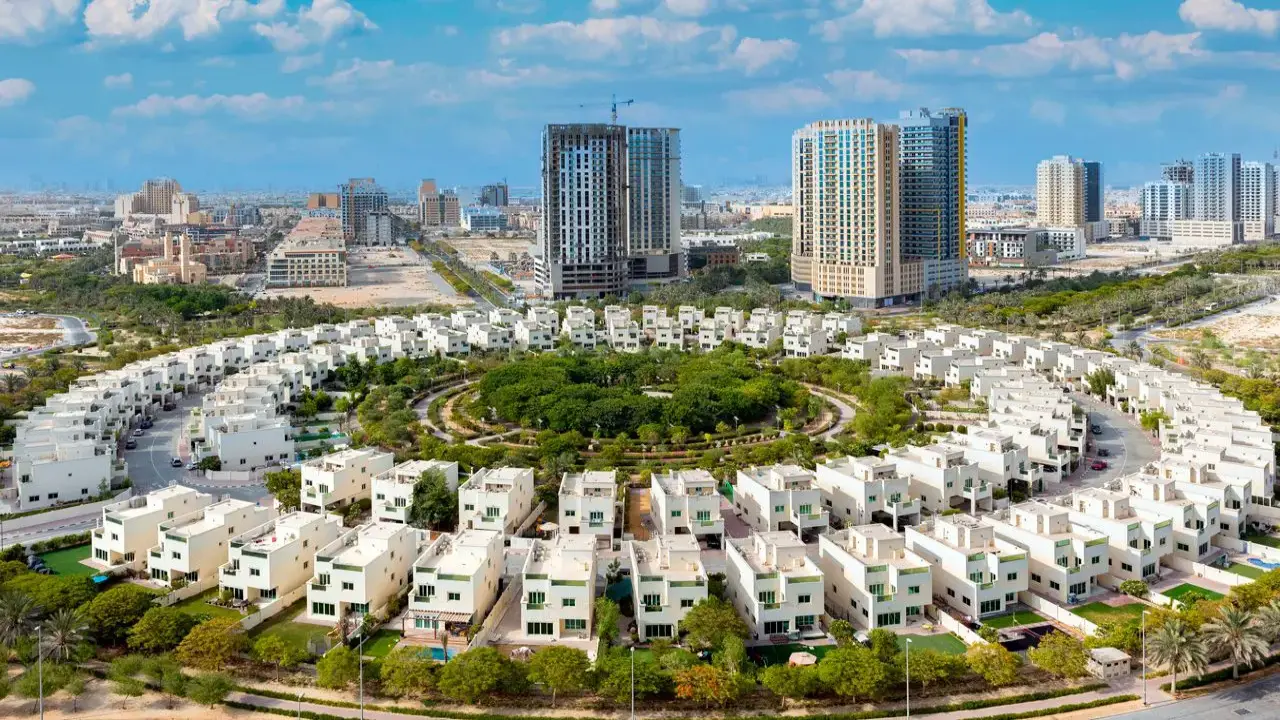
Jumeirah Village Circle (JVC) offers mortgages with a 7%-9% rate and an affordable entrance price. Strong tenant demand and high liquidity were also observed in the community.
Closing In
A Buy-to-Let mortgage is a means of creating long-term wealth, not just a means of finance. from being aware of the down payment and loan requirements to selecting the perfect home for you and carefully planning the payback schedule.
The most suitable advisor can help you compare rates, understand rules, maximize your borrowing capacity, and steer clear of expensive blunders, which is why expert mortgage advice is absolutely indispensable.




Your gateway to offline planning in the digital realm. Discover a world of real estate opportunities through our immersive offline property website experience
Apartments
Studios
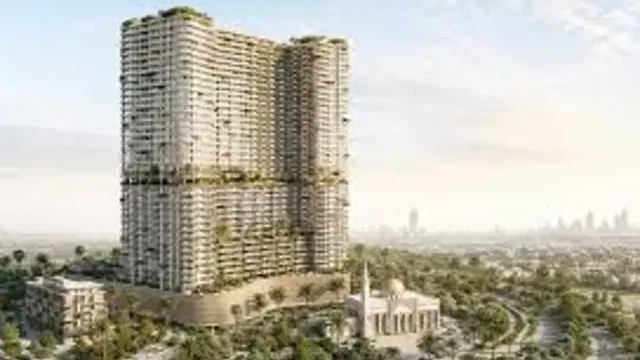
The WOW Tower by Mr. Eight
AED 700,000
Dubai Land Residence Complex
Studio, 1 & 2
377 - 1461 Sq Ft

Apartments
Studios
Native Haus
AED 699,999
Jumeirah Village Triangle
Studio, 1 & 2
403 - 1035 Sq Ft
Apartments
Studios
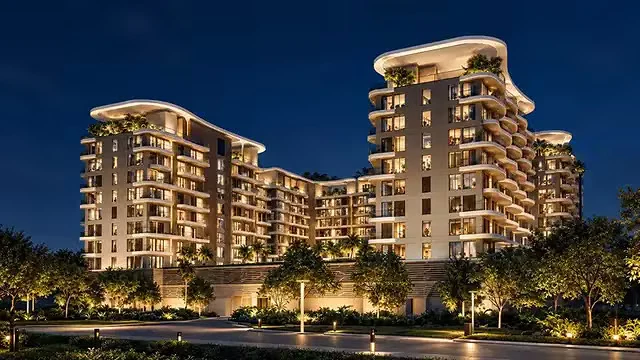
Sorrento Lagoon Views by DAMAC
AED 689,000
Damac Lagoons
Studio & 1
Apartments
Studios
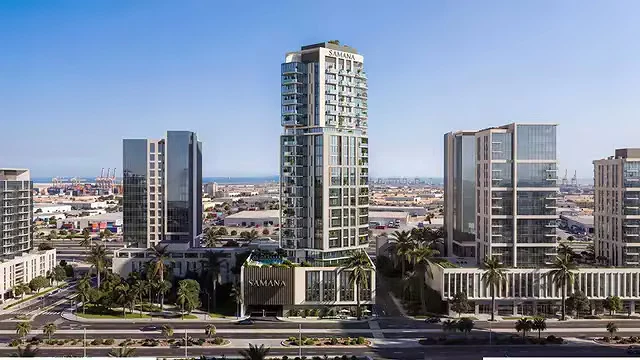
Samana Downtown One
AED 689,000
Jebel Ali
Studio, 1 & 2
Apartments
Penthouses
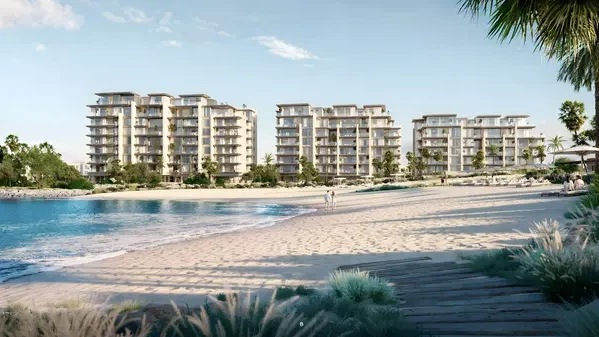
Solaya 5 and 7 by Meraas
AED Price on Request
Jumeirah
2, 3, 4 & 5

Apartments
Penthouses
The Bay Interiors by Missoni
AED 2,750,000
Dubai Islands
2, 3 & 4
1007 - 3542 Sq Ft
Apartments
Studios
The WOW Tower by Mr. Eight
AED 700,000
Dubai Land Residence Complex
Studio, 1 & 2
377 - 1461 Sq Ft
Apartments
Studios
Native Haus
AED 699,999
Jumeirah Village Triangle
Studio, 1 & 2
403 - 1035 Sq Ft
Apartments
Studios
Sorrento Lagoon Views by DAMAC
AED 689,000
Damac Lagoons
Studio & 1
Apartments
Penthouses
Solaya 5 and 7 by Meraas
AED Price on Request
Jumeirah
2, 3, 4 & 5
Apartments
Penthouses
The Bay Interiors by Missoni
AED 2,750,000
Dubai Islands
2, 3 & 4
1007 - 3542 Sq Ft
Apartments
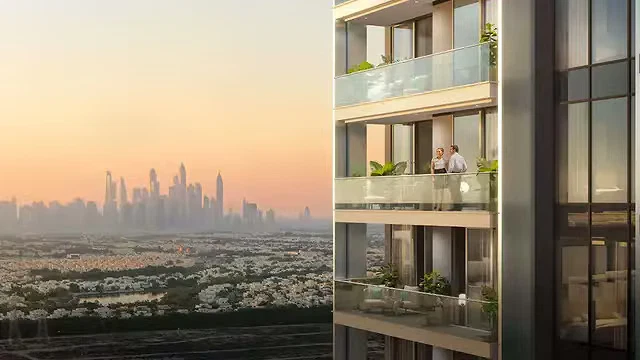
Object 1 Lum1nar Towers
AED Price on Request
Jumeirah Village Triangle
Studio, 1, 2 & 3
355 - 1983 Sq Ft

Commercial
O1NE District Dawn by Avenew
AED Price on Request
Motor City

Commercial
Piazza Roma by DAMAC
AED Price on Request
Damac Lagoons

Commercial
Burj Capital Phase 3 by Centurion Properties
AED Price on Request
Business Bay

Apartments
Commercial
Penthouses
The Symphony by Imtiaz
AED 2,000,000
Meydan
1, 2 & 3
640 - 4244

Apartments
Commercial
Sol Luxe Tower
AED 1,900,000
Sheikh Zayed Road
1, 2 & 3

Apartments
Commercial
DAMAC District
AED 1,142,000
Damac hills
1 & 2
740 - 6588 Sq Ft
Apartments
Duplexes
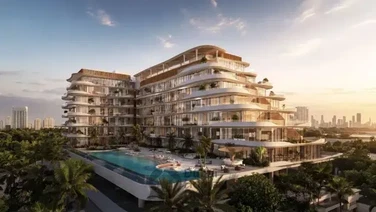
Rabdan Avenue
AED 1,300,000
Meydan
1, 2 & 3
687 - 2937 Sq Ft
Apartments
Duplexes
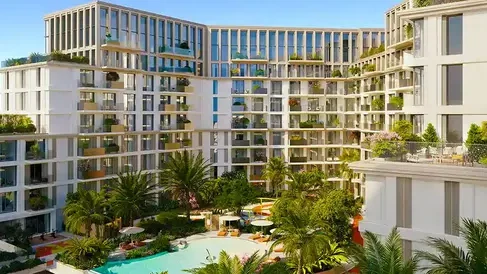
Modo at Avenew 888
AED Price on Request
Dubai South
1, 2 & 3
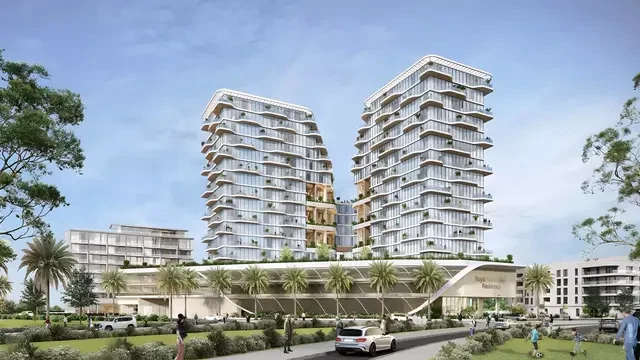
Apartments
Duplexes
Royal Yacht Club Residence by Azimuth Development
AED Price on Request
Dubai Islands
1, 2, 3 & 4
720 - 3909 Sq Ft
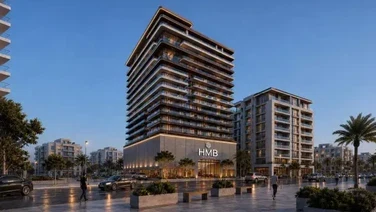
Apartments
Studios
Duplexes
Beverly Crown by HMB Homes
AED 680,000
Jumeirah Village Circle
Studio, 1 & 2
438 - 2321 Sq Ft
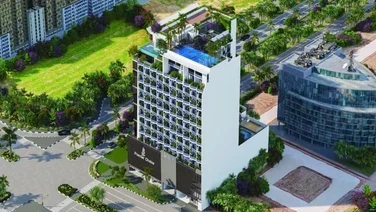
Apartments
Duplexes
Gateway Residences by Premier Choice
AED 1,164,000
Jumeirah Village Circle
1, 2 & 3
748 - 2352 Sq Ft
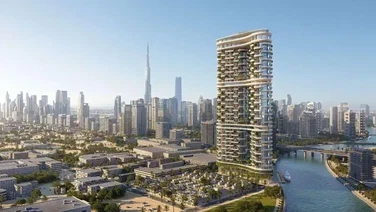
Apartments
Villas
Penthouses
Duplexes
Amali Residences
AED 14,500,000
Dubai Water Canal
2, 3, 4, 5 & 6
2880 - 21000 Sq Ft
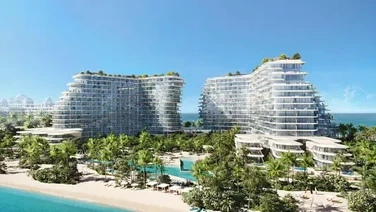
Apartments
Penthouses
Mansions
Bella by Passo
AED Price on Request
Palm Jumeirah
1, 2, 3, 4, 5 & 6
1541 - 12382 Sq Ft
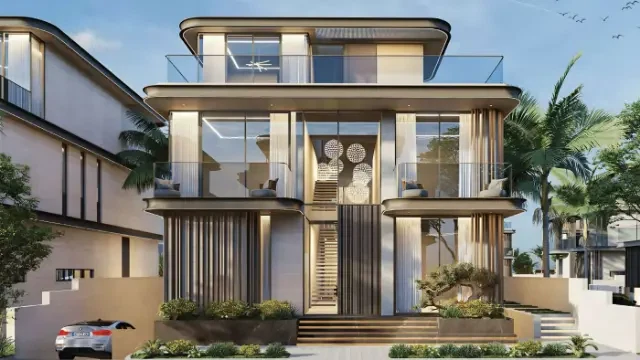
Villas
Mansions
Wellington Grand Villas
AED 20,000,000
Mohammed bin Rashid City
5 & 6
13,007 - 13,568 Sq Ft
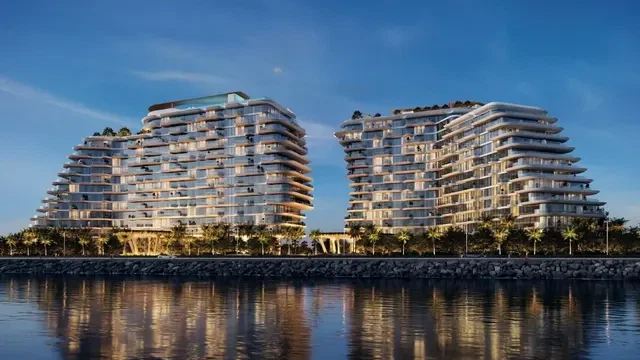
Apartments
Penthouses
Mansions
Passo by Beyond
AED 5,500,000
Palm Jumeirah
1, 2, 3, 4, 5 & 6
940 - 11830 Sq Ft

Mansions
Asora Bay Ocean Mansions by Meraas
AED 65,000,000
Jumeirah
7
41550 - 49062 Sq Ft
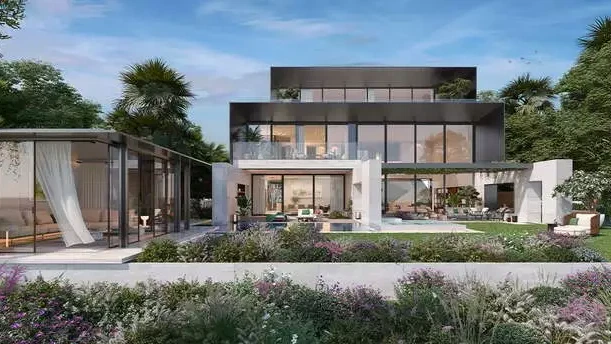
Mansions
Majid Al Futtaim Bo Monde
AED Price on Request
Tilal Al Ghaf
6 & 7

Mansions
Maldives at Damac Islands
AED Price on Request
Damac Islands
Apartments
Penthouses
The Bay Interiors by Missoni
AED 2,750,000
Dubai Islands
2, 3 & 4
1007 - 3542 Sq Ft
Apartments
Penthouses
Solaya 5 and 7 by Meraas
AED Price on Request
Jumeirah
2, 3, 4 & 5
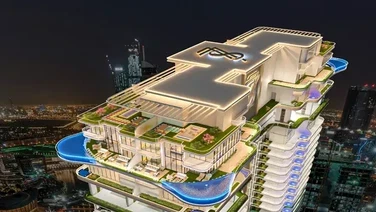
Apartments
Penthouses
77S Tower
AED Price on Request
Business Bay
1, 2, 3, 4 & 5
876 - 6500 Sq Ft
Apartments
Villas
Penthouses
Duplexes
Amali Residences
AED 14,500,000
Dubai Water Canal
2, 3, 4, 5 & 6
2880 - 21000 Sq Ft
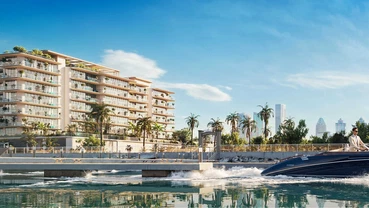
Apartments
Penthouses
Le Chateau Pietrus by Mr. Eight
AED 3,900,000
Dubai Islands
2, 3 & 4
1017 - 7008 Sq Ft
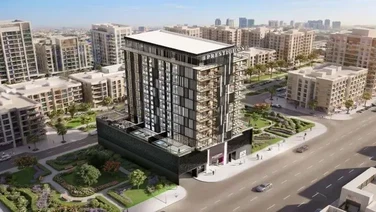
Apartments
Penthouses
Fauchon Residences by Prestige One Developments
AED Price on Request
Jumeirah Garden City
Studio, 1 & 2
1026 - 2255 Sq Ft
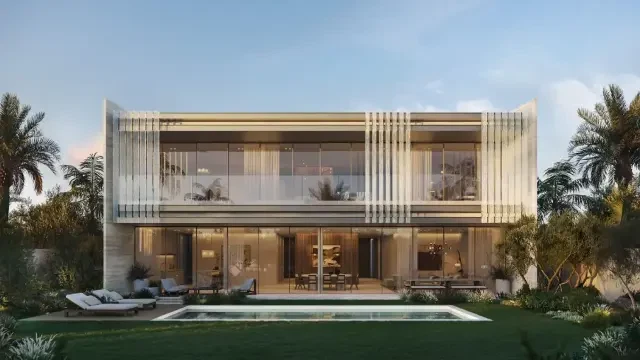
Apartments
Studios
The WOW Tower by Mr. Eight
AED 700,000
Dubai Land Residence Complex
Studio, 1 & 2
377 - 1461 Sq Ft
Apartments
Studios
Native Haus
AED 699,999
Jumeirah Village Triangle
Studio, 1 & 2
403 - 1035 Sq Ft
Apartments
Studios
Sorrento Lagoon Views by DAMAC
AED 689,000
Damac Lagoons
Studio & 1
Apartments
Studios
Samana Downtown One
AED 689,000
Jebel Ali
Studio, 1 & 2
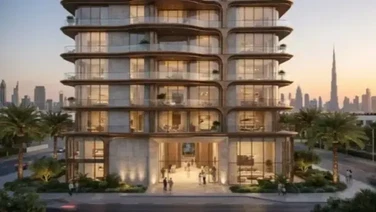
Apartments
Studios
Fala by Kasco
AED Price on Request
Al Jaddaf
Studio, 1, 2 & 3
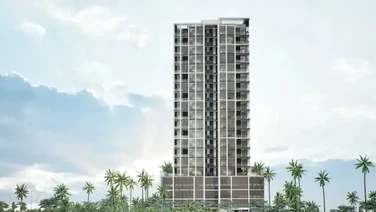
Apartments
Studios
Valore by SRG
AED 699,000
Jumeirah Village Circle
Studio, 1, 2 & 3
470 - 1805 Sq Ft
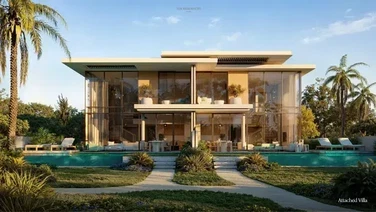
Villas
Townhouses
Bay Estate by Nakheel
AED 5,900,000
Dubai Islands
3 & 4
3054 - 11059 Sq Ft
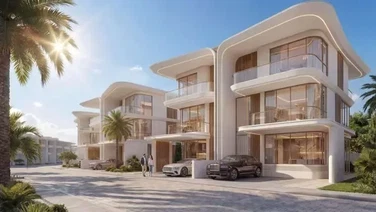
Villas
Townhouses
Greenz by Danube
AED 3,500,000
Academic City
3, 4 & 5
2400 - 3950 Sq Ft

Villas
Townhouses
Meraas Nad Al Sheba Gardens 12
AED Price on Request
Nad Al Sheba
Apartments
Townhouses
EMAAR Golf Trails
AED 1,250,000
Emaar South
1, 2 & 3
719 - 2603 Sq Ft

Townhouses
Verdana 9 Townhouses by Reportage
AED Price on Request
Dubai Investments Park
2, 3 & 4
Townhouses
Hayat 1 by Dubai South Properties
AED Price on Request
Dubai South
Villas
Townhouses
Bay Estate by Nakheel
AED 5,900,000
Dubai Islands
3 & 4
3054 - 11059 Sq Ft
Villas
Townhouses
Greenz by Danube
AED 3,500,000
Academic City
3, 4 & 5
2400 - 3950 Sq Ft
Apartments
Villas
Penthouses
Duplexes
Amali Residences
AED 14,500,000
Dubai Water Canal
2, 3, 4, 5 & 6
2880 - 21000 Sq Ft
Villas
Townhouses
Meraas Nad Al Sheba Gardens 12
AED Price on Request
Nad Al Sheba
Apartments
Villas
The Wilds 3 by Aldar
AED Price on Request
Dubailand
Villas
Fleur de Jardin Villas by AMIS
AED Price on Request
Mohammed bin Rashid City
5 & 6