How to Buy Property in Dubai from Australia - Complete Guide 2026
Published :
Last Updated :
- What is the Property Investment Market Like Across Australia?
- Can Australians Buy Property in Dubai?
- A Step-by-Step Process for Australians Buying Property in Dubai
- Closing in
With more than 16,000 Australians living in the UAE, Dubai has emerged as a magnet for greater prosperity. While Australian cities are dealing with rising real estate costs, stricter lending regulations, and higher taxes, Dubai serves as a welcome alternative with its master-planned communities, brilliant infrastructure, and complete freehold ownership in specific areas.
Dubai is a unique location for creating offshore wealth in 2026 and beyond because of its business-friendly rules, worldwide connections, and booming expat population, which serve Australians both lifestyle and numerous investment benefits.
Australians need to understand exactly where they can purchase, what freehold ownership actually entails, and how Dubai’s legal system protects international buyers due to an upsurge in foreign demand and regular regulatory modifications.
A thorough understanding of ownership regulations helps investors steer clear of costly blunders, particularly as more Australians seek out foreign investment opportunities for greater returns and diversification. Being legally knowledgeable gives you a significant advantage in a rapidly expanding market like Dubai, guaranteeing that your investment is safe, compliant, and well-positioned for long-term profits.
What is the Property Investment Market Like Across Australia?
Sources claim that the value of homes nationwide has risen. Recently, the average cost of a residential home surpassed A$1,000,000. Plus, it is evidenced that the supply of housing is quite limited while the demand is high.
Rents and prices are rising as a result of the ongoing lack of new completions, which is keeping up with population growth and household formation. Construction is still behind demand by a significant amount.
Although there is fierce competition in the rental market, supply limits continue to be acute and price stability is becoming a problem. Strong investor demand and rapid price hikes, which could result in macroeconomic ventures or regulatory attention, are added risks.
Can Australians Buy Property in Dubai?
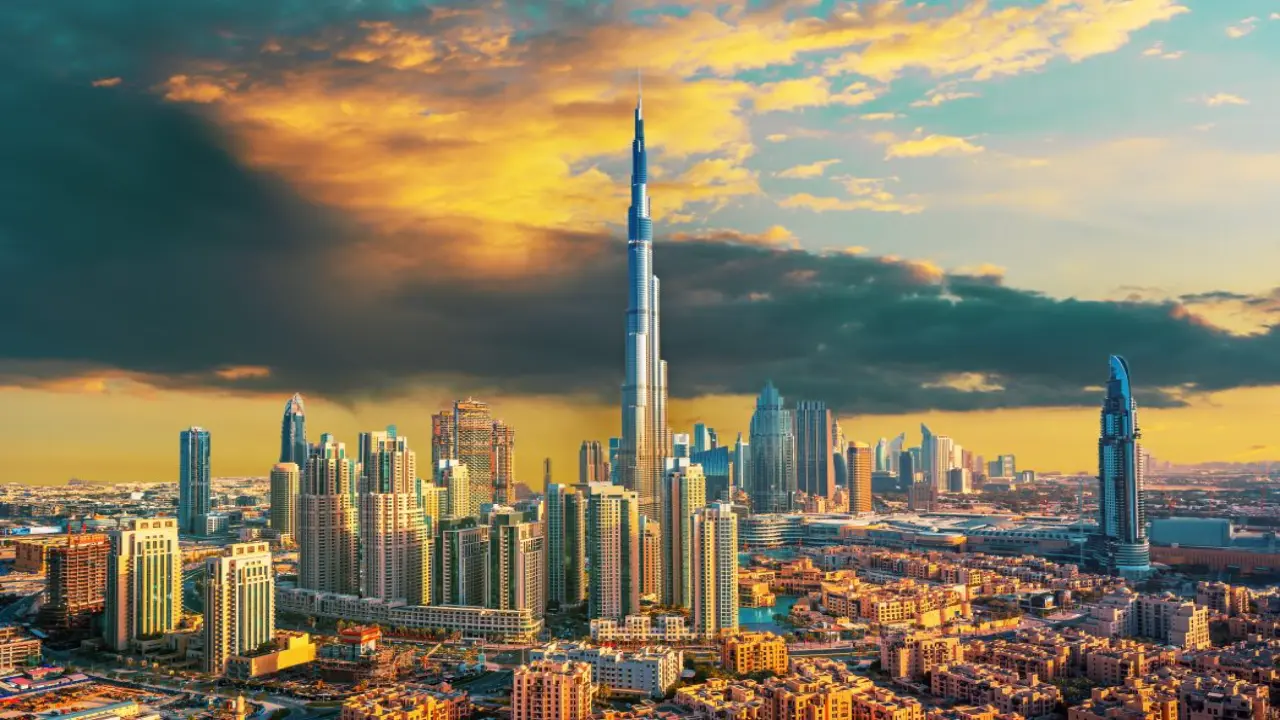
Yes, Australians can legally buy and fully own property in Dubai. Without the need for residency, a local sponsor, or UAE citizenship, non-UAE people can buy freehold property in specific regions of the emirate's one of the most open and welcoming real estate markets in the world.
Foreign buyers enjoy long-term security through Title Deeds issued by the Dubai Land Department (DLD), granting them full ownership rights similar to those available in Australia. This openness has made Dubai a major destination for global investors, including Australians looking for higher returns and tax-efficient structures.
Foreign Ownership vs Local Ownership in 2026
While UAE citizens can buy property anywhere in the country, foreign buyers including Australians must purchase within officially designated freehold zones. These zones are government-approved areas where non-nationals can own property outright, including the land beneath it. This freehold framework was strengthened in the years leading up to 2026, making the process more transparent, secure, and investor-friendly.
Outside freehold zones, foreigners may still obtain long-term leasehold or usufruct rights, but not full ownership. Understanding this distinction is crucial, as it ensures Australian investors choose properties that grant them full legal protection and long-term ownership benefits.
Freehold vs Leasehold: What Australians Must Know
In Dubai, freehold ownership gives Australians full, permanent ownership of both the property and the land it sits on. When you purchase a freehold property, the Dubai Land Department (DLD) issues a Title Deed in your name, granting you the unrestricted right to sell, lease, renovate, or pass the property to your heirs. This is the most popular form of ownership for foreign investors because it rewards long-term security and parallels the type of ownership Australians are accustomed to at home.
By contrast, leasehold ownership grants the right to use a property for a fixed term commonly up to 99 years. While you may live in, rent out, or improve the property during the lease period, you do not own the underlying land, and your rights end when the lease expires. Leasehold can still be a viable option in areas where freehold is not permitted, but it comes with limitations on control, resale value, and long-term planning.
For foreign buyers in Dubai, understanding the distinction between freehold and leasehold is prime because choosing the correct ownership structure warrants legal protection, stronger resale potential, and the confidence that your investment aligns with your long-term goals.
Besides, it’s important to keep note about usufruct and musataha, two lesser-known types of property rights accessible to international investors. Although freehold properties are the primary focus of Australian investors, these alternate rights can yield strategic value, particularly in commercial, industrial, and long-term development scenarios.
Usufruct
A ‘usufruct’ is a legal right that permits you to use, occupy, and profit from another person's property for an extended, predetermined amount of time for the most part up to 99 years. You can live on the property, rent it out, or run it for profit as the usufruct holder, but you can't make significant structural changes without the landowner's consent. When the lease expires, the landlord retains ownership of the building and land.
Musataha
A ‘musataha’ goes above and above. For a set amount of time, usually up to 50 years, with options for renewal, it grants you the legal right to construct, develop, or modify structures on land you do not own.
Musataha agreements are therefore perfect for collaborative partnerships with landowners, commercial projects, industrial facilities, and hospitality developments. Opportunities for growth that would not be accessible through traditional freehold are made possible by musataha rights. Instead of buying good land outright, Australian investors might develop assets that generate income.
Where Australians Can Buy: Dubai’s Freehold Zones
Australians can own real estate with full ownership rights, including the ability to sell, lease, or abandon their belongings, thanks to freehold zones, which were created to encourage foreign investment. This framework has made Dubai a safe haven to Australians seeking long-term financial prospects in a global hub with excellent benefits.
Neighborhoods including Dubai Marina, Downtown Dubai, and Palm Jumeirah are the most sought-after freehold zones for Australian purchasers due to their reputation for comfortable and decent living, easy access to scenic waterfront backdrops, and high rental yields. Other neighbourhoods like Jumeirah Village Circle (JVC), Arabian Ranches, and Dubai Hills Estate are more convenient for families.
Comparison between Australia and Dubai
Eligibility
i) Australia
Non-residents can face restrictions:
- Must generally buy new or off-the-plan property.
- FIRB (Foreign Investment Review Board) approval is mandatory.
- Extra foreign buyer taxes apply. Residency or citizenship removes almost all restrictions.
ii) UAE
- Non-residents can buy property in designated freehold zones with 100% ownership.
- No residency visa required to buy.
Taxes and Other Costs
i) Australia
- Stamp Duty (varies by state)
- Capital Gains Tax (CGT) on sale
- Land Tax (higher for investors and foreigners)
- Income tax on rental income
- Council fees and maintenance
ii) UAE
- One-time DLD fee: 4%
- Maintenance charges
- No property tax
- No capital gains tax
- No income tax on rent
Rental Yields
i) Australia
- Houses: 2.5-4%
- Units: 3.5-5%
ii) UAE
- Apartments: 6-9%
- Holiday rentals: 8-12%
Residency
i) Australia
- Buying property does NOT give residency rights.
- PR and citizenship pathways are based on migration categories, not real estate.
ii) UAE
- Buying property can qualify you for residence visas depending on value (e.g., 2-year investor or 10-year Golden Visa).
A Step-by-Step Process for Australians Buying Property in Dubai
Step 1: Researching the Market
- Knowing the market is a good place to start if you plan on buying property in Dubai from Australia. First, determine whether the property is ready, off-plan, commercial, apartment, villa, or townhouse.
- Choose between lifestyle or vacation properties, long-term capital growth, or high-yield rental markets. Make use of reliable property portals and real estate agents with RERA licenses.
Step 2: Obtain Pre-Approval
- Consult UAE banks or mortgage brokers regarding your choices for a non-resident mortgage. Get your paperwork ready, including income statements, tax returns, Australian bank records, a copy of your passport, etc.
Step 3: Make an Offer and Sign MoU
- After selecting a property, you sign a Memorandum of Understanding (MoU), sometimes called the “Form F.” Make the first deposit; depending on the terms of the agreement, this is often 10%.
Step 4: Developer NOC (if Applicable)
- For resale properties, you’ll need a No Objection Certificate (NOC) from the developer, confirming there are no outstanding payments or charges.
Step 5: Final Purchase Agreement
- Depending on whether the property is ready or not, sign the Sales and Purchase Agreement (SPA) or its equivalent. You can sign directly with the developer for off-plan. When purchasing off-plan, the SPA is frequently registered through “Oqood,” protecting buyers.
Step 6: Transfer Ownership
- Bring all necessary documentation, including passports, signed SPA, NOC, MoU, and proof of finances, to a Dubai Land Department (DLD) Trustee Office (or have your agent or lawyer do this). Pay the extra registration fees along with the 4% DLD transfer charge. You will receive your title deed, which is provided online.
Step 7: Post-Purchase
- Consider employing a property management company to take care of rentals, upkeep, and renters if you won't be residing there. Include utilities and service fees (maintenance). As a non-resident owner, register for any utilities (such as electricity and water) through your manager.
Step 8: Visa or Residency
- You may qualify for specific visas if you invest in real estate which is either a two-year investment visa (for specific property prices) or a 10-year ‘Golden Visa’ for real estate investment (if you invest more than AED 2,000,000).
Closing in
In 2026, Dubai remains a dynamic, fast-growing market that offers Australians a special combination of stability, innovation, and substantial investment opportunities.
Opportunities for foreign buyers are more attractive than ever as the city grows its freehold zones, improves regulatory openness, and draws in talent from around the world.
Australian investors can successfully traverse Dubai’s real estate market and set themselves up for long-term success by comprehending the legal framework, collaborating with the appropriate local partners, and adopting a strategic, research-driven strategy. In the end, Dubai is more than just a location to invest; it's a starting point for creating a robust, internationally diversified real estate portfolio.



Your gateway to offline planning in the digital realm. Discover a world of real estate opportunities through our immersive offline property website experience
Apartments
Tessera by Al Ghurair Development
AED Price on Request
Dubai South
Apartments
Shahrukhz Residences by Danube
AED Price on Request
Dubai Maritime City
Apartments
Duplexes
Rabdan Avenue
AED 1,300,000
Meydan
1, 2 & 3
687 - 2937 Sq Ft
Apartments
Studios
One by Nine
AED Price on Request
Nad Al Sheba
Studio, 1 & 2
563 - 1069 Sq Ft
Apartments
Studios
11 Hills Park by TownX
AED 675,000
Dubai Science Park
Studio & 1
474 - 831 Sq Ft
Apartments
The Weave by Al Ghurair Development
AED 1,200,000
Jumeirah Village Circle
1, 2 & 3
776 - 2221 Sq Ft
Apartments
Shahrukhz Residences by Danube
AED Price on Request
Dubai Maritime City
Apartments
Tessera by Al Ghurair Development
AED Price on Request
Dubai South

Apartments
SAMANA South Haven 2
AED Price on Request
Dubai Industrial City
Apartments
Studios
One by Nine
AED Price on Request
Nad Al Sheba
Studio, 1 & 2
563 - 1069 Sq Ft
Apartments
Duplexes
Rabdan Avenue
AED 1,300,000
Meydan
1, 2 & 3
687 - 2937 Sq Ft
Apartments
Studios
11 Hills Park by TownX
AED 675,000
Dubai Science Park
Studio & 1
474 - 831 Sq Ft
Commercial
O1NE District Dawn by Avenew
AED Price on Request
Motor City
Commercial
Piazza Roma by DAMAC
AED Price on Request
Damac Lagoons

Apartments
Commercial
Penthouses
The Symphony by Imtiaz
AED 2,000,000
Meydan
1, 2 & 3
640 - 4244
Apartments
Commercial
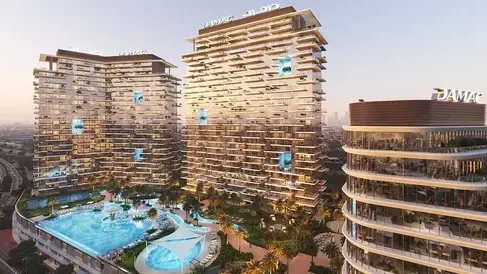
Sol Luxe Tower
AED 1,900,000
Sheikh Zayed Road
1, 2 & 3
Apartments
Commercial
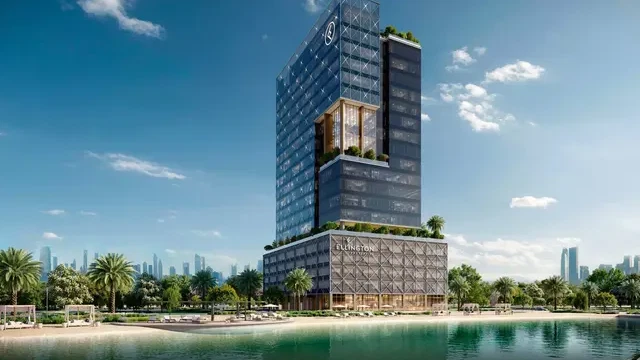
DAMAC District
AED 1,142,000
Damac hills
1 & 2
740 - 6588 Sq Ft
Commercial
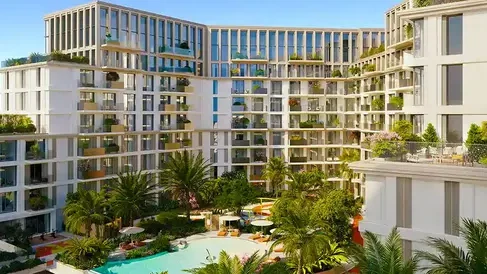
Eaton Square by Ellington
AED Price on Request
Mohammed bin Rashid City
Apartments
Duplexes
Rabdan Avenue
AED 1,300,000
Meydan
1, 2 & 3
687 - 2937 Sq Ft
Apartments
Duplexes
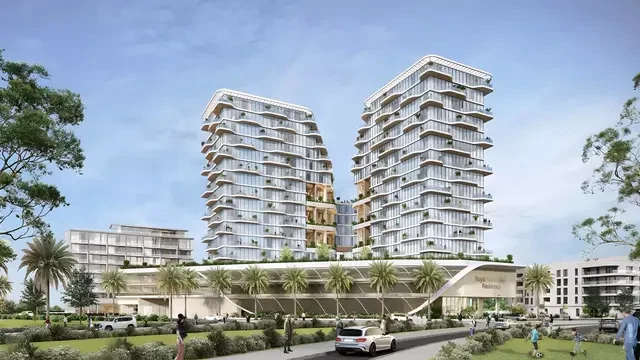
Modo at Avenew 888
AED Price on Request
Dubai South
1, 2 & 3
Apartments
Duplexes
Royal Yacht Club Residence by Azimuth Development
AED Price on Request
Dubai Islands
1, 2, 3 & 4
720 - 3909 Sq Ft
Apartments
Studios
Duplexes
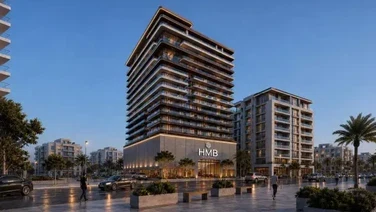
Beverly Crown by HMB Homes
AED 680,000
Jumeirah Village Circle
Studio, 1 & 2
438 - 2321 Sq Ft
Apartments
Duplexes
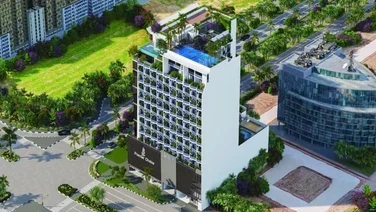
Gateway Residences by Premier Choice
AED 1,164,000
Jumeirah Village Circle
1, 2 & 3
748 - 2352 Sq Ft
Apartments
Villas
Penthouses
Duplexes
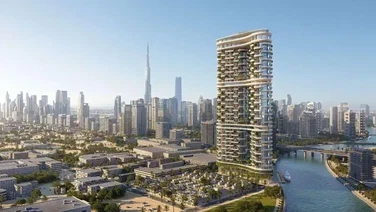
Amali Residences
AED 14,500,000
Dubai Water Canal
2, 3, 4, 5 & 6
2880 - 21000 Sq Ft
Apartments
Penthouses
Mansions
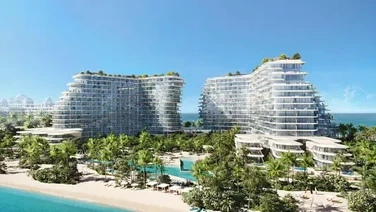
Bella by Passo
AED Price on Request
Palm Jumeirah
1, 2, 3, 4, 5 & 6
1541 - 12382 Sq Ft
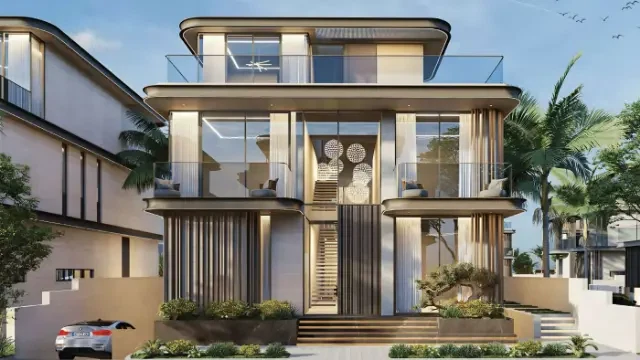
Villas
Mansions
Wellington Grand Villas
AED 20,000,000
Mohammed bin Rashid City
5 & 6
13,007 - 13,568 Sq Ft
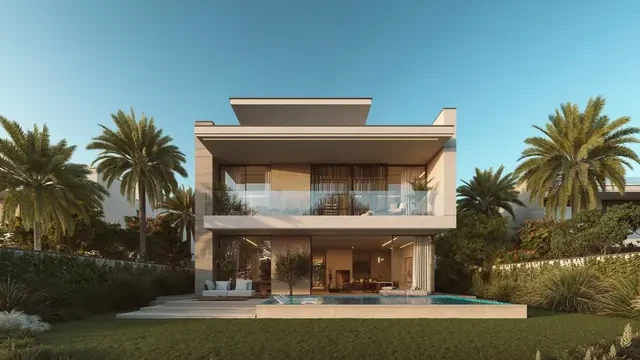
Villas
Mansions
Ashwood Estate by Wasl
AED 11,800,000
Jumeirah Golf Estates
4, 5 & 6
6069 - 10762 Sq Ft
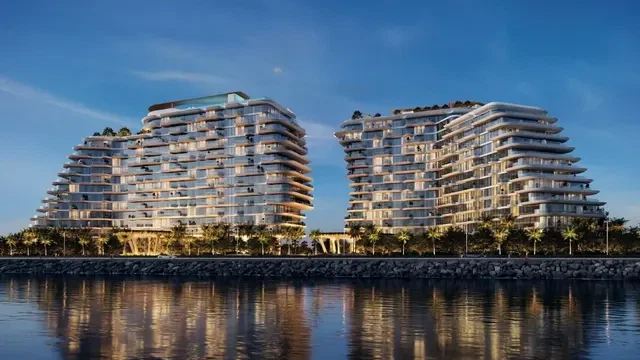
Apartments
Penthouses
Mansions
Passo by Beyond
AED 5,500,000
Palm Jumeirah
1, 2, 3, 4, 5 & 6
940 - 11830 Sq Ft
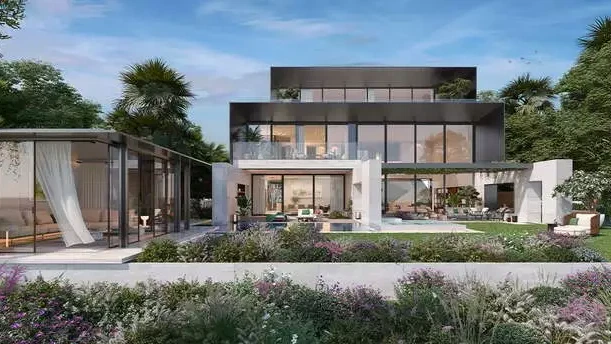
Mansions
Asora Bay Ocean Mansions by Meraas
AED 65,000,000
Jumeirah
7
41550 - 49062 Sq Ft
Mansions
Majid Al Futtaim Bo Monde
AED Price on Request
Tilal Al Ghaf
6 & 7
Apartments
Penthouses
77S Tower
AED Price on Request
Business Bay
1, 2, 3, 4 & 5
876 - 6500 Sq Ft
Apartments
Villas
Penthouses
Duplexes
Amali Residences
AED 14,500,000
Dubai Water Canal
2, 3, 4, 5 & 6
2880 - 21000 Sq Ft
Apartments
Penthouses
Le Chateau Pietrus by Mr. Eight
AED 3,900,000
Dubai Islands
2, 3 & 4
1017 - 7008 Sq Ft
Apartments
Penthouses
Fauchon Residences by Prestige One Developments
AED Price on Request
Jumeirah Garden City
Studio, 1 & 2
1026 - 2255 Sq Ft
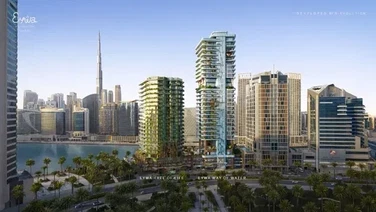
Apartments
Penthouses
Duplexes
Eywa Way of Water by R.Evolution
AED 9,000,000
Business Bay
2, 3, 4 & 5
2154 - 22900 Sq Ft
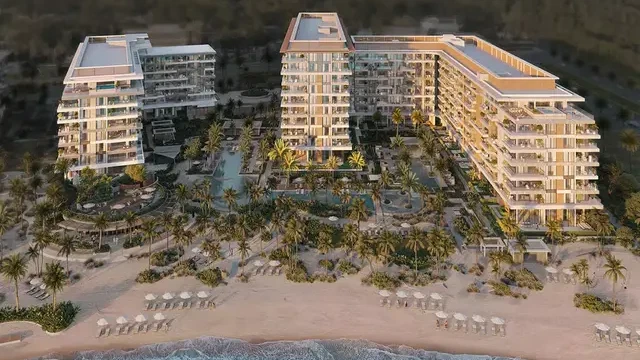
Apartments
Penthouses
Duplexes
Ellington Sands 2
AED Price on Request
Dubai Islands
1, 2, 3 & 4
800 - 5964 Sq Ft
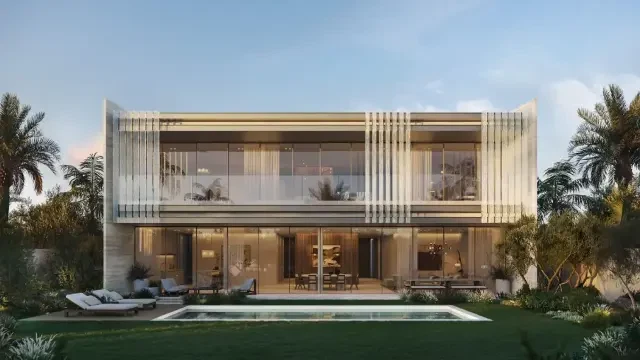
Apartments
Studios
One by Nine
AED Price on Request
Nad Al Sheba
Studio, 1 & 2
563 - 1069 Sq Ft
Apartments
Studios
11 Hills Park by TownX
AED 675,000
Dubai Science Park
Studio & 1
474 - 831 Sq Ft
Apartments
Studios
Kore by Imtiaz
AED Price on Request
Dubai Land Residence Complex
Studio, 1, 2 & 3

Apartments
Studios
Astra Residences by Dugasta Properties
AED Price on Request
Dubai South
Studio, 1 & 2
349 - 1792 Sq Ft
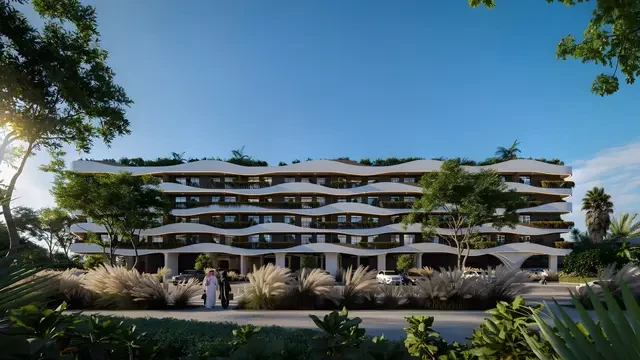
Apartments
Studios
Oasis Residences by Al Helal Al Zahaby
AED 590,000
Dubai South
Studio, 1, 2 & 3
427 - 1992 Sq Ft
Apartments
Studios
Reef 995
AED 696,777
Dubai Land Residence Complex
Studio, 1, 2 & 3
433 - 1197 Sq Ft
Villas
Townhouses
Bay Estate by Nakheel
AED 5,900,000
Dubai Islands
3 & 4
3054 - 11059 Sq Ft
Villas
Townhouses
Greenz by Danube
AED 3,500,000
Academic City
3, 4 & 5
2400 - 3950 Sq Ft
Villas
Townhouses
Meraas Nad Al Sheba Gardens 12
AED Price on Request
Nad Al Sheba
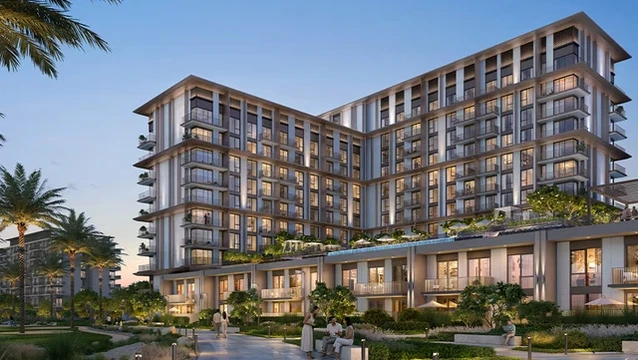
Apartments
Townhouses
EMAAR Golf Trails
AED 1,250,000
Emaar South
1, 2 & 3
719 - 2603 Sq Ft
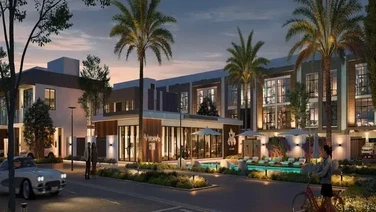
Townhouses
Verdana 9 Townhouses by Reportage
AED Price on Request
Dubai Investments Park
2, 3 & 4
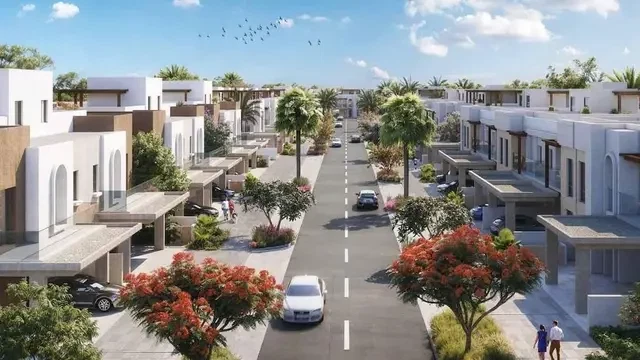
Townhouses
Hayat 1 by Dubai South Properties
AED Price on Request
Dubai South
Villas
Townhouses
Bay Estate by Nakheel
AED 5,900,000
Dubai Islands
3 & 4
3054 - 11059 Sq Ft
Villas
Townhouses
Greenz by Danube
AED 3,500,000
Academic City
3, 4 & 5
2400 - 3950 Sq Ft
Apartments
Villas
Penthouses
Duplexes
Amali Residences
AED 14,500,000
Dubai Water Canal
2, 3, 4, 5 & 6
2880 - 21000 Sq Ft
Villas
Townhouses
Meraas Nad Al Sheba Gardens 12
AED Price on Request
Nad Al Sheba
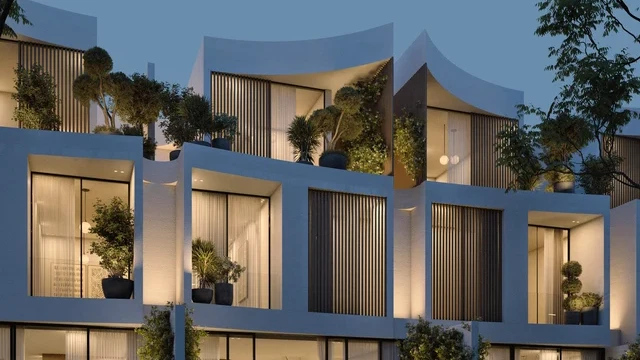
Villas
Lunaya by Zaya
AED 4,900,000
Jebel Ali
4 & 5
2966 - 8231 Sq Ft

Villas
EMAAR Faro at The Heights
AED Price on Request
The Heights Country Club & Wellness