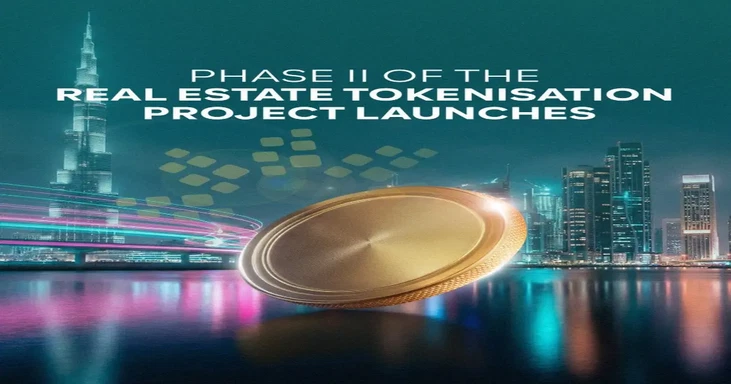
Dubai Real Estate Goes Digital: DLD Introduces Phase 2 of Tokenisation Initiative
Published :
Last Updated :
- What Is Real Estate Tokenisation in Dubai
- Why DLD Introduced Phase II of Tokenisation
- Closing In
Dubai has an eye on advancing global real estate innovations. Phase II of the Tokenisation Project of Real Estate by the Dubai Land Department (DLD) is a significant step in the digital ownership of property. This new stage brings in a controlled second-order market of tokenised real estate, whereby investors are able to resell shares of property by fractional units.
Dubai Land Department linked Phase II with the Dubai Urban Plan 2040 and UAE Vision 2071. The initiative supports smart and sustainable urban growth.The initiative uses blockchain technology with a robust legal framework in Dubai. It enhances liquidity, increases access by investors, and modernises property transactions within the emirate.
What Is Real Estate Tokenisation in Dubai

Real estate tokenisation is a process of transforming physical property into blockchain-based digital property tokens. Every token is a fraction of a registered real property asset of DLD.
In Phase I, REES Real Estate Innovation Initiative which was launched in 2025, the investors would be able to buy fractional interests in the Dubai properties of their choosing via regulated digital platforms.
These tokens were a direct representation of legal ownership rights and secured by the compliance procedures, which are managed by DLD and VARA.
But even though they could purchase such digital shares, they were unable to sell them at will. This is low liquidity, which is traditionally one of the greatest challenges of real estate. This is addressed by Phase II by allowing the token holders to exchange their shares at approved exchanges, starting 20 February. Phase II activates resale in the secondary market.
It enables the resale of nearly 7.8 million real estate tokens. It tests market efficiency and system readiness and strengthens transparency and governance. Meanwhile, it protects investor rights and ensures secure and reliable transactions.
Why DLD Introduced Phase II of Tokenisation
The demand was good, as proved by the success of the pilot phase, whereby investors wanted to have flexible property investment opportunities.
The fact that they needed exit strategies, just like they have in the stock markets. In which assets can be sold and purchased without necessarily having to hold them over time. DLD described tokenisation as a long-term strategic project. It aims to strengthen Dubai’s real estate investment ecosystem.
DLD launched Phase II to:
- Enhance the liquidity of property investments.
- Win the interest of small and new investors.
- Develop real-time price discovery.
- Make Dubai part of the global trends in digital assets.
This action is in line with the Real Estate Strategy 2033 of Dubai that aims at transparency, adoption of technology, and sustainable market development.
Key Features of Tokenisation Phase II
1. Regulated Secondary Market Trading for Fractional Property Shares
The introduction of a controlled secondary market where investors have the opportunity to sell and purchase tokenised real estate shares is one of the most important additions during Phase II. The owners can choose to sell their digital shares on licensed platforms like Prypco Mint instead of carrying around tokens until a property is sold in the conventional marketplace.
2. Wider Range of Tokenised Residential and Commercial Properties
Phase II is a major increase in the number of properties that can be tokenised in Dubai, and instead of focusing on investing in just a small number of pilot assets. This programme has now been diversified into a larger portfolio of residential apartments, villas, and some commercial properties in the major freehold and mixed-use areas.
3. Faster Digital Transactions and Streamlined Ownership Transfers
The speed and efficiency of the property transactions are another great improvement. The settlement using blockchain will automate ownership checks, execution, and records of transfer. This excludes much of the paperwork that usually slows down real estate transactions. Consequently, investors are able to make their token purchases or resale in much shorter time with full legal standing in the books of DLD.
4. Strong Regulatory Protection and Legal Integration with DLD Systems
Phase II will remain in the narrowly regulated environment that connects all digital tokens to legally registered property titles. The Dubai Land Department is in charge of the ownership records, and the VARA is in charge of the trading platforms, the cybersecurity standards, and compliance procedures.
How Phase II Expands Investment Opportunities
The addition of the resale option will make tokenised real estate a dynamic investment asset instead of a locked holding that cannot be sold after some time. Future phases may include additional licensed digital trading platforms. This will expand investor access across multiple property assets.
Investors now benefit from:
- Reduced entry values as opposed to property full purchases.
- Diversification of portfolios through various properties.
- Flexible exit strategies
- Price transparency based on market demand.
The structure enables professionals, expatriates, and short-term investors to invest in the Dubai property market without mortgages and huge capital investment.
Impact on Dubai’s Property Market
The impact of tokenisation on capital inflows into real estate is likely to change. Increased liquidity promotes a higher frequency of transactions, besides increasing the number of investors. In other instances, developers can consider using tokenisation to finance their projects in a more cost-effective fashion by selling fractional interests rather than using conventional funding.
In the long term, secondary trading can establish the market standards of tokenised property value, enhancing the transparency of districts and asset types. This will enhance investor confidence and make Dubai a global proptech leader.

Regulatory Framework Behind Tokenised Properties
The strategy of Dubai is unique due to the good legal framework. Authorities linked tokenisation to quality-of-life focused urban planning. The project aligns with Dubai’s human-centric development goals.
The important institutions engaged are:
- Title registration is done through the Dubai Land Department (DLD)
- Digital asset compliance by the Virtual Assets Regulatory Authority (VARA)
- Dubai Future Foundation for innovation management.
Collectively, they make sure that the ownership of tokens is directly connected to legal rights to property. Furthermore, the investor protection is preserved, as well as the cybersecurity level and the transparency of the transaction.
Benefits for First-Time and Small Investors
The concept of tokenisation eliminates the numerous obstacles of the real estate tradition.
Major advantages include:
- Low-cost fractional ownership.
- Minimised risk with diversification.
- Streamlined online deals.
- Smart automated income distribution.
This system has enabled property investors to invest in the high-value real estate market of Dubai, which was previously restricted to people unable to afford it.
Challenges Investors Should Consider
Although optimistic, tokenised real estate has some critical considerations.
The liquidity will be determined by the activity of the platform, particularly in the initial phases. There is the possibility of fluctuation of prices when the secondary market grows. Also, investors should know about the security of digital assets, regulatory changes, and the credibility of the platforms.
Investing smartly involves using licensed platforms, secure digital wallets, and considering tokenised assets as a component of a more diversified portfolio.
Future Outlook of Tokenised Real Estate in Dubai
Phase II is just the start of the digitalisation of properties in Dubai. Future developments can include:
- Property tokenisation Commercial.
- The involvement of cross-border investors.
- Mortgage structures which are tokenised.
- The indices of real estate investment.
There is a forecast that tokenised assets might make a huge part of Dubai property transactions by the early 2030s, with a probable value of tens of billions of dirhams.
Closing In
Dubai Land Department has made a bold move with the implementation of Phase II of real estate tokenisation to change property investment into the digital age. The Dubai stock exchange has enhanced market transparency, access to a broader group of investors, and liquidity through the secondary trading of fractional ownership that can be controlled to ensure the desired results.
This project will combine the stability of real estate with the efficiency of the blockchain and a future where investing in property will be more diverse, accessible, and global. With the increasing adoption, tokenisation will emerge as one of the pillars of the real estate ecosystem development in Dubai.



Your gateway to offline planning in the digital realm. Discover a world of real estate opportunities through our immersive offline property website experience
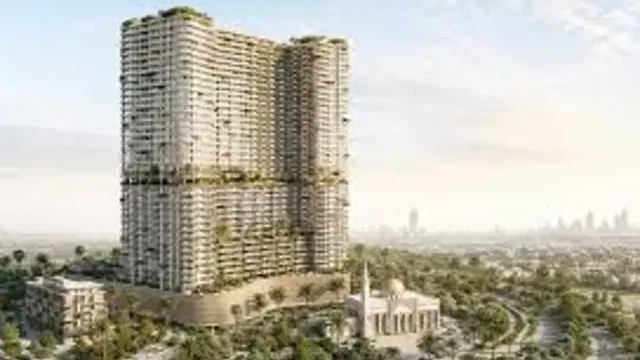
Apartments
Studios
The WOW Tower by Mr. Eight
AED 700,000
Dubai Land Residence Complex
Studio, 1 & 2
377 - 1461 Sq Ft
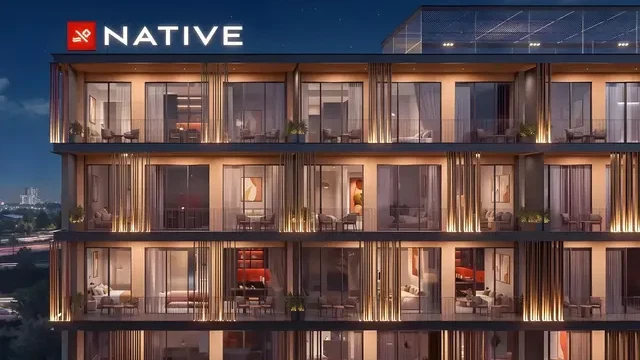
Apartments
Studios
Native Haus
AED 699,999
Jumeirah Village Triangle
Studio, 1 & 2
403 - 1035 Sq Ft
Apartments
Studios
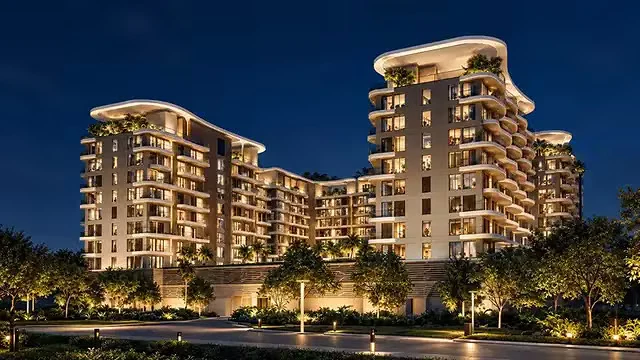
Sorrento Lagoon Views by DAMAC
AED 689,000
Damac Lagoons
Studio & 1
Apartments
Studios
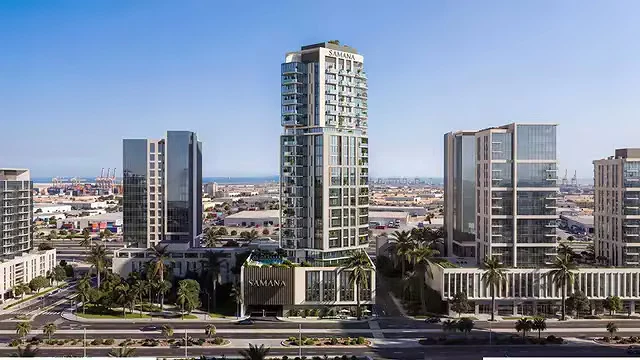
Samana Downtown One
AED 689,000
Jebel Ali
Studio, 1 & 2
Apartments
Penthouses
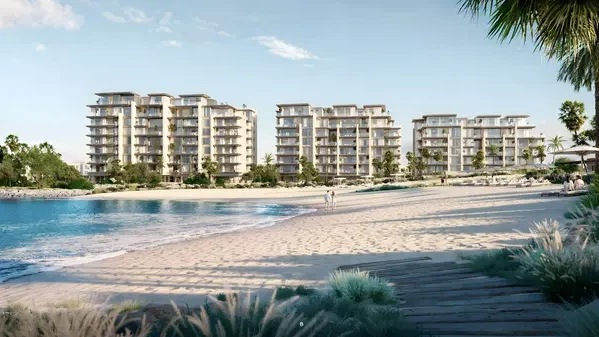
Solaya 5 and 7 by Meraas
AED Price on Request
Jumeirah
2, 3, 4 & 5
Apartments
Penthouses
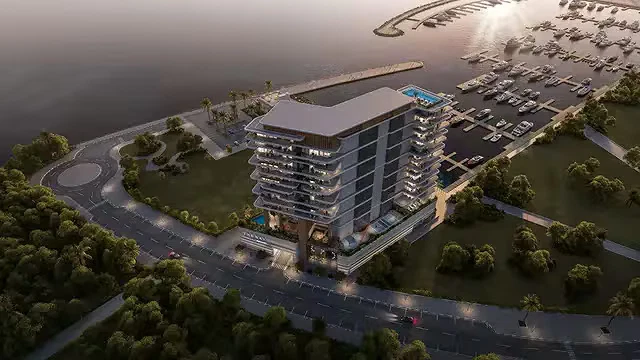
The Bay Interiors by Missoni
AED 2,750,000
Dubai Islands
2, 3 & 4
1007 - 3542 Sq Ft
Apartments
Studios
The WOW Tower by Mr. Eight
AED 700,000
Dubai Land Residence Complex
Studio, 1 & 2
377 - 1461 Sq Ft
Apartments
Studios
Native Haus
AED 699,999
Jumeirah Village Triangle
Studio, 1 & 2
403 - 1035 Sq Ft
Apartments
Studios
Sorrento Lagoon Views by DAMAC
AED 689,000
Damac Lagoons
Studio & 1
Apartments
Penthouses
Solaya 5 and 7 by Meraas
AED Price on Request
Jumeirah
2, 3, 4 & 5
Apartments
Penthouses
The Bay Interiors by Missoni
AED 2,750,000
Dubai Islands
2, 3 & 4
1007 - 3542 Sq Ft
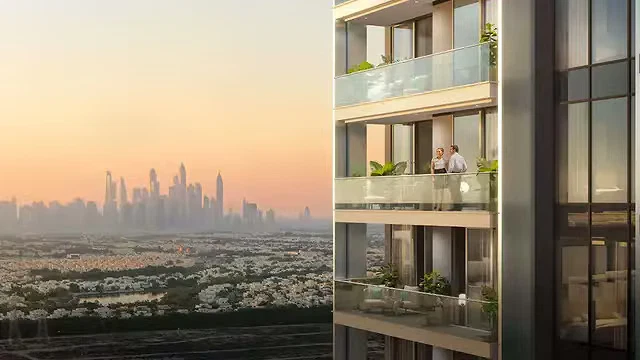
Apartments
Object 1 Lum1nar Towers
AED Price on Request
Jumeirah Village Triangle
Studio, 1, 2 & 3
355 - 1983 Sq Ft
Commercial
O1NE District Dawn by Avenew
AED Price on Request
Motor City

Commercial
Piazza Roma by DAMAC
AED Price on Request
Damac Lagoons
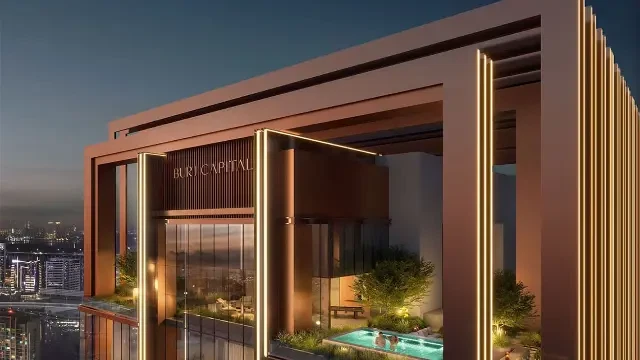
Commercial
Burj Capital Phase 3 by Centurion Properties
AED Price on Request
Business Bay

Apartments
Commercial
Penthouses
The Symphony by Imtiaz
AED 2,000,000
Meydan
1, 2 & 3
640 - 4244
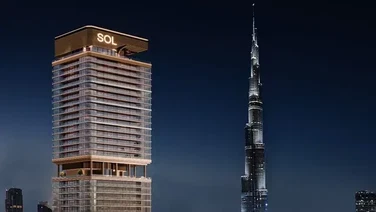
Apartments
Commercial
Sol Luxe Tower
AED 1,900,000
Sheikh Zayed Road
1, 2 & 3
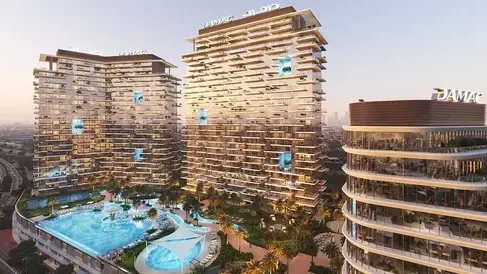
Apartments
Commercial
DAMAC District
AED 1,142,000
Damac hills
1 & 2
740 - 6588 Sq Ft
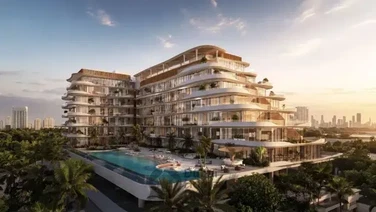
Apartments
Duplexes
Rabdan Avenue
AED 1,300,000
Meydan
1, 2 & 3
687 - 2937 Sq Ft
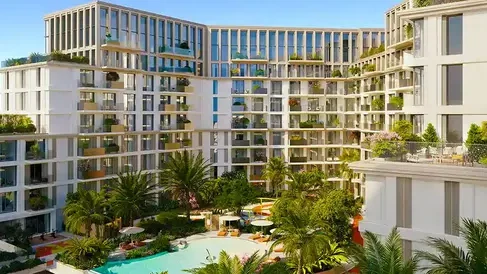
Apartments
Duplexes
Modo at Avenew 888
AED Price on Request
Dubai South
1, 2 & 3
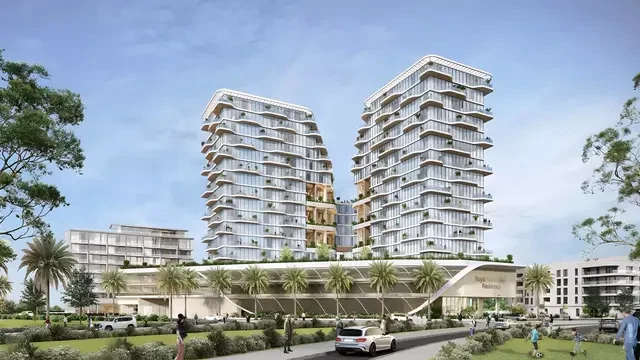
Apartments
Duplexes
Royal Yacht Club Residence by Azimuth Development
AED Price on Request
Dubai Islands
1, 2, 3 & 4
720 - 3909 Sq Ft
Apartments
Studios
Duplexes
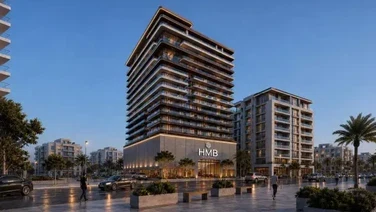
Beverly Crown by HMB Homes
AED 680,000
Jumeirah Village Circle
Studio, 1 & 2
438 - 2321 Sq Ft
Apartments
Duplexes
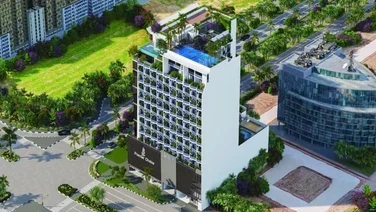
Gateway Residences by Premier Choice
AED 1,164,000
Jumeirah Village Circle
1, 2 & 3
748 - 2352 Sq Ft
Apartments
Villas
Penthouses
Duplexes
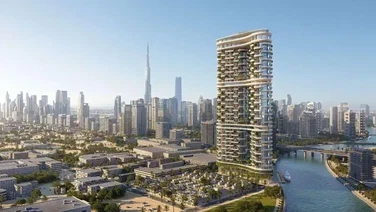
Amali Residences
AED 14,500,000
Dubai Water Canal
2, 3, 4, 5 & 6
2880 - 21000 Sq Ft
Apartments
Penthouses
Mansions
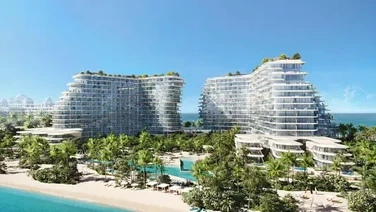
Bella by Passo
AED Price on Request
Palm Jumeirah
1, 2, 3, 4, 5 & 6
1541 - 12382 Sq Ft
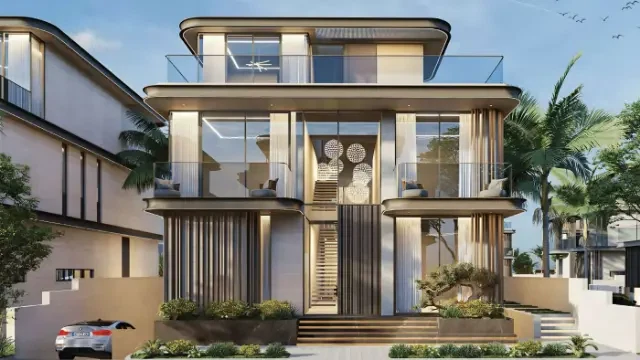
Villas
Mansions
Wellington Grand Villas
AED 20,000,000
Mohammed bin Rashid City
5 & 6
13,007 - 13,568 Sq Ft
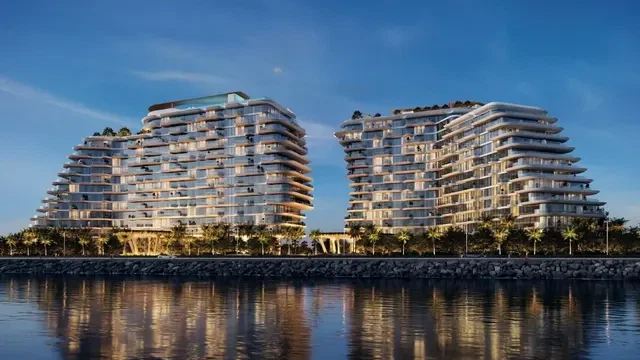
Apartments
Penthouses
Mansions
Passo by Beyond
AED 5,500,000
Palm Jumeirah
1, 2, 3, 4, 5 & 6
940 - 11830 Sq Ft
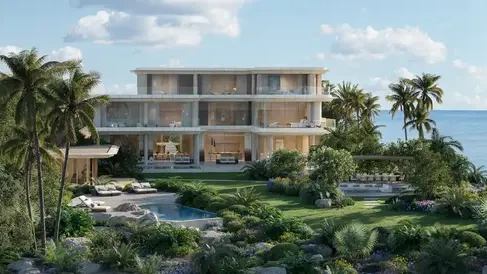
Mansions
Asora Bay Ocean Mansions by Meraas
AED 65,000,000
Jumeirah
7
41550 - 49062 Sq Ft
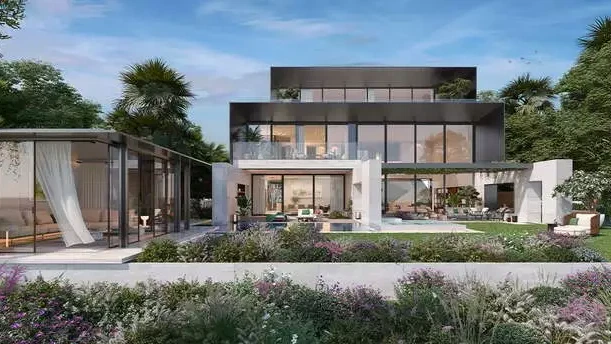
Mansions
Majid Al Futtaim Bo Monde
AED Price on Request
Tilal Al Ghaf
6 & 7
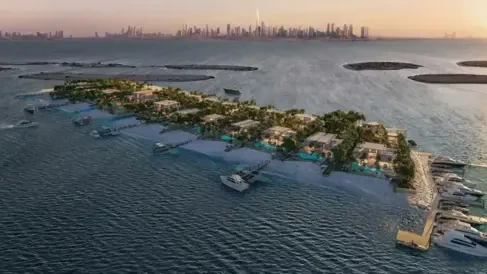
Mansions
Maldives at Damac Islands
AED Price on Request
Damac Islands
Apartments
Penthouses
The Bay Interiors by Missoni
AED 2,750,000
Dubai Islands
2, 3 & 4
1007 - 3542 Sq Ft
Apartments
Penthouses
Solaya 5 and 7 by Meraas
AED Price on Request
Jumeirah
2, 3, 4 & 5
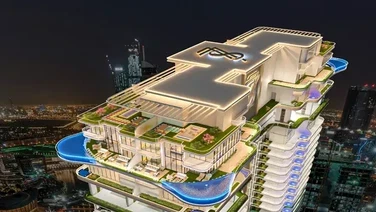
Apartments
Penthouses
77S Tower
AED Price on Request
Business Bay
1, 2, 3, 4 & 5
876 - 6500 Sq Ft
Apartments
Villas
Penthouses
Duplexes
Amali Residences
AED 14,500,000
Dubai Water Canal
2, 3, 4, 5 & 6
2880 - 21000 Sq Ft
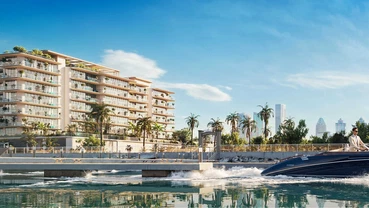
Apartments
Penthouses
Le Chateau Pietrus by Mr. Eight
AED 3,900,000
Dubai Islands
2, 3 & 4
1017 - 7008 Sq Ft
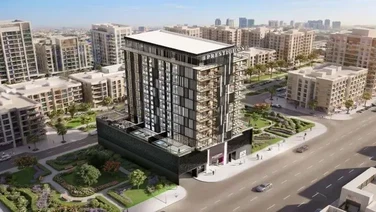
Apartments
Penthouses
Fauchon Residences by Prestige One Developments
AED Price on Request
Jumeirah Garden City
Studio, 1 & 2
1026 - 2255 Sq Ft
Apartments
Studios
The WOW Tower by Mr. Eight
AED 700,000
Dubai Land Residence Complex
Studio, 1 & 2
377 - 1461 Sq Ft
Apartments
Studios
Native Haus
AED 699,999
Jumeirah Village Triangle
Studio, 1 & 2
403 - 1035 Sq Ft
Apartments
Studios
Sorrento Lagoon Views by DAMAC
AED 689,000
Damac Lagoons
Studio & 1
Apartments
Studios
Samana Downtown One
AED 689,000
Jebel Ali
Studio, 1 & 2
Apartments
Studios
Fala by Kasco
AED Price on Request
Al Jaddaf
Studio, 1, 2 & 3
Apartments
Studios
Valore by SRG
AED 699,000
Jumeirah Village Circle
Studio, 1, 2 & 3
470 - 1805 Sq Ft
Villas
Townhouses
Bay Estate by Nakheel
AED 5,900,000
Dubai Islands
3 & 4
3054 - 11059 Sq Ft
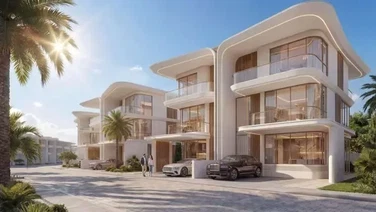
Villas
Townhouses
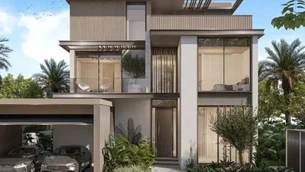
Greenz by Danube
AED 3,500,000
Academic City
3, 4 & 5
2400 - 3950 Sq Ft
Villas
Townhouses
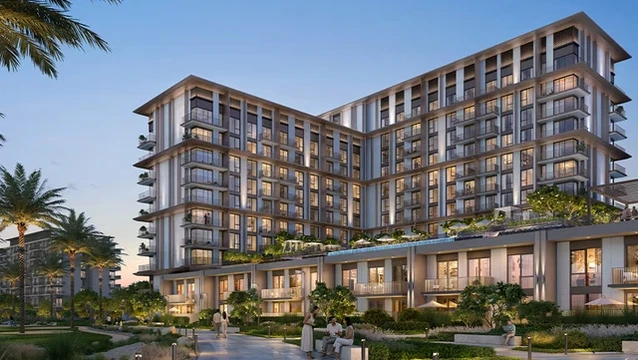
Meraas Nad Al Sheba Gardens 12
AED Price on Request
Nad Al Sheba
Apartments
Townhouses
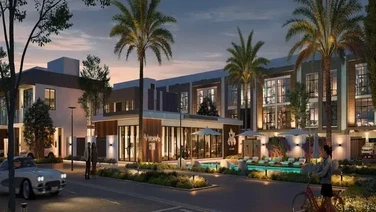
EMAAR Golf Trails
AED 1,250,000
Emaar South
1, 2 & 3
719 - 2603 Sq Ft
Townhouses
Verdana 9 Townhouses by Reportage
AED Price on Request
Dubai Investments Park
2, 3 & 4
Townhouses
Hayat 1 by Dubai South Properties
AED Price on Request
Dubai South
Villas
Townhouses
Bay Estate by Nakheel
AED 5,900,000
Dubai Islands
3 & 4
3054 - 11059 Sq Ft
Villas
Townhouses
Greenz by Danube
AED 3,500,000
Academic City
3, 4 & 5
2400 - 3950 Sq Ft
Apartments
Villas
Penthouses
Duplexes
Amali Residences
AED 14,500,000
Dubai Water Canal
2, 3, 4, 5 & 6
2880 - 21000 Sq Ft
Villas
Townhouses
Meraas Nad Al Sheba Gardens 12
AED Price on Request
Nad Al Sheba
Apartments
Villas
The Wilds 3 by Aldar
AED Price on Request
Dubailand
Villas
Fleur de Jardin Villas by AMIS
AED Price on Request
Mohammed bin Rashid City
5 & 6