Etihad Rail’s Impact on Housing Choices Across the UAE
Published :
Last Updated :
- Etihad Rail Overview: The Backbone of National Connectivity
- How Etihad Rail will Break Traditional Commuting Patterns?
- Social and Economic Impacts from Etihad Rail
- Considerations and Possible Challenges for the Future
- Closing In!
The disclosure of Etihad Rail’s full picture provides a wholesome glimpse into the UAE’s cutting-edge transport journey. This forthcoming national rail network promises not just faster trains but a fundamental shift in how residents move, live, work, and thrive.
Previously lifestyles were affected by road networks and proximity to expressways. But today, the choice of accessibility and traffic patterns will redefine the overall concept of daily commutes. Passenger services and predictable rail journeys on Etihad Rail will remodel the long constrained housing decisions affected by travel time, congestion, and adjacency to work. It will redefine the residential demand, even in districts once neglected for their long daily travel times.
Etihad Rail Overview: The Backbone of National Connectivity
1. A Critical National Asset
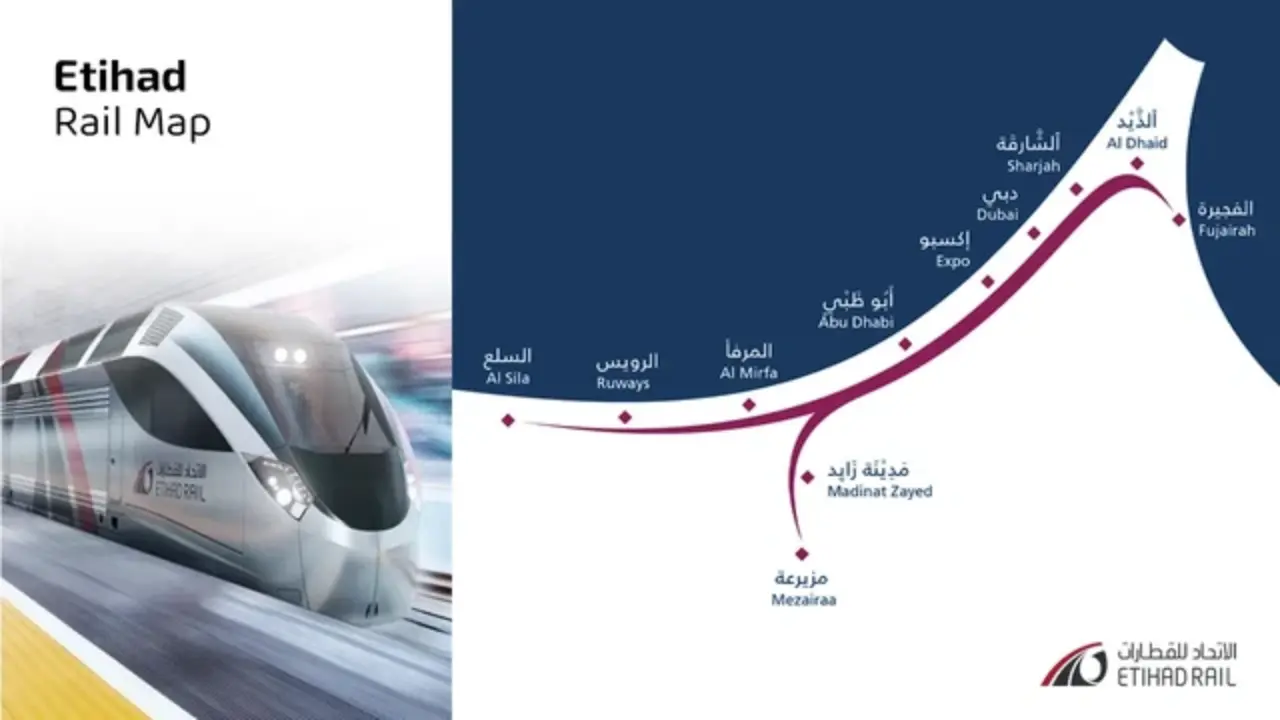
Unveiling the United Arab Emirate’s first fully integrated national passenger rail network, Etihad Rail. Primarily planned cities included Sharjah, Abu Dhabi, and Dubai but the new station list added Al Dhaid, Al Mirfa, Al Sila’, and Fujairah.
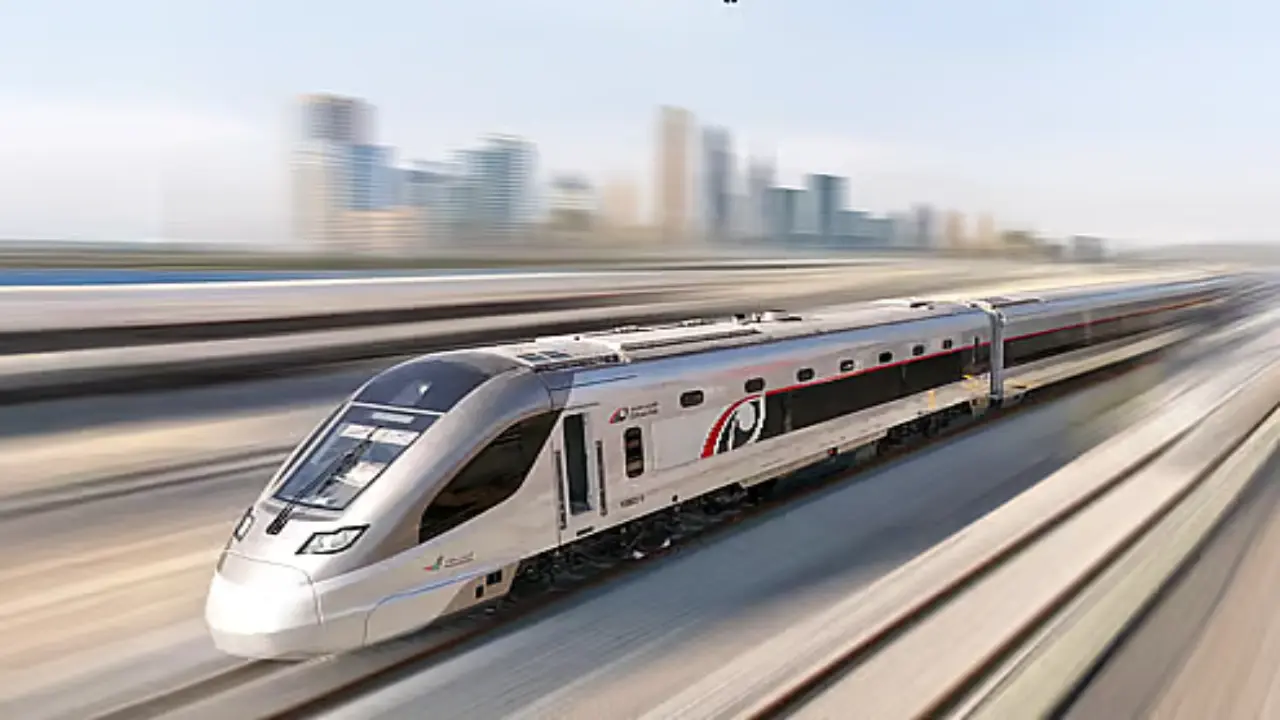
However, the success hinges on rail’s seamless integration with existing transport landscape such as taxi services, metro, and buses, but the frictional travel experience from Etihad Rail is certain. Trains will travel at speeds of up to 200 kilometers per hour, whereas ergonomic seating, internet services, and charging ports add among a multitude of passenger-comfort amenities.
Moreover, Nol Cards will be used for the ticket booking and fare payment solutions across this nationwide rail system. It will enable smooth transition of passengers across different stops, eliminating the need for multiple tickets.
2. Passenger Service Launch in 2026
Freight operations at Etihad Rail have already been underway, but passenger services are expected to open from 2026. This will not only mark a historic milestone but will bolster inter-city connectivity. The continued cooperation between the UAE and individual emirates will broaden the country’s public transport ecosystem and will reduce the road-dependent commuting.
How Etihad Rail will Break Traditional Commuting Patterns?
1. Redefined Distance, Commute Beyond Car
The relentless increase in car ownership results in busy highways, making traffic congestion a fundamental part of the UAE’s lifestyle. With the introduction of the rail network, people will find a safer and more efficient alternative. Etihad Rail ensures a congestion-free journey, not reliant on road networks and will change the baseline of practical commute.
According to Sajjad (Director of Business Development at Cavendish Maxwell), driving from Dubai to the Northern Emirates during peak hours takes approximately 1 to 2 hours. With trains moving according to the timetable, this commute time will reduce to 10 to 15 minutes of peak driving.
The profound gap between road-dependent travel time and rail-dependent travel times will ultimately remove the stress among daily commuters, making it a rational option rather than a lifestyle choice.
2. Predictability over Traffic Uncertainty
Previously, housing choices and daily life in the UAE had to be adjusted around unpredictable travel time and heavy traffic. Regions too far from infrastructure, including emirates like Umm Al Quwain, Fujairah, and Ras Al Khaimah, required longer drives from people who work in hubs like Abu Dhabi or Dubai.
The introduction of Etihad Rail made predictability over speed certain. This implies that journey’s adhered to reliable timetables offer an advantage to those who live farther from their workplaces.
Residential and Urban Impact of Rail Mobility
1. Mid-Income Families to Lead the Shift
While affluent buyers chase luxurious addresses for living, the rail-driven transport expansion is likely to make mid-income families among the first movers. This demonstrates that middle class families chasing better affordability, larger homes, and quality schools are likely to be the first to explore residences farther from city centers after rail systems start operating.
Moreover, professionals with hybrid work models will benefit from these rail connections. Individuals with a mix of remote working and office days will particularly find the expanding viable housing options convenient without sacrificing career accessibility.
2. The UAE Commuter Belt Expansion
With reliable rail services in operations, the commuter belt will expand significantly. From east coast regions like Fujairah to areas like Ras Al Khaimah and Ajman, the emirates previously classified as distant will become reachable for daily commutes. The result? Growth in real estate dynamism across the UAE as people are encouraged to live further from traditional metropolitan centers.
Developers and urban planners are already modeling community designs around rail stations. As the authorities urge for strong coordination between transport authorities, developers, and emirate-level land departments, preliminary initiatives tend to include free or reasonable shuttle services.
Analysts further illuminate on leveraging the robust history of infrastructure-led advancement for replicating future growth models throughout newly rail connected locations.
Real Estate Market Transformation
1. Soaring Property Demand and Prices
Even before the commencement of Etihad Rail’s passenger services, property markets along the rail route began to exhibit unmatched demand. For example:
- Villa prices in Al Rawda jumped by 24%
- Ajman Downtown witnessed a 32% rise in apartment prices
- Sharjah’s Al Nahda recorded a 21% surge in apartment values
- Sharjah Garden City encountered a 20% jump in villa prices
Market experts forecast the continuance of these trends with properties witnessing an expected 23 to 25 per cent increase in property values.
2. Rental Yields on the Rise
Rental markets along the Etihad route will typically react faster than sales trends. As transportation infrastructure improves and connectivity boosts appeal, rental values are expected to jump by 15%. Other areas that already witnessed a surge include:
- 10% surge in Dubai South rental prices
- 23% rise in Dubai Festival City rental prices
Rental demand is likely to remain strong as tenants chase housing near reliable public transit, which will result in drawing investors seeking yields.
3. Emergence of New Investment Corridors
According to reports by Gulf News, the transformative Etihad Rail system will bring new real estate hotspots in Dubai. Jumeirah Village Circle, Al Fujairah, Dubai Land Residence Complex, IMPZ, Dubai South, DCH, and Dubai Creek Harbour are among top locations across Dubai that will undergo tremendous increase in real estate activity.
Other rail-connected communities across the UAE are also to benefit from enhanced accessibility and affordability once passenger services become fully operational.
Social and Economic Impacts from Etihad Rail
1. Enhanced Social Connectivity
The impact is beyond housing and fosters social cohesion as travel between emirates become faster, easier, and more economical for students, families, and workers. It effectively brings the UAE population closer together, allowing residents in remote regions to gain enhanced access to healthcare, education, and employment. It unfolds new life choices for those previously depended on lengthy road trips.
2. Regional and Tourism Progress
Tourism will ultimately accelerate after Etihad Rail’s passenger services are in operation. The growth is expected to stimulate lesser-visited regions, especially in the UAE’s east coast. Local businesses and hotel operators are already strategizing partnerships and preparing shuttle services to capture expected jump in passenger flows post-launch.
3. Stimulation in Nationwide Economy & Mobility
Beyond a transport project, Etihad Rail serves as a major national growth engine. This extensive rail network will foster sustainable mobility, improve trade, boost tourism, and economic activity across the country. Annual ridership could reach 36.5 million passengers by 2030, solidifying the rail network as a key transport backbone in the UAE’s connectivity strategy.
Considerations and Possible Challenges for the Future
1. Public Perception and Infrastructure Phasing
Etihad Rail follows a phase approach, benefiting residents at different stages. For instance, early adopters in real estate may receive larger returns before the service fully rolls out. However, risks remain for those who enter the market without clarity on market trends and future prospects.
2. Last-Mile Connectivity
Though inter-city expeditions will become shorter due to Etihad Rail, the role of last-mile connectivity (walking infrastructure, feeder buses, and taxis) will remain crucial. The full potential of the rail could remain restricted without seamless links from stations to employment and residential hubs.
3. Price Adjustment Timing
Property revaluations centered around the rail network typically occur gradually. Market experts noticed that re-pricing, driven by commuting adoption and station locations, will be clearly disclosed once ticket costs and service frequency become certain.
Closing In!
Etihad Rail is set to leave an enduring legacy on UAE living. Besides a high-speed train network, it is set to emerge as a transformational force fostering future lifestyles, economic growth, and mobility throughout the country.
Moreover, the enhanced connection between inter-Emirates through passenger services will expand housing options, an advantage for investors, end-users, and nationwide real estate activity.
Previously overlooked regions are likely to witness upward demand, while mid-income families and hybrid professionals are poised to become early movers. Etihad Rail’s influence will continue beyond rising property values, broadened employment, improved connectivity, and lifestyle horizons. As commuters embrace predictable journeys over traffic uncertainty, it will remodel the way of living and working for residents in the UAE.



Your gateway to offline planning in the digital realm. Discover a world of real estate opportunities through our immersive offline property website experience
Apartments
Samana Portside
AED 1,099,000
Downtown Jebel Ali
1 & 2
Apartments
Shahrukhz Residences by Danube
AED 1,650,000
Dubai Maritime City
Studio, 1, 2 & 3
Apartments
Studios
Treppan Vision by Fakhruddin
AED Price on Request
Dubai Land Residence Complex
Studio, 1 & 2
453 - 7509 Sq Ft
Apartments
Vision Iconic by Binghatti
AED Price on Request
Meydan
1, 2, 3, 4 & 5
Apartments
Tessera by Al Ghurair Development
AED Price on Request
Dubai South
Apartments
The Weave by Al Ghurair Development
AED 1,200,000
Jumeirah Village Circle
1, 2 & 3
776 - 2221 Sq Ft

Apartments
Samana Portside 2
AED Price on Request
Downtown Jebel Ali
Studio, 1 & 2
Apartments
Shahrukhz Residences by Danube
AED 1,650,000
Dubai Maritime City
Studio, 1, 2 & 3
Apartments
Samana Portside
AED 1,099,000
Downtown Jebel Ali
1 & 2
Apartments
Studios
Treppan Vision by Fakhruddin
AED Price on Request
Dubai Land Residence Complex
Studio, 1 & 2
453 - 7509 Sq Ft
Apartments
Vision Iconic by Binghatti
AED Price on Request
Meydan
1, 2, 3, 4 & 5
Apartments
Aris by Grid
AED Price on Request
Dubai South
Studio, 1 & 2
Commercial
O1NE District Dawn by Avenew
AED Price on Request
Motor City
Commercial
Piazza Roma by DAMAC
AED Price on Request
Damac Lagoons
Commercial
Burj Capital Phase 3 by Centurion Properties
AED Price on Request
Business Bay

Apartments
Commercial
Penthouses
The Symphony by Imtiaz
AED 2,000,000
Meydan
1, 2 & 3
640 - 4244
Apartments
Commercial
Sol Luxe Tower
AED 1,900,000
Sheikh Zayed Road
1, 2 & 3
Apartments
Commercial
DAMAC District
AED 1,142,000
Damac hills
1 & 2
740 - 6588 Sq Ft
Apartments
Duplexes
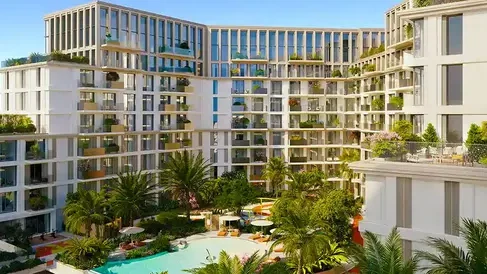
Rabdan Avenue
AED 1,300,000
Meydan
1, 2 & 3
687 - 2937 Sq Ft
Apartments
Duplexes
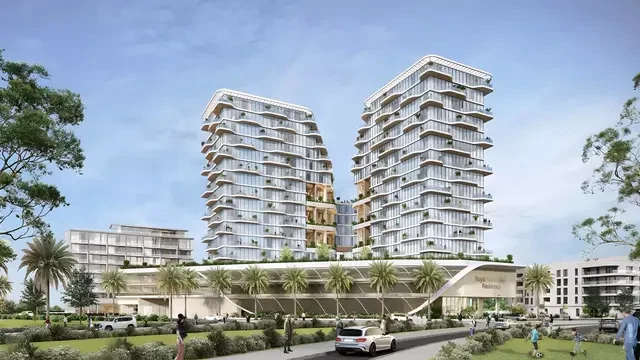
Modo at Avenew 888
AED Price on Request
Dubai South
1, 2 & 3
Apartments
Duplexes
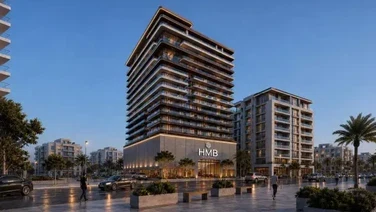
Royal Yacht Club Residence by Azimuth Development
AED Price on Request
Dubai Islands
1, 2, 3 & 4
720 - 3909 Sq Ft
Apartments
Studios
Duplexes
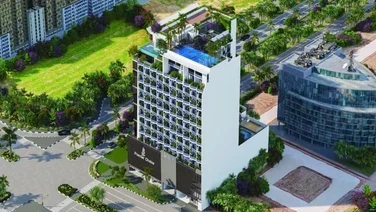
Beverly Crown by HMB Homes
AED 680,000
Jumeirah Village Circle
Studio, 1 & 2
438 - 2321 Sq Ft
Apartments
Duplexes
Gateway Residences by Premier Choice
AED 1,164,000
Jumeirah Village Circle
1, 2 & 3
748 - 2352 Sq Ft
Apartments
Villas
Penthouses
Duplexes
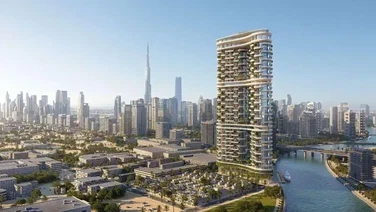
Amali Residences
AED 14,500,000
Dubai Water Canal
2, 3, 4, 5 & 6
2880 - 21000 Sq Ft
Apartments
Penthouses
Mansions
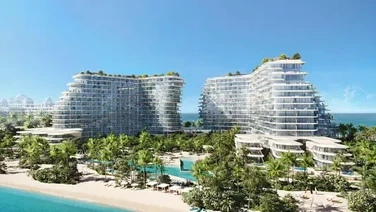
Bella by Passo
AED Price on Request
Palm Jumeirah
1, 2, 3, 4, 5 & 6
1541 - 12382 Sq Ft
Villas
Mansions
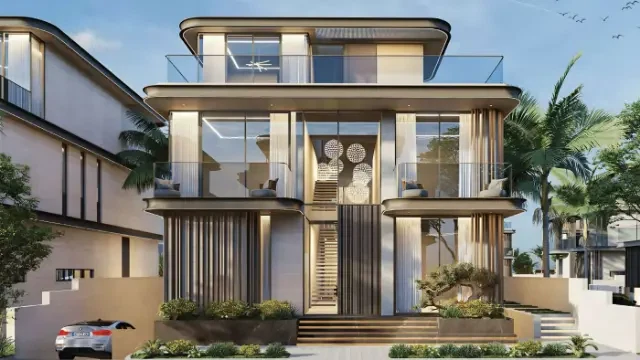
Wellington Grand Villas
AED 20,000,000
Mohammed bin Rashid City
5 & 6
13,007 - 13,568 Sq Ft
Apartments
Penthouses
Mansions
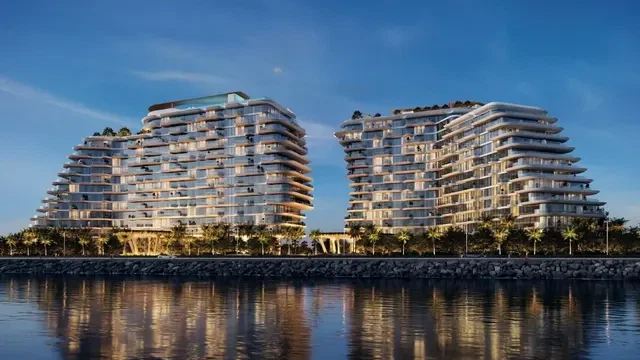
Passo by Beyond
AED 5,500,000
Palm Jumeirah
1, 2, 3, 4, 5 & 6
940 - 11830 Sq Ft
Mansions
Asora Bay Ocean Mansions by Meraas
AED 65,000,000
Jumeirah
7
41550 - 49062 Sq Ft
Mansions
Majid Al Futtaim Bo Monde
AED Price on Request
Tilal Al Ghaf
6 & 7
Mansions
Maldives at Damac Islands
AED Price on Request
Damac Islands
Apartments
Penthouses
77S Tower
AED Price on Request
Business Bay
1, 2, 3, 4 & 5
876 - 6500 Sq Ft
Apartments
Villas
Penthouses
Duplexes
Amali Residences
AED 14,500,000
Dubai Water Canal
2, 3, 4, 5 & 6
2880 - 21000 Sq Ft
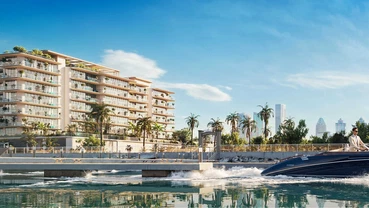
Apartments
Penthouses
Le Chateau Pietrus by Mr. Eight
AED 3,900,000
Dubai Islands
2, 3 & 4
1017 - 7008 Sq Ft
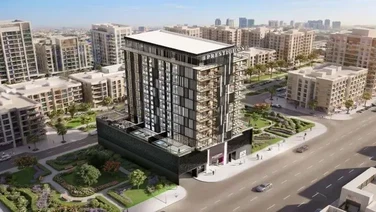
Apartments
Penthouses
Fauchon Residences by Prestige One Developments
AED Price on Request
Jumeirah Garden City
Studio, 1 & 2
1026 - 2255 Sq Ft
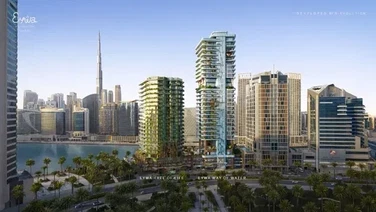
Apartments
Penthouses
Duplexes
Eywa Way of Water by R.Evolution
AED 9,000,000
Business Bay
2, 3, 4 & 5
2154 - 22900 Sq Ft
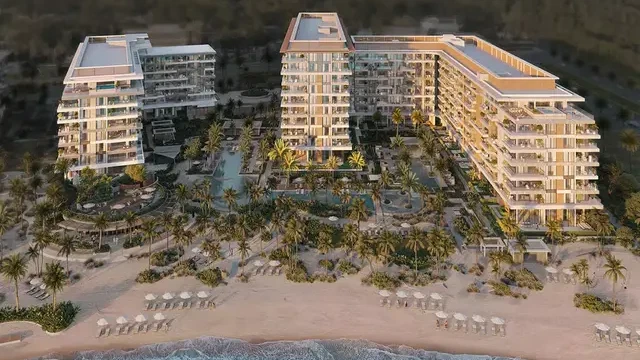
Apartments
Penthouses
Duplexes
Ellington Sands 2
AED Price on Request
Dubai Islands
1, 2, 3 & 4
800 - 5964 Sq Ft
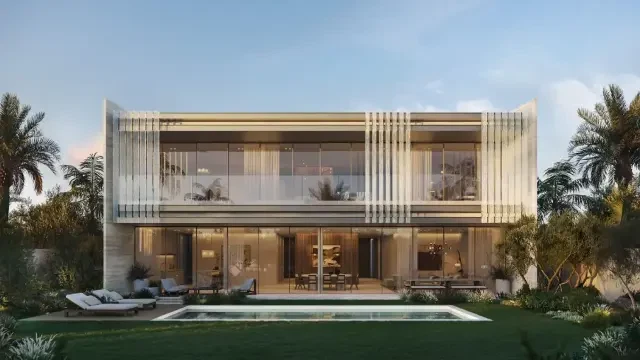
Apartments
Studios
Treppan Vision by Fakhruddin
AED Price on Request
Dubai Land Residence Complex
Studio, 1 & 2
453 - 7509 Sq Ft
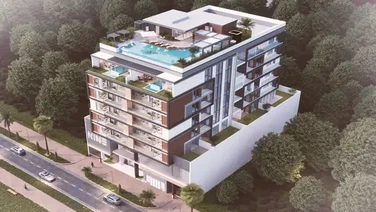
Apartments
Studios
One by Nine
AED Price on Request
Nad Al Sheba
Studio, 1 & 2
563 - 1069 Sq Ft
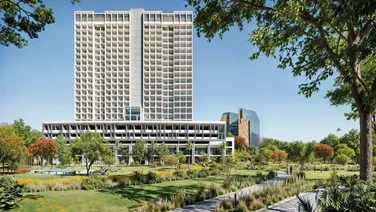
Apartments
Studios
11 Hills Park by TownX
AED 675,000
Dubai Science Park
Studio & 1
474 - 831 Sq Ft

Apartments
Studios
Kore by Imtiaz
AED 679,000
Dubai Land Residence Complex
Studio, 1, 2 & 3
406 - 1406 Sq Ft
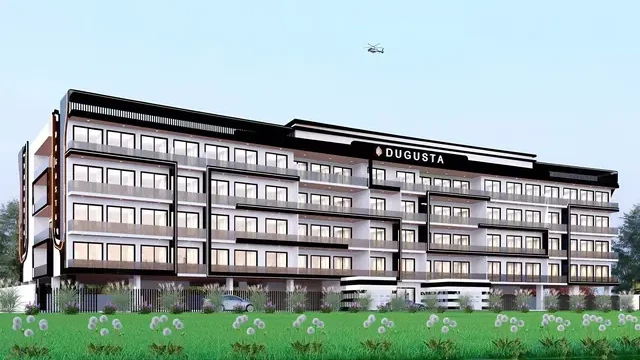
Apartments
Studios
Astra Residences by Dugasta Properties
AED Price on Request
Dubai South
Studio, 1 & 2
349 - 1792 Sq Ft
Apartments
Studios
Oasis Residences by Al Helal Al Zahaby
AED 590,000
Dubai South
Studio, 1, 2 & 3
427 - 1992 Sq Ft
Villas
Townhouses
Bay Estate by Nakheel
AED 5,900,000
Dubai Islands
3 & 4
3054 - 11059 Sq Ft
Villas
Townhouses
Greenz by Danube
AED 3,500,000
Academic City
3, 4 & 5
2400 - 3950 Sq Ft
Villas
Townhouses
Meraas Nad Al Sheba Gardens 12
AED Price on Request
Nad Al Sheba
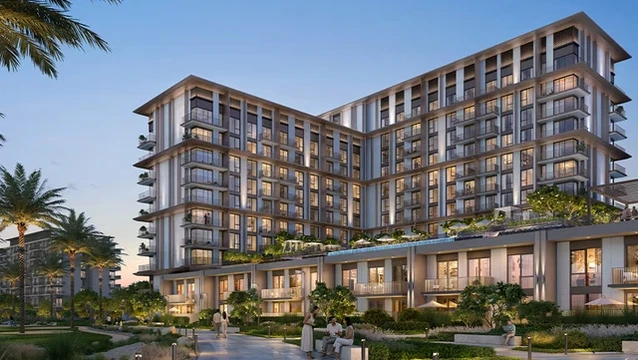
Apartments
Townhouses
EMAAR Golf Trails
AED 1,250,000
Emaar South
1, 2 & 3
719 - 2603 Sq Ft
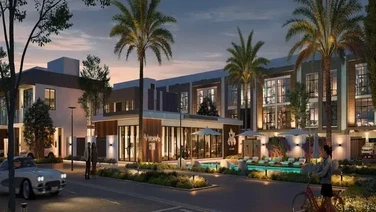
Townhouses
Verdana 9 Townhouses by Reportage
AED Price on Request
Dubai Investments Park
2, 3 & 4
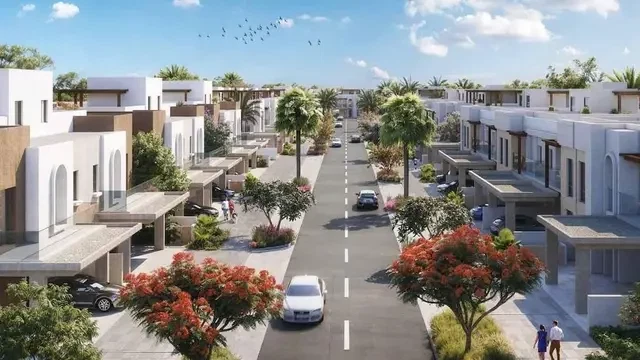
Townhouses
Hayat 1 by Dubai South Properties
AED Price on Request
Dubai South
Villas
Townhouses
Bay Estate by Nakheel
AED 5,900,000
Dubai Islands
3 & 4
3054 - 11059 Sq Ft
Villas
Townhouses
Greenz by Danube
AED 3,500,000
Academic City
3, 4 & 5
2400 - 3950 Sq Ft
Apartments
Villas
Penthouses
Duplexes
Amali Residences
AED 14,500,000
Dubai Water Canal
2, 3, 4, 5 & 6
2880 - 21000 Sq Ft
Villas
Townhouses
Meraas Nad Al Sheba Gardens 12
AED Price on Request
Nad Al Sheba
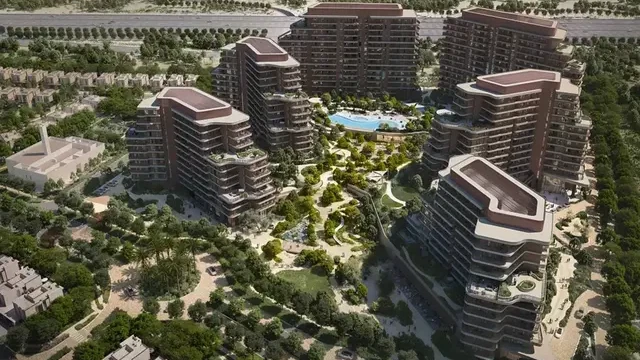
Apartments
Villas
The Wilds 3 by Aldar
AED Price on Request
Dubailand
Villas
Lunaya by Zaya
AED 4,900,000
Jebel Ali
4 & 5
2966 - 8231 Sq Ft