
Mortgage Eligibility in Dubai (2026): What Buyers & Investors Should Know
Published :
Last Updated :
- What does Mortgage Eligibility mean in Dubai?
- Closing In!
Been desiring an ownership in Dubai and thinking, “what is my maximum borrowing capacity in Dubai?” Sure buying property in Dubai is an unrivaled opportunity for both global investors and local Emiratis, but understanding the LTV ratio for mortgage is a preliminary strategy.
Strict affordability regulations, debt thresholds, and down payment caps are set by authorities regarding mortgage approvals in the UAE. For those considering a financial commitment in 2026 must be aware of a comprehensive eligibility criteria that revolves around employment stability, credit profile, liabilities, and property value.
Below we have explained how banks in Dubai calculate mortgage amounts in accordance with separate rules for the UAE nationals and expats. The guide also uncovers the methods for evaluating your borrowing capacity through verified platforms.
What does Mortgage Eligibility mean in Dubai?

Mortgage eligibility in Dubai refers to the maximum loan amount a bank will offer in the light of regulatory limits set by the UAE Central Bank. It determines the borrower’s level of financial strength and varies by debt burden and loan-to-value (LTV) ratios.
Unlike property landscapes in global markets, the United Arab Emirates implements stringent lending caps to boost financial stability and enhance responsible borrowing. These rules apply differently to the expat community and UAE nationals.
Key Distinction
- Affordability – Determines the amount a mortgagor can comfortably repay without financial stress.
- Eligibility – Determines the amount the bank is willing to lend
Factors Determining the Mortgage Eligibility in Dubai
What is my eligible mortgage amount is determined by several factors as mandated under the UAE Central Bank regulations. Key factors include:
1. The Monthly Income
Lenders have restricted borrowing in Dubai to a maximum of seven times annual income, which means limitation to a maximum of 84 months of yearly income.
Key Requirements for Self-Employed Mortgage Applicants
Most UAE banks scrutinize self-employed applicants by:
- Audited Financial Statements – Self-employed applicants are required to submit two to three years of financial statements, proving business stability and profitability.
- Business Bank Statements – Requires at least six to twelve months statements, testifying a robust cash flow and regular income.
- Valid Trade License – To demonstrate the legal registration of borrower’s business.
- Personal Bank Statements – To show the potential of managing personal finances.
- Minimum Business Age – Businesses operating for over two years may typically qualify for mortgage in Dubai.
Key Requirements for Salaried Mortgage Applicants
Though a fixed monthly income makes approvals smoother, certain factors are considerable among salaried individuals to understand mortgage eligibility.
- Minimum Salary: Expats looking for a home loan in Dubai must earn a minimum of AED 10,000 to AED 15,000 per month.
- Debt-To-Income Ratio: Most lenders consider up to 50% of your salary for loan repayment.
Note: Additional earnings like commissions and rental income may be included in the eligibility criteria for.
2. Debt Burden Ratio
Lenders use the DBR as a critical threshold for determining mortgage eligibility.
What is DBR?
It is a financial metric used to calculate the percentage of your monthly income used to pay all debts, including the new mortgage.
Formula
Individuals can calculate their debt burden ratio before proceeding to the bank through:
(Total Monthly Debt Payments / Total Monthly Income) x 100
Regulatory Limit
The debt of the borrower must not exceed 50% of their monthly income, as stated by the UAE Central Bank.
Why It Matters
- Individuals with debt-burden ratio lower than 50% are eligible for more finance.
- Exceeding DBR limits will reduce the eligible loan amount even if your income is high.
3. Loan-to-Value Ratio (LTV)
This metric simply determines the amount of property value the bank will finance. For expats and UAE nationals, “how much you can borrow” rule differs:
For Expats
In Dubai’s dynamic property landscape, expats must keep in mind following consideration when seeking financing for real estate ownership.
- 70% financing can be expected if the property is valued above AED 5,000,000.
- 80% financing is anticipated on properties valued below AED 5,000,000.
- 60% financing can be expected by expats on second houses or investment property. link
For UAE Nationals
- 85% financial support is expected to be secured on properties valued below AED 5,000,000.
- 75% arrangement of financing is anticipated on properties valued above AED 5,000,000.
- 65% financing is anticipated on second houses or investment properties.
For Off-Plan Purchases
Both UAE nationals and expatriates can expect 50% financing on off-plan properties due to its higher risk of handover and long development process.
4. Credit Score
It is a three digit number that ranges between 300 and 900 and is typically managed and maintained by the Al Etihad Credit Bureau. Following categories that demonstrate mortgage eligibility in Dubai include:
- Poor Score – Below 550
- Average Score – Ranges from 550 to 649
- Good Score – Falls between 650 and 749
- Excellent Score – 750 or above
The standard credit score for acquiring a mortgage in the UAE is 620, however several banks in Dubai may require higher scores on larger loan amounts or from foreign investors.
5. Interest Rate in Dubai
Emirates Interbank Offered Rate (EIBOR) is typically used as a benchmark for mortgage rates in Dubai.
- Interest rate may vary from 3.99 to 5.25 percent, depending on the mortgage interest rate structure.
- Lower interest rates reduce financial burden, whereas higher interest rates result in higher monthly repayments.
- Affordability is largely affected even through a slight change in interest rate.
6. Loan Tenure and Age Limit for Mortgage Eligibility in Dubai
The Central Bank UAE has also specified the loan tenor for mortgaged properties. While longer tenure reduces monthly installment amount and increases eligibility chances, total interest paid generally increases in such cases.
- Standard Limit – The maximum term of loan is 25 years.
- Age Cap – Maximum repayment age for self-employed borrowers is capped at 70 years and 65 years for salaried borrowers. link
How Banks Actually Calculate Mortgage Eligibility

Banks in Dubai leverage a structured affordability model for the evaluation of mortgage eligibility that combines interest rates, DBR, and income.
- As per DBR rule, the maximum EMI allowed is 50% of borrower’s income.
- The bank calculates loan amounts based on EMI.
Example Scenario of Mortgage Eligibility in Dubai
Let’s break it down:
- Monthly Salary – AED 20,000
- Maximum DBR – 50%
- Available EMI – AED 10,000
- Loan Tenure – 25 years
- Interest Rate – 5%
Based on the integrated metrics, the estimated mortgage eligibility floats around AED 1,600,000 to AED 1,800,000.
Additional Costs to Consider
Upfront costs tied to property ownership affect affordability even if you qualify for a loan. Factor in these costs before finalizing a property purchase in Dubai.
- Down Payment – Starts from a minimum of 20% for expatriates and is not financeable
- Property Valuation Fee – It is approximately AED 2,500 to AED 3,000
- Mortgage Registration Fee – Takes up to 0.25% of loan amount
- DLD Fee – Comprises 4% of property value
- Bank Arrangement Fee – Typically 1% of loan amount along with 5% VAT
Eligibility Differences for Mortgage Approvals: UAE Nationals vs. Expats
For UAE Nationals
- More flexible lending conditions
- Higher LTV limits
- Access to government-backed schemes
For Expats
- Strict employment verification
- High down payment
- Lower LTV
- Detailed proof of income
How to Increase Mortgage Eligibility in Dubai
1. Reduce Existing Liabilities
Debt-burden ratios can be improved by lowering credit card balances and personal loans, which ensure eligibility for larger loans.
2. Improvement in Credit Score
Avoid late payments and pay off credit debts to maintain a strong credit score before applying for a mortgage.
3. Selection of Right Bank and Mortgage Product
Dubai is home to top international banks and provides varying options for mortgage eligibility.
4. Increase the Down Payment
Paying higher payment upfront means reduced risk for the lender and more approval chances for the borrower in addition with the benefit of loan size flexibility.
5. Opt for a Longer Loan Term
Extensive tenures result in minimal monthly strain and enables borrowers to qualify for larger loan amounts.
Common Mistakes that Reduce Mortgage Eligibility
- Underestimating Hidden Costs: The overall financial plan substantially disrupts when mortgagor focuses only on listed property prices and avoids factoring in associated fee.
- Overlooking DBR Limits: Most mortgage applicants ignore the 50% rule, which leads to instant rejection of applications.
- Not Getting Pre-Approval: Crucial for budget clarification and for strengthened position when negotiating property deals.
- Applying with Poor Credit Score: Even minor defaults can negatively impact approval chances for mortgage in Dubai’s stricter lending system.
Top Mortgage Calculator Tools in Dubai
- MortgageFinder.ae
- YallaCompare
- Kredium.ae
- EMAAR Mortgage Calculator
Closing In!
Mortgage eligibility in Dubai is shaped by a highly regulated system, tailored to ensure financial sustainability for borrowers. Multiple factors are involved in determining how much you can borrow, but assessing your long-term financial goals and true affordability is the smartest approach to follow.
With in-depth understanding of mortgage rules by the UAE Central Bank and utilizing credible tools, buyers can plan a property purchase with confidence. This improves chances of securing a mortgage that aligns both with your investment strategy and budget.




Your gateway to offline planning in the digital realm. Discover a world of real estate opportunities through our immersive offline property website experience
Apartments
Studios
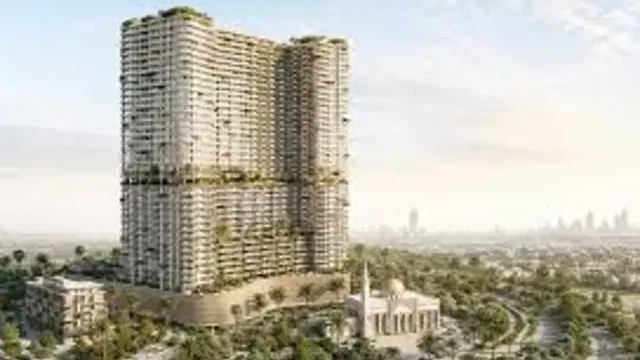
The WOW Tower by Mr. Eight
AED 700,000
Dubai Land Residence Complex
Studio, 1 & 2
377 - 1461 Sq Ft

Apartments
Studios
Native Haus
AED 699,999
Jumeirah Village Triangle
Studio, 1 & 2
403 - 1035 Sq Ft
Apartments
Studios
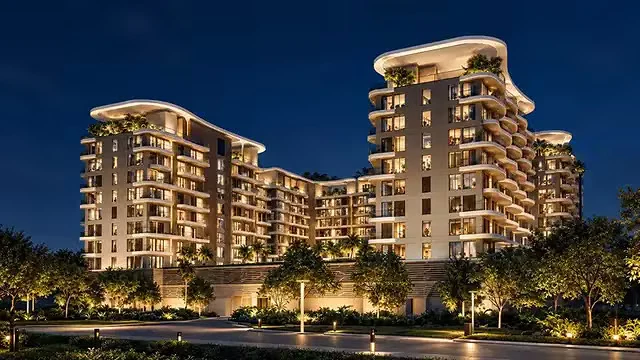
Sorrento Lagoon Views by DAMAC
AED 689,000
Damac Lagoons
Studio & 1
Apartments
Studios
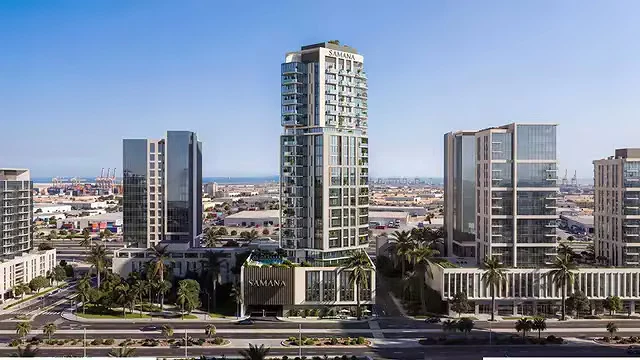
Samana Downtown One
AED 689,000
Jebel Ali
Studio, 1 & 2
Apartments
Penthouses
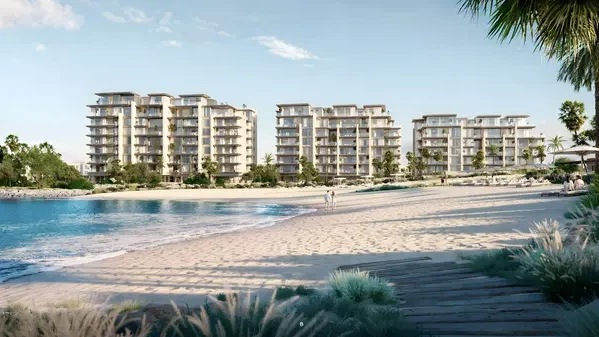
Solaya 5 and 7 by Meraas
AED Price on Request
Jumeirah
2, 3, 4 & 5

Apartments
Penthouses
The Bay Interiors by Missoni
AED 2,750,000
Dubai Islands
2, 3 & 4
1007 - 3542 Sq Ft
Apartments
Studios
The WOW Tower by Mr. Eight
AED 700,000
Dubai Land Residence Complex
Studio, 1 & 2
377 - 1461 Sq Ft
Apartments
Studios
Native Haus
AED 699,999
Jumeirah Village Triangle
Studio, 1 & 2
403 - 1035 Sq Ft
Apartments
Studios
Sorrento Lagoon Views by DAMAC
AED 689,000
Damac Lagoons
Studio & 1
Apartments
Penthouses
Solaya 5 and 7 by Meraas
AED Price on Request
Jumeirah
2, 3, 4 & 5
Apartments
Penthouses
The Bay Interiors by Missoni
AED 2,750,000
Dubai Islands
2, 3 & 4
1007 - 3542 Sq Ft
Apartments
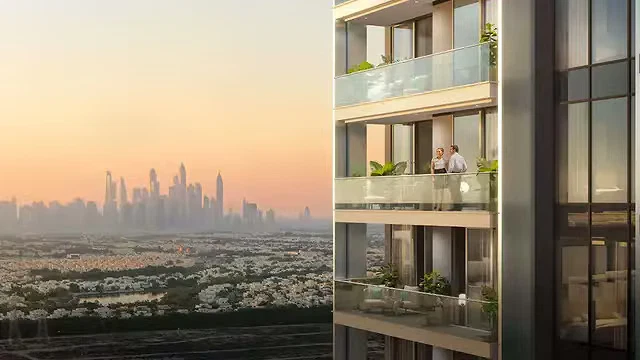
Object 1 Lum1nar Towers
AED Price on Request
Jumeirah Village Triangle
Studio, 1, 2 & 3
355 - 1983 Sq Ft

Commercial
O1NE District Dawn by Avenew
AED Price on Request
Motor City

Commercial
Piazza Roma by DAMAC
AED Price on Request
Damac Lagoons

Commercial
Burj Capital Phase 3 by Centurion Properties
AED Price on Request
Business Bay

Apartments
Commercial
Penthouses
The Symphony by Imtiaz
AED 2,000,000
Meydan
1, 2 & 3
640 - 4244

Apartments
Commercial
Sol Luxe Tower
AED 1,900,000
Sheikh Zayed Road
1, 2 & 3
Apartments
Commercial
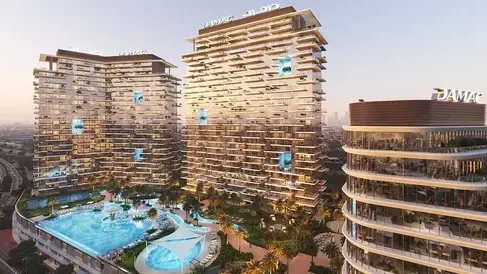
DAMAC District
AED 1,142,000
Damac hills
1 & 2
740 - 6588 Sq Ft
Apartments
Duplexes
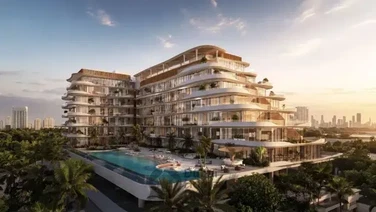
Rabdan Avenue
AED 1,300,000
Meydan
1, 2 & 3
687 - 2937 Sq Ft
Apartments
Duplexes
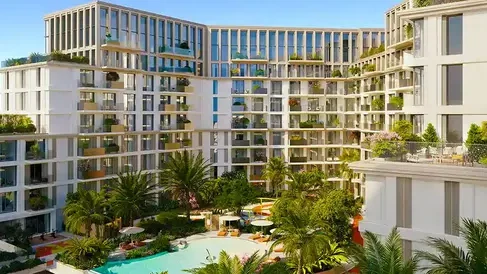
Modo at Avenew 888
AED Price on Request
Dubai South
1, 2 & 3
Apartments
Duplexes
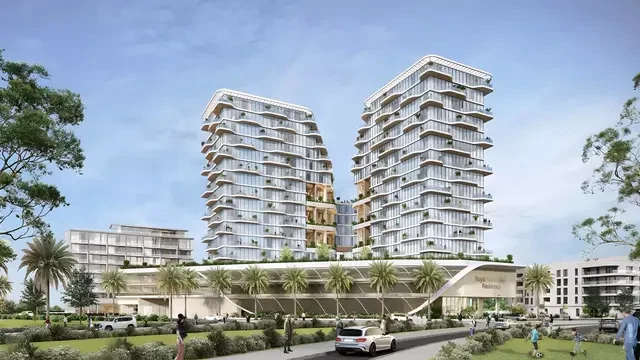
Royal Yacht Club Residence by Azimuth Development
AED Price on Request
Dubai Islands
1, 2, 3 & 4
720 - 3909 Sq Ft
Apartments
Studios
Duplexes
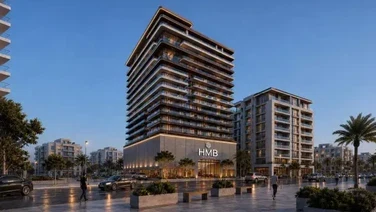
Beverly Crown by HMB Homes
AED 680,000
Jumeirah Village Circle
Studio, 1 & 2
438 - 2321 Sq Ft
Apartments
Duplexes
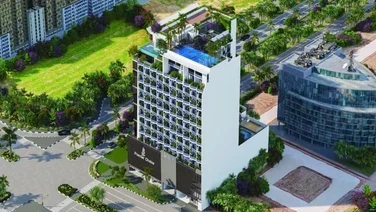
Gateway Residences by Premier Choice
AED 1,164,000
Jumeirah Village Circle
1, 2 & 3
748 - 2352 Sq Ft
Apartments
Villas
Penthouses
Duplexes
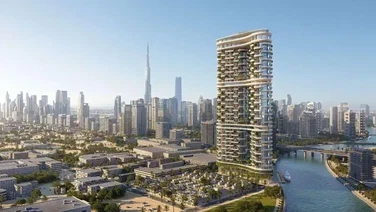
Amali Residences
AED 14,500,000
Dubai Water Canal
2, 3, 4, 5 & 6
2880 - 21000 Sq Ft
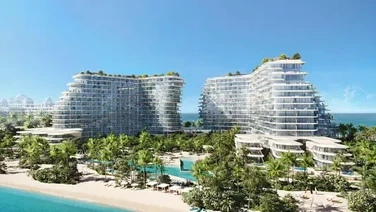
Apartments
Penthouses
Mansions
Bella by Passo
AED Price on Request
Palm Jumeirah
1, 2, 3, 4, 5 & 6
1541 - 12382 Sq Ft
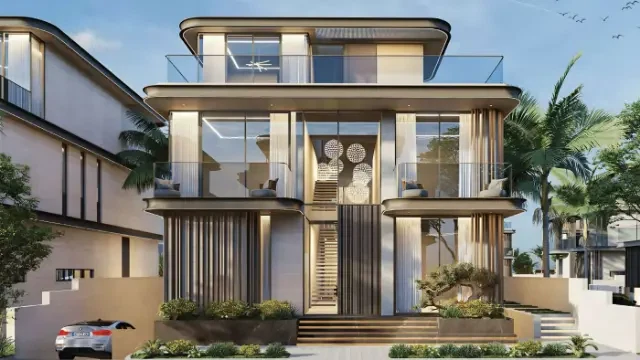
Villas
Mansions
Wellington Grand Villas
AED 20,000,000
Mohammed bin Rashid City
5 & 6
13,007 - 13,568 Sq Ft
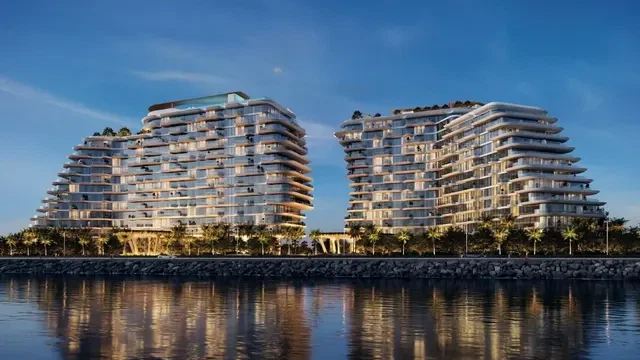
Apartments
Penthouses
Mansions
Passo by Beyond
AED 5,500,000
Palm Jumeirah
1, 2, 3, 4, 5 & 6
940 - 11830 Sq Ft

Mansions
Asora Bay Ocean Mansions by Meraas
AED 65,000,000
Jumeirah
7
41550 - 49062 Sq Ft
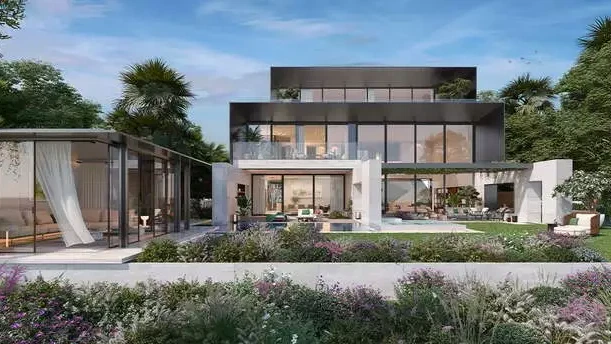
Mansions
Majid Al Futtaim Bo Monde
AED Price on Request
Tilal Al Ghaf
6 & 7

Mansions
Maldives at Damac Islands
AED Price on Request
Damac Islands
Apartments
Penthouses
The Bay Interiors by Missoni
AED 2,750,000
Dubai Islands
2, 3 & 4
1007 - 3542 Sq Ft
Apartments
Penthouses
Solaya 5 and 7 by Meraas
AED Price on Request
Jumeirah
2, 3, 4 & 5
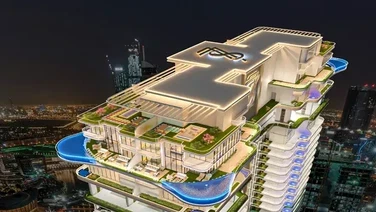
Apartments
Penthouses
77S Tower
AED Price on Request
Business Bay
1, 2, 3, 4 & 5
876 - 6500 Sq Ft
Apartments
Villas
Penthouses
Duplexes
Amali Residences
AED 14,500,000
Dubai Water Canal
2, 3, 4, 5 & 6
2880 - 21000 Sq Ft
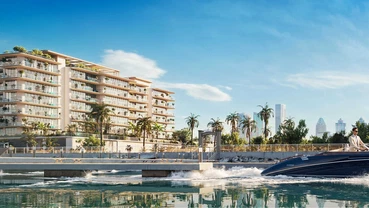
Apartments
Penthouses
Le Chateau Pietrus by Mr. Eight
AED 3,900,000
Dubai Islands
2, 3 & 4
1017 - 7008 Sq Ft
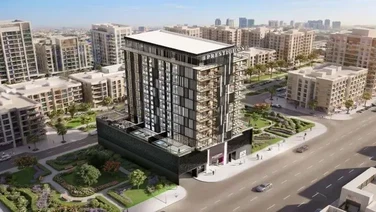
Apartments
Penthouses
Fauchon Residences by Prestige One Developments
AED Price on Request
Jumeirah Garden City
Studio, 1 & 2
1026 - 2255 Sq Ft
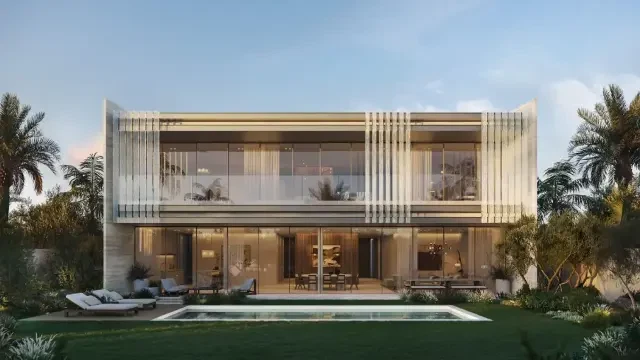
Apartments
Studios
The WOW Tower by Mr. Eight
AED 700,000
Dubai Land Residence Complex
Studio, 1 & 2
377 - 1461 Sq Ft
Apartments
Studios
Native Haus
AED 699,999
Jumeirah Village Triangle
Studio, 1 & 2
403 - 1035 Sq Ft
Apartments
Studios
Sorrento Lagoon Views by DAMAC
AED 689,000
Damac Lagoons
Studio & 1
Apartments
Studios
Samana Downtown One
AED 689,000
Jebel Ali
Studio, 1 & 2
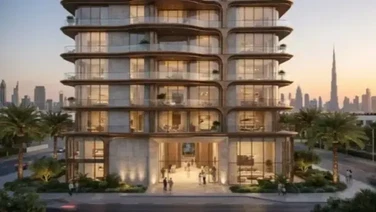
Apartments
Studios
Fala by Kasco
AED Price on Request
Al Jaddaf
Studio, 1, 2 & 3
Apartments
Studios
Valore by SRG
AED 699,000
Jumeirah Village Circle
Studio, 1, 2 & 3
470 - 1805 Sq Ft
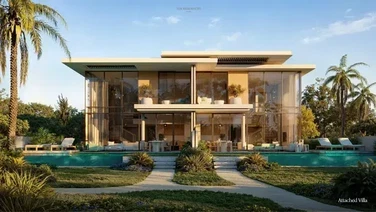
Villas
Townhouses
Bay Estate by Nakheel
AED 5,900,000
Dubai Islands
3 & 4
3054 - 11059 Sq Ft
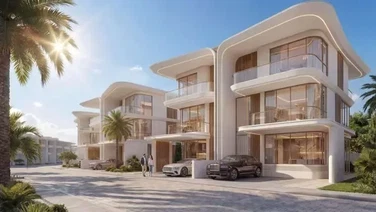
Villas
Townhouses
Greenz by Danube
AED 3,500,000
Academic City
3, 4 & 5
2400 - 3950 Sq Ft
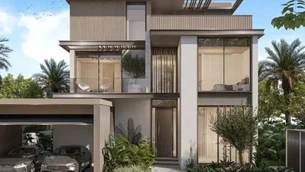
Villas
Townhouses
Meraas Nad Al Sheba Gardens 12
AED Price on Request
Nad Al Sheba
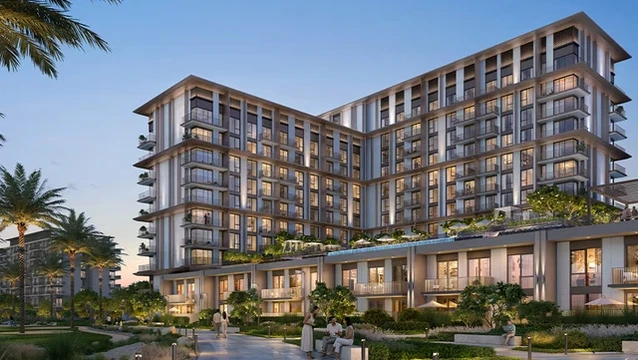
Apartments
Townhouses
EMAAR Golf Trails
AED 1,250,000
Emaar South
1, 2 & 3
719 - 2603 Sq Ft

Townhouses
Verdana 9 Townhouses by Reportage
AED Price on Request
Dubai Investments Park
2, 3 & 4
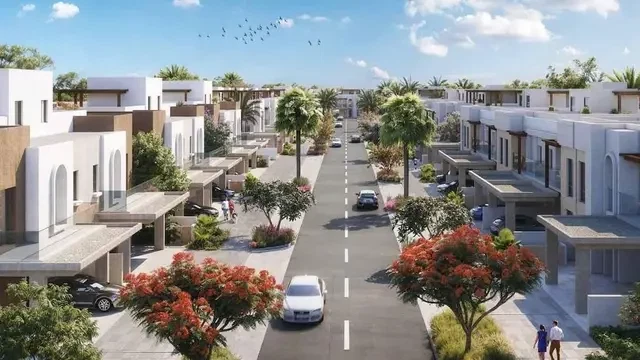
Townhouses
Hayat 1 by Dubai South Properties
AED Price on Request
Dubai South
Villas
Townhouses
Bay Estate by Nakheel
AED 5,900,000
Dubai Islands
3 & 4
3054 - 11059 Sq Ft
Villas
Townhouses
Greenz by Danube
AED 3,500,000
Academic City
3, 4 & 5
2400 - 3950 Sq Ft
Apartments
Villas
Penthouses
Duplexes
Amali Residences
AED 14,500,000
Dubai Water Canal
2, 3, 4, 5 & 6
2880 - 21000 Sq Ft
Villas
Townhouses
Meraas Nad Al Sheba Gardens 12
AED Price on Request
Nad Al Sheba
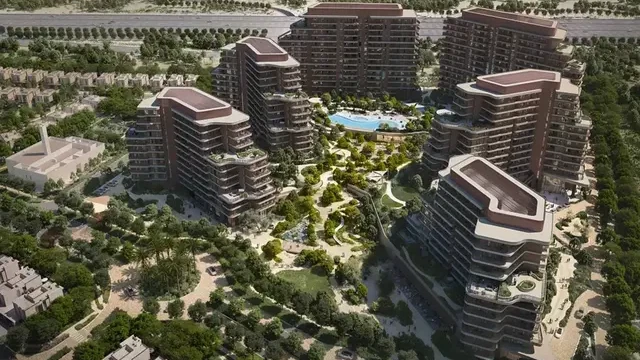
Apartments
Villas
The Wilds 3 by Aldar
AED Price on Request
Dubailand
Villas
Fleur de Jardin Villas by AMIS
AED Price on Request
Mohammed bin Rashid City
5 & 6