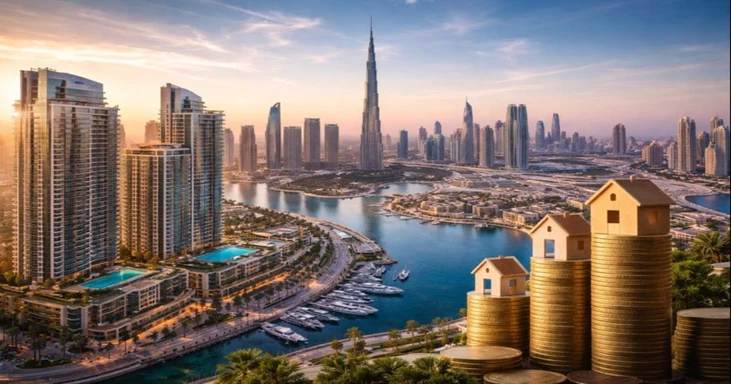
Renting vs Buying Property in Dubai 2026: What Expats Must Know
Published :
Last Updated :
- An Outlook on 2026 Dubai Property Landscape
- Real Costs of Buying a Property in Dubai
- Closing In!
The rent-versus-ownership analysis is one of the most critical investment decisions for investors and property owners in Dubai. As the market entered in its mature phase of 2026 after a record-setting drive in sales value and volume, the evaluation for a strategic financial move has become a necessity.
With property prices surging by 18 to 22 percent and 5.5 to 8.5 percent average rental yields brilliantly outpacing global property markets, Dubai continues to stand out for its strong performance forecasted for 2026 and beyond.
Explore this guide to get a detailed insight on renting vs. buying in Dubai in 2026 significant for long-term financial considerations.
An Outlook on 2026 Dubai Property Landscape
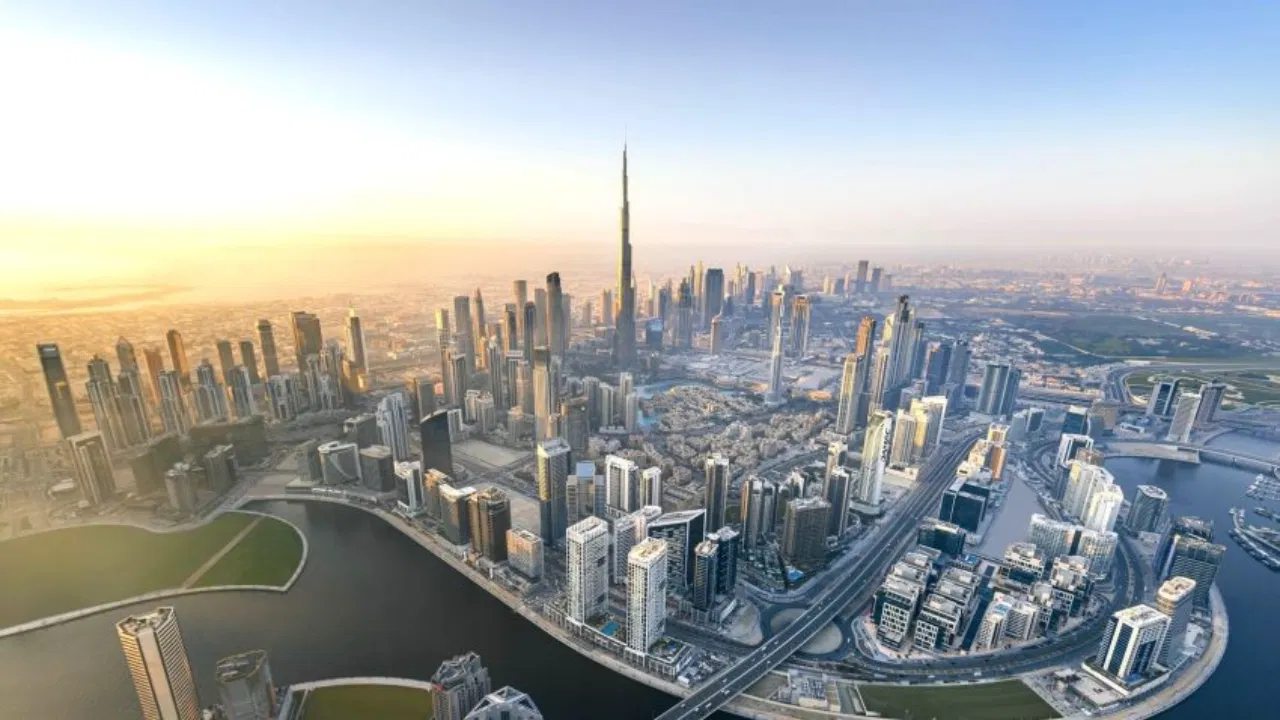
Reports from ValuStrat and DLD confirm elevated transaction volumes throughout all the quarters of 2025. Approximately 60-65 percent of deals were reported from off-plan segments, resulting in the yearly peak in the city’s history.
Regardless of numerous predictions for price correction in the market, Dubai began the year 2026 with positive trajectory and record-breaking dynamics. This positions the emirate into a sustained growth period after it witnessed a downturn between 2015 and 2020.
However with the accelerating demand, the buyers have now become more selective. This draws developers to focus more on end-user appeal instead of launch-centered momentum.
Amidst the evolving market dynamics, Khaleej Times reported an expected increase in rental prices. The moderate shift around 6 percent in 2026 pushes the city toward a stable transition phase after consecutive years of unparalleled rent growth.
Average Rental Prices across Dubai Communities
Residents evaluating whether to rent or buy in Dubai are required to understand rental prices. Rental costs vary significantly across the city as Dubai embraces a diversity of communities, property types, and lifestyle choices.
Access average apartment rents in key Dubai areas in the table below to understand the different between prices:
| Community | 1-Bedroom | 2-Bedroom | 3-Bedroom |
|---|---|---|---|
| Jumeirah Lake Towers | AED 86,000 | AED 140,000 | AED 145,000 |
| Business Bay | AED 89,000 | AED 132,000 | AED 205,000 |
| Jumeirah Village Circle | AED 75,000 | AED 170,000 | AED 230,000 |
| Downtown Dubai | AED 135,000 | AED 195,000 | AED 300,000 |
Real Costs of Buying a Property in Dubai

Buyers are advised to holistically navigate the ownership landscape in Dubai that actually centers on ongoing and upfront costs beyond listing prices.
1. Hidden Costs to Watch
i) Upfront Deposit
Down payment is the immediate cost required when purchasing a property in Dubai, which varies for expats and UAE nationals under the UAE mortgage regulations. The varying down payment requirements considerably ensure buyers maintain manageable debt levels.
- 20 percent of the asset price for expats on a property valued under AED 5,000,000.
- Require 25 percent from expats on products priced over 5,000,000.
- The UAE nationals are required to provide a minimum 15 percent on properties below 5,000,000.
ii) Mortgage Arrangement Fee
Most banks across this dynamic emirates charge a processing fee for financing services and mortgage approvals. This one-time fee typically revolves around:
- 0.5 to 1 percent of the total loan amount
iii) Transfer Fee to the Dubai Land Department
Dubai’s structured real estate ecosystem imposes a mandatory transfer fee upon completion of property transactions. The fee is calculated based on the purchase price and usually accounts to:
- 4 percent of the property value
iv) Agency Commission
Though there is no fixed legal percentage, real estate agencies and brokers follow the standard market benchmark.
- Approximately 2 percent is charged for facilitating the sales transactions across both secondary and off-plan markets.
In contrast, renting a property requires 5 percent real estate agent commission from the tenant.
2. Ongoing Ownership Costs
i) Service Charges
Dubai’s unrivaled division into different property types means varying services charges across the townhouse, apartment, and villa segment and are charged on an annual basis.
- Up to 5 percent on basic buildings
- Up to 30 percent on towers with top-of-the-line features & facilities
- Approximately 1 to 5 percent on villa and townhouse products
ii) Property Insurance and Maintenance
Owners must also calculate insurance premiums and maintenance costs, which are essential for the protection of capital and assets.
Rent vs. Mortgage: A Real Financial Analysis
The comparison between mortgage payments and rental costs serve as the most crucial factors when deciding whether to rent or buy in Dubai.
According to the 2025 analysis report based on Property Finder data, Bloom Holding conducted a comparison between mortgage and rent payments across 77 communities in the UAE.
The study positioned renting as a cheaper option in the short-term across approximately 44 compared locations. Moreover, mortgage payments were roughly triple the cost of rent, however the overall scenario depends on location type.
i) Dubai Areas Where Renting Is Cheaper
The reports by Bloom Holding underscores that premium or luxury waterfront districts in Dubai are highly considerable for renting a property. The mortgage payments exceeding rental costs in high-end communities is due to the rapid increase in property prices instead of rents.
- Palm Jumeirah
- Emirates Hills
- Downtown Dubai
ii) Dubai Areas Where Buying is Cost-Effective
Recent studies have favored emerging and sub-urban residential communities for property purchase in Dubai. The equity accumulation and property appreciation substantially benefits buyers who plan to stay for several years. It also highlighted certain areas where mortgage payments are 20 to 35 percent lower than rent. These value-driven markets include:
- Jumeirah Village Triangle
- Culture Village
- Damac Hills
- Dubai South
- Town Square
- Jumeirah Village Circle
Key Benefits of Renting a Dubai Property
i) Relocation Flexibility
Dubai has a cosmopolitan workforce where professionals frequently relocate between countries and continue to opt for alternative employment opportunities. This makes renting a considerable option, allows residents to move easily, and liberates them from financial commitment tied to ownership.
ii) Short-Term Costs
Renting remains a viable option, specifically across luxury districts where rental prices fall lower than mortgage payments.
iii) Competitive Upfront Financial Commitment
When renting a property in Dubai, tenants only pay agency fee and a security deposit compared to large down payments required during purchase.
iv) Optimized Financial Efficiency
Renting a property eliminates the major and unexpected maintenance expenses. Moreover, it moves residents away from the traditional lump-sum cheque payments, while adding the payment flexibility with half-yearly and quarterly rent payment structures.
When Renting is a Smarter Financial Choice?
- Short-Term Residency Plans – A cost-effective option for individuals who intend to stay for less than 3 years.
- Residency in Premium Districts – Residents aiming to live in ultra-luxurious communities may find rental costs substantially lower in contrast to mortgage payments.
- Uncertain Career Plans – Renting provides flexibility to professionals with frequent relocation plans.
- Limited Upfront Savings – Renting outweighs buying for individuals lacking the potential to pay a large down payment and additional fees.
Key Benefits of Buying a Dubai Property
i) Capital Appreciation Incentives
With prices surging by 18-20%, the city’s real estate market showcases its strong growth. This targets long-term investors and property buyers who intend to benefit from appreciation and rental income likewise.
ii) Equity Building
Buying a property in Dubai unfolds long-term wealth building opportunities, a benefit that significantly contrasts to paying rent without building an asset.
iii) Residency by Investment
Buying a Dubai property around a specified threshold qualify owners opens pathways to residency and long-term visas. The introduction of the Golden Visa Program in recent years resulted in captivating a large volume of foreign buyers planning for enduring stability in the United Arab Emirates.
iv) Sustainable Housing Expenses
Mortgage payments provide long-term budget certainty, while rents leave residents vulnerable to yearly increases.
When Buying is a Smarter Choice?
- Defined Investment Objectives – Property ownership is a preferable option for investors seeking to benefit from Dubai’s unrivaled rental income, yields, and capital growth.
- Long-Term Stay – Residents who intend to stay more than 3-5 years often find ownership a considerable option.
- Future-Driven Benefits – Buying an off-plan property in Dubai ultimately offers benefits like flexible payments and lower pre-completion prices in contrast to stressful rental costs.
- Comfortable Cash Flow Management – Individuals looking to hedge against rental income find property purchase in Dubai a manageable option.
Government Policies Shaping Housing Decisions
The stringent regulatory framework of Dubai largely affects the rent versus buy decision. Several policies that ensure responsible homeownership, while maintaining transparency in the property market include:
- First-time home buyer initiative
- Rental price regulation through the RERA Index
- Escrow regulations for optimum protection across off-plan purchases
Closing In!
Plans for residency, financial reliability, and lifestyle priorities significantly impacts the decision between renting or buying a property in Dubai. Property ownership benefits owners with access to residency benefits, stable housing expenses, and long-term equity building.
In contrast, renting property suits professionals and short-term residents, enabling easier relocation, lower upfront costs, and flexible budget management.
Moreover, investors acquire rental yields up to 6 percent and beyond, positioning Dubai as a melting pot for international buyers. This suggests residents to determine whether to rent or buy in Dubai in 2026 on the basis of their long-term goals and financial capacity.



Your gateway to offline planning in the digital realm. Discover a world of real estate opportunities through our immersive offline property website experience
Apartments
Studios
The WOW Tower by Mr. Eight
AED 700,000
Dubai Land Residence Complex
Studio, 1 & 2
377 - 1461 Sq Ft

Apartments
Studios
Native Haus
AED 699,999
Jumeirah Village Triangle
Studio, 1 & 2
403 - 1035 Sq Ft
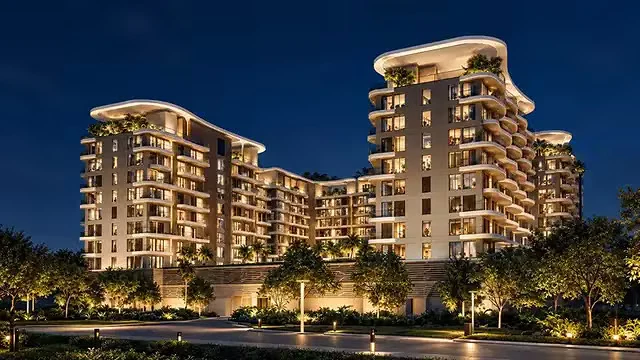
Apartments
Studios
Sorrento Lagoon Views by DAMAC
AED 689,000
Damac Lagoons
Studio & 1
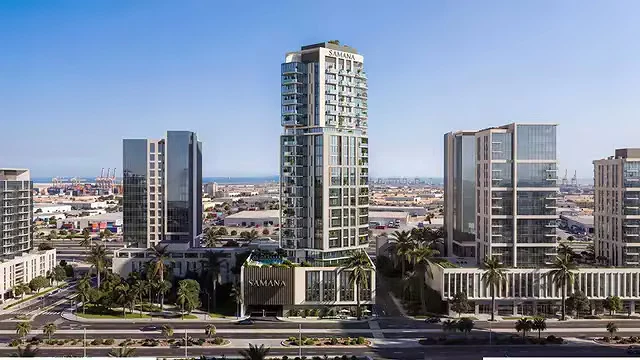
Apartments
Studios
Samana Downtown One
AED 689,000
Jebel Ali
Studio, 1 & 2
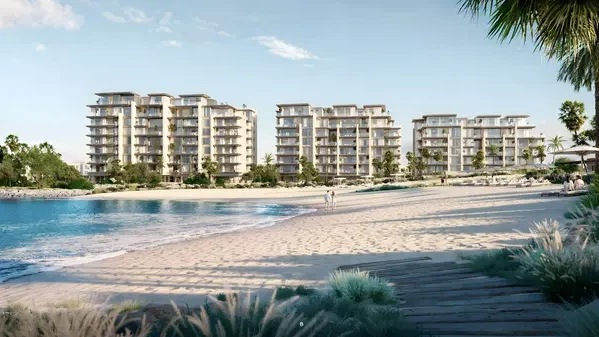
Apartments
Penthouses
Solaya 5 and 7 by Meraas
AED Price on Request
Jumeirah
2, 3, 4 & 5
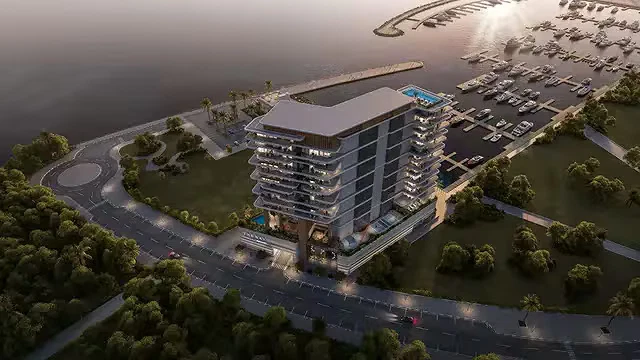
Apartments
Penthouses
The Bay Interiors by Missoni
AED 2,750,000
Dubai Islands
2, 3 & 4
1007 - 3542 Sq Ft
Apartments
Studios
The WOW Tower by Mr. Eight
AED 700,000
Dubai Land Residence Complex
Studio, 1 & 2
377 - 1461 Sq Ft
Apartments
Studios
Native Haus
AED 699,999
Jumeirah Village Triangle
Studio, 1 & 2
403 - 1035 Sq Ft
Apartments
Studios
Sorrento Lagoon Views by DAMAC
AED 689,000
Damac Lagoons
Studio & 1
Apartments
Penthouses
Solaya 5 and 7 by Meraas
AED Price on Request
Jumeirah
2, 3, 4 & 5
Apartments
Penthouses
The Bay Interiors by Missoni
AED 2,750,000
Dubai Islands
2, 3 & 4
1007 - 3542 Sq Ft
Apartments
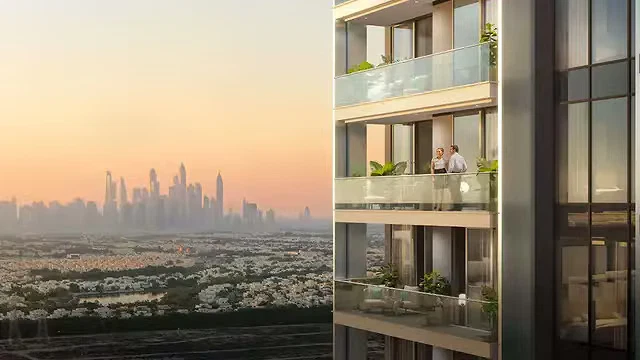
Object 1 Lum1nar Towers
AED Price on Request
Jumeirah Village Triangle
Studio, 1, 2 & 3
355 - 1983 Sq Ft

Commercial
O1NE District Dawn by Avenew
AED Price on Request
Motor City

Commercial
Piazza Roma by DAMAC
AED Price on Request
Damac Lagoons
Commercial
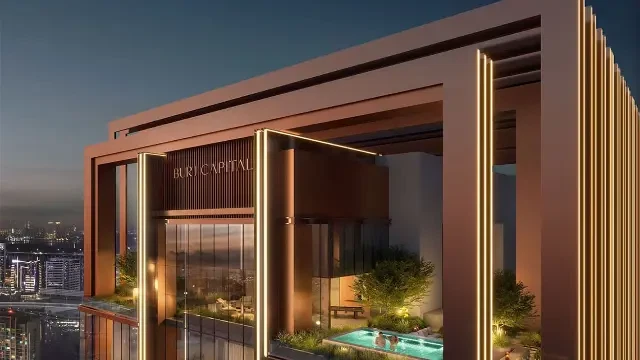
Burj Capital Phase 3 by Centurion Properties
AED Price on Request
Business Bay

Apartments
Commercial
Penthouses
The Symphony by Imtiaz
AED 2,000,000
Meydan
1, 2 & 3
640 - 4244
Apartments
Commercial
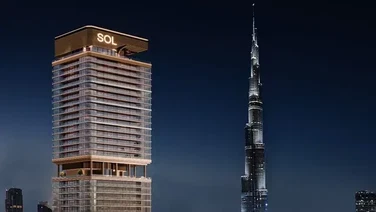
Sol Luxe Tower
AED 1,900,000
Sheikh Zayed Road
1, 2 & 3
Apartments
Commercial
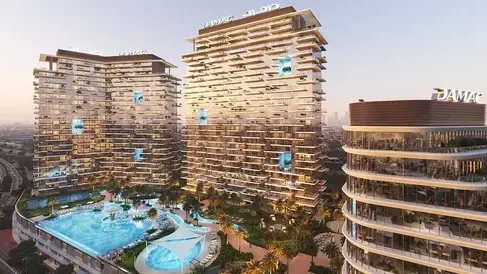
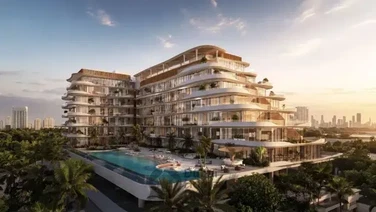
DAMAC District
AED 1,142,000
Damac hills
1 & 2
740 - 6588 Sq Ft
Apartments
Duplexes
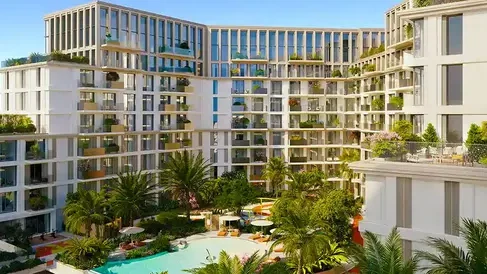
Rabdan Avenue
AED 1,300,000
Meydan
1, 2 & 3
687 - 2937 Sq Ft
Apartments
Duplexes
Modo at Avenew 888
AED Price on Request
Dubai South
1, 2 & 3
Apartments
Duplexes
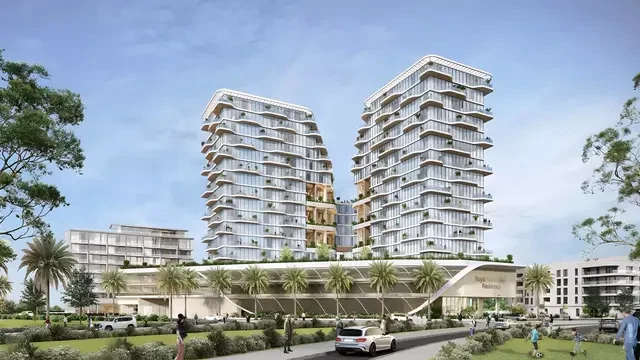
Royal Yacht Club Residence by Azimuth Development
AED Price on Request
Dubai Islands
1, 2, 3 & 4
720 - 3909 Sq Ft
Apartments
Studios
Duplexes
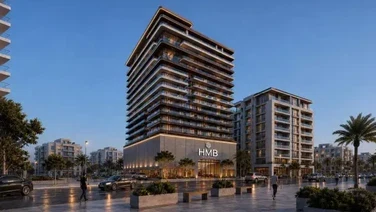
Beverly Crown by HMB Homes
AED 680,000
Jumeirah Village Circle
Studio, 1 & 2
438 - 2321 Sq Ft
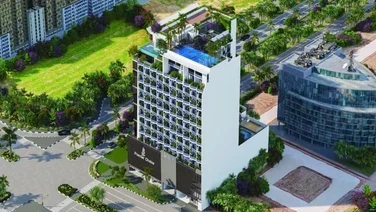
Apartments
Duplexes
Gateway Residences by Premier Choice
AED 1,164,000
Jumeirah Village Circle
1, 2 & 3
748 - 2352 Sq Ft
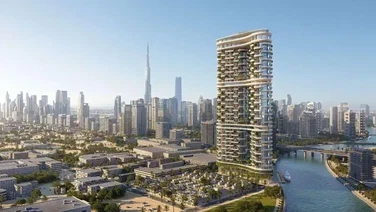
Apartments
Villas
Penthouses
Duplexes
Amali Residences
AED 14,500,000
Dubai Water Canal
2, 3, 4, 5 & 6
2880 - 21000 Sq Ft
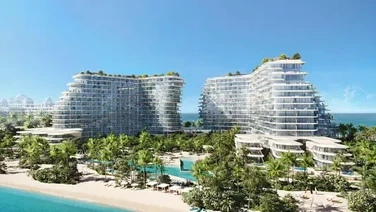
Apartments
Penthouses
Mansions
Bella by Passo
AED Price on Request
Palm Jumeirah
1, 2, 3, 4, 5 & 6
1541 - 12382 Sq Ft
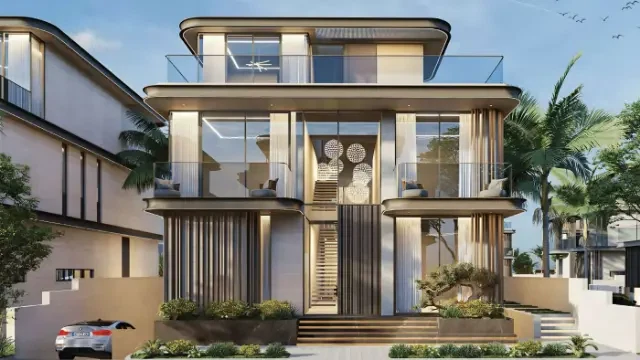
Villas
Mansions
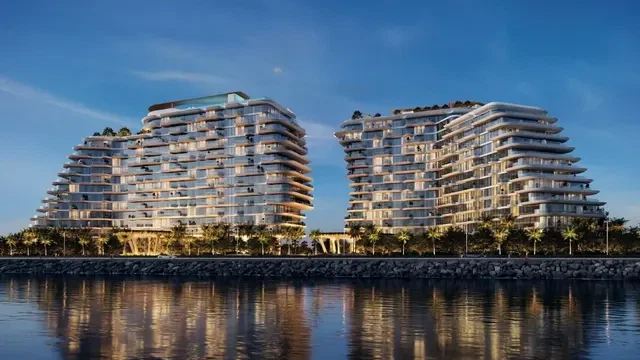
Wellington Grand Villas
AED 20,000,000
Mohammed bin Rashid City
5 & 6
13,007 - 13,568 Sq Ft
Apartments
Penthouses
Mansions
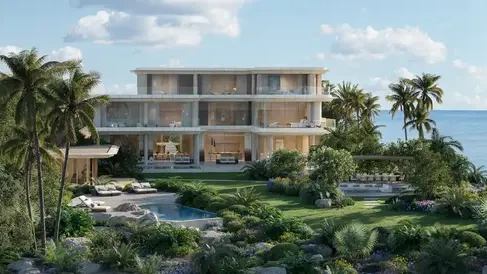
Passo by Beyond
AED 5,500,000
Palm Jumeirah
1, 2, 3, 4, 5 & 6
940 - 11830 Sq Ft
Mansions
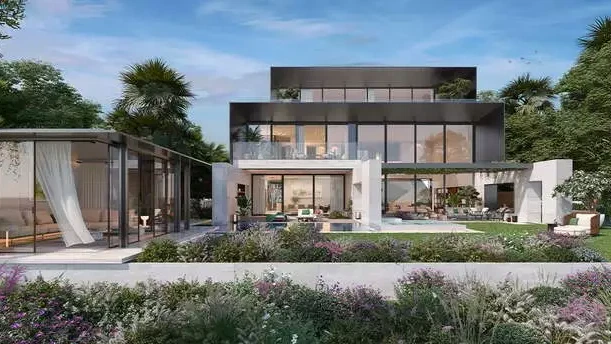
Asora Bay Ocean Mansions by Meraas
AED 65,000,000
Jumeirah
7
41550 - 49062 Sq Ft
Mansions
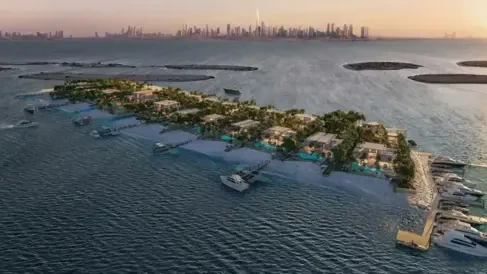
Majid Al Futtaim Bo Monde
AED Price on Request
Tilal Al Ghaf
6 & 7
Mansions
Maldives at Damac Islands
AED Price on Request
Damac Islands
Apartments
Penthouses
The Bay Interiors by Missoni
AED 2,750,000
Dubai Islands
2, 3 & 4
1007 - 3542 Sq Ft
Apartments
Penthouses
Solaya 5 and 7 by Meraas
AED Price on Request
Jumeirah
2, 3, 4 & 5
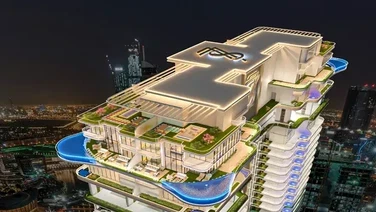
Apartments
Penthouses
77S Tower
AED Price on Request
Business Bay
1, 2, 3, 4 & 5
876 - 6500 Sq Ft
Apartments
Villas
Penthouses
Duplexes
Amali Residences
AED 14,500,000
Dubai Water Canal
2, 3, 4, 5 & 6
2880 - 21000 Sq Ft
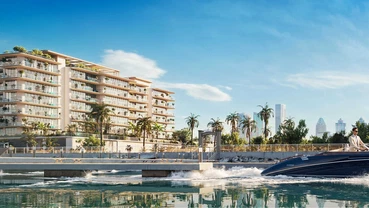
Apartments
Penthouses
Le Chateau Pietrus by Mr. Eight
AED 3,900,000
Dubai Islands
2, 3 & 4
1017 - 7008 Sq Ft
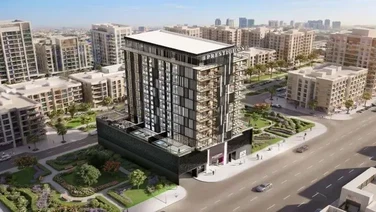
Apartments
Penthouses
Fauchon Residences by Prestige One Developments
AED Price on Request
Jumeirah Garden City
Studio, 1 & 2
1026 - 2255 Sq Ft
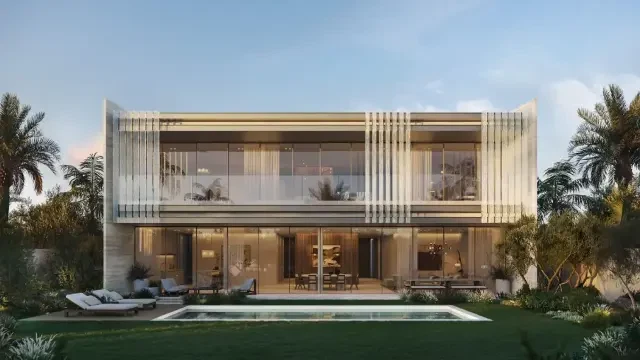
Apartments
Studios
The WOW Tower by Mr. Eight
AED 700,000
Dubai Land Residence Complex
Studio, 1 & 2
377 - 1461 Sq Ft
Apartments
Studios
Native Haus
AED 699,999
Jumeirah Village Triangle
Studio, 1 & 2
403 - 1035 Sq Ft
Apartments
Studios
Sorrento Lagoon Views by DAMAC
AED 689,000
Damac Lagoons
Studio & 1
Apartments
Studios
Samana Downtown One
AED 689,000
Jebel Ali
Studio, 1 & 2
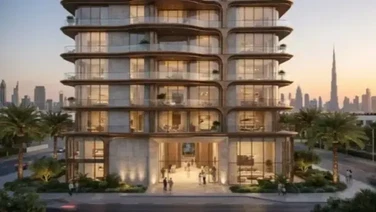
Apartments
Studios
Fala by Kasco
AED Price on Request
Al Jaddaf
Studio, 1, 2 & 3
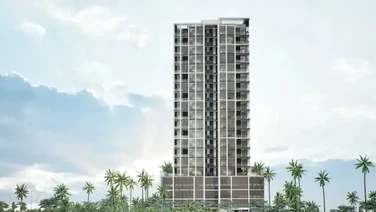
Apartments
Studios
Valore by SRG
AED 699,000
Jumeirah Village Circle
Studio, 1, 2 & 3
470 - 1805 Sq Ft
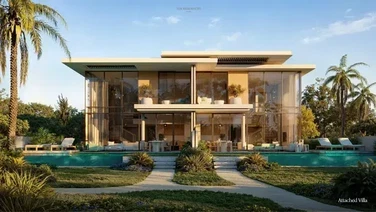
Villas
Townhouses
Bay Estate by Nakheel
AED 5,900,000
Dubai Islands
3 & 4
3054 - 11059 Sq Ft
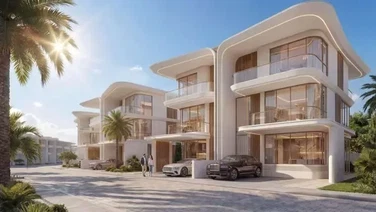
Villas
Townhouses
Greenz by Danube
AED 3,500,000
Academic City
3, 4 & 5
2400 - 3950 Sq Ft
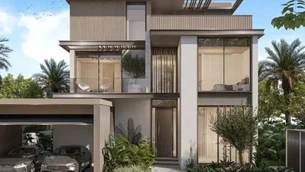
Villas
Townhouses
Meraas Nad Al Sheba Gardens 12
AED Price on Request
Nad Al Sheba
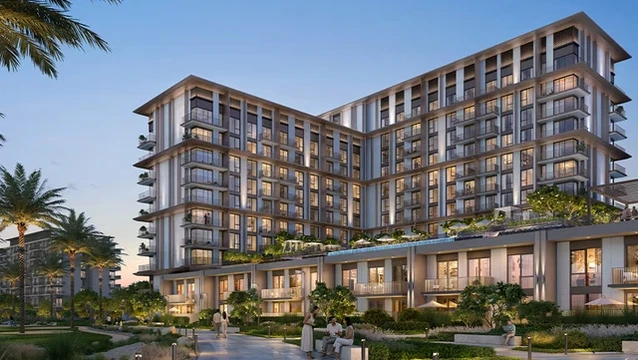
Apartments
Townhouses
EMAAR Golf Trails
AED 1,250,000
Emaar South
1, 2 & 3
719 - 2603 Sq Ft
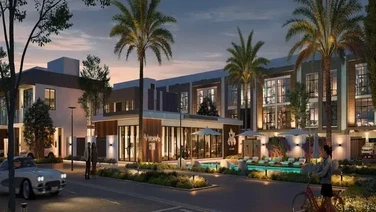
Townhouses
Verdana 9 Townhouses by Reportage
AED Price on Request
Dubai Investments Park
2, 3 & 4
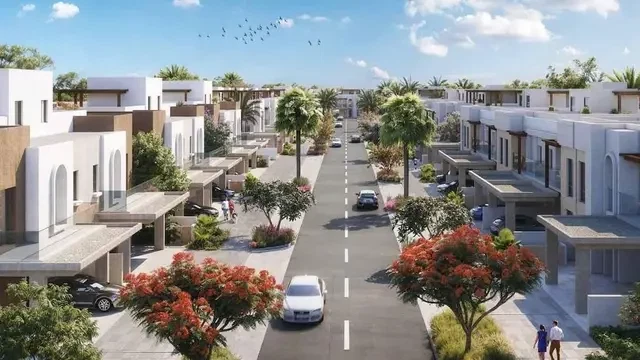
Townhouses
Hayat 1 by Dubai South Properties
AED Price on Request
Dubai South
Villas
Townhouses
Bay Estate by Nakheel
AED 5,900,000
Dubai Islands
3 & 4
3054 - 11059 Sq Ft
Villas
Townhouses
Greenz by Danube
AED 3,500,000
Academic City
3, 4 & 5
2400 - 3950 Sq Ft
Apartments
Villas
Penthouses
Duplexes
Amali Residences
AED 14,500,000
Dubai Water Canal
2, 3, 4, 5 & 6
2880 - 21000 Sq Ft
Villas
Townhouses
Meraas Nad Al Sheba Gardens 12
AED Price on Request
Nad Al Sheba
Apartments
Villas
The Wilds 3 by Aldar
AED Price on Request
Dubailand
Villas
Fleur de Jardin Villas by AMIS
AED Price on Request
Mohammed bin Rashid City
5 & 6