
Understanding the Sales and Purchase Agreement in Dubai Real Estate
Published :
Last Updated :
- What is a Sales and Purchase Agreement(SPA)?
- Major Clauses that Finish Up in the Agreement
- Off-Plan SPA v/s Secondary Market SPA
- Role of RERA and the Dubai Land Department
- Closing In!
Purchasing property in Dubai can be thrilling, but it requires a lot of legal preparation before buying. The key to that process is one document that's more important than all the rest: the Sales and Purchase Agreement, or SPA. This is the agreement where the buyer and seller actually sign it as a formal, binding agreement for both ready and under-construction villas. It's where everything from the deposit to the final transfer goes through, which is why it is a good thing to read before people sign on the dotted line.
The SPA can be daunting even for first-time buyers because of its legal jargon, but learning about the structure of the agreement makes the remainder of the transaction easier to cope with. This guide simplifies the agreement and how it becomes a part of the buying process, and identifies what to watch for before signing on the dotted line.
What is a Sales and Purchase Agreement(SPA)?

The SPA essentially serves as a legal agreement that details the conditions of a real estate sale in Dubai. It insures under the conditions established by the Dubai Land Department and addresses important issues like price, payment terms, and handover conditions. Once both parties have signed it, it's a legally binding contract under UAE law.
Who Prepares the Agreement?
- The developer prepares and presents the SPA on the templates that have been reviewed by the authorities for off-plan units.
- For ready resale properties, licensed brokers or legal practitioners do the drafting again, but they are now required to make sure that it is done in a format acceptable to the Land Department.
So long before any disagreement arises, the document is there to ensure that both parties understand exactly what they are agreeing to. It also provides a place for them to go back to in the event of a conflict later since the statement is often extremely specific, as part of that.
When Does the SPA Come into the Transaction Timeline?
The SPA is not at the beginning of a deal. In general, the process goes like this:
- First discussions around the price and the conditions for payment, whether they should be paid up front, or if there are to be preconditions like financing confirmation or a handover date to be agreed.
- Entering into a preliminary agreement, typically a Form F or Memorandum of Understanding, and making a security deposit.
- Drafting and discussion of the full SPA.
- The ready property has a No Objection Certificate saying that nothing is outstanding, such as unpaid service charges or disputes.
- The parties sign the SPA and pay the first installment of the price.
- It will also be necessary to register the SPA with the Land Department to transfer ownership and issue the title deed.
It's important to follow this sequence because when it's not done correctly, and a step is missed, or it is not signed when it should have been, it won't be easy to deal with it later on.
Major Clauses that Finish Up in the Agreement
A well-written SPA leaves little room for interpretation, and that's a good thing. Ambiguous language is the root of most conflicts, so most agreements are composed around standard phrases that cover all aspects of the transaction.
- Property description: Plot information, unit key, floor size, unit plans, off-plan unit plans, finishes, and shared-use amenities such as a pool or gym.
- Purchase price and payment schedule: down payment, milestone-based installments for off-plan units, and penalties for late payments.
- Handover and risk terms: Set completion date, with an additional comment that off-plan contracts may give a grace period of up to twelve months to extend the completion date.
- Penalties/termination clauses: monetary penalties should a party default, and what percentage of the buyer's deposit would the developer be allowed to keep?
- Developer obligations: Once the construction phase is complete, it should be in line with the approved plans, and defects should be addressed following a handover inspection.
- Dispute resolution terms: whether it is through the Land Department mediation or arbitration or court.
All these clauses are there to address a specific question that might otherwise lead to problems later. For example, the payment schedule provides protection for the buyer against being called for payments out of order; and the developer obligations clause allows for the buyer to have something to complain about when the finished unit does not resemble what was promised.
Off-Plan SPA v/s Secondary Market SPA

The structure of agreements for off-plan and ready property is the same, but there are significant differences.
Off-Plan Purchases
- Contract directly with the developer for a longer period of time (several years).
- Payments are based on project milestones (e.g., when the foundation is completed, when the building is up to a certain height, etc.
- Money disbursed in increments based on tangible progress provides some protection to the money buyer.
- Until a certain percentage is paid, the resale is usually restricted.
Ready Property Purchases
- Agreement between private parties, typically using a broker to facilitate the process.
- Easier terms, shorter timeframe because the property already exists.
- Matter of immediate payment, the No Objection Certificate of the seller, and the final transfer at the registered trustee's office.
- Buyers tend to sign and own their property a lot sooner than off-plan buyers.
Important Things to Verify Before Signing a Contract
These are a handful of checks you should perform before you sign that could save a lot of trouble and are pretty quick for the amount of money that you are looking at.
- Ensure that the developer is registered with the Real Estate Regulatory Agency, that the project has an escrow account, and that the installments are deposited into a monitored account instead of the developer's account.
- Ensure that the unit's size, layout, and features are correct as agreed, as it is easier to correct them before signing than after;
- Check the penalties for late payment if they exist, and any grace periods due to construction delays, especially late purchases off-plan delays are not uncommon.
- Be aware of cancellation clauses, including what steps are taken if the mortgage doesn't go through or the buyer decides to cancel for any other reason.
In most cases, having the agreement read by a local real estate lawyer before signing is worthwhile, particularly for bigger transactions or first-time purchasers who are not aware of the nuances involved in UAE real estate contracts. A lawyer can identify provisions that are “standard,” but actually have more significance than initially suspected.
Role of RERA and the Dubai Land Department
RERA and the Land Department ensure the market remains transparent, and the SPA registration process plays a significant role in that. All agreements should be registered with the Land Department within ninety days of the date of signing so that it is "legal" in the eyes of the government and they are covered in the event of any dispute at a later stage.
Registration by Property Type
- Off-plan properties are sold in Oqood, which provides a provisional certificate (e-certificate that confirms the buyer's interest in the property under construction.
- Ready properties are registered directly at the time of their transfer to the owner.
Registration Costs
- Four percent of the property price, generally split two percent each between buyer and seller on off-plan sales
- Developer Registration fee of one thousand dirhams.
- Five hundred and eighty dirhams are administrative charges.
- Lesser knowledge and innovation fees applicable to the majority of the transactions conducted by the Government in Dubai.
Closing In!
A Sales and Purchase Agreement is the document that is the first step to making a property negotiation legally binding. It outlines who pays what, when the handover occurs, and what happens if something goes wrong. Knowing the difference between off-plan and ready property agreements, understanding which clauses are important, and ensuring you check the registration status of a developer can make a huge difference in making the process much less stressful.
It's important to read through these terms and seek professional advice if necessary, because it's the difference between a smooth purchase and a stressful one.
FAQs
What is a Sales and Purchase Agreement in Dubai real estate?
It is the legally binding agreement between the buyer and seller/developer that stipulates the conditions of the transaction, the payment programme, and the conditions for handing over.
Once signed, is the SPA legally binding?
Yes, it can be binding once signed according to UAE law; complete legal protection will be given when it is recorded in the Land Department.
If a buyer decides to withdraw after signing the SPA, what will happen?
This will depend on the termination and penalties clause of the contract. When the buyer fails to pay on an off-plan purchase, the developers tend to retain a portion of the money paid.
Are all property purchases in Dubai in need of an SPA?
Yes, it is a legal requirement for any property sale and is the foundation for the transfer of ownership and the issuance of a title deed.
What are the differences between an SPA and a reservation form?
The reservation form is used to hold the unit until the SPA can be signed, which sets out in detail all the legal obligations and specifications.
Do the terms of an SPA need to be negotiated before signing?
Terms can be examined and changed during negotiations. After signature, alterations shall only be made by addendum in writing, signed by both parties.



Your gateway to offline planning in the digital realm. Discover a world of real estate opportunities through our immersive offline property website experience
Apartments
Studios
11 Hills Park by TownX
AED 675,000
Dubai Science Park
Studio & 1
474 - 831 Sq Ft
Apartments
Duplexes
Rabdan Avenue
AED 1,300,000
Meydan
1, 2 & 3
687 - 2937 Sq Ft
Apartments
The Weave by Al Ghurair Development
AED 1,200,000
Jumeirah Village Circle
1, 2 & 3
776 - 2221 Sq Ft
Apartments
Studios
One by Nine
AED Price on Request
Nad Al Sheba
Studio, 1 & 2
563 - 1069 Sq Ft
Apartments
Penthouses
77S Tower
AED Price on Request
Business Bay
1, 2, 3, 4 & 5
876 - 6500 Sq Ft
Villas
Townhouses
Bay Estate by Nakheel
AED 5,900,000
Dubai Islands
3 & 4
3054 - 11059 Sq Ft

Apartments
SAMANA South Haven 2
AED Price on Request
Dubai Industrial City
Apartments
Duplexes
Rabdan Avenue
AED 1,300,000
Meydan
1, 2 & 3
687 - 2937 Sq Ft
Apartments
The Weave by Al Ghurair Development
AED 1,200,000
Jumeirah Village Circle
1, 2 & 3
776 - 2221 Sq Ft
Apartments
Studios
One by Nine
AED Price on Request
Nad Al Sheba
Studio, 1 & 2
563 - 1069 Sq Ft
Apartments
Studios
11 Hills Park by TownX
AED 675,000
Dubai Science Park
Studio & 1
474 - 831 Sq Ft
Apartments
Studios
Kore by Imtiaz
AED Price on Request
Dubai Land Residence Complex
Studio, 1, 2 & 3
Commercial
O1NE District Dawn by Avenew
AED Price on Request
Motor City
Commercial
Piazza Roma by DAMAC
AED Price on Request
Damac Lagoons

Apartments
Commercial
Penthouses
The Symphony by Imtiaz
AED 2,000,000
Meydan
1, 2 & 3
640 - 4244

Apartments
Commercial
Sol Luxe Tower
AED 1,900,000
Sheikh Zayed Road
1, 2 & 3
Apartments
Commercial
DAMAC District
AED 1,142,000
Damac hills
1 & 2
740 - 6588 Sq Ft
Commercial
Eaton Square by Ellington
AED Price on Request
Mohammed bin Rashid City
Apartments
Duplexes
Rabdan Avenue
AED 1,300,000
Meydan
1, 2 & 3
687 - 2937 Sq Ft
Apartments
Duplexes
Modo at Avenew 888
AED Price on Request
Dubai South
1, 2 & 3
Apartments
Duplexes
Royal Yacht Club Residence by Azimuth Development
AED Price on Request
Dubai Islands
1, 2, 3 & 4
720 - 3909 Sq Ft
Apartments
Studios
Duplexes
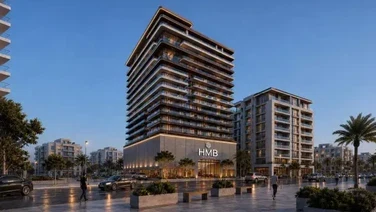
Beverly Crown by HMB Homes
AED 680,000
Jumeirah Village Circle
Studio, 1 & 2
438 - 2321 Sq Ft
Apartments
Duplexes
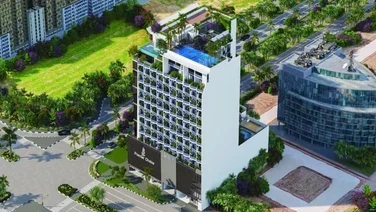
Gateway Residences by Premier Choice
AED 1,164,000
Jumeirah Village Circle
1, 2 & 3
748 - 2352 Sq Ft
Apartments
Villas
Penthouses
Duplexes
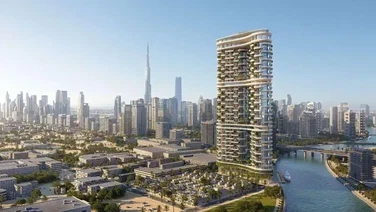
Amali Residences
AED 14,500,000
Dubai Water Canal
2, 3, 4, 5 & 6
2880 - 21000 Sq Ft
Apartments
Penthouses
Mansions
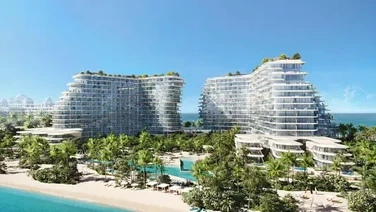
Bella by Passo
AED Price on Request
Palm Jumeirah
1, 2, 3, 4, 5 & 6
1541 - 12382 Sq Ft
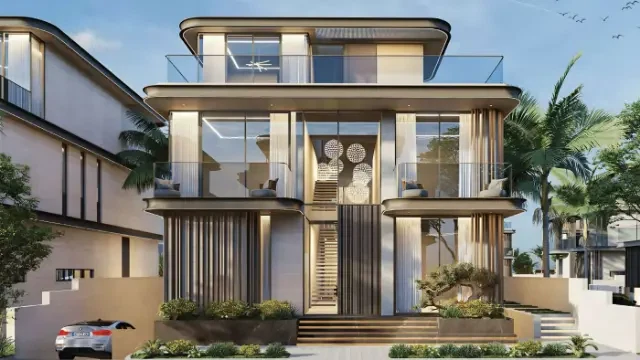
Villas
Mansions
Wellington Grand Villas
AED 20,000,000
Mohammed bin Rashid City
5 & 6
13,007 - 13,568 Sq Ft
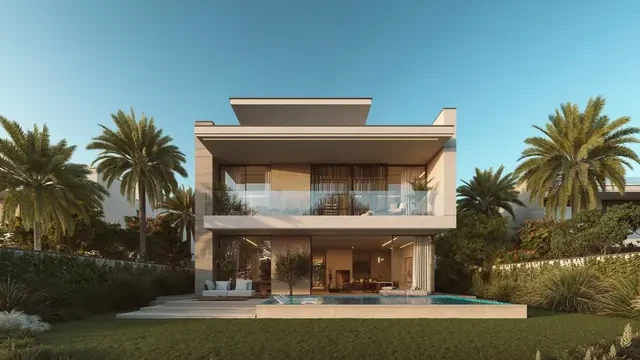
Villas
Mansions
Ashwood Estate by Wasl
AED 11,800,000
Jumeirah Golf Estates
4, 5 & 6
6069 - 10762 Sq Ft
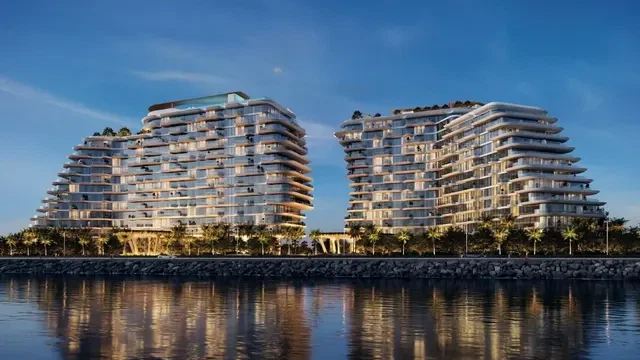
Apartments
Penthouses
Mansions
Passo by Beyond
AED 5,500,000
Palm Jumeirah
1, 2, 3, 4, 5 & 6
940 - 11830 Sq Ft
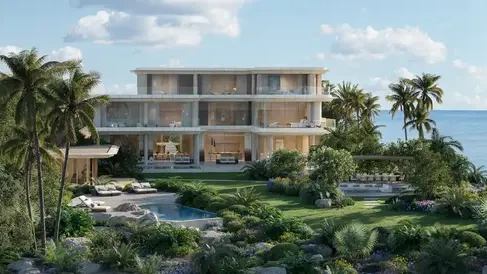
Mansions
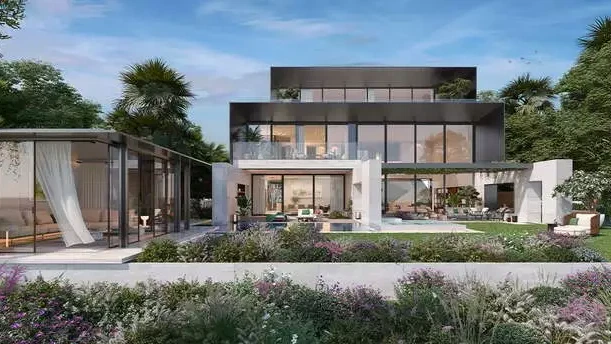
Asora Bay Ocean Mansions by Meraas
AED 65,000,000
Jumeirah
7
41550 - 49062 Sq Ft
Mansions
Majid Al Futtaim Bo Monde
AED Price on Request
Tilal Al Ghaf
6 & 7
Apartments
Penthouses
77S Tower
AED Price on Request
Business Bay
1, 2, 3, 4 & 5
876 - 6500 Sq Ft
Apartments
Villas
Penthouses
Duplexes
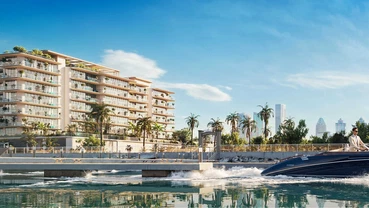
Amali Residences
AED 14,500,000
Dubai Water Canal
2, 3, 4, 5 & 6
2880 - 21000 Sq Ft
Apartments
Penthouses
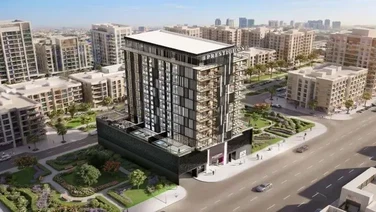
Le Chateau Pietrus by Mr. Eight
AED 3,900,000
Dubai Islands
2, 3 & 4
1017 - 7008 Sq Ft
Apartments
Penthouses
Fauchon Residences by Prestige One Developments
AED Price on Request
Jumeirah Garden City
Studio, 1 & 2
1026 - 2255 Sq Ft
Apartments
Penthouses
Duplexes
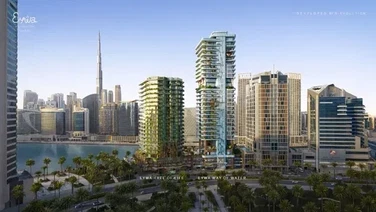
Eywa Way of Water by R.Evolution
AED 9,000,000
Business Bay
2, 3, 4 & 5
2154 - 22900 Sq Ft
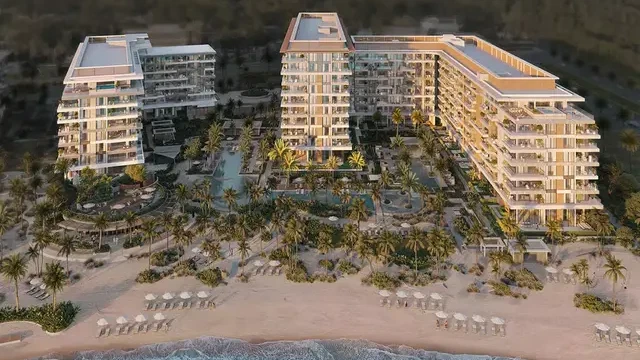
Apartments
Penthouses
Duplexes
Ellington Sands 2
AED Price on Request
Dubai Islands
1, 2, 3 & 4
800 - 5964 Sq Ft
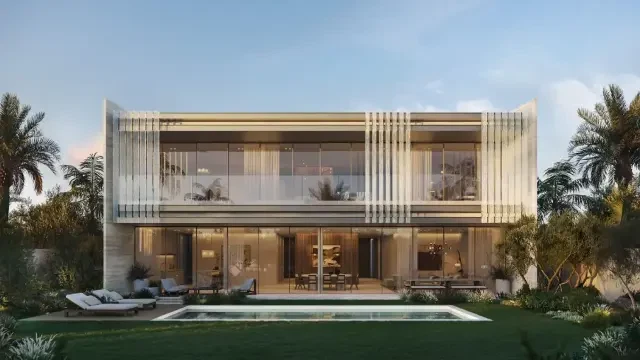
Apartments
Studios
One by Nine
AED Price on Request
Nad Al Sheba
Studio, 1 & 2
563 - 1069 Sq Ft
Apartments
Studios
11 Hills Park by TownX
AED 675,000
Dubai Science Park
Studio & 1
474 - 831 Sq Ft
Apartments
Studios
Kore by Imtiaz
AED Price on Request
Dubai Land Residence Complex
Studio, 1, 2 & 3

Apartments
Studios
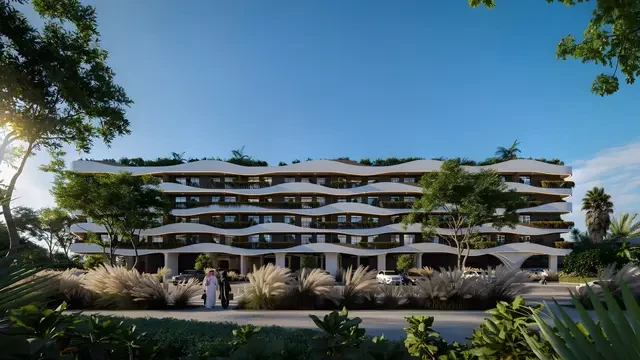
Astra Residences by Dugasta Properties
AED Price on Request
Dubai South
Studio, 1 & 2
349 - 1792 Sq Ft
Apartments
Studios
Oasis Residences by Al Helal Al Zahaby
AED 590,000
Dubai South
Studio, 1, 2 & 3
427 - 1992 Sq Ft
Apartments
Studios
Reef 995
AED 696,777
Dubai Land Residence Complex
Studio, 1, 2 & 3
433 - 1197 Sq Ft
Villas
Townhouses
Bay Estate by Nakheel
AED 5,900,000
Dubai Islands
3 & 4
3054 - 11059 Sq Ft
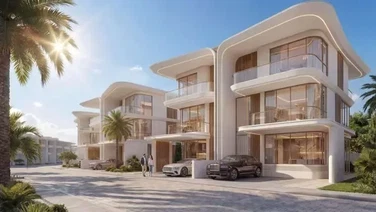
Villas
Townhouses
Greenz by Danube
AED 3,500,000
Academic City
3, 4 & 5
2400 - 3950 Sq Ft
Villas
Townhouses
Meraas Nad Al Sheba Gardens 12
AED Price on Request
Nad Al Sheba
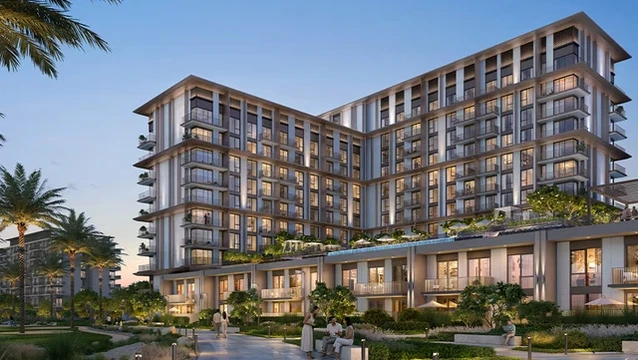
Apartments
Townhouses
EMAAR Golf Trails
AED 1,250,000
Emaar South
1, 2 & 3
719 - 2603 Sq Ft
Townhouses
Verdana 9 Townhouses by Reportage
AED Price on Request
Dubai Investments Park
2, 3 & 4
Townhouses
Hayat 7 by Dubai South Properties
AED Price on Request
Dubai South
Villas
Townhouses
Bay Estate by Nakheel
AED 5,900,000
Dubai Islands
3 & 4
3054 - 11059 Sq Ft
Villas
Townhouses
Greenz by Danube
AED 3,500,000
Academic City
3, 4 & 5
2400 - 3950 Sq Ft
Apartments
Villas
Penthouses
Duplexes
Amali Residences
AED 14,500,000
Dubai Water Canal
2, 3, 4, 5 & 6
2880 - 21000 Sq Ft
Villas
Townhouses
Meraas Nad Al Sheba Gardens 12
AED Price on Request
Nad Al Sheba
Villas
Lunaya by Zaya
AED 4,900,000
Jebel Ali
4 & 5
2966 - 8231 Sq Ft

Villas
EMAAR Faro at The Heights
AED Price on Request
The Heights Country Club & Wellness