Loan Against Property Dubai: Eligibility, Documents, and Process
Published :
Last Updated :
- What Is a Loan Against Property in Dubai?
- Loan-to-Value and Interest Rates
- Loan Against Property vs Personal Loans and Refinancing
- Closing In
- FAQs
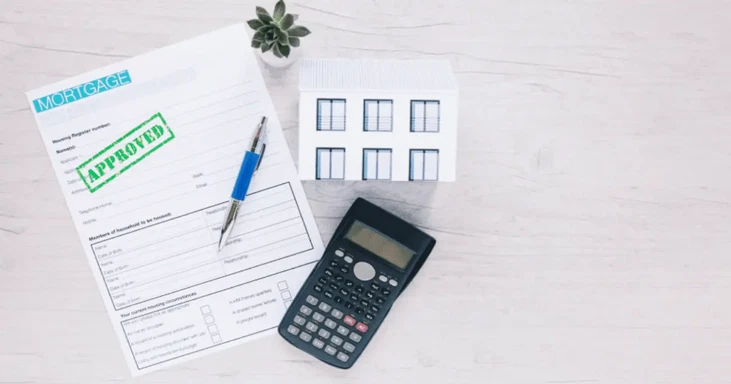
As a Dubai property owner, you don't have to put up your home for sale in order to get cash. A loan against property is an option that allows you to obtain the value of that property without losing the title to it. It is treated as a mortgage by banks, and therefore the rules and regulations are clear.
The amount of money you can borrow in Dubai will depend on your residency status, and it is 80-85% of the property's value. Generally, it ranges from 4.0-5.5%. This will typically take about 4-6 weeks to be approved, and your home will serve as collateral for the loan.
What Is a Loan Against Property in Dubai?

A loan against property is a way to borrow money using a home or commercial unit you already own as collateral. In Dubai, this is always structured as a mortgage, so it falls under the same rules as a regular home loan. Some people call it equity release, since it lets you turn built-up equity into usable cash without giving up the asset.
You can use the funds for almost anything: business capital, education costs, another property purchase, home renovation, or debt consolidation. The bank places a mortgage charge on your property until the loan is repaid. If your property already carries a mortgage, you'll need to remortgage with a new or existing bank to release extra equity, since most lenders won't allow a second charge on the same title deed.
This option suits property owners who have strong equity but don't want to sell, especially in a market where values are rising. It's worth comparing this route against selling outright, since holding the asset lets you keep any future price growth while still accessing cash today.
Eligibility by Residency Status
There are several factors that determine eligibility, the income and the property itself. There are outer limits set by UAE Central Bank regulations, but each bank has an internal limit which is more stringent.
| Borrower Type | Max LTV | Typical Rate | Min. Monthly Income |
|---|---|---|---|
| UAE National | Up to 85% | 4.0% – 5.5% | AED 20,000 |
| Expat Resident | Up to 80% | 4.0% – 5.5% | AED 20,000 |
| Non-Resident | 50% – 60% | 4.3% – 5.8% | Higher, bank-specific |
85% LTV usually applies only when the property value is AED 5 million or below.
Banks also look at your debt burden ratio, or DBR. This is the share of your monthly income already committed to loans and credit cards. Under Central Bank rules, your total monthly debt repayments, including the new loan, cannot exceed 50% of your gross income. If you earn AED 40,000 or more per month, some banks may allow up to 60%.
Loan-to-Value and Interest Rates
Loan to value (LTV) is an indicator of what percentage of your property's value the bank is willing to lend against. LTV typically falls between 60–75%, and even lower in cases where the individual qualifies for higher limits, for properties valued at more than AED 5 million, and for a second property. The bank always uses the lower of the two figures, either the agreed market value or its own valuation, so a conservative valuation can reduce your available loan amount.
Interest rates generally sit between 4.0% and 5.5% per year, though your exact rate depends on your income, credit history, and the bank's current offers. Many banks offer a fixed rate for the first one to five years. After that, the rate switches to a variable rate linked to EIBOR, the benchmark rate UAE banks use when lending to each other. When EIBOR moves, your monthly payment can move with it, so it helps to check how much your installments could rise before you sign.
Loan tenures commonly extend up to 20 or 25 years, though your age at the end of the loan term will affect the maximum tenure a bank offers you. Older applicants may be offered a shorter term, which raises the monthly instalment even at the same interest rate.
Documents You'll Need
It will depend on whether you are in employment, are self-employed and have a mortgage. Ideally, the applicant should gather everything beforehand in order to avoid having to wait for the application to be completed.
Salaried applicants
- Passport and Emirates ID
- Valid UAE residence visa
- Salary certificate and recent salary transfer statements
- Bank statements, usually the last six months
- Title deed for the property
Self-employed applicants
- Valid trade license
- Audited company financial statements
- Company and personal bank statements
- VAT records, where applicable
Most banks also access a credit bureau report, and a good history of repayments will help your application to go through more quickly.
How to Apply: Step by Step
- Valuation of property: An independent valuer, approved by a bank, will determine the current market value of a property.
- Income and credit check: The bank verifies that you can afford it by checking your salary, debts and credit history.
- Approval: You get a conditional approval with a likely loan amount and interest rate.
- Offer letter: Once final checks are complete, the bank issues a formal offer for you to review and sign.
- Mortgage registration: You register the new mortgage with the Dubai Land Department, and the funds are released.
Salaried applicants often complete this process in three to five weeks. Self-employed or expat applicants with more complex income documents may need four to six weeks. Having every document ready before you apply is the single biggest factor in speeding things up.
Loan Against Property vs Personal Loans and Refinancing

A personal loan is easier to set up but is charged a high interest rate and has a short repayment period of typically 5 years or less. A loan against property, on the other hand, has a lower rate and a repayment term that can be as long as 25 years.
A similar but alternative possibility is refinancing. Not only does it replace your current mortgage with a new one, often at a better interest rate, but it can also free up additional equity if the value of your property has increased. Refinancing is an easier way to get additional money if you already have a mortgage than getting a second mortgage on the home.
Costs and Risks to Consider
In addition to the interest, you will need to pay a property valuation fee, a mortgage registration fee with the Dubai Land Department and any processing fee imposed by the bank. If you want to pay off your debt early, look for early settlement penalties (some banks charge a percentage of the debt that remains to be paid). Usually, life and property insurance is required as extra coverage and adds a little to your monthly expenses.
The most crucial risk to know is that your property is collateral. If the payments to the bank are missed, the bank can take and sell it. Delays in payments may also have a negative effect on your credit rating and make it more difficult and expensive to get loans in the future. Take out a loan that is affordable, and put aside a cushion in your monthly budget before signing. Before you sign a deal, you should be able to prepare for a rise in the interest rate by stress testing your repayment plan with a licensed mortgage advisor.
Closing In
Each bank in Dubai uses its own set of rates, charges, and qualification criteria, so it's important to understand that the best bank to go with depends on your income, property and objectives. When two or three are compared side by side, there might be some significant differences in the cost of loans over their entire duration.
Get in touch with the UAE's top banks and learn about a comparison of offers, an estimate of your borrowing capacity and build a strong application. If you're looking to invest more money into real estate, invest in a business, or simply need cash, obtain a loan against your property and get your things done in an investment manner.
FAQs
Can non-residents get a loan against property in Dubai?
Yes, but the terms are stricter. Non-residents typically qualify for 50–60% LTV, face higher rate margins, and need to open a bank account with the lender for repayments.
What's the maximum loan-to-value I can get?
UAE Nationals can get a maximum rate of 85% on properties worth AED 5 million and below. Typically, expats can only be charged up to 80% and non-residents up to 60%.
How long does approval take?
Most applications are approved within four to six weeks, though a complete, well-organised document file can shorten this timeline.
Is a fixed or variable rate better?
If you prefer stability, a fixed rate will provide you with regular payments during the initial couple of years. If EIBOR is low, a variable rate might be cheaper, although your repayments will fluctuate as the rate changes.
Which properties qualify for a loan against property?
Most completed residential and commercial properties in Dubai qualify, provided they pass the bank's valuation and are free of legal disputes. Off-plan units are treated differently and usually fall under separate financing rules with lower LTV limits.



Your gateway to offline planning in the digital realm. Discover a world of real estate opportunities through our immersive offline property website experience
Apartments
Studios
The WOW Tower by Mr. Eight
AED 700,000
Dubai Land Residence Complex
Studio, 1 & 2
377 - 1461 Sq Ft

Apartments
Studios
Native Haus
AED 699,999
Jumeirah Village Triangle
Studio, 1 & 2
403 - 1035 Sq Ft
Apartments
Studios
Sorrento Lagoon Views by DAMAC
AED 689,000
Damac Lagoons
Studio & 1
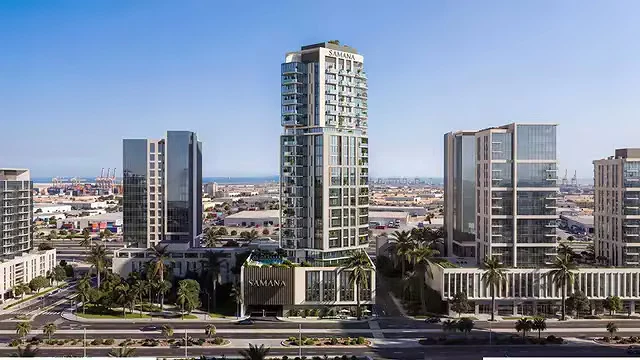
Apartments
Studios
Samana Downtown One
AED 689,000
Jebel Ali
Studio, 1 & 2
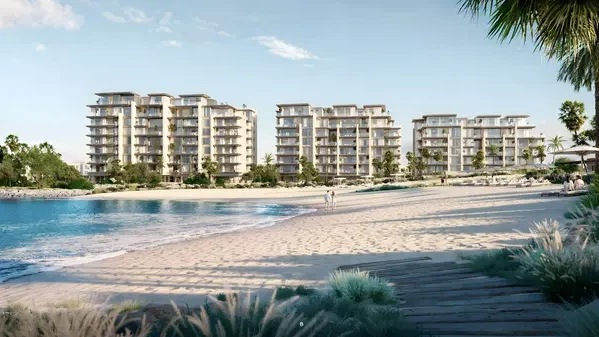
Apartments
Penthouses
Solaya 5 and 7 by Meraas
AED Price on Request
Jumeirah
2, 3, 4 & 5
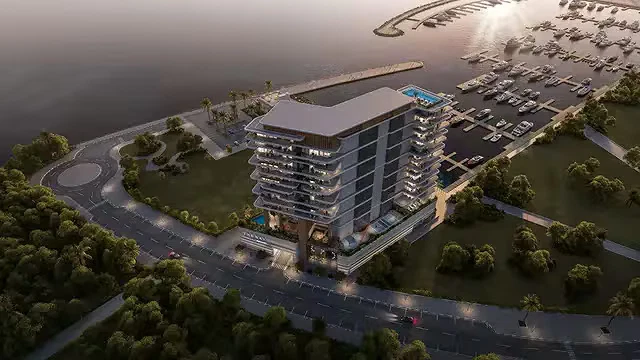
Apartments
Penthouses
The Bay Interiors by Missoni
AED 2,750,000
Dubai Islands
2, 3 & 4
1007 - 3542 Sq Ft
Apartments
Studios
The WOW Tower by Mr. Eight
AED 700,000
Dubai Land Residence Complex
Studio, 1 & 2
377 - 1461 Sq Ft
Apartments
Studios
Native Haus
AED 699,999
Jumeirah Village Triangle
Studio, 1 & 2
403 - 1035 Sq Ft
Apartments
Studios
Sorrento Lagoon Views by DAMAC
AED 689,000
Damac Lagoons
Studio & 1
Apartments
Penthouses
Solaya 5 and 7 by Meraas
AED Price on Request
Jumeirah
2, 3, 4 & 5
Apartments
Penthouses
The Bay Interiors by Missoni
AED 2,750,000
Dubai Islands
2, 3 & 4
1007 - 3542 Sq Ft
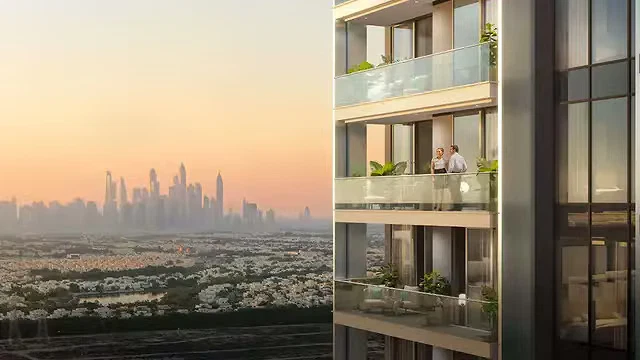
Apartments
Object 1 Lum1nar Towers
AED Price on Request
Jumeirah Village Triangle
Studio, 1, 2 & 3
355 - 1983 Sq Ft
Commercial
O1NE District Dawn by Avenew
AED Price on Request
Motor City

Commercial
Piazza Roma by DAMAC
AED Price on Request
Damac Lagoons
Commercial
Burj Capital Phase 3 by Centurion Properties
AED Price on Request
Business Bay

Apartments
Commercial
Penthouses
The Symphony by Imtiaz
AED 2,000,000
Meydan
1, 2 & 3
640 - 4244

Apartments
Commercial
Sol Luxe Tower
AED 1,900,000
Sheikh Zayed Road
1, 2 & 3
Apartments
Commercial
DAMAC District
AED 1,142,000
Damac hills
1 & 2
740 - 6588 Sq Ft
Apartments
Duplexes
Rabdan Avenue
AED 1,300,000
Meydan
1, 2 & 3
687 - 2937 Sq Ft
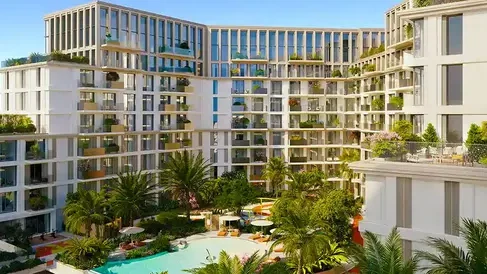
Apartments
Duplexes
Modo at Avenew 888
AED Price on Request
Dubai South
1, 2 & 3
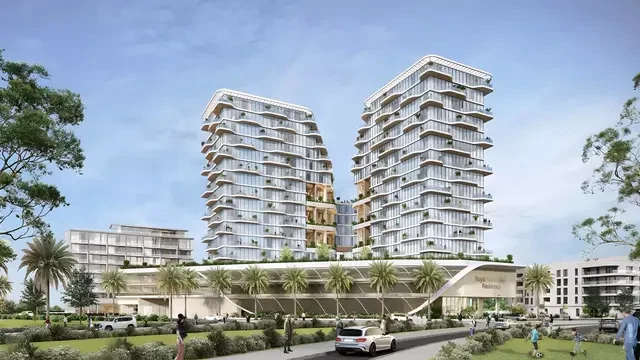
Apartments
Duplexes
Royal Yacht Club Residence by Azimuth Development
AED Price on Request
Dubai Islands
1, 2, 3 & 4
720 - 3909 Sq Ft
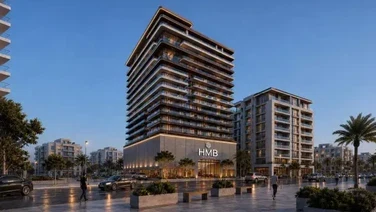
Apartments
Studios
Duplexes
Beverly Crown by HMB Homes
AED 680,000
Jumeirah Village Circle
Studio, 1 & 2
438 - 2321 Sq Ft
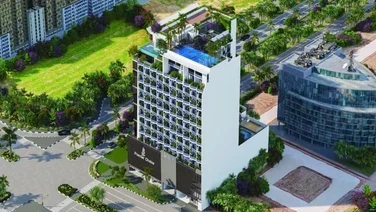
Apartments
Duplexes
Gateway Residences by Premier Choice
AED 1,164,000
Jumeirah Village Circle
1, 2 & 3
748 - 2352 Sq Ft
Apartments
Villas
Penthouses
Duplexes
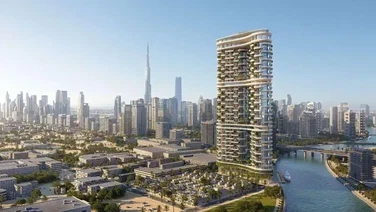
Amali Residences
AED 14,500,000
Dubai Water Canal
2, 3, 4, 5 & 6
2880 - 21000 Sq Ft
Apartments
Penthouses
Mansions
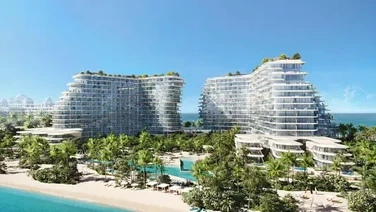
Bella by Passo
AED Price on Request
Palm Jumeirah
1, 2, 3, 4, 5 & 6
1541 - 12382 Sq Ft
Villas
Mansions
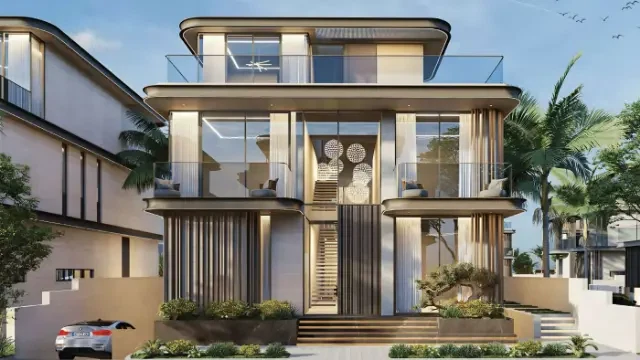
Wellington Grand Villas
AED 20,000,000
Mohammed bin Rashid City
5 & 6
13,007 - 13,568 Sq Ft
Apartments
Penthouses
Mansions
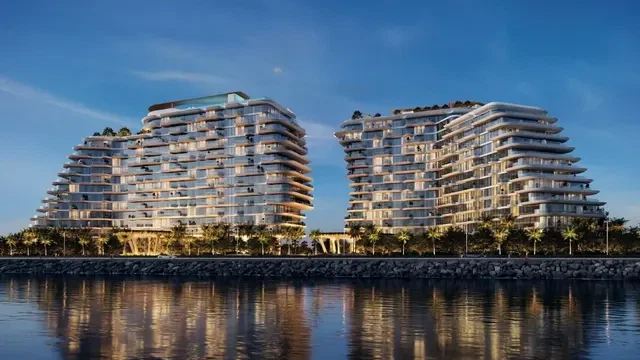
Passo by Beyond
AED 5,500,000
Palm Jumeirah
1, 2, 3, 4, 5 & 6
940 - 11830 Sq Ft
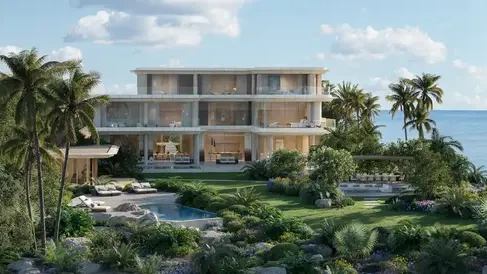
Mansions
Asora Bay Ocean Mansions by Meraas
AED 65,000,000
Jumeirah
7
41550 - 49062 Sq Ft
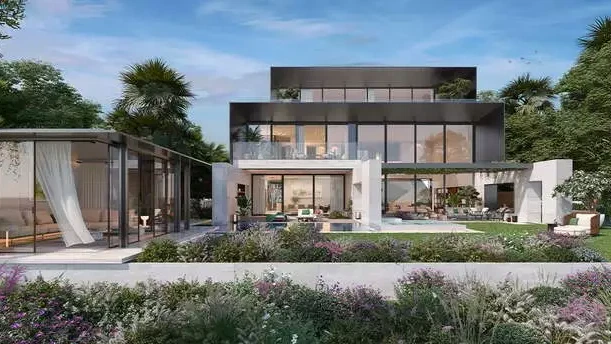
Mansions
Majid Al Futtaim Bo Monde
AED Price on Request
Tilal Al Ghaf
6 & 7
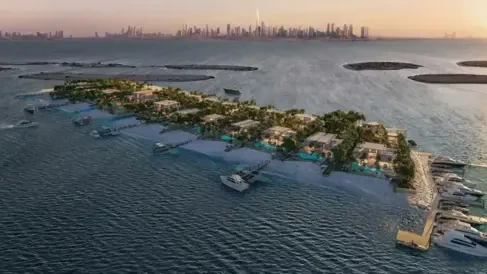
Mansions
Maldives at Damac Islands
AED Price on Request
Damac Islands
Apartments
Penthouses
The Bay Interiors by Missoni
AED 2,750,000
Dubai Islands
2, 3 & 4
1007 - 3542 Sq Ft
Apartments
Penthouses
Solaya 5 and 7 by Meraas
AED Price on Request
Jumeirah
2, 3, 4 & 5
Apartments
Penthouses
77S Tower
AED Price on Request
Business Bay
1, 2, 3, 4 & 5
876 - 6500 Sq Ft
Apartments
Villas
Penthouses
Duplexes
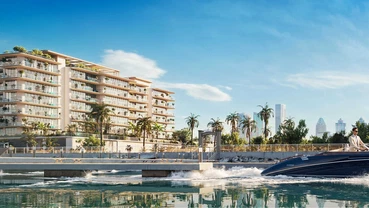
Amali Residences
AED 14,500,000
Dubai Water Canal
2, 3, 4, 5 & 6
2880 - 21000 Sq Ft
Apartments
Penthouses
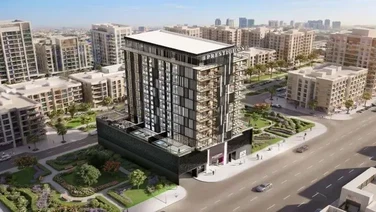
Le Chateau Pietrus by Mr. Eight
AED 3,900,000
Dubai Islands
2, 3 & 4
1017 - 7008 Sq Ft
Apartments
Penthouses
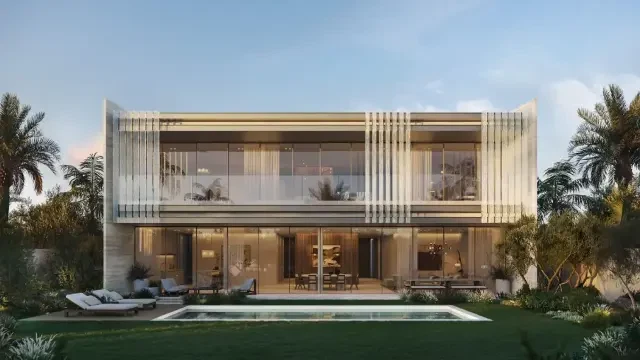
Fauchon Residences by Prestige One Developments
AED Price on Request
Jumeirah Garden City
Studio, 1 & 2
1026 - 2255 Sq Ft
Apartments
Studios
The WOW Tower by Mr. Eight
AED 700,000
Dubai Land Residence Complex
Studio, 1 & 2
377 - 1461 Sq Ft
Apartments
Studios
Native Haus
AED 699,999
Jumeirah Village Triangle
Studio, 1 & 2
403 - 1035 Sq Ft
Apartments
Studios
Sorrento Lagoon Views by DAMAC
AED 689,000
Damac Lagoons
Studio & 1
Apartments
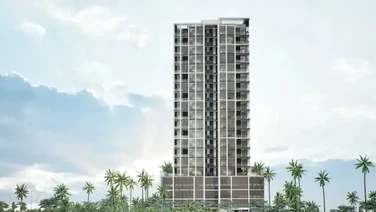
Studios
Samana Downtown One
AED 689,000
Jebel Ali
Studio, 1 & 2
Apartments
Studios
Valore by SRG
AED 699,000
Jumeirah Village Circle
Studio, 1, 2 & 3
470 - 1805 Sq Ft
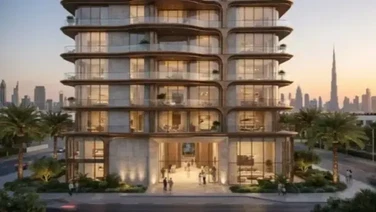
Apartments
Studios
Fala by Kasco
AED Price on Request
Al Jaddaf
Studio, 1, 2 & 3
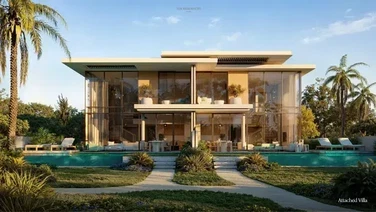
Villas
Townhouses
Bay Estate by Nakheel
AED 5,900,000
Dubai Islands
3 & 4
3054 - 11059 Sq Ft
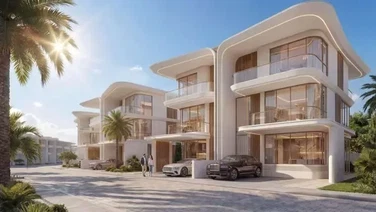
Villas
Townhouses
Greenz by Danube
AED 3,500,000
Academic City
3, 4 & 5
2400 - 3950 Sq Ft
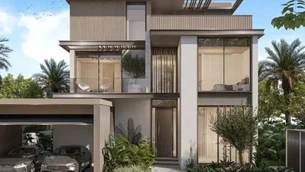
Villas
Townhouses
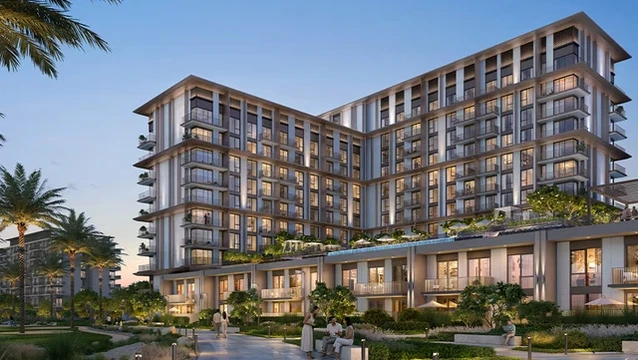
Meraas Nad Al Sheba Gardens 12
AED Price on Request
Nad Al Sheba
Apartments
Townhouses
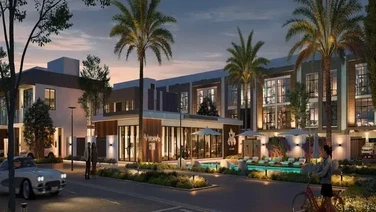
EMAAR Golf Trails
AED 1,250,000
Emaar South
1, 2 & 3
719 - 2603 Sq Ft
Townhouses
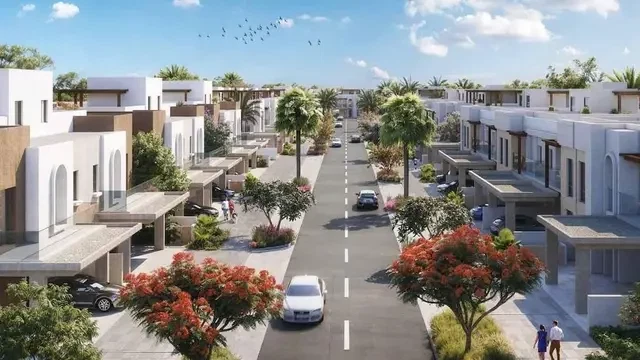
Verdana 9 Townhouses by Reportage
AED Price on Request
Dubai Investments Park
2, 3 & 4
Townhouses
Hayat 1 by Dubai South Properties
AED Price on Request
Dubai South
Villas
Townhouses
Bay Estate by Nakheel
AED 5,900,000
Dubai Islands
3 & 4
3054 - 11059 Sq Ft
Villas
Townhouses
Greenz by Danube
AED 3,500,000
Academic City
3, 4 & 5
2400 - 3950 Sq Ft
Apartments
Villas
Penthouses
Duplexes
Amali Residences
AED 14,500,000
Dubai Water Canal
2, 3, 4, 5 & 6
2880 - 21000 Sq Ft
Villas
Townhouses
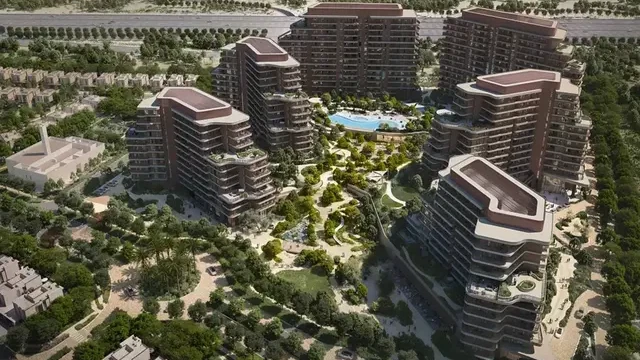
Meraas Nad Al Sheba Gardens 12
AED Price on Request
Nad Al Sheba
Apartments
Villas
The Wilds 3 by Aldar
AED Price on Request
Dubailand
Villas
Fleur de Jardin Villas by AMIS
AED Price on Request
Mohammed bin Rashid City
5 & 6